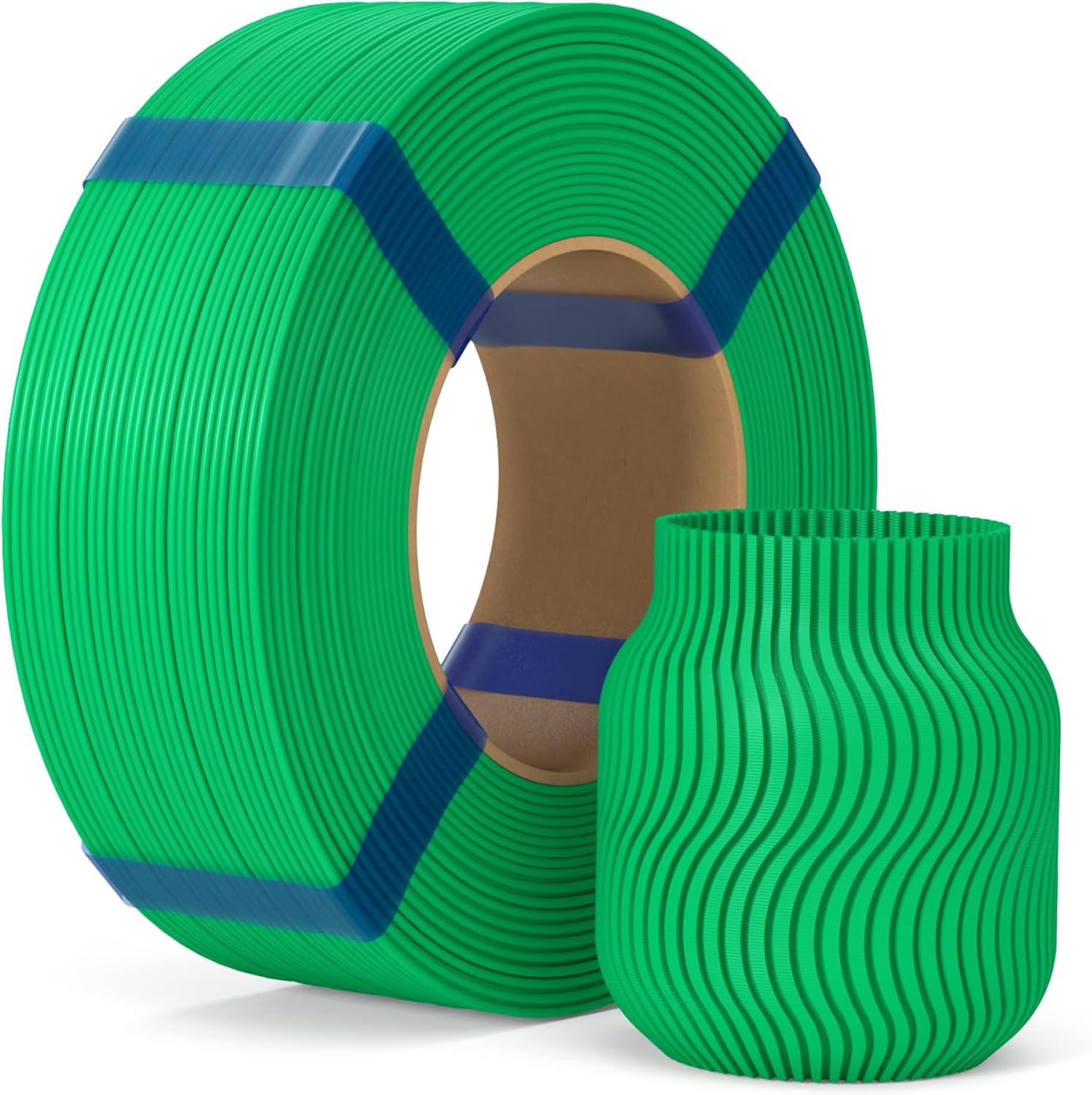
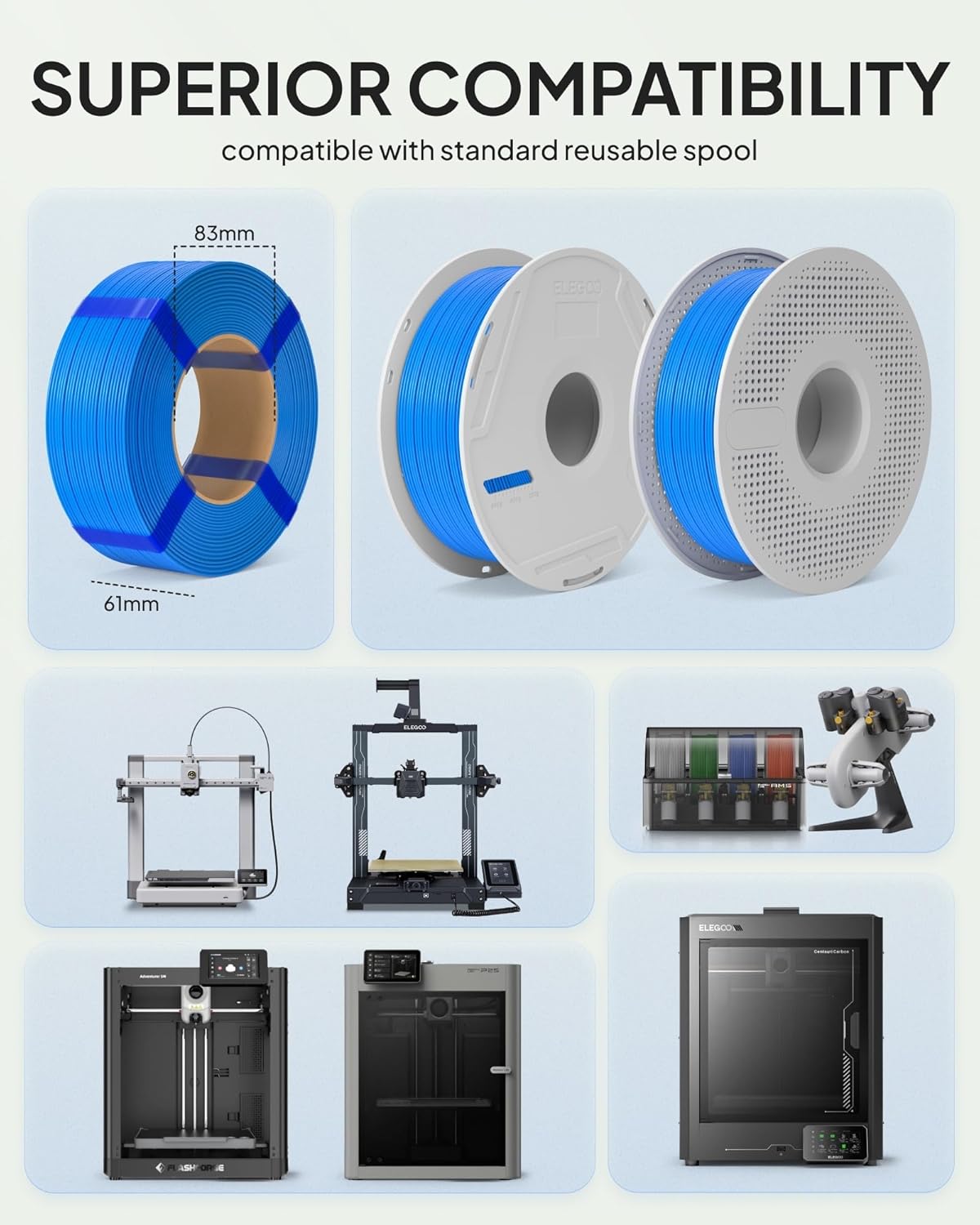
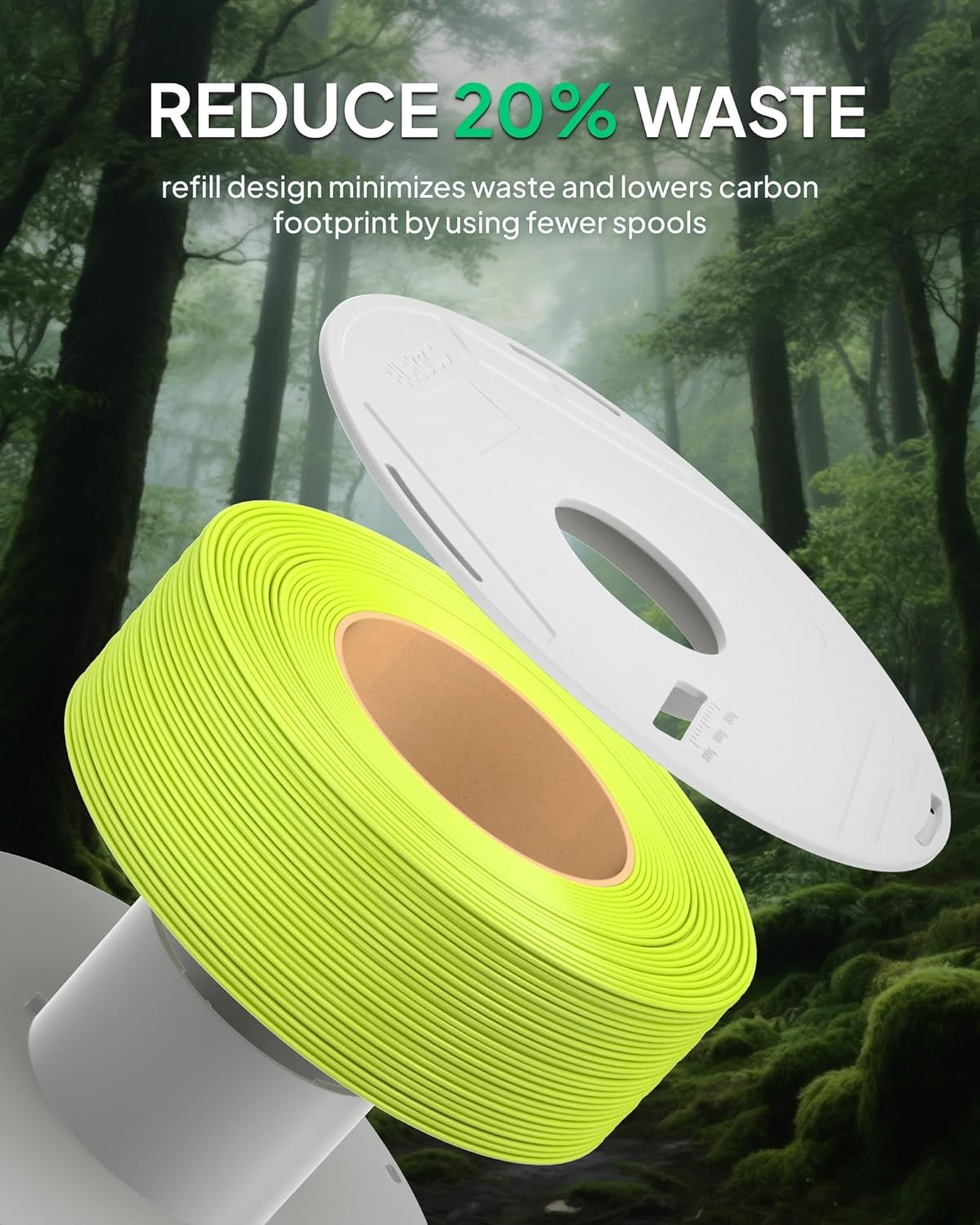
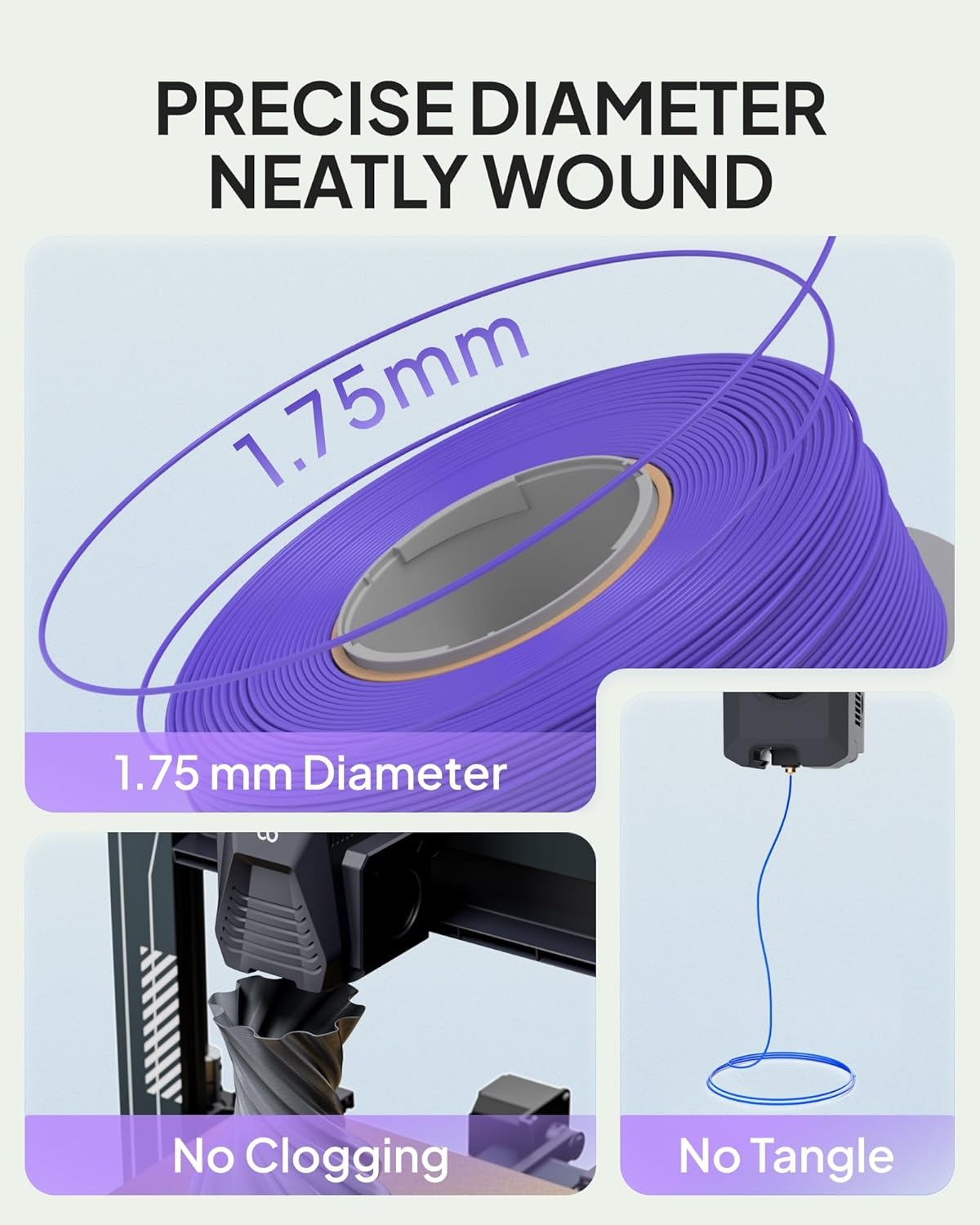
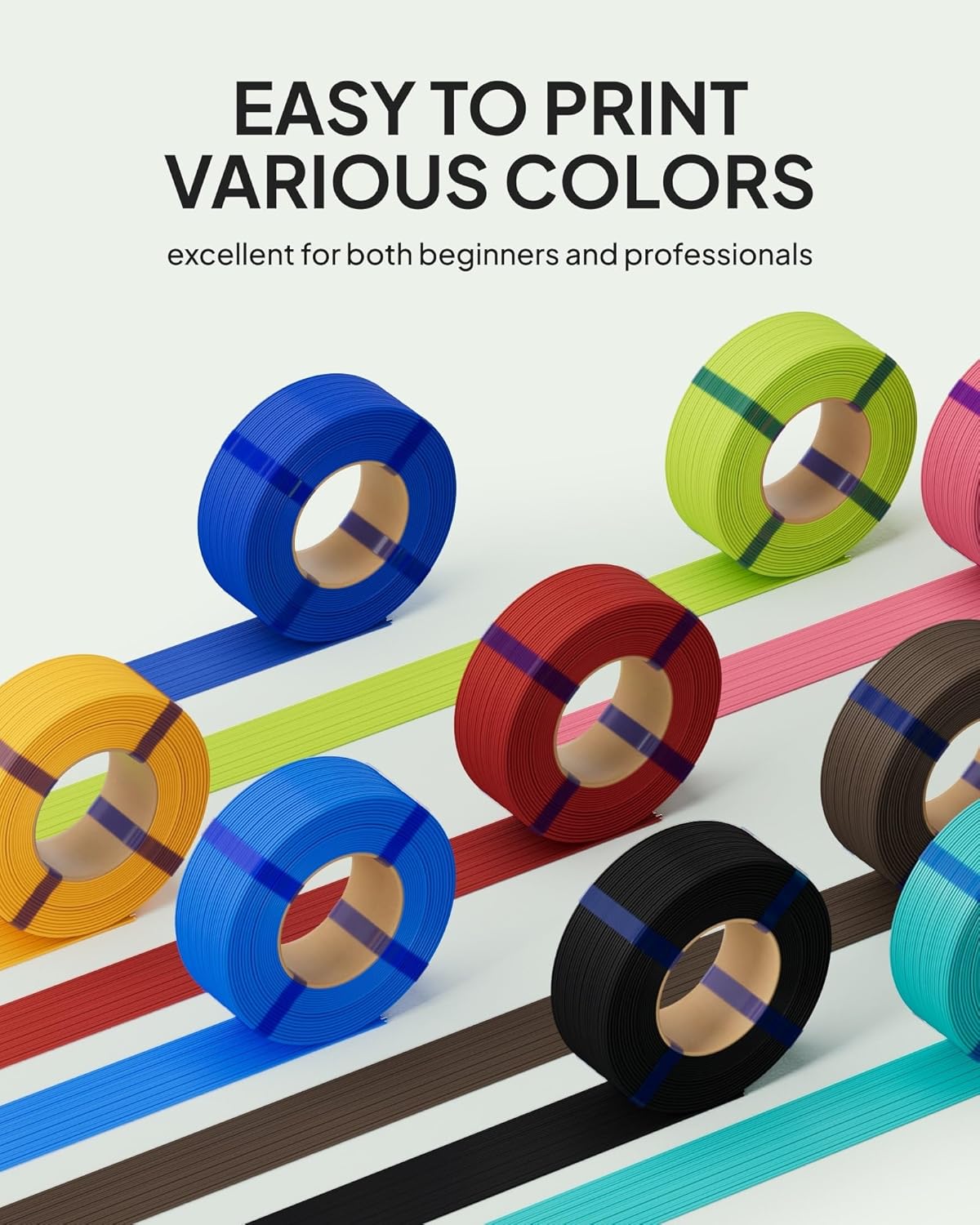
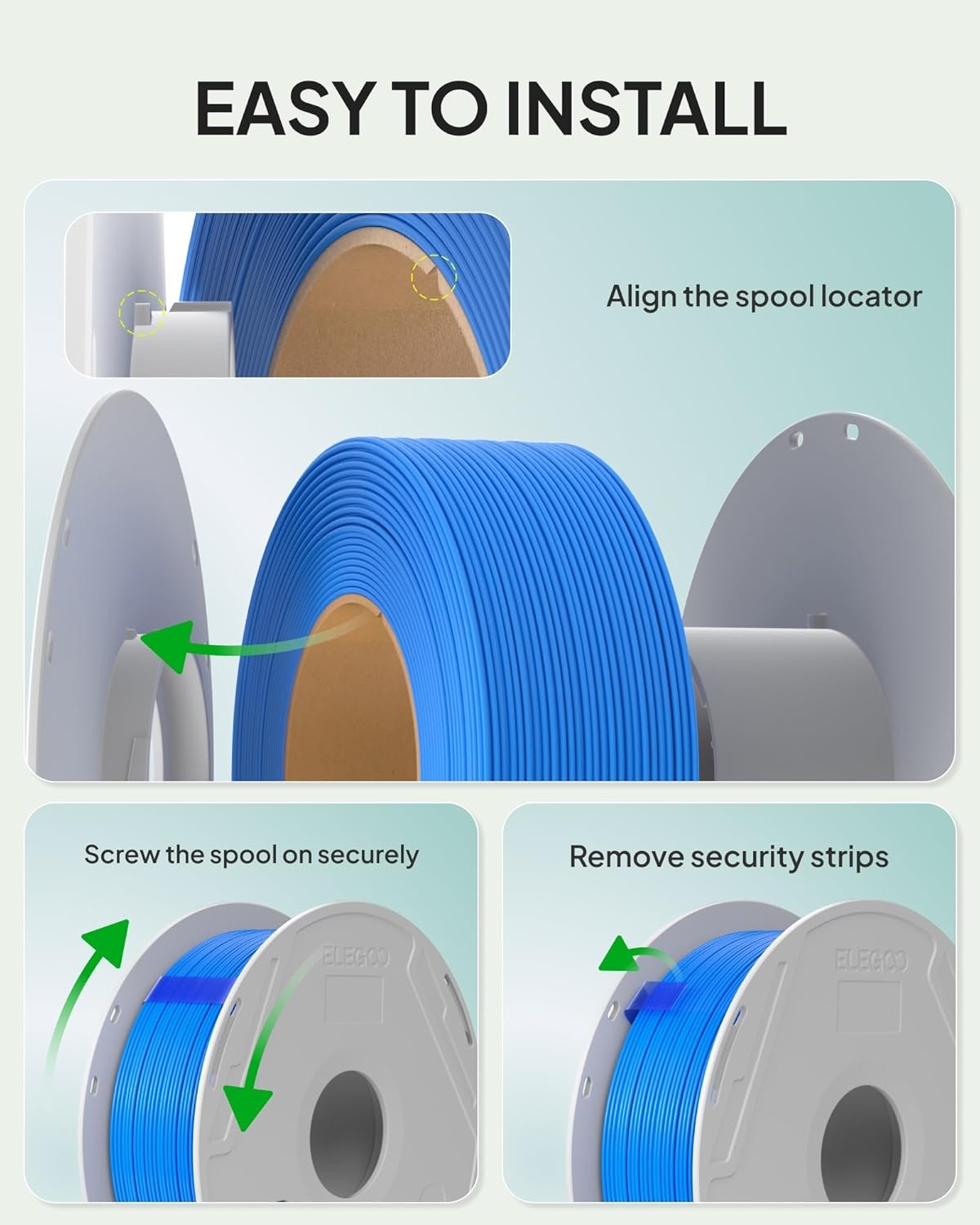
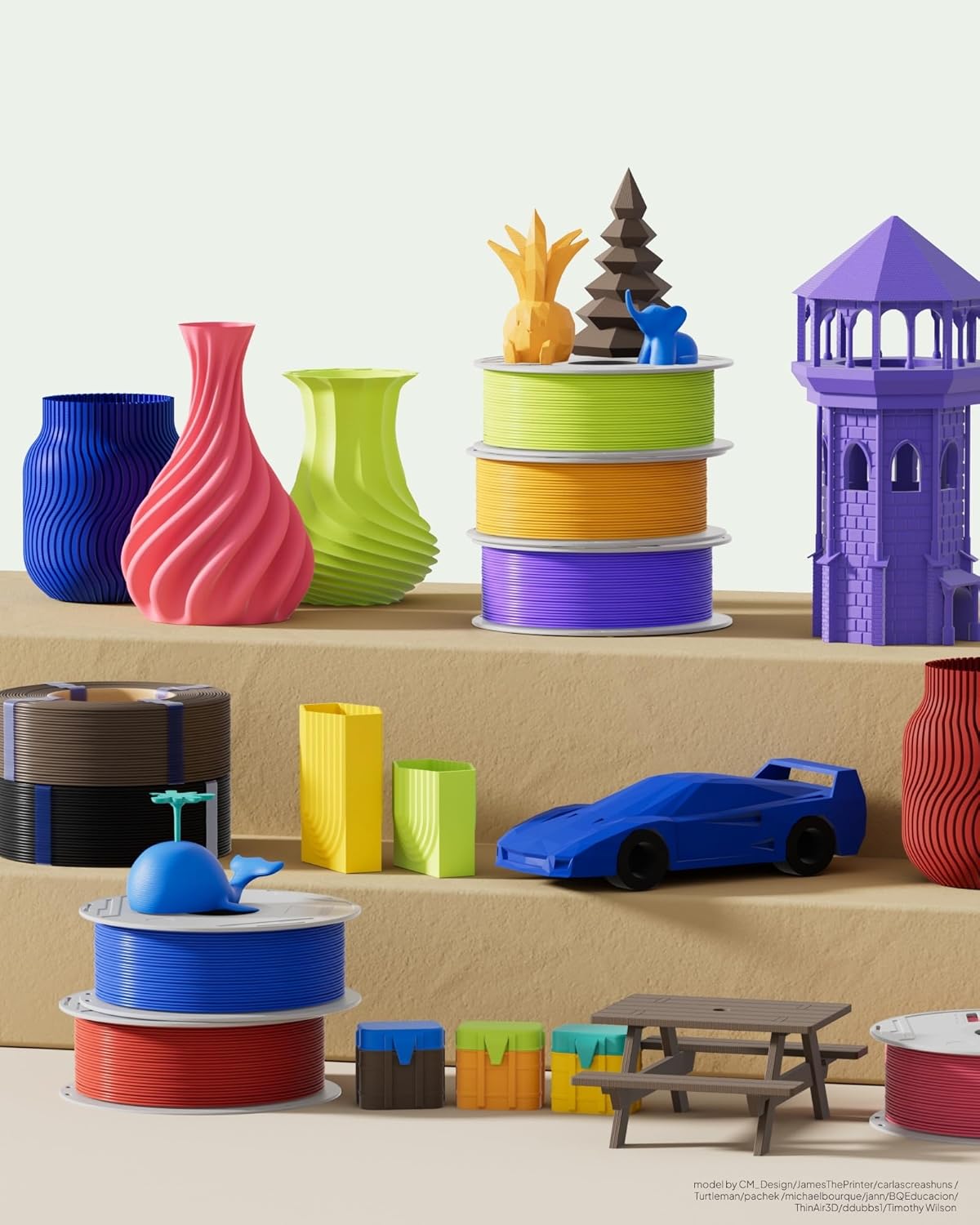
What it is and what it solves\nThe ELEGOO PLA Basic Refill is a 1.75 mm diameter PLA filament sold in a refill format rather than on a traditional spool. It aims to reduce plastic waste by letting you refill a reusable spool rather than discarding a full spool after use. This makes it a pragmatic option for those who want to lower their environmental impact without compromising on print quality. On the paper, it’s pitched as a straightforward solution for reliable everyday 3D printing, suitable for both hobbyists and professionals who value predictability and easy feeding.\n\n## How it performs in practice\nThe material is described as pure premium PLA with a lower printing temperature, reduced warping and strong layer adhesion. This combination typically yields smooth prints with modest post‑processing needs, which is especially helpful for beginners who aren’t ready to fine‑tune printer settings. It’s positioned as “easy to print and beginner‑friendly,” which implies a lower learning curve and fewer trials to achieve good results.\n\n## What stands out\nA notable design point is the packaging: the filament is wound on a cardboard core and is fully compatible with reusable spools from ELEGOO, Bambu Lab and eSun, or you can print your own spool. This broad compatibility is helpful if you already own a reusable spool system or are considering one. The diameter tolerance is stated at ±0.02 mm, which should support smoother feeding and fewer tangles than filaments with looser tolerances. The product also emphasises being dried and vacuum sealed to protect against moisture and dust, addressing common PLA issues like bubbles and print defects.\n\n## Limitations and caveats\nIf you prioritise super‑tight dimensional stability or high‑temperature performance, PLA may not be your best option compared with other materials. The claim of low warping is typical for PLA, but it isn’t a universal guarantee for every printer setup or enclosure. Also, while the refill approach reduces waste, it relies on a compatible reusable spool system, if your printer or workflow isn’t set up for spool refills, you may need to adapt.\n\n## Who it’s for\nIt suits buyers looking to cut plastic waste without sacrificing print quality, and who want a straightforward material that behaves predictably out of the box. It’s a sensible choice for students, makers and professionals who print frequently but don’t need advanced materials.\n\n## When it makes sense to buy\nChoose this refill when you already use a compatible reusable spool or plan to adopt one, and you want a PLA option that’s easy to print with consistent results. It’s also reasonable if you’d rather minimise waste from spools and keep a simple workflow in place.\n\n## Before you buy — quick checks\n- Confirm your printer supports 1.75 mm filament and can feed a standard PLA without excessive retraction noise.\n- If you’re using a non‑reusable spool, evaluate whether the refill format truly reduces waste in your setup.\n- Ensure the spool system you intend to use can accommodate the cardboard core and avoid friction points that could cause feeding issues.\n\n## Practical use example\nImagine printing a batch of functional prototypes for a classroom project. With this refill, you load the refill onto a reusable spool, set a modest print temperature, and expect reliable layer adhesion across multiple parts with minimal stringing. If you notice slight stringing, it’s typically a sign to fine‑tune print temperature or fan speed, but the PLA Basic aims to keep those adjustments relatively lightweight.\n\n## FAQ (brief)\n- Is the filament compatible with all 3D printers using 1.75 mm PLA? Generally yes, but verify your machine’s recommended PLA temperature range.\n- Does the cardboard core affect print quality? No, it’s designed to be compatible with reusable spools and standard feeding.\n- Can I expect identical colour shade across batches? Colour consistency can vary slightly between batches, plan for minor shade differences if you print dozens of parts.\n\n## Final decision — Is it worth it?\nWorth considering if you want to reduce waste and you already use or plan to use a compatible reusable spool, while still prioritising reliable, easy prints. If you need ultra‑tight tolerances or high‑temperature resistance, you might look at more specialised filaments.