

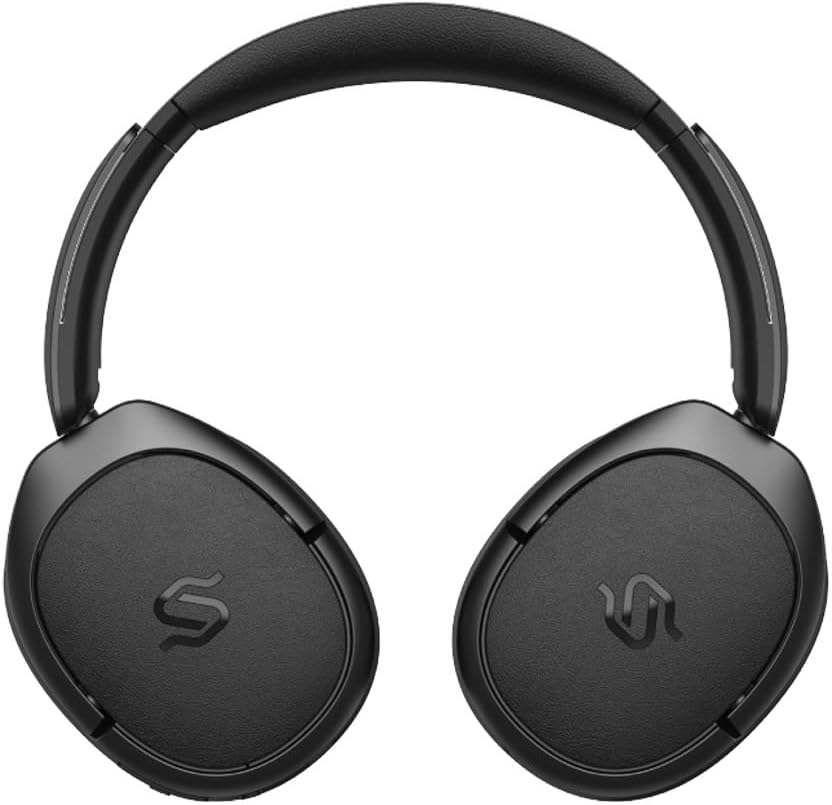
Edifier STAX Spirit S5 Wireless Planar Magnetic Headphones with Snapdragon Sound (Bluetooth 5.4)
Reviews
Price
Product description
If you want wireless headphones that take sound quality seriously, Edifier’s STAX Spirit S5 is built around a planar magnetic approach rather than the usual dynamic driver route. On paper, it’s also set up for modern streaming via Qualcomm Snapdragon Sound and a codec mix that should suit a range of devices.
That said, it’s not a “one-size-fits-all” purchase. Planar designs and closed-back comfort can be a personal fit, and wireless codec support depends on your phone or laptop. If you’re happy to match your source to the headphones’ strengths, this is the kind of model that rewards you.
The essentials
The STAX Spirit S5 Wireless Planar Magnetic Headphones combine planar magnetic drivers with EqualMass diaphragm design, aimed at consistent sound, low distortion, and quick response. They’re also positioned as a hi-res capable wireless option, with support for LDAC and LHDC, plus Snapdragon Sound codecs such as aptX HD, aptX Adaptive, and aptX Lossless.
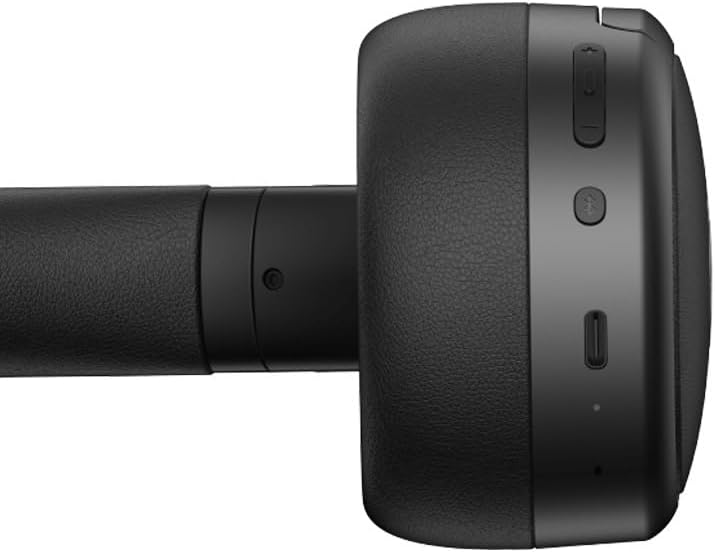
For day-to-day use, you get Bluetooth 5.4, Google Fast Pair (for Android), and a straightforward way to connect via USB-C and a traditional AUX cable. That mix matters if you sometimes switch between phone, games/TV, or a more “wired” listening session.
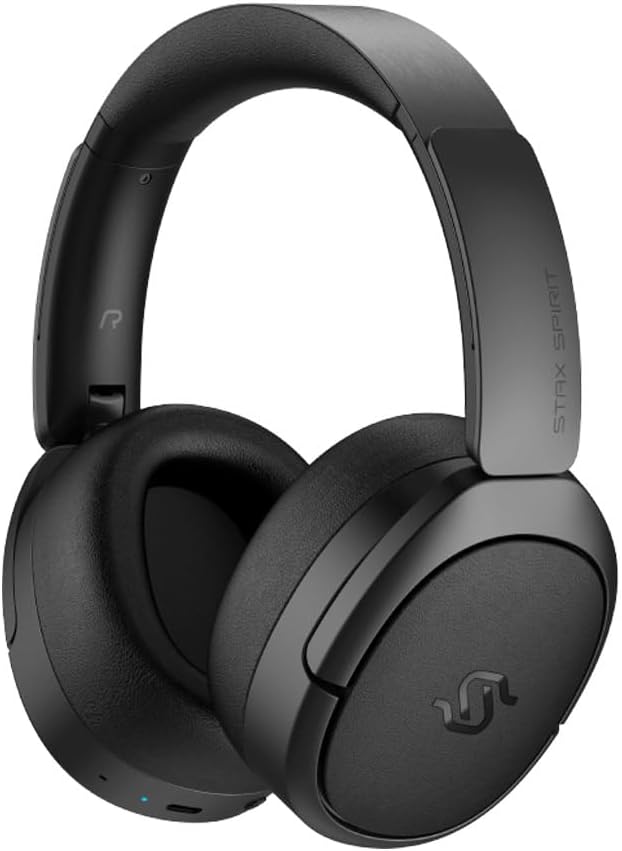
Calls are handled with a dual-mic setup and Qualcomm cVc technology, which focuses on noise suppression. The closed-back design is there for privacy, but it also means soundstage will never feel as naturally “open” as an open-back headphone.
What you’ll notice in everyday listening
Where the S5 tries to stand out is the “detail and clarity” angle. With LDAC and LHDC listed for hi-res audio Wireless, the idea is that you can hear more separation in busy tracks and more nuance in quieter parts—rather than everything blending into a thick, generalised sound.

There’s also a latency claim attached to aptX Adaptive (listed as 89ms). That’s the kind of figure you’d keep an eye on if you watch videos, game casually, or want less delay when you’re moving your head and your audio follows.
A practical example: imagine you’re commuting with your Android phone. With Fast Pair, you can get connected quickly, then choose a streaming app that supports high-quality codecs. If you then switch to a laptop and prefer a more stable wired session, the USB-C and AUX options let you keep listening without relying purely on Bluetooth.
Where it shines
This is the sort of wireless headphone that makes sense if you’re already paying attention to codecs and audio formats. The combination of Snapdragon Sound technology (using the Qualcomm QCC5181 Bluetooth SoC) and support for multiple codecs is a strong foundation for enthusiasts who want more than “basic Bluetooth stereo”.
It also reads well for calls. Dual-mic cVc is specifically aimed at clearer voice capture, and the inclusion of a closed-back shell suggests you’re less likely to have your environment overpower your conversation.
Things to be careful about
First, the experience will depend quite a bit on what you’re listening with. Codec support (LDAC, LHDC, aptX variants) is only as good as your device and your streaming service. If your phone supports fewer of these codecs, you may not get the full benefit.
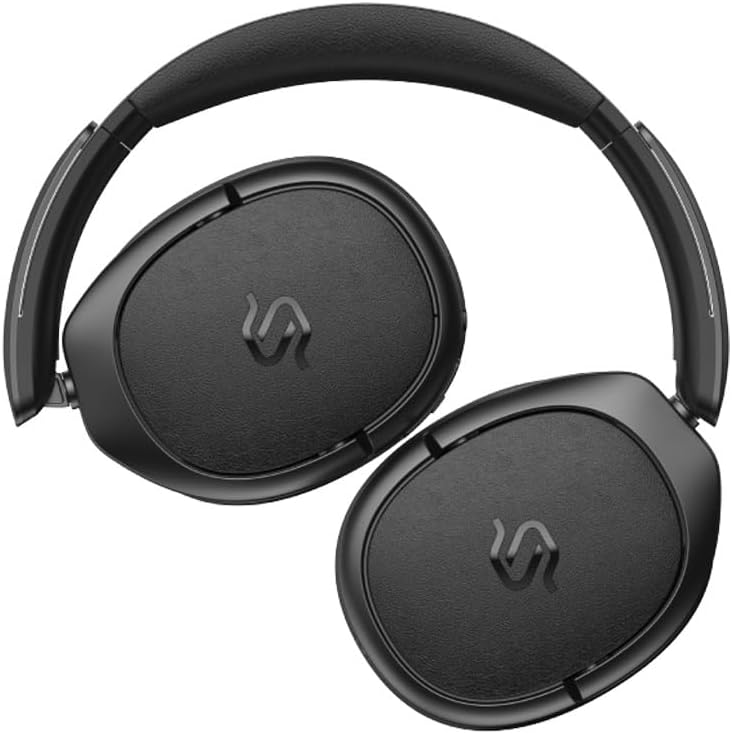
Second, closed-back planar headphones can be hit-and-miss for comfort and seal. The entry point isn’t “unknown brand wireless”—but planar magnetics can feel different on the ear compared with more common designs. If you’re sensitive to pressure or you prefer a very airy, open sound, you may find it a little too contained.
Technical overview (the bits that matter)
- Planar magnetic drivers with EqualMass diaphragm for consistent sound and low distortion
- Qualcomm QCC5181 Bluetooth SoC and Snapdragon Sound tech
- Wireless codecs listed: LDAC, LHDC, aptX HD, aptX Adaptive, aptX Lossless
- Bluetooth 5.4
- Dual-mic with Qualcomm cVc noise suppression for clearer calls
- Closed-back design for more privacy
- aptX Adaptive listed with low latency (89ms)
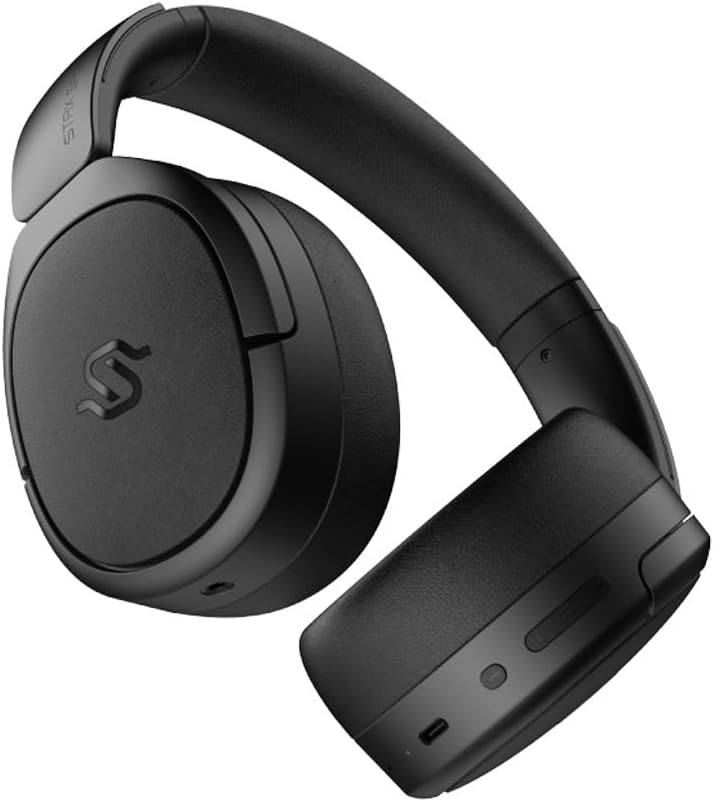
- Connectivity options: Bluetooth, USB-C, and AUX
Who it’s for (and who should skip it)
It makes sense if you: - care about hi-res capable wireless playback and want multiple codec options - use an Android phone (Fast Pair) and want a clean, quick setup - need both wireless listening and a wired fallback via USB-C or AUX - do some video watching or casual gaming and want reduced latency on aptX Adaptive
You may want to skip it if you: - primarily use a device that doesn’t support the listed codecs, because you’ll be giving up part of the point - strongly prefer an open, spacious sound (closed-back will keep things more contained) - want a super simple “connect and forget” purchase without caring about codec support
Is it worth it?
The Edifier STAX Spirit S5 is worth considering when you specifically want a wireless planar magnetic headphone that’s geared towards hi-res codecs and Snapdragon Sound-style compatibility. It’s a sensible buy for audiophiles who like to tinker a little—checking what their phone supports, picking the right codec path, and using the wired options when they want to go hands-off.
But if your setup can’t take advantage of LDAC/LHDC or aptX variants, the value proposition becomes less clear, and it may feel like you’re paying for features you can’t fully use. If you’re after maximum openness or zero-fuss comfort above everything else, this might not be the right direction.

Mini FAQ
Does it support hi-res wireless audio?
Yes, the product description states support for LDAC and LHDC for high-solution wireless audio, alongside aptX variants including aptX Lossless.
What connection options are included?
It lists Bluetooth 5.4, USB-C, and AUX cable connectivity, so you’re not limited to wireless only.
Are calls handled properly?
It includes dual-mic with Qualcomm cVc noise suppression, which is designed to improve voice clarity in noisy conditions.
Is it good for low-latency viewing?
aptX Adaptive is stated to have low latency (89ms), so it’s designed with timing-sensitive listening in mind.
What should I check before buying?
It’s worth checking whether your phone or laptop supports the codecs you plan to use (LDAC/LHDC/aptX Adaptive/Lossless), because that heavily affects real-world results.