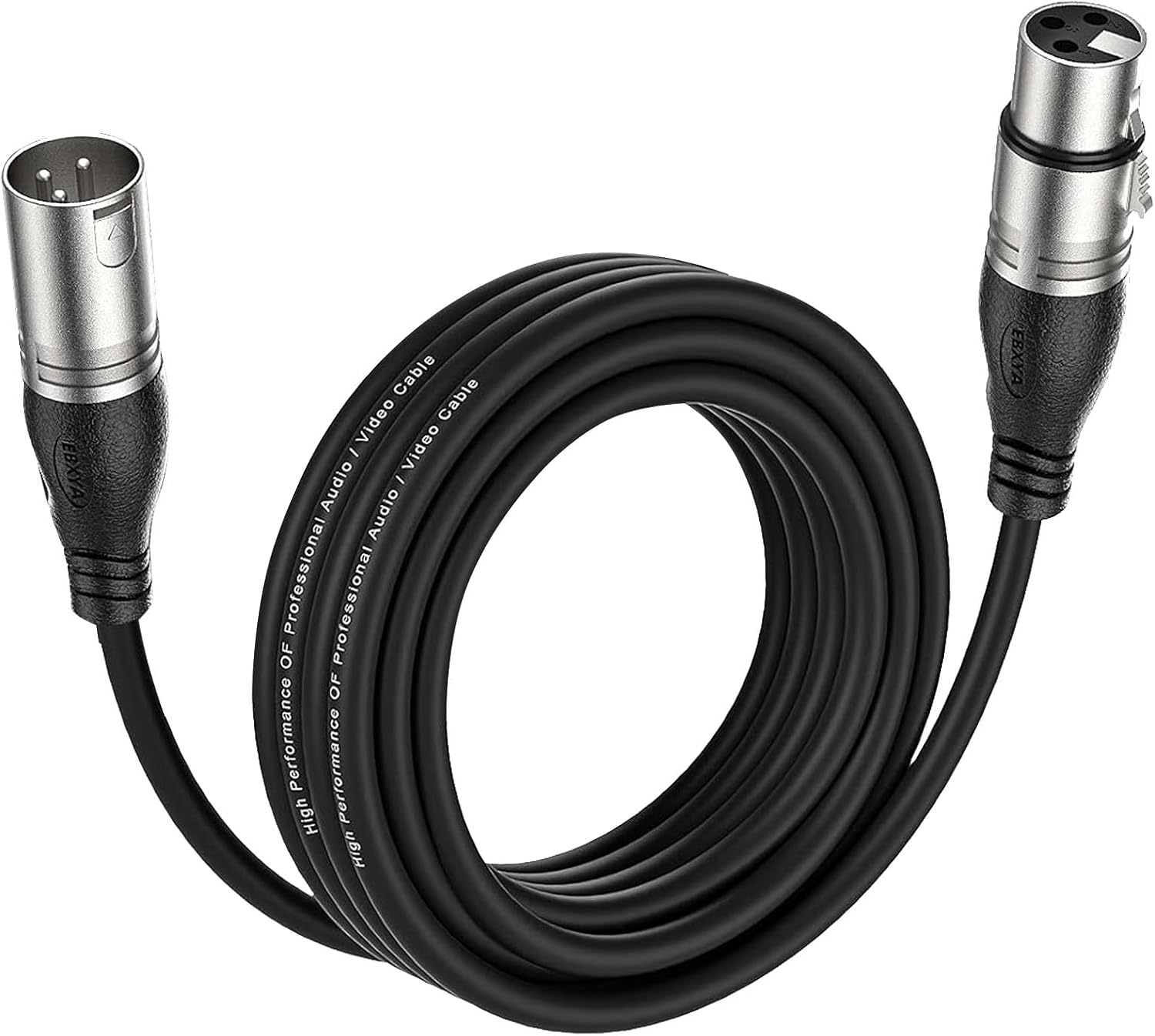
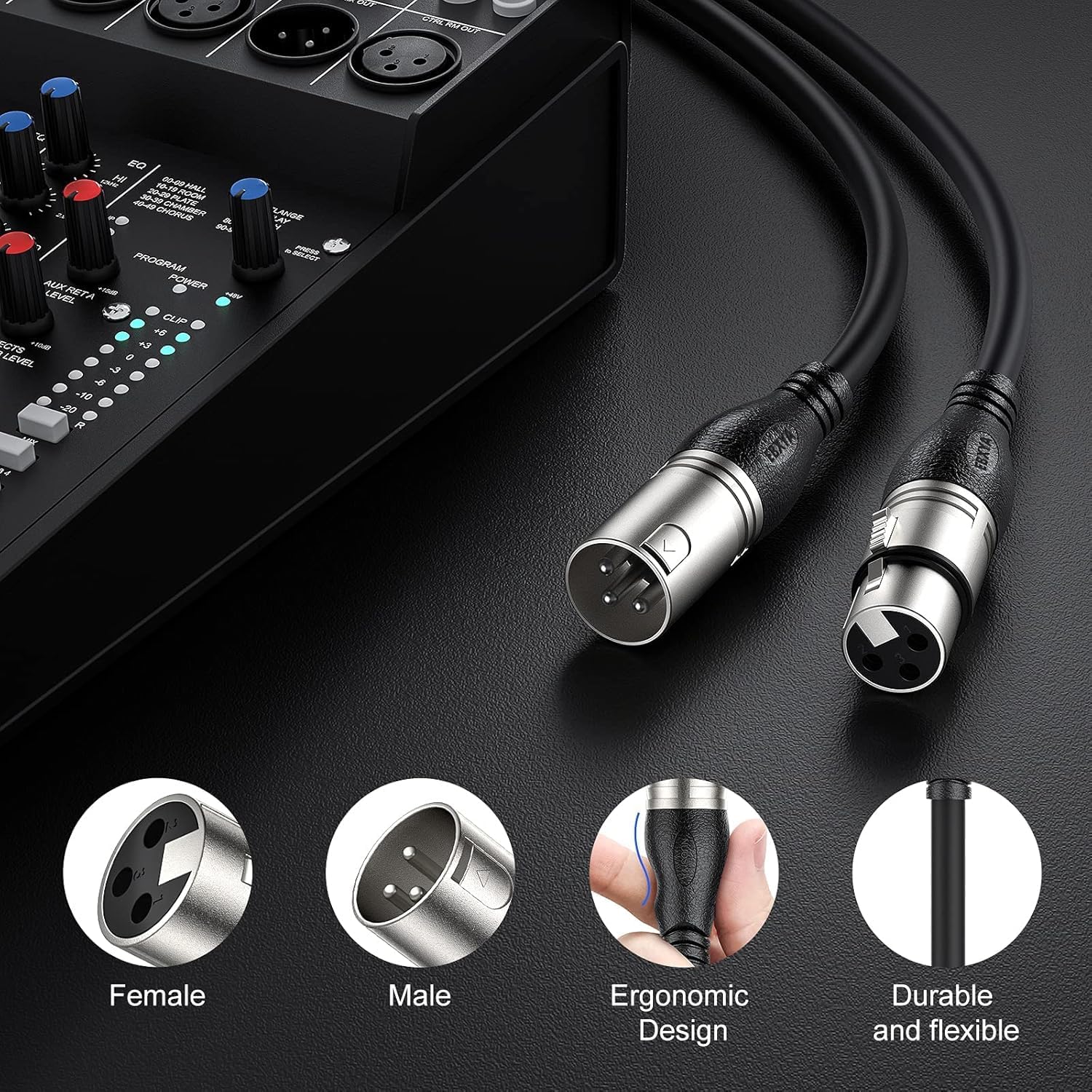
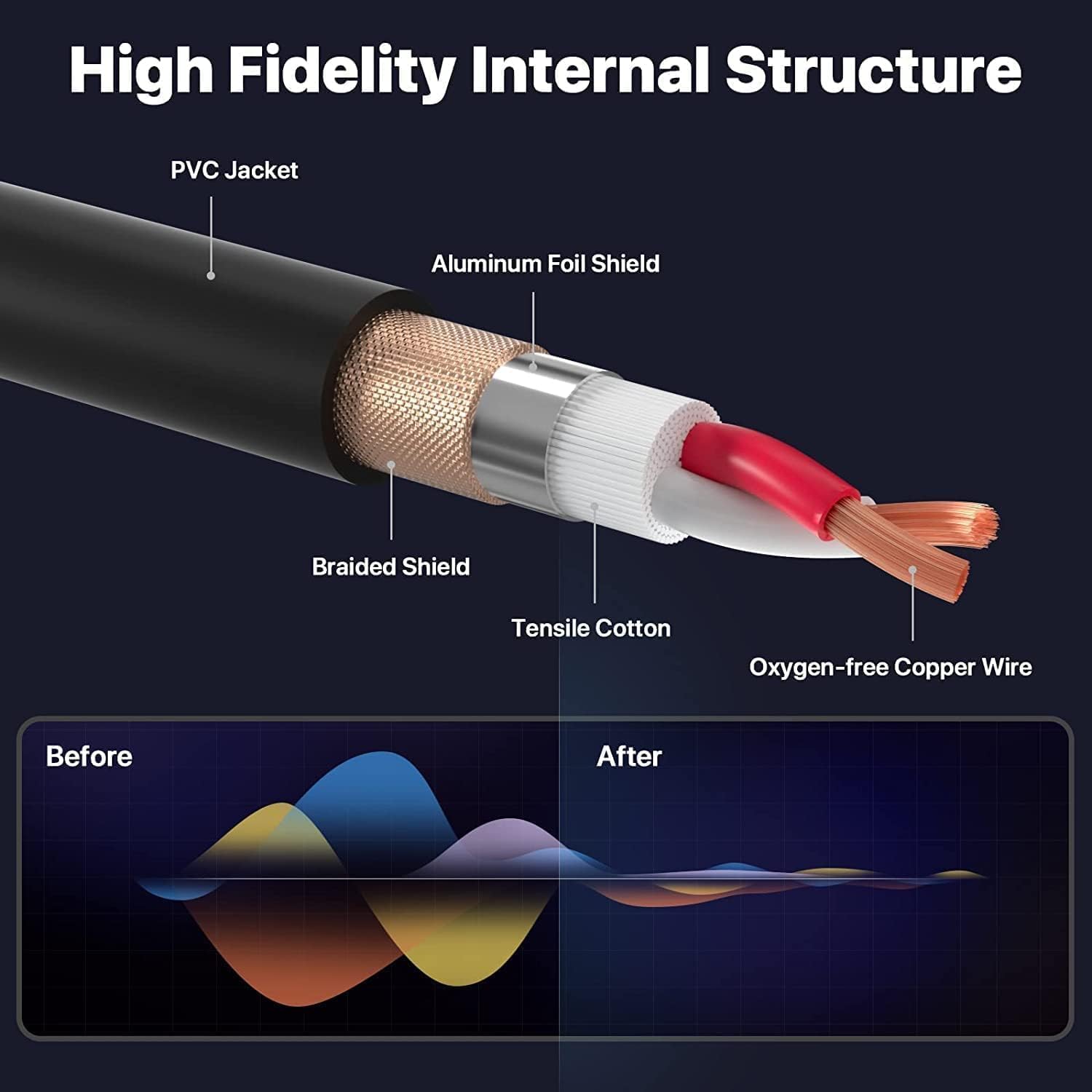
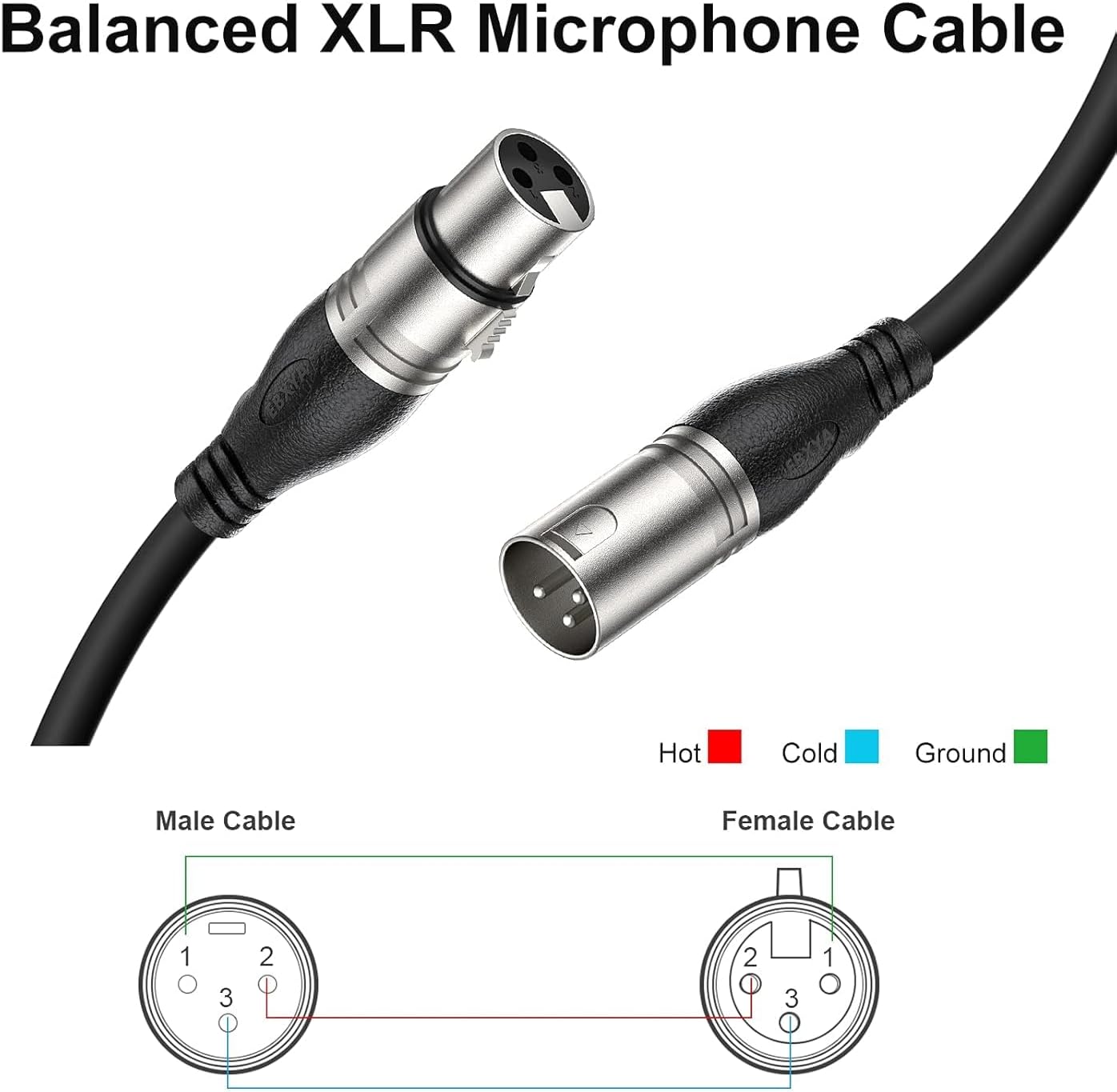
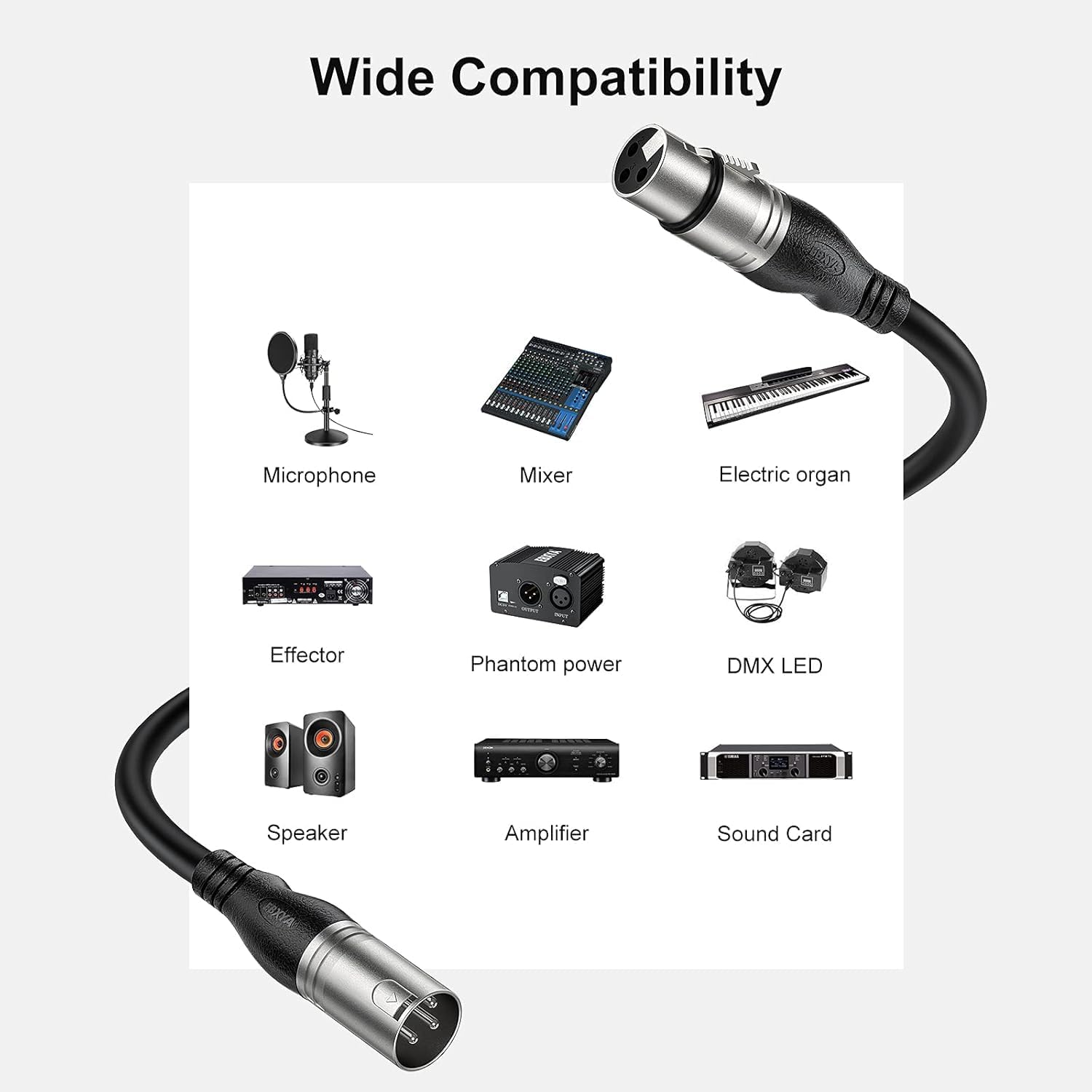
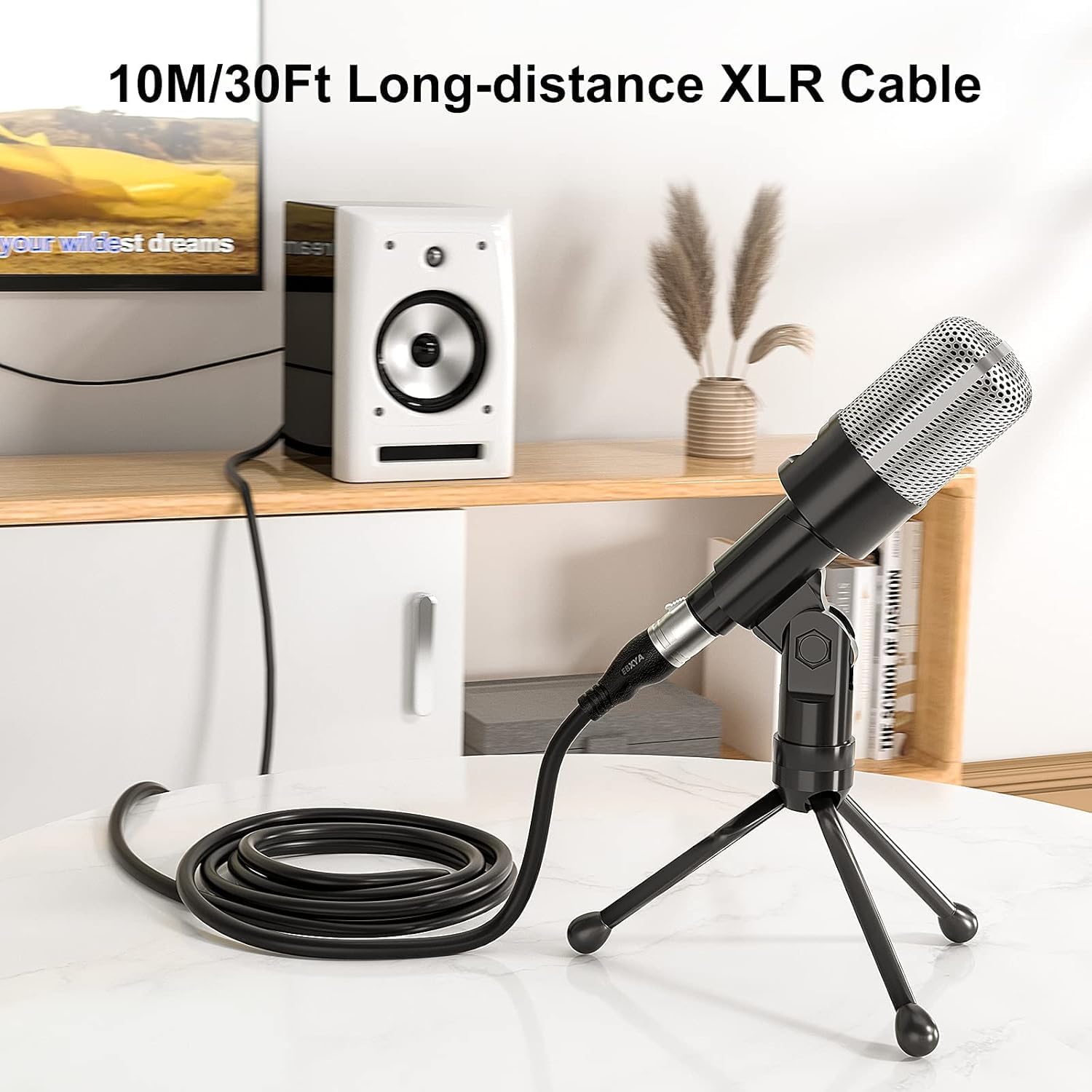
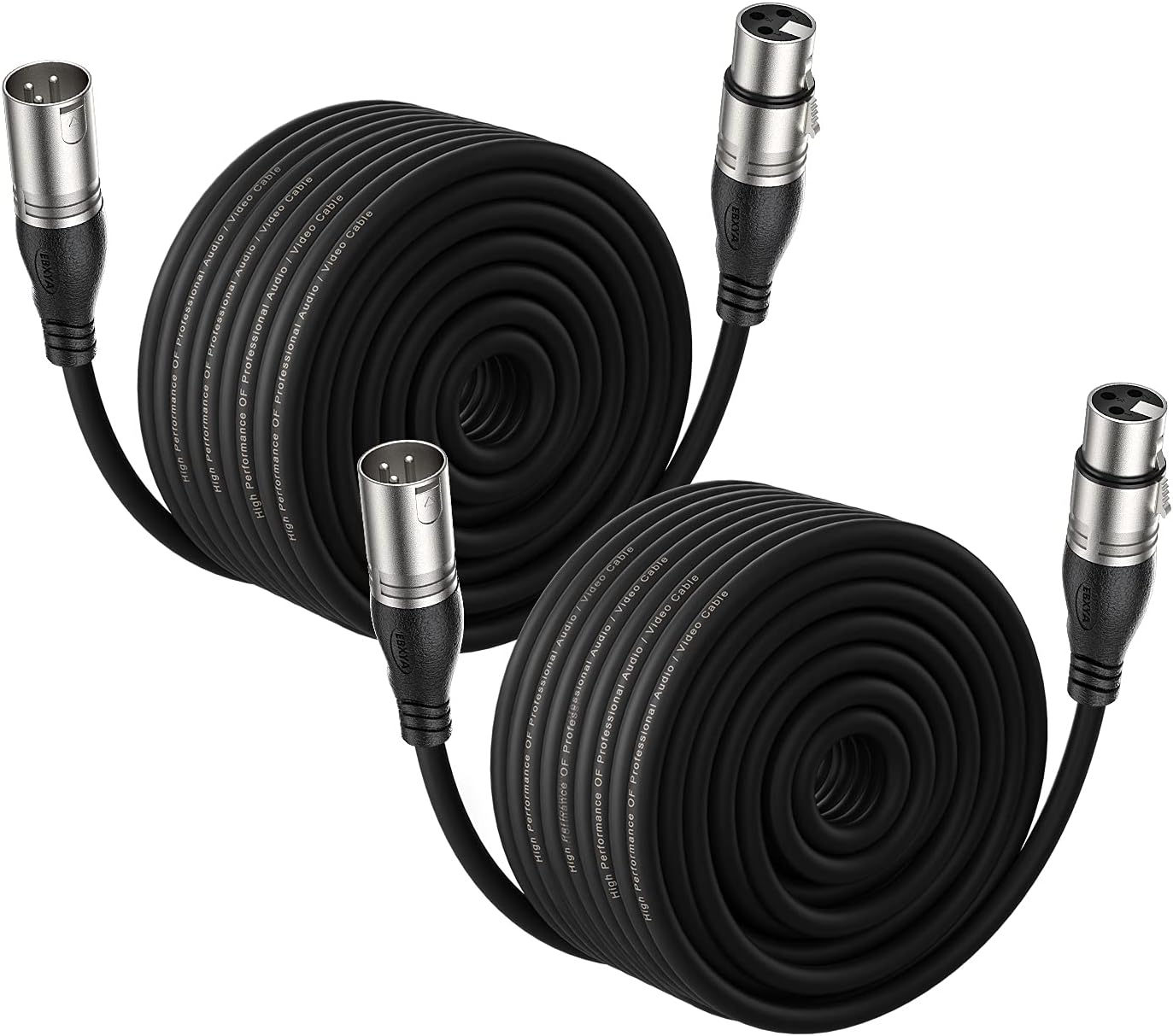
What this is and what it’s for\nThe EBXYA 5m XLR cable is a basic balance-equipped lead designed to connect microphones, audio interfaces, mixers and other 3-pin XLR devices. On paper, it emphasises anti-noise performance through a high-density braided copper shield and a copper core conductor, which should help reduce external interference during everyday recordings or live sound scenarios. If you’re building a simple home studio or upgrading a few patch leads for stage use, this cable is meant to be straightforward and reliable rather than feature‑packed.\n\n## How it’s built and how that matters\nThe design relies on a three‑pin balanced configuration—ground, hot, and cold—to help fix signal direction and minimise misconnection. The connectors feature a metal housing with a locking design, which can be useful when you need a cable that stays secure during busy sessions or on the road. The outer jacket uses soft‑flex PVC around a copper core, which aims to be flexible and durable enough for regular handling. While that construction is common, it remains important to check how the jacket wears over time if you frequently coil and uncoil or route cables under floor mats.\n\n## Pros and what stands out\n- Balanced 3‑pin design should help preserve signal integrity in typical setups.\n- Metal connectors with a locking mechanism reduce accidental disconnections.\n- Soft‑flex PVC jacket is designed to resist wear while remaining easy to manage in compact spaces.\n- Broad compatibility with microphones, mixers, phantom power supplies, amps, and similar gear makes it a practical starter lead or spare.\nThese points suggest the cable is well-suited for everyday use in home studios, small venues, or field setups where you want a straightforward, no‑frills cable that won’t let you down mid‑session.\n\n## Limitations and when it may not be ideal\n- The description doesn’t specify shielding level beyond the mention of a high‑density braided shield, so if you’re recording in a particularly noisy environment, you may want to audition the cable alongside other options.\n- While the locking connector helps with security, the overall build is still a budget‑to‑mid range option, it might not survive heavy abuse or extreme gigging as well as more rugged professional cables.\n- The 5‑metre length is versatile, but in tight setups you may prefer shorter patch leads to avoid clutter.\nIf you prioritise top‑tier shielding or ultra‑heavy‑duty construction, this cable might feel conservative compared with premium models.\n\n## Who it’s for \nThis lead is a sensible choice for hobbyists, podcasters, and small studios looking for a practical, value‑for‑money XLR lead. It’s a reasonable fit if you want a dependable patch cable for standard mics and basic outboard gear without delving into high‑end cabling.\nIt may also suit anyone assembling a starter kit, or those who need a spare lead to keep on standby.\n\n## When to buy and when to pause\nConsider this cable when you need a straightforward, compatible XLR lead that won’t massively stretch the budget. If your setup involves frequent, demanding travel or requires the highest possible signal purity in a heavily treated studio, you may opt for cables marketed with stronger shielding or premium connectors.\n\n## Quick checks before you buy\n- Ensure your devices use a 3‑pin XLR connection and that a balanced run is appropriate for your signal chain.\n- Think about the length you actually need to avoid excess clutter.\n- If possible, test the locking connector’s fit with your equipment to confirm it seats securely.\n\n## Everyday usage example\nLinking a handheld vocal mic to an audio interface on a small project desk, the 5m length lets you place the interface on a rack while the mic sits on a stand without tension on the connector. The metal lock helps to prevent accidental disconnections during a recording session or a set change at a gig.\n\n## FAQ\n- Is this suitable for phantom power supplies? Yes, it’s described as compatible with devices including phantom power supplies, provided the other equipment supports XLR balances.\n- Can I use this for guitar or line level signals? It’s primarily presented as a microphone cable, for line or instrument level use, test compatibility with your gear.\n- How durable is the outer jacket? The jacket is described as soft‑flex PVC designed to protect the fibre core, but heavy handling over years may still wear.\n
Is it worth it?\nFinal verdict: Worth considering if you need a solid, budget‑friendly mic lead with balanced 3‑pin design and a locking connector, suitable for everyday studio or live use. It isn’t the top choice for those chasing high‑end shielding or extreme durability, but for typical home and small‑scale setups it offers dependable value.\n