

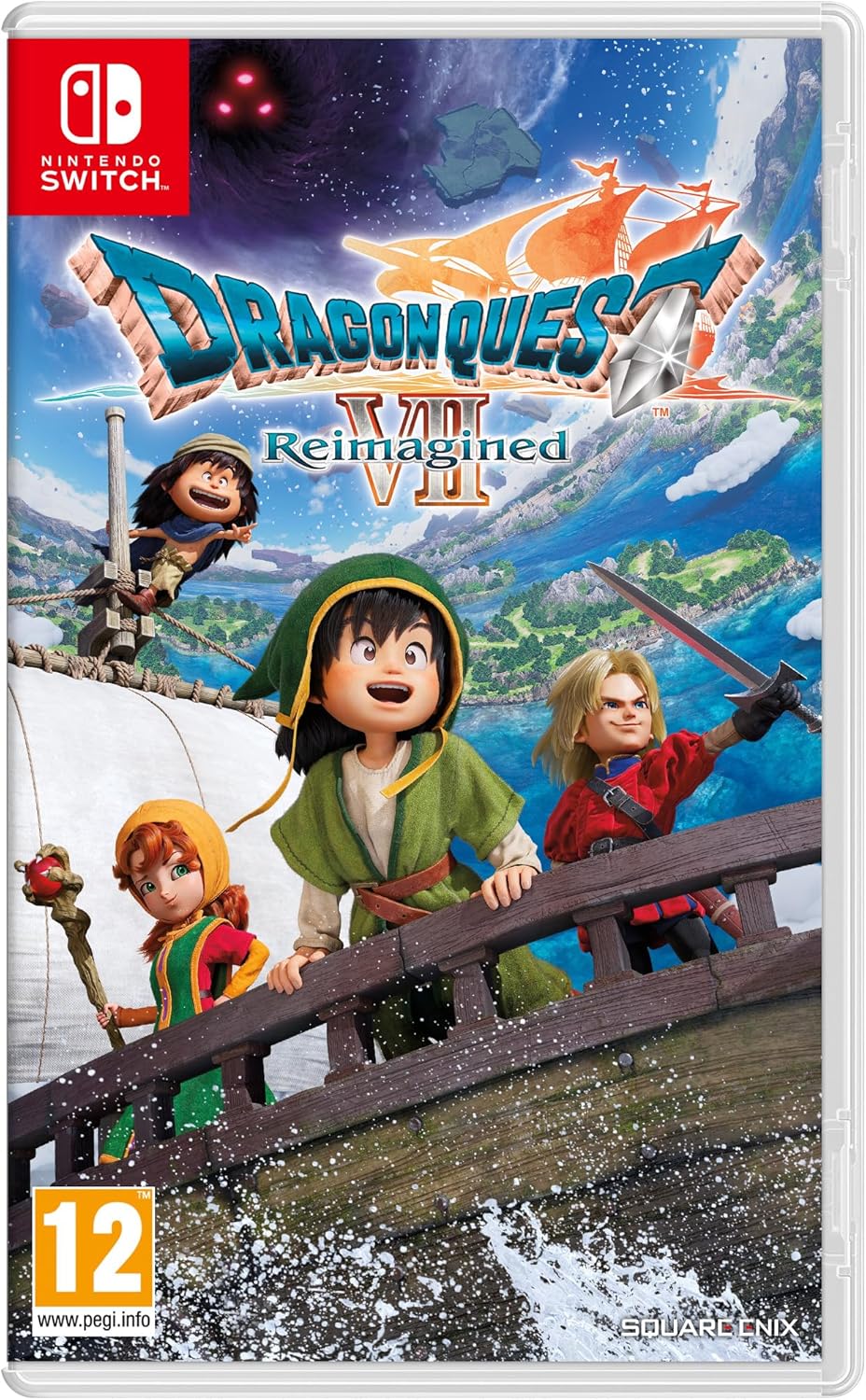
Dragon Quest VII Reimagined for Nintendo Switch
Product description
The essentials
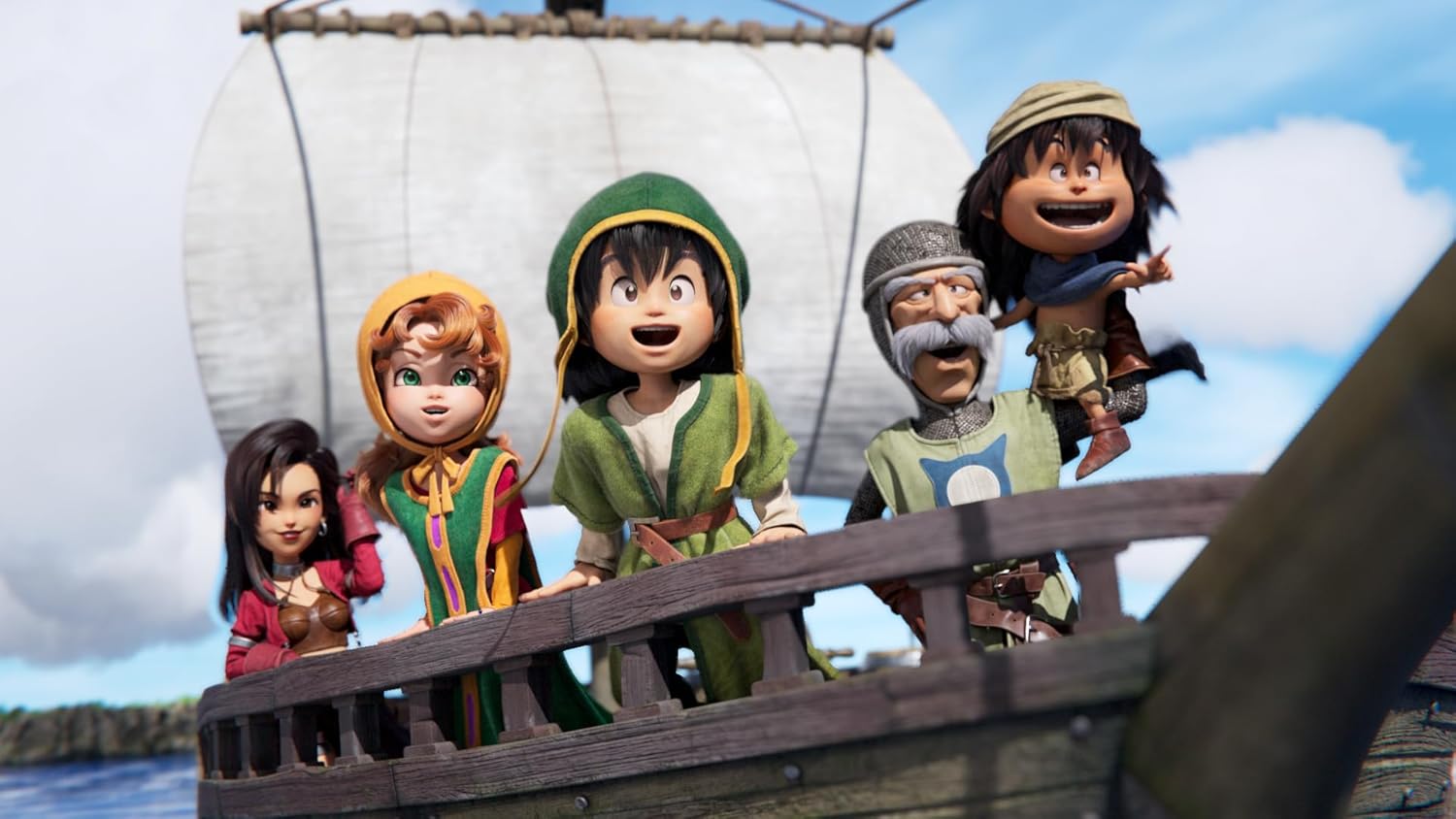
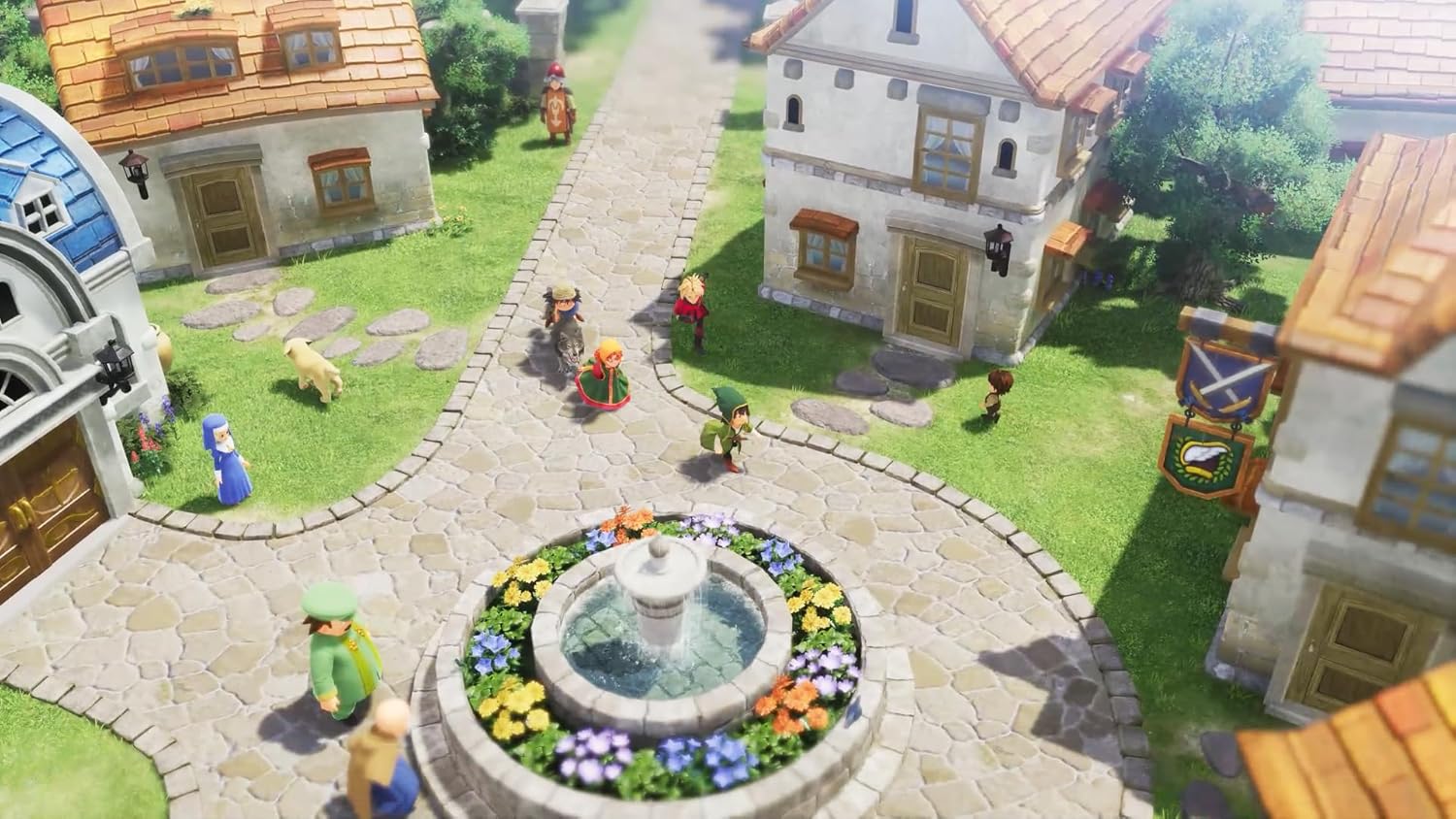
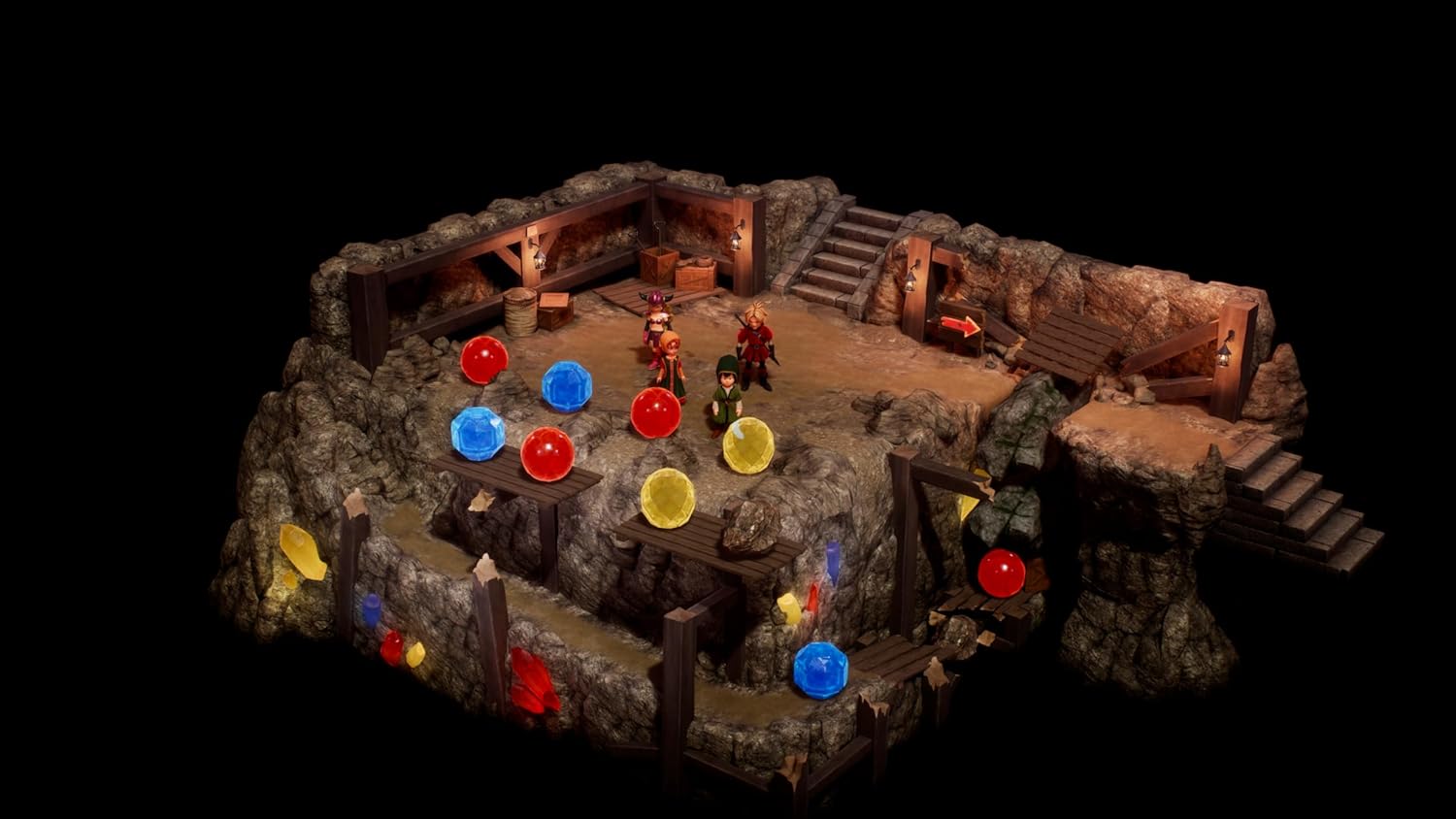
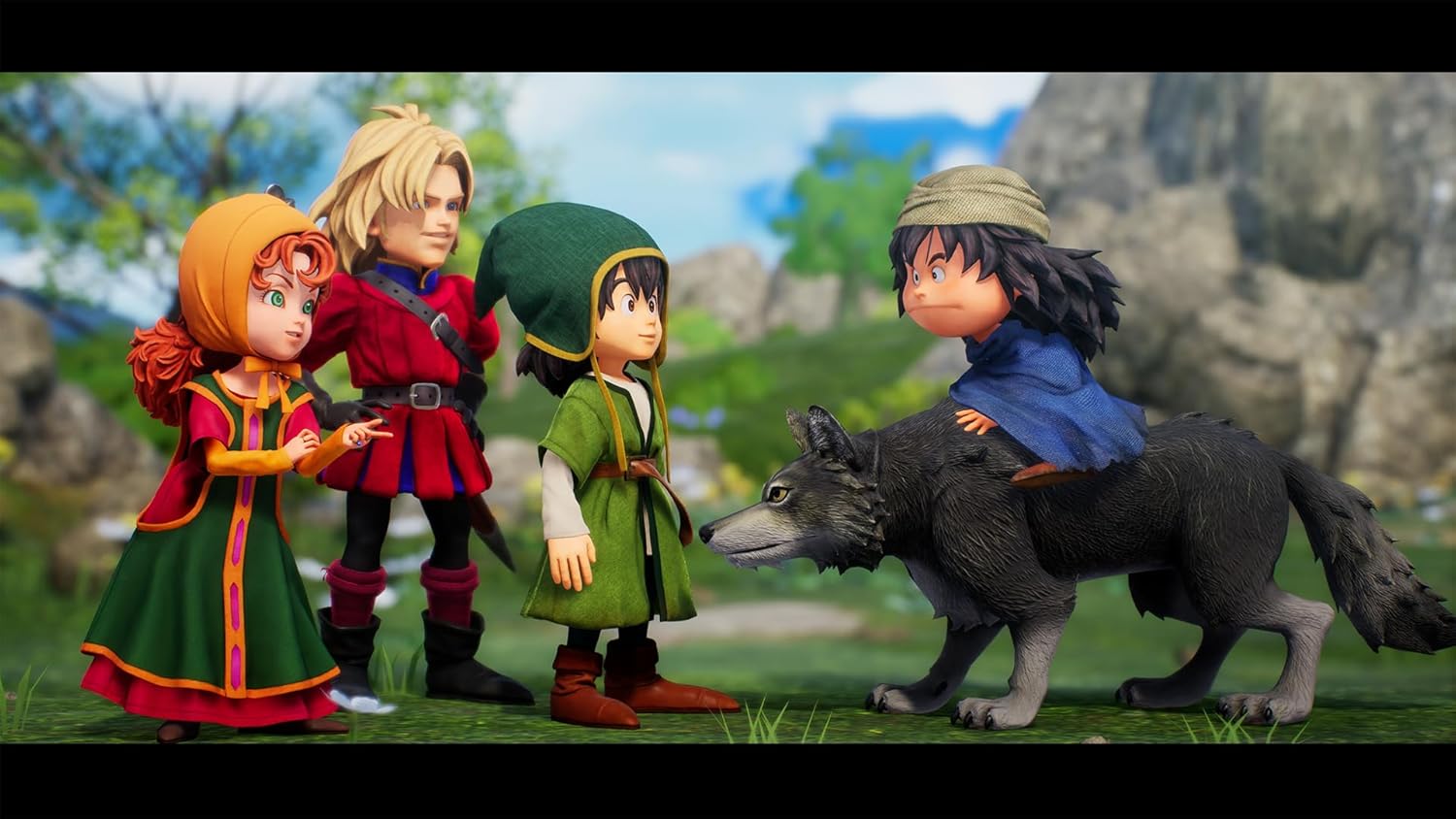
Dragon Quest VII Reimagined for Nintendo Switch brings a diorama-style look to the world of Dragon Quest, with character designs associated with Akira Toriyama. It’s the kind of presentation that aims to make every encounter feel more alive—think lush forests, busy towns, ancient ruins and whimsical monsters rather than a flat, purely functional RPG world.
What you’re buying is essentially a reimagining of a classic-style adventure with a more guided pace. The story is framed in vignettes, but it’s still tied together by an overarching narrative. On top of that, the combat has been reworked, so if you’ve bounced off older turn-based RPGs in the past for feeling slow or fiddly, this is where the game tries to meet you halfway.
Key takeaways
So, what matters most here is how the reimagining tries to smooth the journey without turning it into a different genre. The world is explored through fragments that unlock portals to long-lost eras, and the idea is to restore what’s been scattered—by solving mysteries, making allies in the past, and gradually bringing the present back to life.
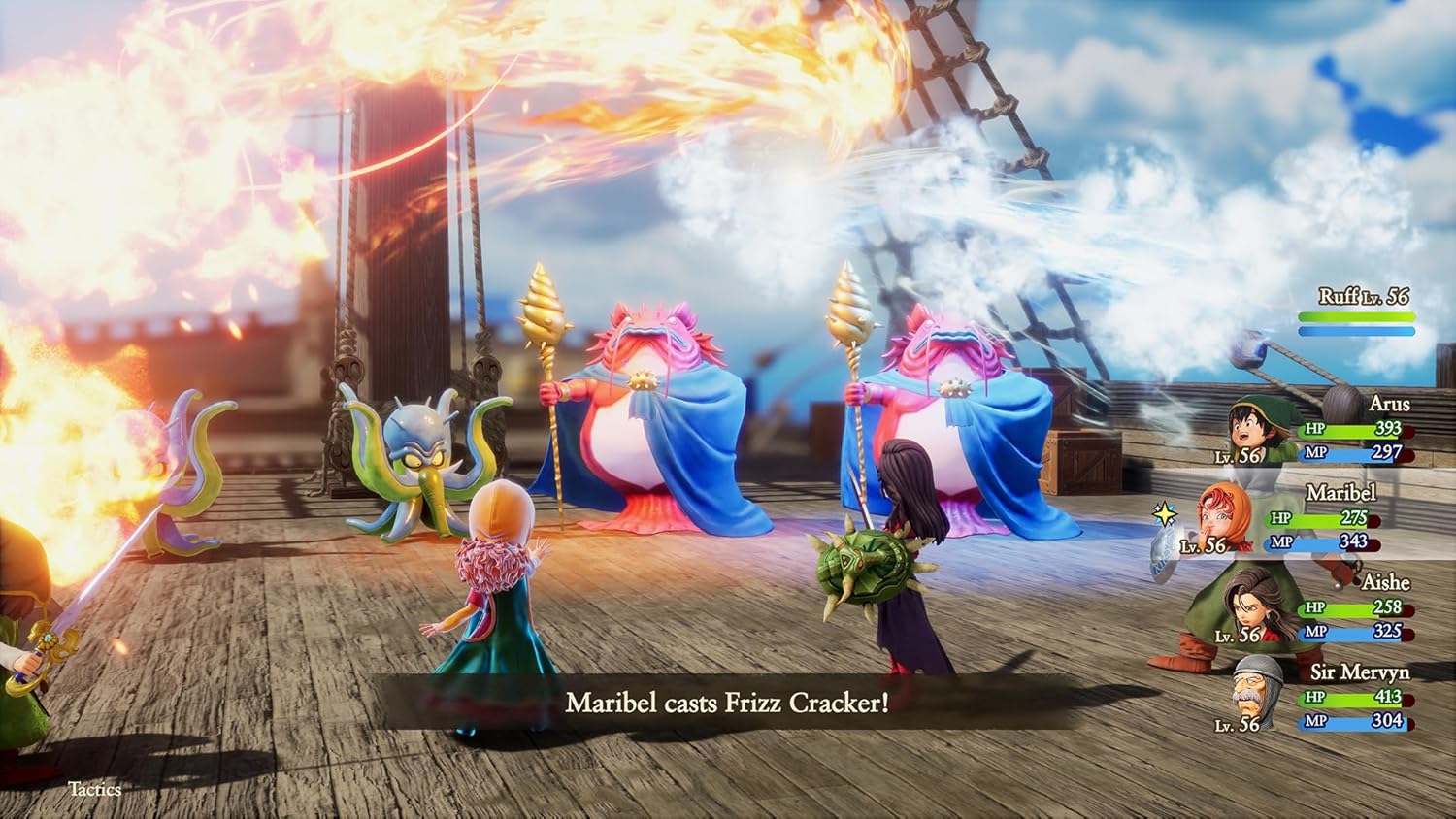
There are also some clearly modern touches to the gameplay rhythm. The battle system has changes including vocational perks, battle speed adjustments and an auto-battle feature. Depending on your tactics, battles can flow on without the usual interruptions between turns, and the game even allows pre-emptive strikes when a monster is weaker than your party.
And if you like flexible builds, the Moonlighting mechanic is a standout concept on paper: you can assign two vocations at the same time to draw from skills, magic spells and unique perks from both.
It’s not perfect—“streamlined” and “accessibility” can mean different things to different players. If you strongly prefer the original feel of older systems, you may find the combat changes a noticeable departure rather than a minor polish.
What you’ll notice day to day
Combat is where this reimagined version seems most intent on changing the day-to-day experience. Vocations bring distinct vocational perks, ranging from all-out attacks to options that support allies. Combined with battle speed adjustments and an auto-battle mode, it’s easier to keep momentum when you don’t want every fight to become a micro-management exercise.
A practical example: imagine you’re exploring an area, you spot weaker enemies, and you’re able to strike first and dispatch them instantly. That can cut down the “grind” feeling—especially if you’re primarily playing for story progress and exploration rather than hunting rare battles.
Where it shines
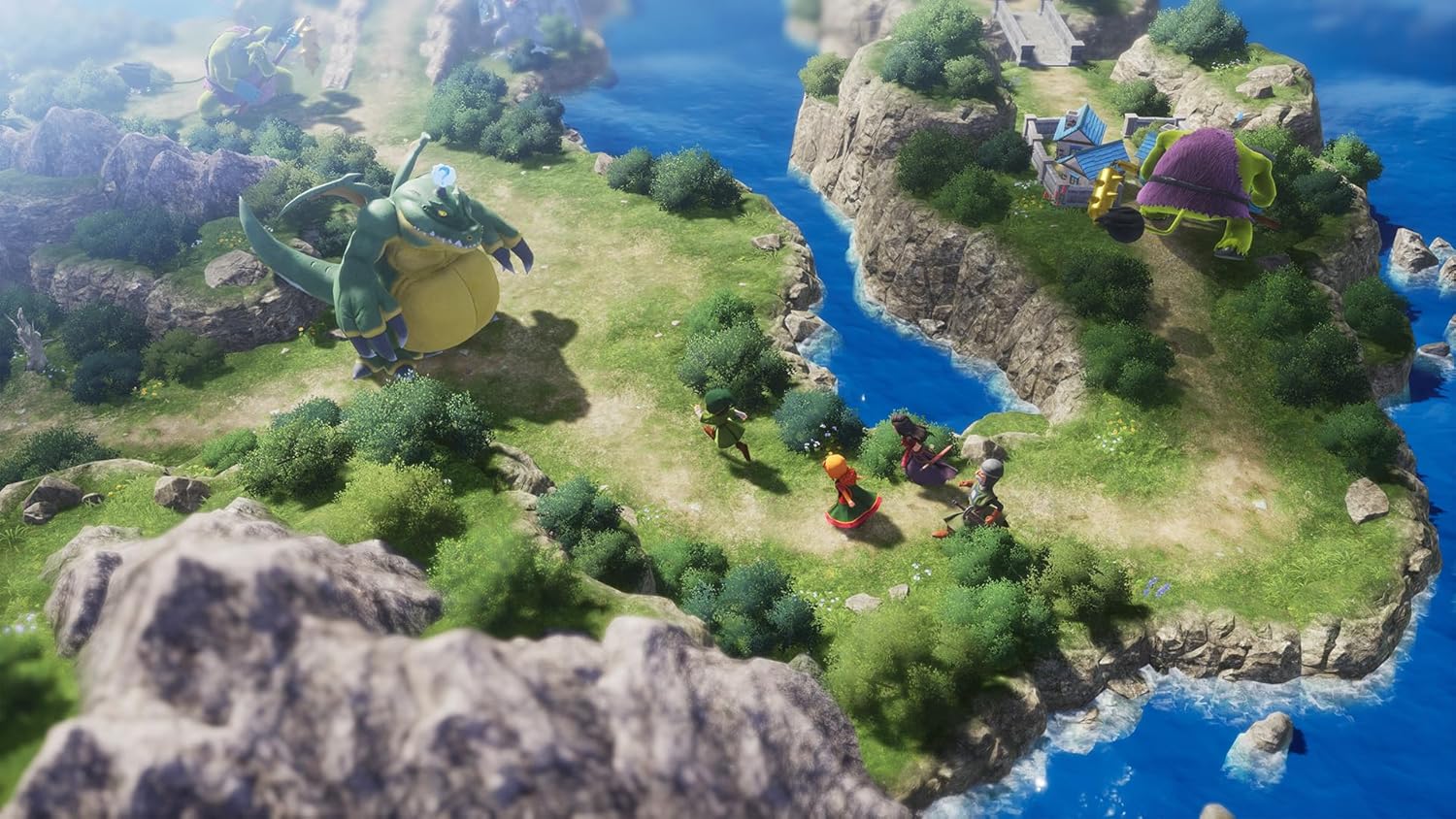
This is a strong pick if you want a classic RPG adventure with a more cinematic, friendly entry point. The diorama art approach is a genuine hook, and the vignette style may suit players who prefer story beats in digestible chunks.
It also makes sense if you like customisation through vocations and enjoy planning builds, because Moonlighting lets you combine two roles at once. On paper, that’s more variety than a single vocation setup.
What to double-check before you buy
Before committing, it’s worth checking your tolerance for “streamlined narrative” and the specific combat changes. The game’s battle system has “significant changes”, including an auto-battle feature and revised flow between turns, so players who want maximum manual control (or who dislike any automation) may want to think twice.
Also, since the story is told through vignettes with an overarching narrative, it may not appeal if you prefer long, continuous story chapters without the shift in structure.
Mini FAQ
FAQ
Is it a direct copy of the original Dragon Quest VII?
No—based on the description, it’s a reimagining with changes to narrative delivery and combat, plus additional mechanics like Moonlighting.
Does it include an auto-battle option?
Yes, the description specifically mentions an auto-battle feature, along with battle speed adjustments.
What’s the Moonlighting mechanic?
It’s a system that lets you assign two vocations at once to access skills, magic spells and unique perks from both.
What kind of story structure should I expect?
It’s told through a series of vignettes, supported by an overarching narrative.
When battles can move without interruptions?
The description says battles can progress without interruptions between each turn depending on the tactics selected for the protagonist and allies, so it’s tactic-dependent rather than always on.
Final verdict
Dragon Quest VII Reimagined is worth considering if you want a diorama-styled RPG adventure on Nintendo Switch, and you’re specifically looking for the comfort of revised combat pacing—vocational perks, speed adjustments, and auto-battle options—alongside a story that’s structured in vignettes but still connected.
You may want to skip it if you’re extremely attached to the feel of older turn-based Dragon Quest combat as-is, or if you dislike automation and prefer every decision to be fully manual. In that case, the “significant changes” to the battle system could be more than just a minor tweak.
Overall, if your goal is an accessible entry into a big, history-travelling quest—with the added flexibility of two vocations at once—this version looks like the one designed to keep you moving.