

Dragon Quest VII Reimagined for Nintendo Switch 2 – diorama art, streamlined story and updated battles
Product description
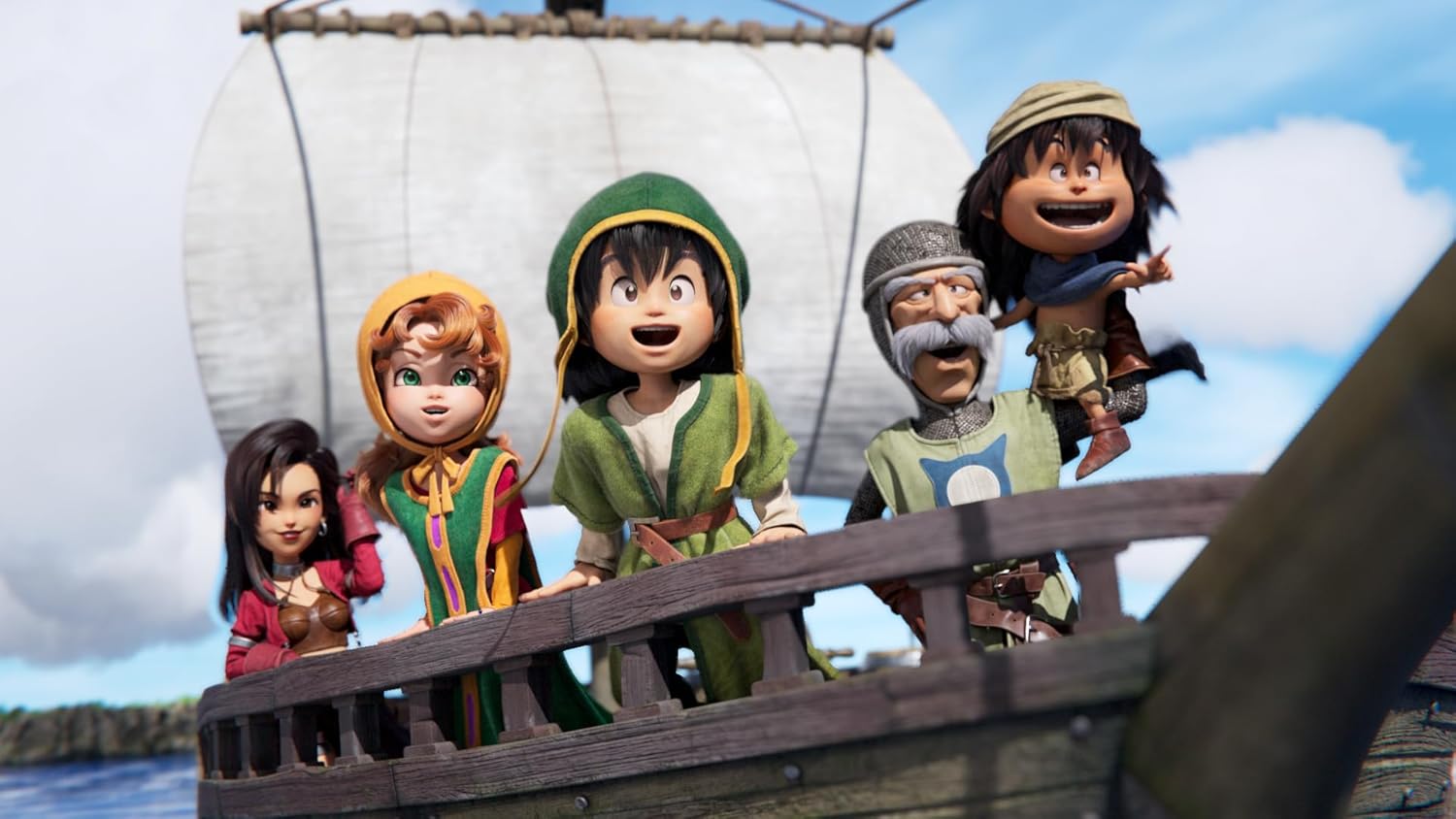
A beautifully staged adventure with a diorama feel
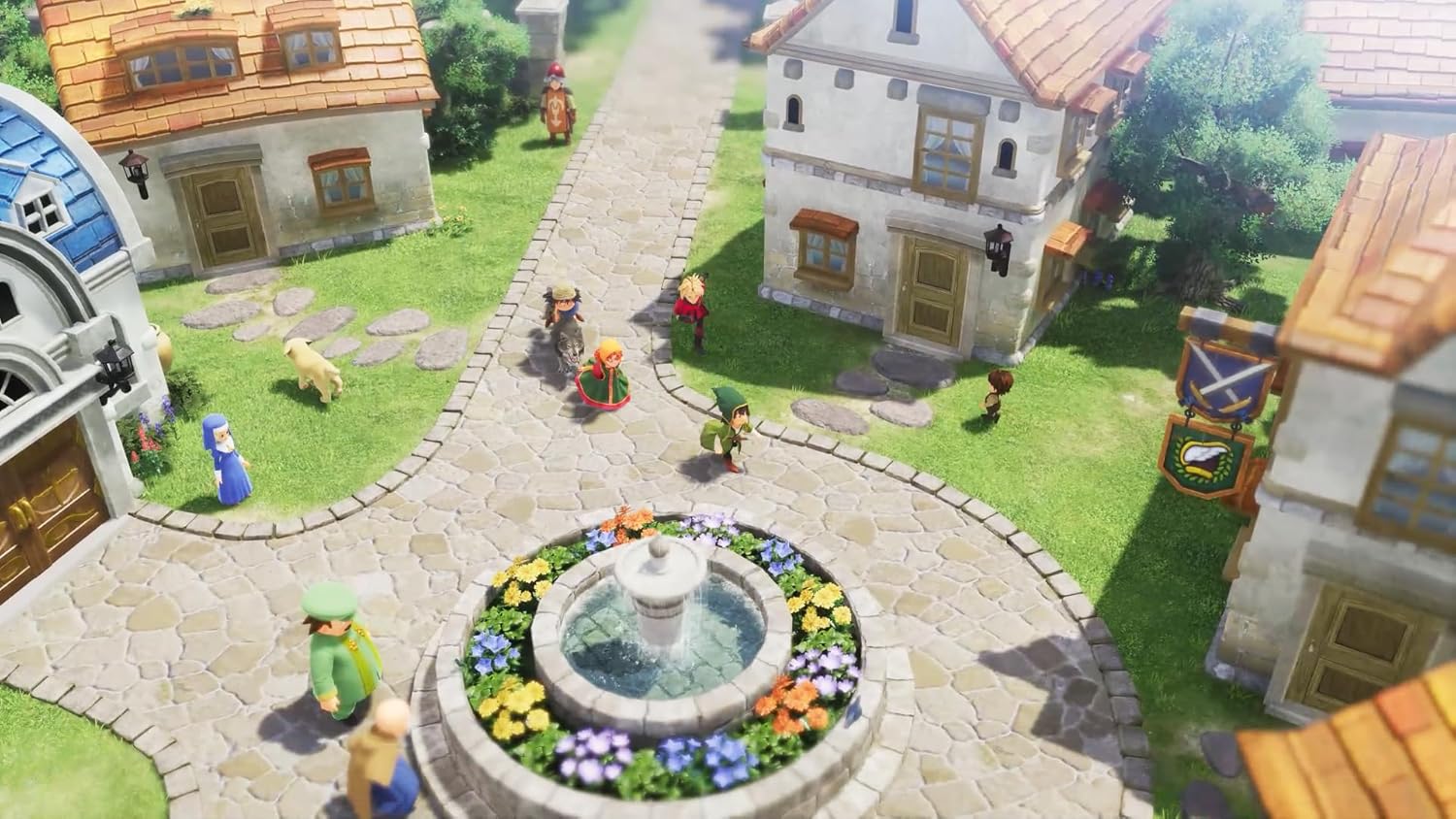
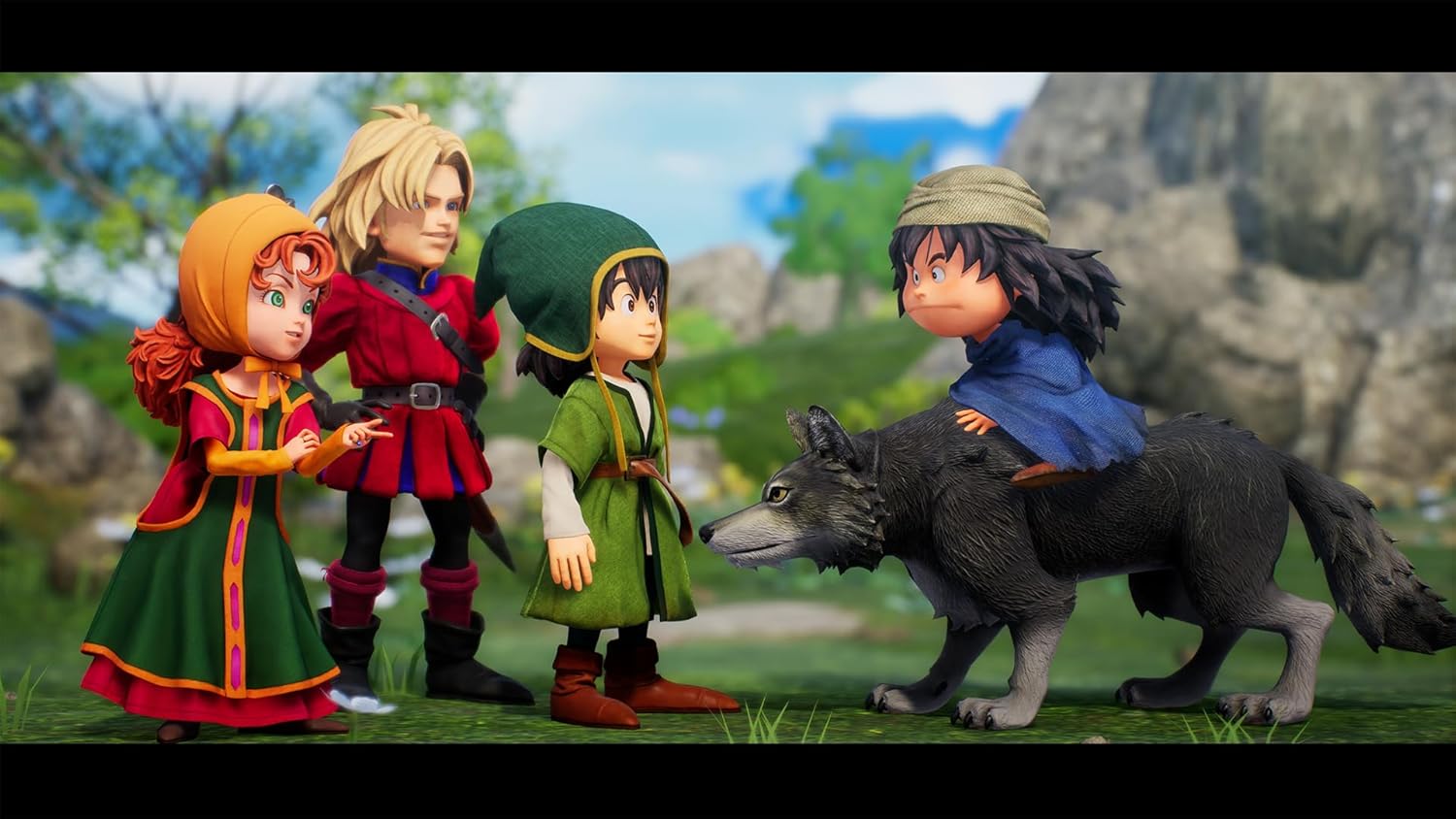
Dragon Quest VII Reimagined is a re-telling that leans hard into presentation. Instead of just moving through locations, you’re meant to feel like you’re exploring a living diorama: forests, towns, ancient ruins and whimsical monsters all come across as colourful, characterful scenes.
It’s the kind of approach that can make a familiar RPG style feel a bit fresher, especially if you enjoy stepping through environments and letting the game’s art direction carry some of the mood. Of course, it won’t suit everyone—if you mostly care about raw challenge or you’re after a more “serious” tone, the playful diorama vibe might not be your favourite part.
“Travel through history” via stone fragments and portals
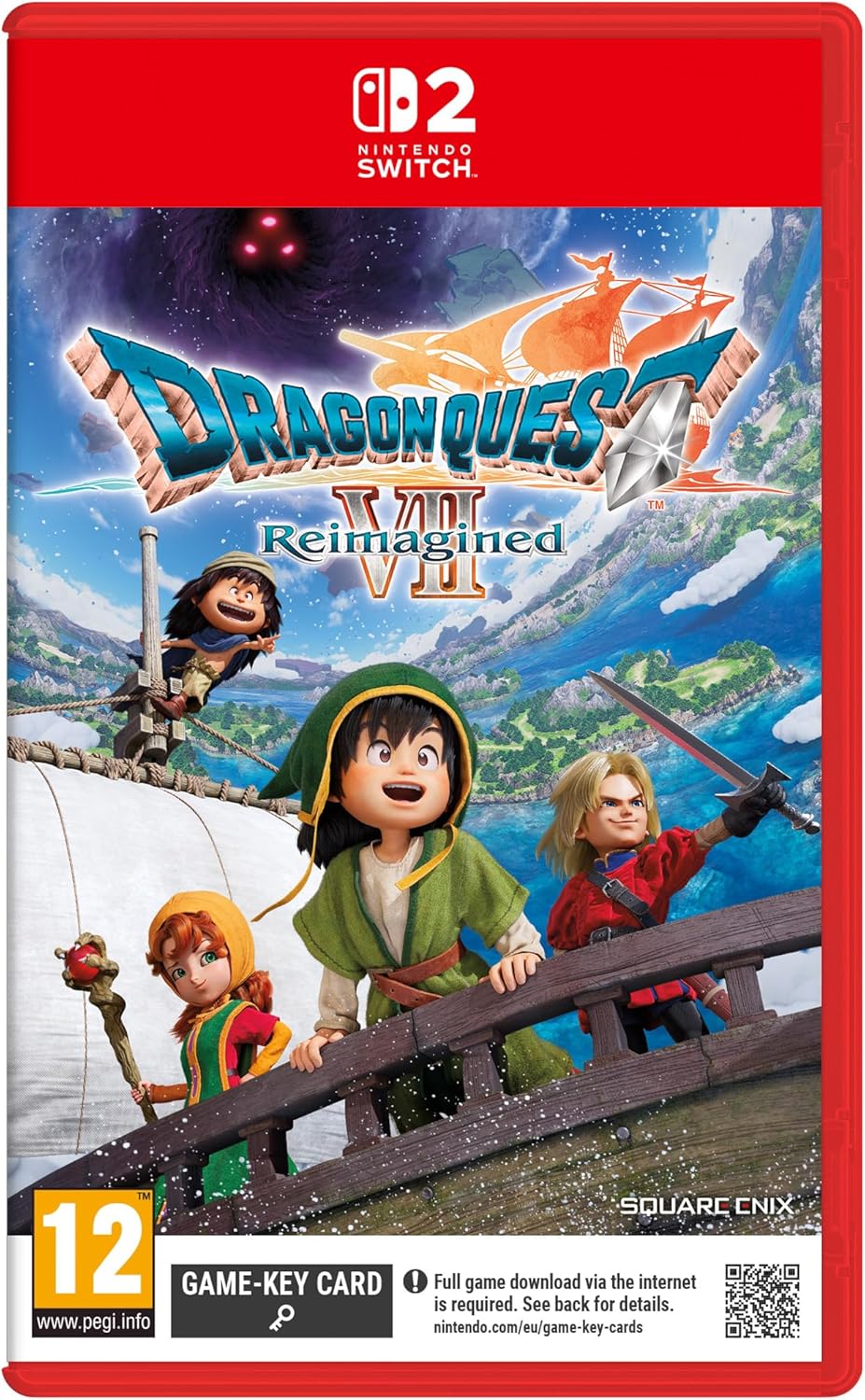
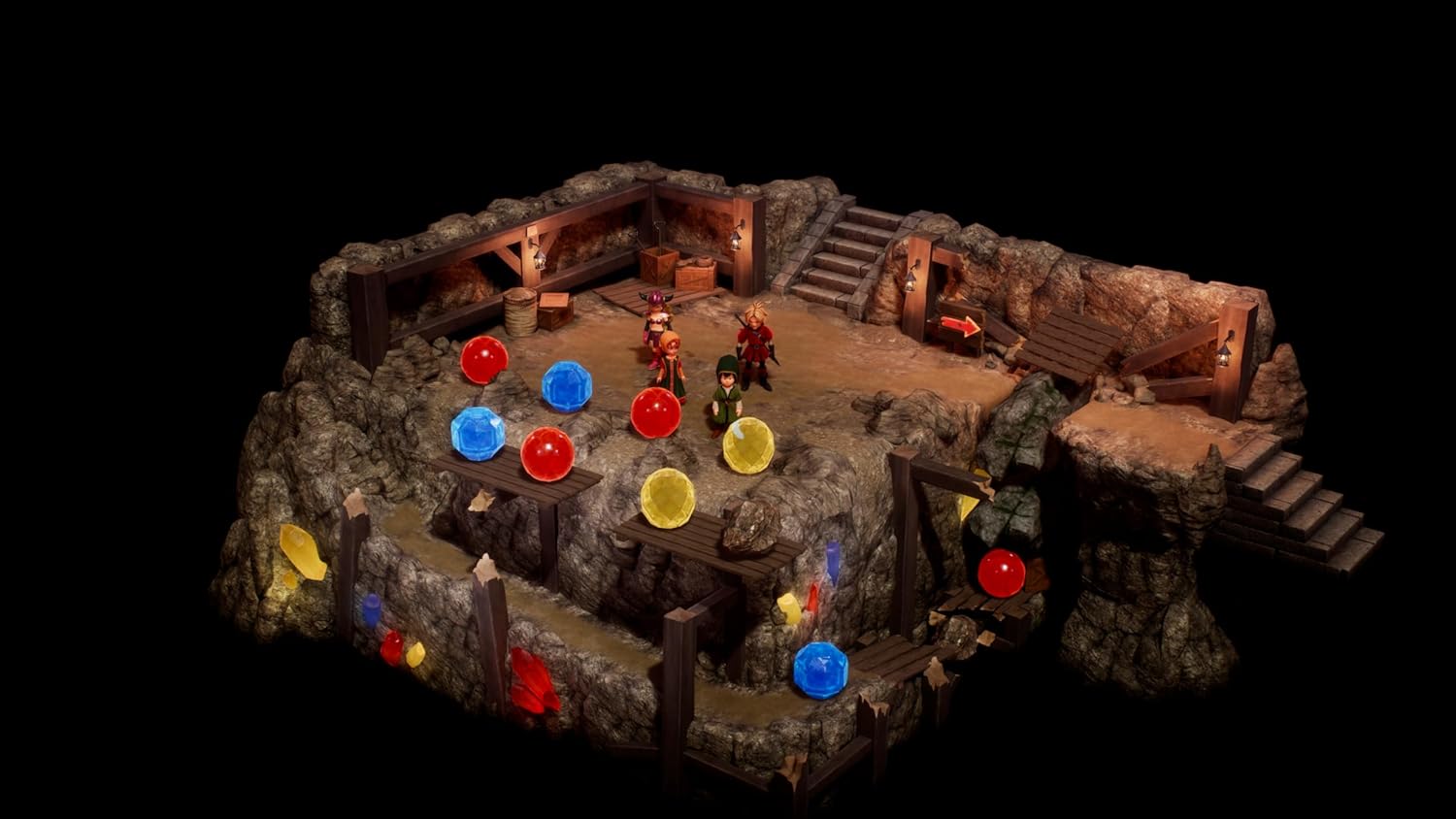
The story framing is built around scattered stone fragments that unlock portals to long-lost eras. In practice, this means the game nudges you toward solving mysteries across different time periods, restoring islands and making allies in the past to reshape what’s happening now.
It’s a setup that should appeal if you like RPG narratives that move in chapters and keep introducing new settings. The one limitation to keep in mind is that your enjoyment will depend on how much you value lore and scene-to-scene discovery—if you’re only interested in battles and minimal story, you may find the historical puzzle beats slow things down.
A streamlined narrative told through vignettes
Rather than presenting everything as one continuous flow, the game is described as being told through a series of vignettes, with an overarching narrative tying them together. Importantly for potential buyers, the main story is also said to be streamlined to make the journey more accessible.
So on paper, it’s aiming to feel welcoming for players who might be put off by a dense, sprawling structure. If you’re the type who loves getting lost in long-form storytelling, the “streamlined” approach can feel like it’s prioritising clarity over depth.
Combat you can tailor: vocations, perks and auto-battle
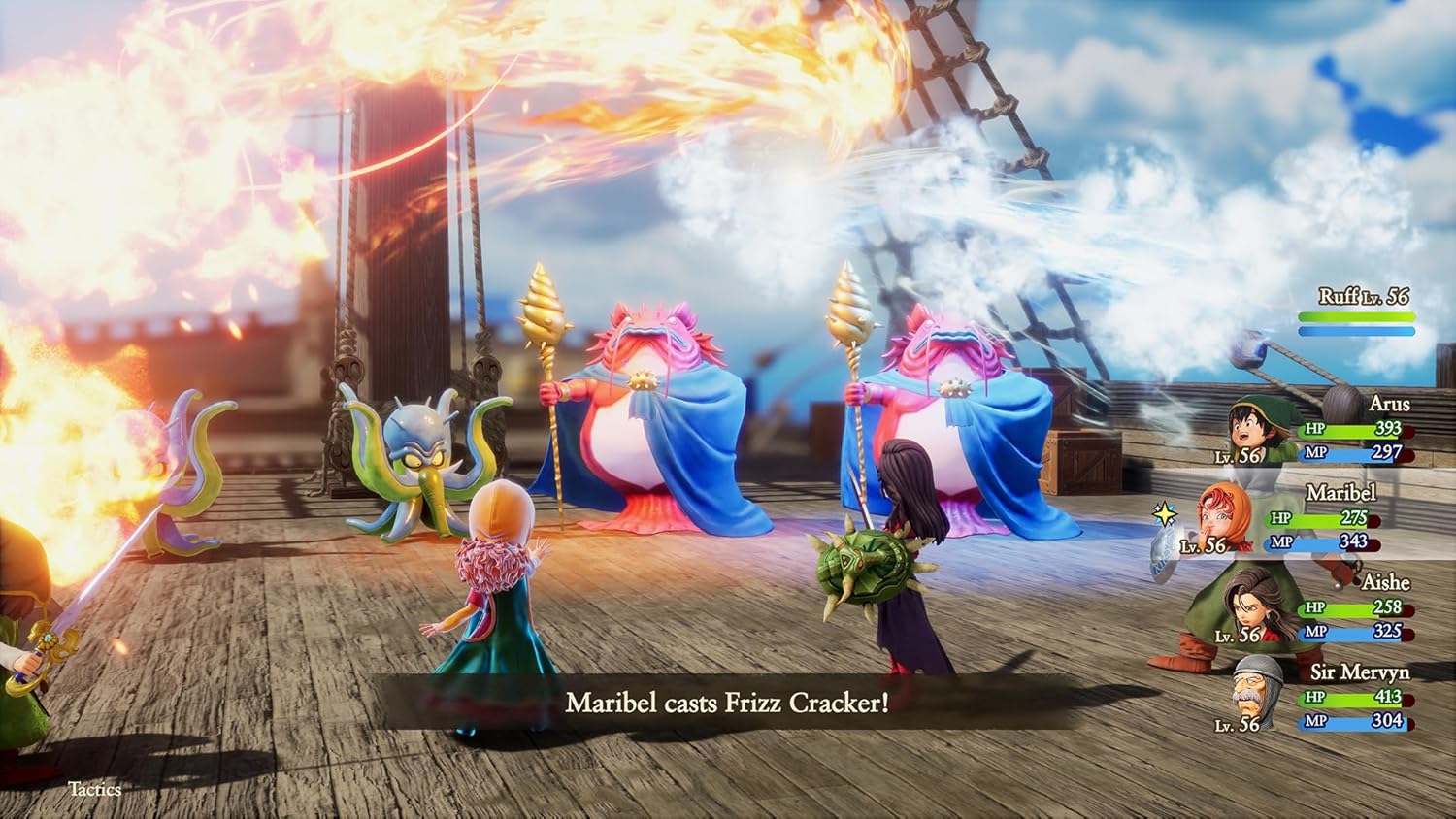
Combat has been updated in several practical ways. The battle system includes new vocational perks, with each vocation offering unique abilities—ranging from all-out attacks to options that support allies. There are also battle speed adjustments and an auto-battle feature.
One detail that stands out for everyday play is that battles can progress without interruptions between each turn, depending on the tactics you select for the protagonist and allies. If you like controlling your party more directly, you still get tactics-based choices. If you’d rather keep friction low while grinding or pushing through encounters, auto-battle and speed adjustments can do a lot of the work for you.
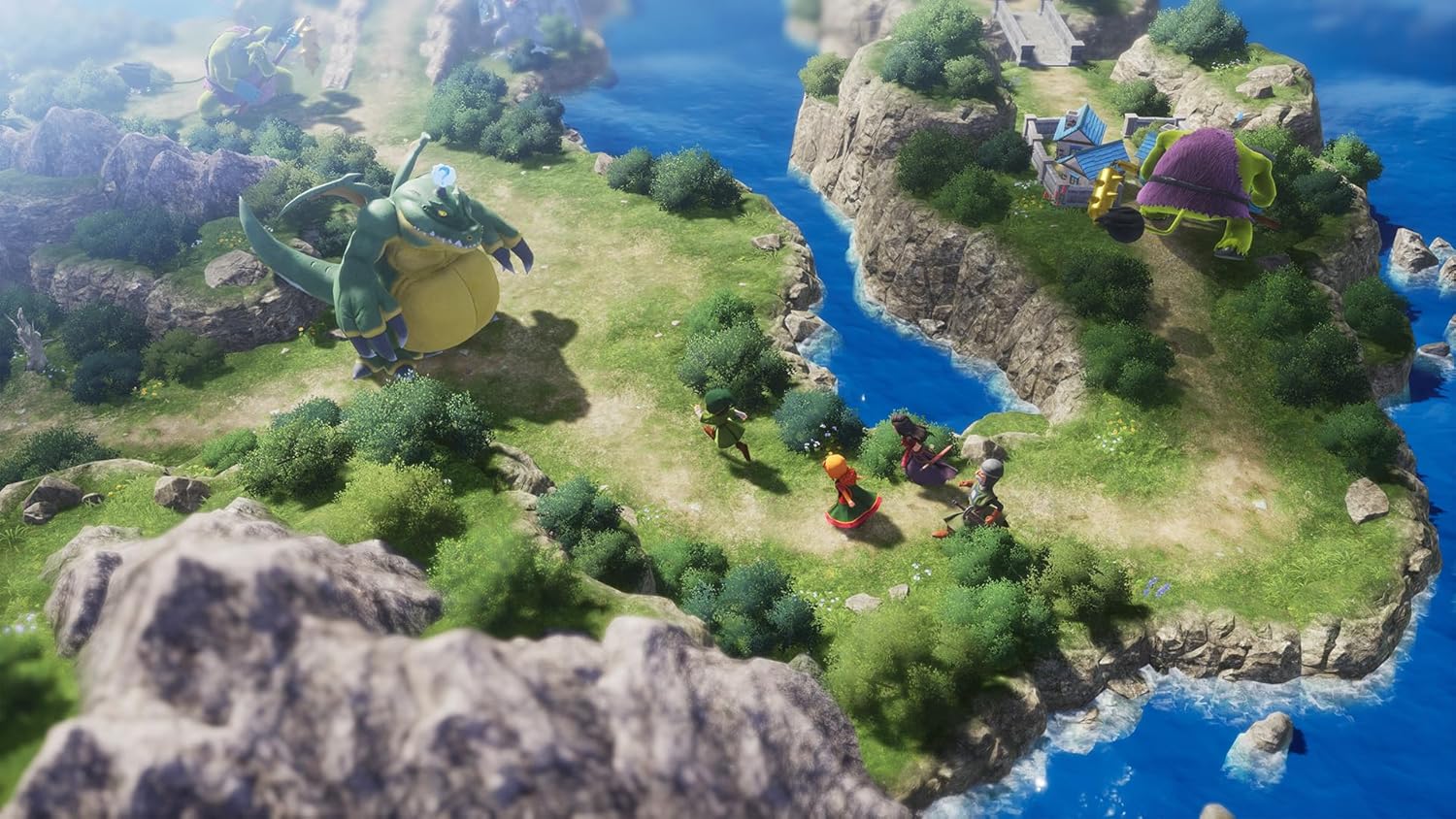
There’s also a field interaction: you can pre-emptively strike monsters, and if the monster is weaker than the party, it can be instantly defeated. That’s the sort of “small but meaningful” quality-of-life feature—less waiting, fewer drawn-out fights—though obviously instant wins will only happen when enemies are weaker than your group.
The Moonlighting mechanic: use two vocations at once
A major system hook is Moonlighting. The idea is straightforward: assign two vocations at once to gain access to skills, magic spells and unique perks from both.
This is the sort of mechanic that can significantly change how you plan a build. You’re not locked into one path, you’re combining strengths, blending offensive and supportive options, and responding to situations with a wider toolkit.
That said, it may also be a learning curve if you prefer simpler, single-role party setups. If you’re the type who likes clean specialisation, you might find the “two vocations” approach a bit more complex than you want.
What’s worth checking before you buy
Before committing, it’s worth thinking about what you’ll actually spend your time doing:
- If you like enjoying environments and character-driven scenes, the diorama art style is likely to be a big part of the appeal.
- If you want a more accessible version of the story, the streamlined narrative and vignette structure could work well.
- If you don’t want to micromanage battles, the auto-battle option and battle speed adjustments are directly relevant.
The one thing the provided details don’t confirm is how deep the game feels compared to more traditional, slower-paced RPG pacing—so if you’re very picky about how much “streamlining” can change an RPG, it’s sensible to check additional player impressions once you can.
Mini FAQ
Is Dragon Quest VII Reimagined told as a single continuous storyline?
It’s described as being told through vignettes with an overarching narrative, so it’s not only one continuous flow.
What helps with accessibility during battles?
Battle speed adjustments and an auto-battle feature are mentioned, along with tactics-based progression between turns.
What does Moonlighting actually change?
With two vocations assigned at once, you access skills, magic spells and unique perks from both.
Can you avoid some encounters?
The game includes pre-emptive striking on the field, and weaker monsters can be instantly defeated, which should reduce interruptions when you’re strong enough.
Should you buy it?
If you want an RPG experience where the story is organised into vignettes, the combat has been reworked with vocations and perks, and you’d like optional convenience via auto-battle and speed controls, Dragon Quest VII Reimagined is a strong fit. The Moonlighting system also suggests real build flexibility for players who enjoy experimenting.
It may not be the best match if you dislike streamlined storytelling, prefer slower, more uninterrupted combat pacing, or you prefer straightforward single-role party builds without juggling two vocations. In short: it’s a good choice if you’re after an adventure that feels staged and lively, with battles you can tune to your patience level rather than fighting the game’s pace every time.