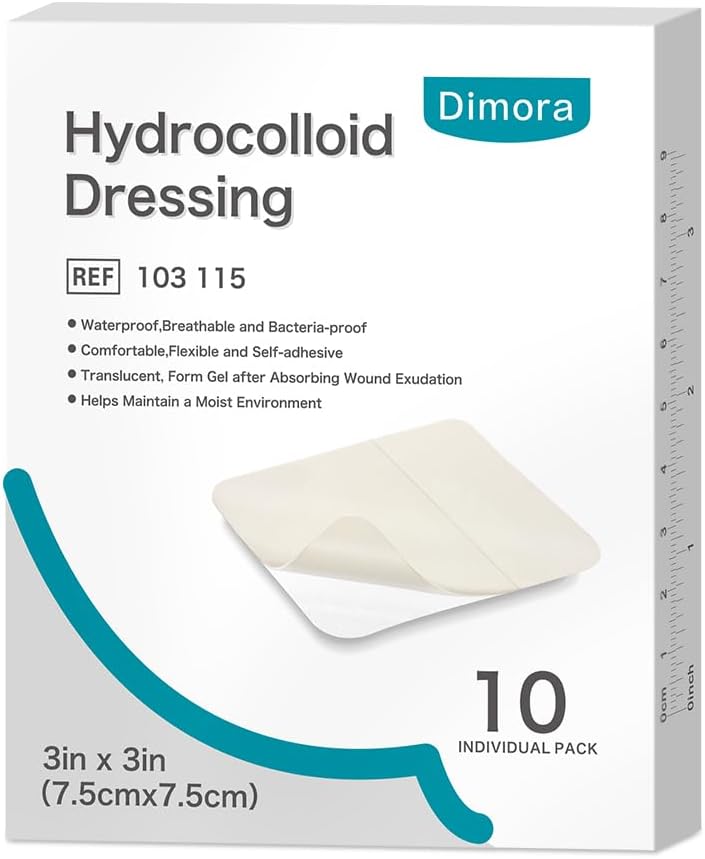
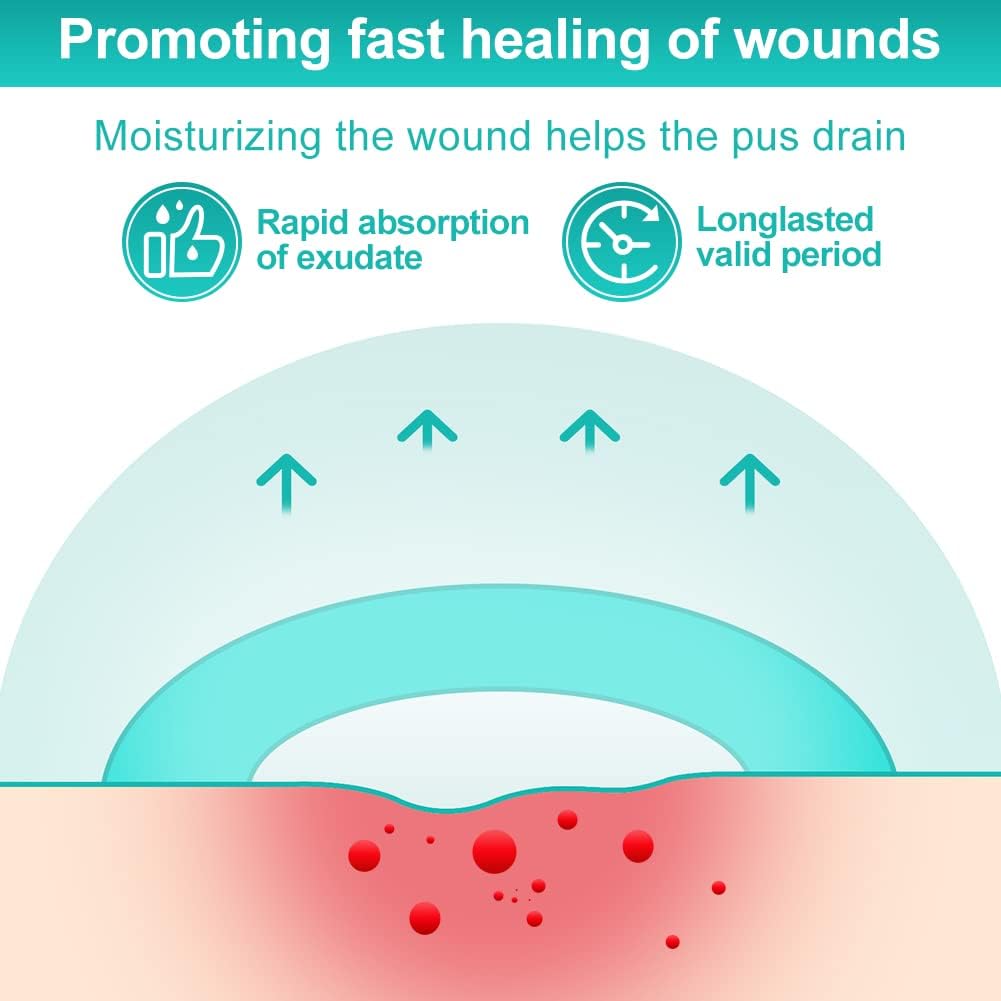
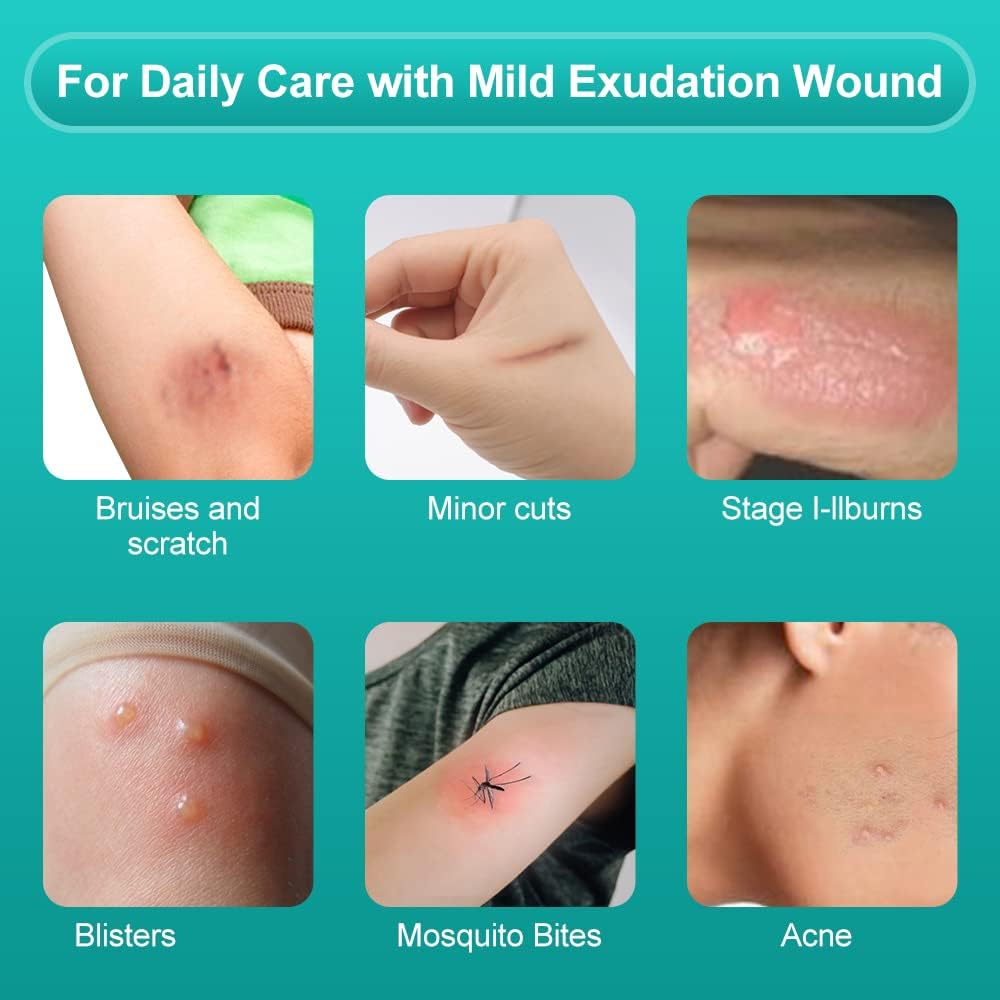
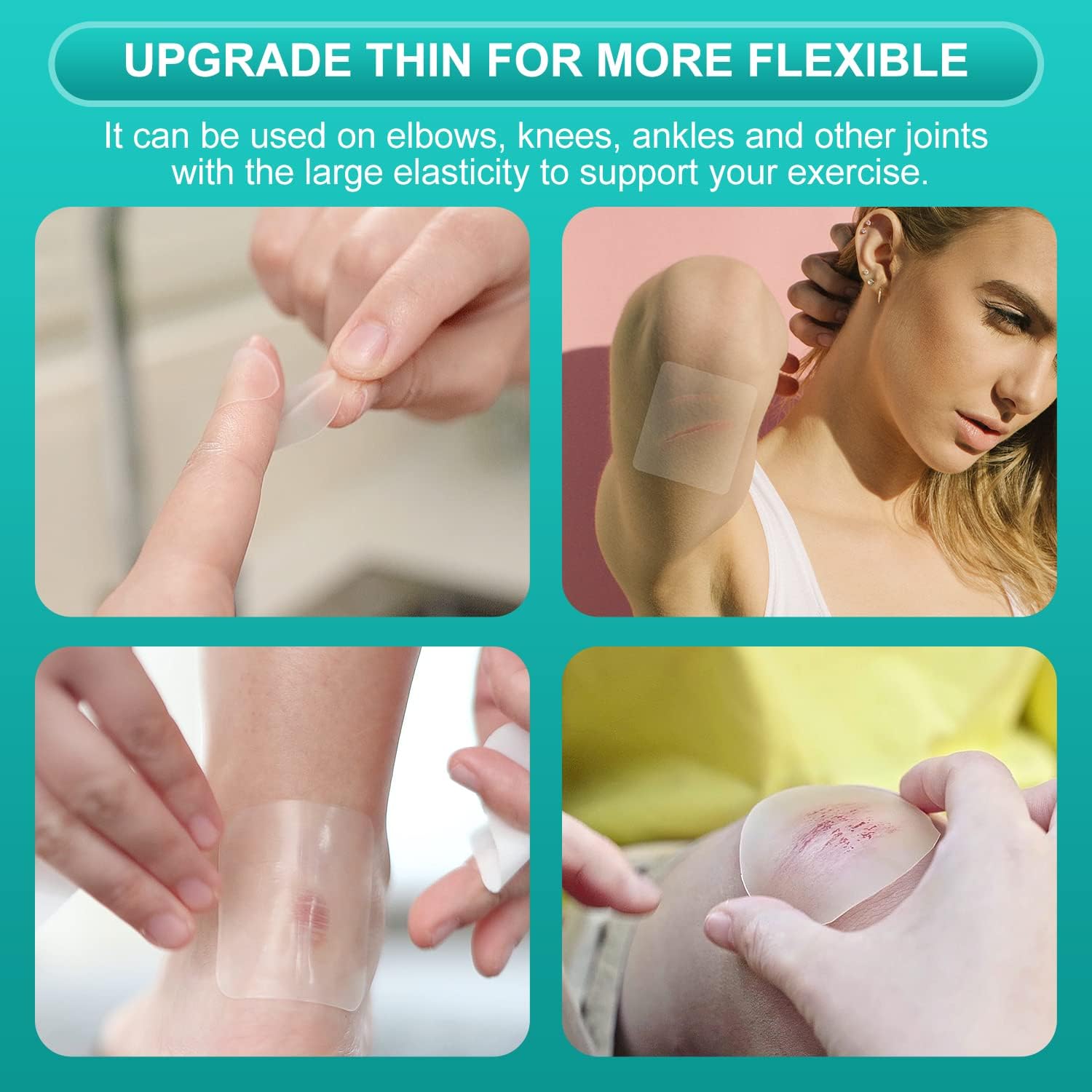
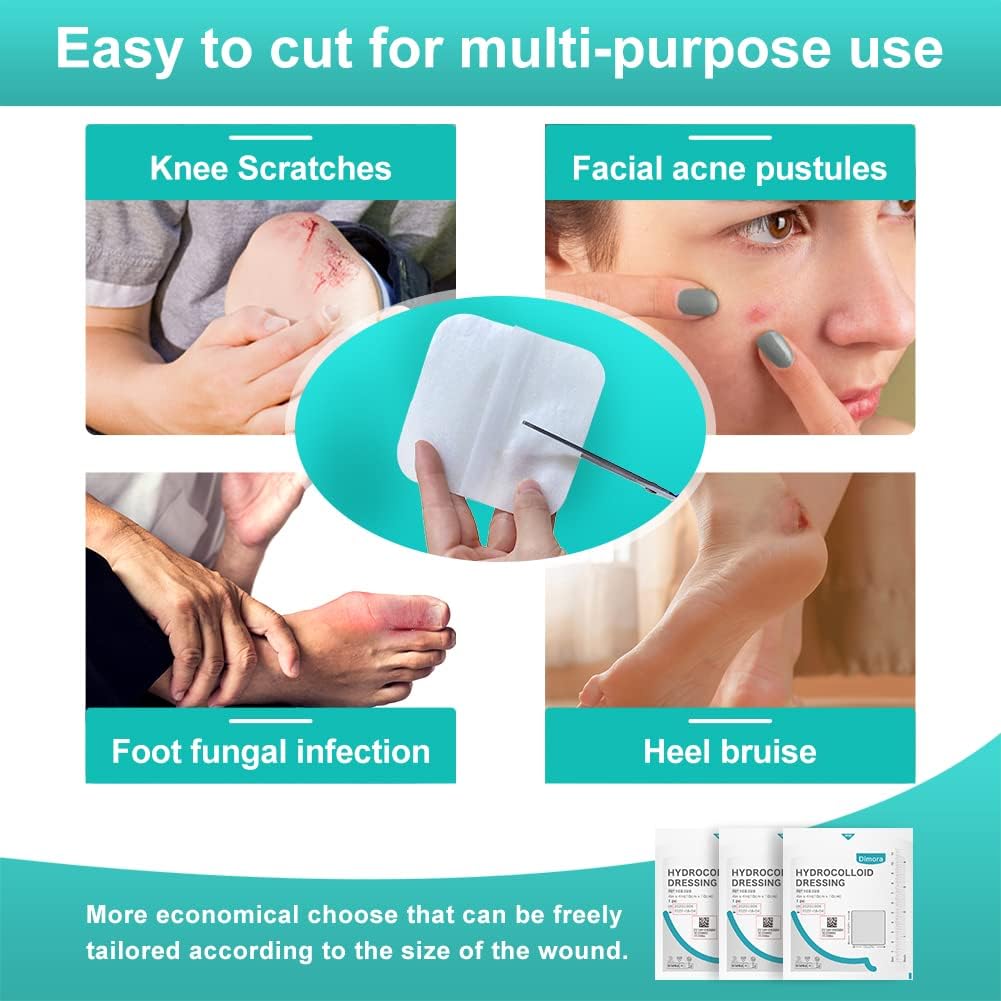
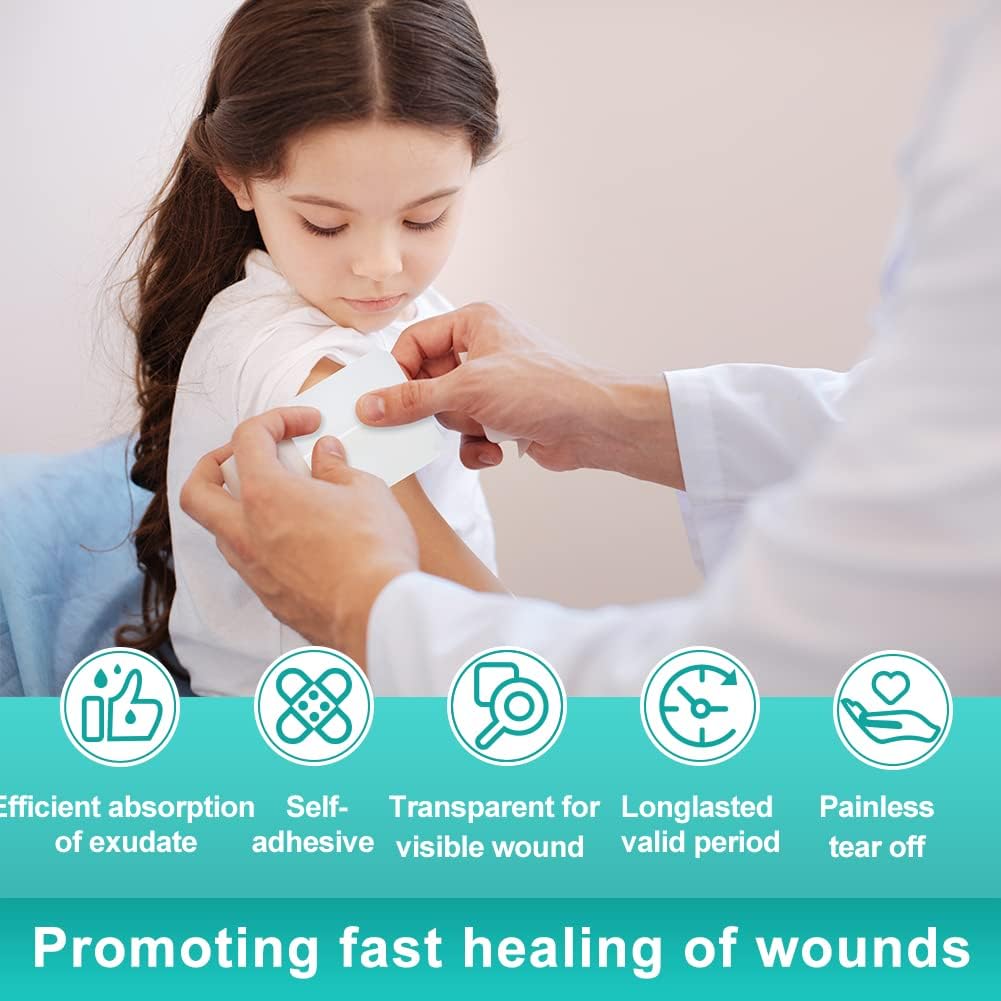
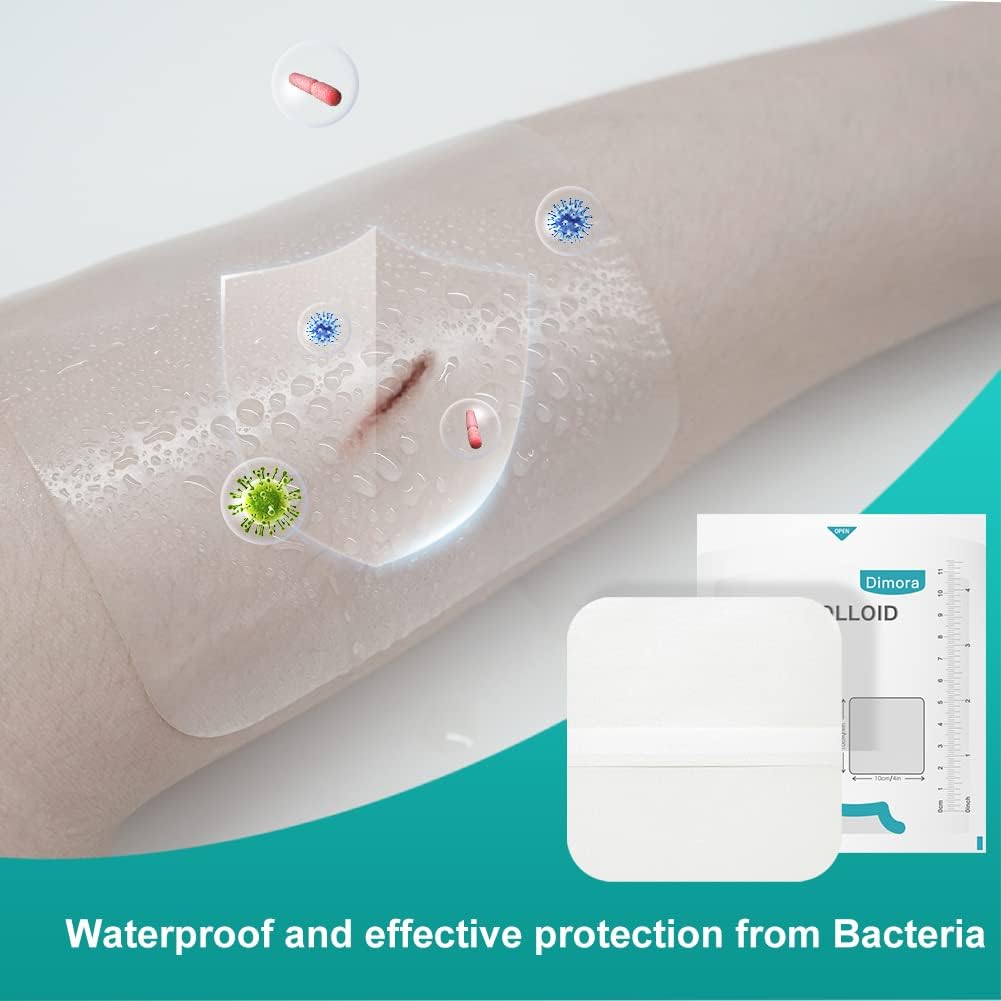
What it is and what it’s for\nDimora Hydrocolloid Dressing is a waterproof, self-adhesive wound patch designed to protect burns, cuts, blisters and other minor injuries. The dressing aims to keep the wound clean and dry while supporting a moist healing environment, without the need for frequent changes. It’s latex-free and described as gentle for sensitive skin, with a transparent, ultra-thin material that lets you watch healing progress without removing the patch.\n\n## How it works\nUsing hydrocolloid technology, the dressing maintains a moist wound environment to support healing, while its waterproof and dirt-proof seal helps protect the area during daily activities, including showers. The patch is designed to be cut to fit irregular shapes and can be joined with other pieces to cover larger areas if needed.\n\n## What to consider before buying\nOn the surface, the patch prioritises visibility and convenience: you can monitor healing without disturbing the wound. However, as with any hydrocolloid dressing, it relies on an adequate seal around the edges, so ensure the surrounding skin is clean and dry for best adhesion. The product is latex-free, which is a plus for sensitive skin, but it may not be suitable for everyone if you have specific allergy considerations beyond latex.\n\n## Pros and potential limits\nYou’ll likely notice that the dressing stays in place through normal activities and water exposure, reducing the need for frequent replacement. A potential limitation is that, being transparent and thin, it may show the wound status more than a opaque plaster would, which could be unsettling for first-time users. It’s also important to cut and apply it carefully to maintain the seal.\n\n## Who it’s for\nThis dressing is suitable for those seeking a discreet, flexible option for small to moderately sized wounds on joints or contoured areas such as knees, elbows and heels. It’s particularly appealing if you prefer not to remove patches frequently to check progress, or if latex sensitivity is a concern.\n\n## When it makes sense to buy\nIf you want a low-friction, waterproof dressing that’s easy to apply, adjustable in size, and gentle on sensitive skin, this could be a practical addition to a home first aid kit. It’s also a pragmatic choice for anyone who values ongoing visibility of wound progress without repeated dressing changes.\n\n## What to check before purchasing\nConfirm the patch size (7.5 cm x 7.5 cm) and thickness (0.3 mm) to ensure it covers the intended wound area. Consider whether you might need multiple patches for larger areas or irregular shapes, and check skin around the wound for any irritation after initial use.\n\n## Practical example of use\nA small burn on the forearm or a blister on the heel could be covered with a cut-to-fit piece, then left in place during a shower. The transparent material keeps an eye on healing, while the waterproof seal helps avoid daily dressing changes.\n\n## Alternatives in context\nIf you prefer a non-hydrocolloid approach or need a more opaque patch, other plasters might offer different aesthetics or ease of removal. For larger wounds or frequent dressing changes, considering multiple patches or a different wound-care strategy could be sensible.\n\n## FAQ\n- Is it suitable for sensitive skin? Yes, the patch is described as latex-free and gentle, though individual skin reactions can vary.\n- Can it stay on during a shower? Yes, it’s designed to be waterproof and maintain adhesion.\n- Can I wear it on joints? The patch is flexible and can be cut to fit curved areas like knees or elbows.\n\n## Should you buy it?\nFinal check: if the priority is a transparent, waterproof, self-adhesive hydrocolloid dressing that’s easy to tailor to irregular shapes and you value wound visibility, this Dimora option is worth considering. A prudent approach is to start with a single pack to gauge fit and skin reaction before expanding usage.