

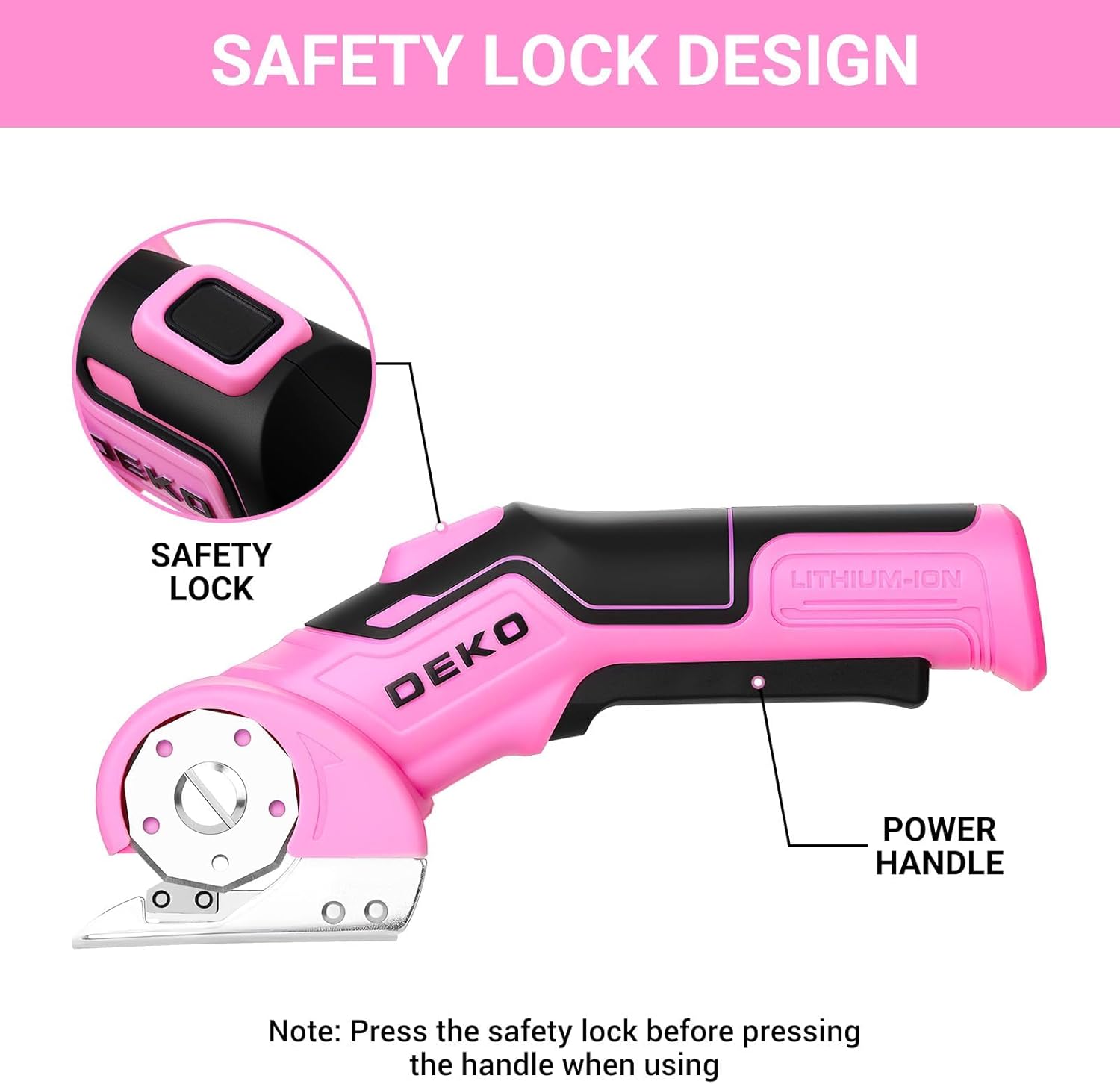
DEKOPRO Rechargeable Electric Box Cutter with 2 Blades (Type-C Charging, LED, Safety Lock)
Product description
What it is and where it fits
A rechargeable electric box cutter is one of those tools you only really appreciate after using a traditional blade for a while. The DEKOPRO model is a cordless, two-blade cutter designed to make shorter work of packaging and sheet-style materials, while building in a safety lock so the blade can’t be triggered by accident.
On paper, it’s aimed at people doing a lot of cutting that’s too frequent to justify stopping and re-loading a manual cutter each time. That could be DIY jobs, light workshop use, or regular parcel/unpacking prep—particularly where you want cleaner, more consistent edges than you typically get with a basic craft knife.
The cutting performance, in practical terms
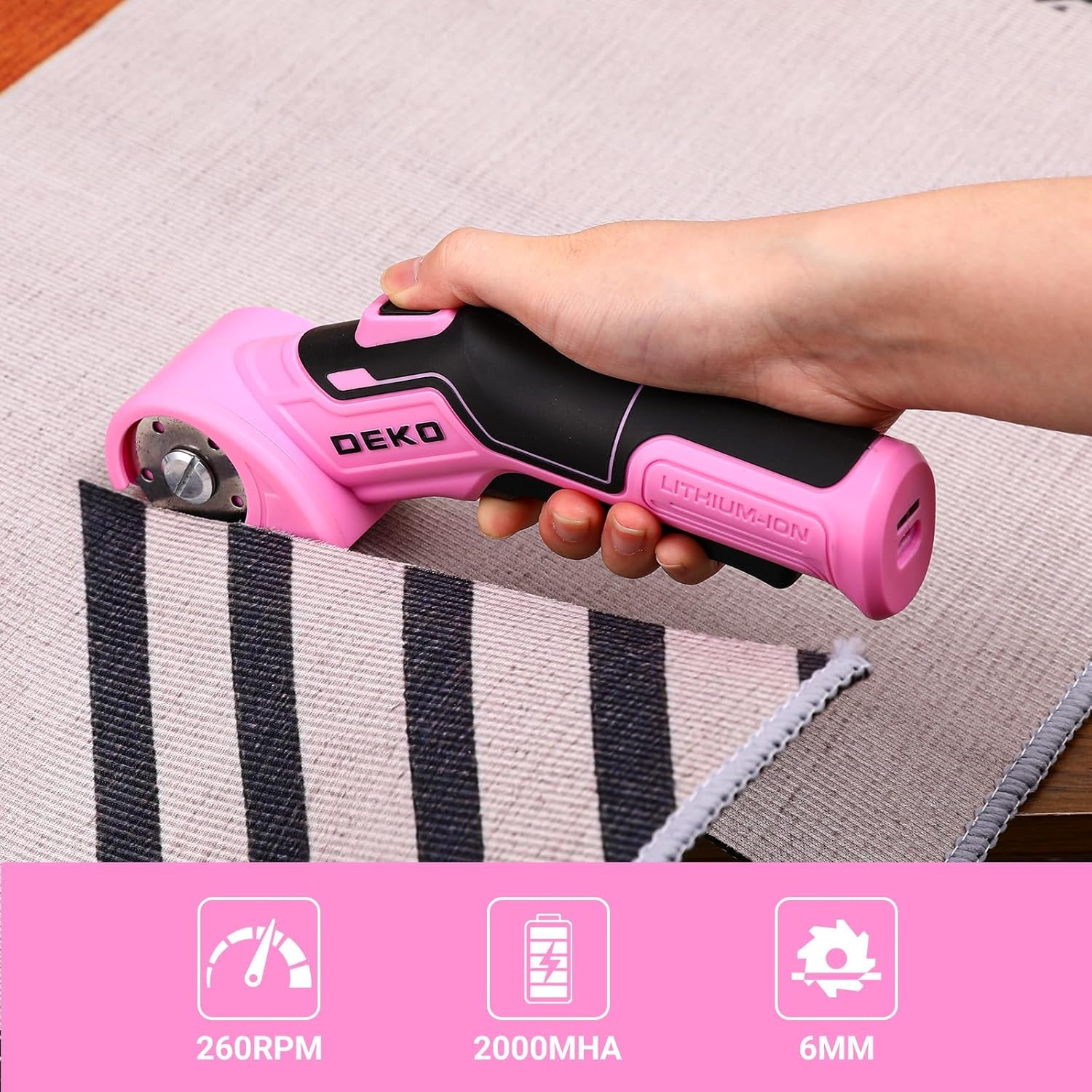
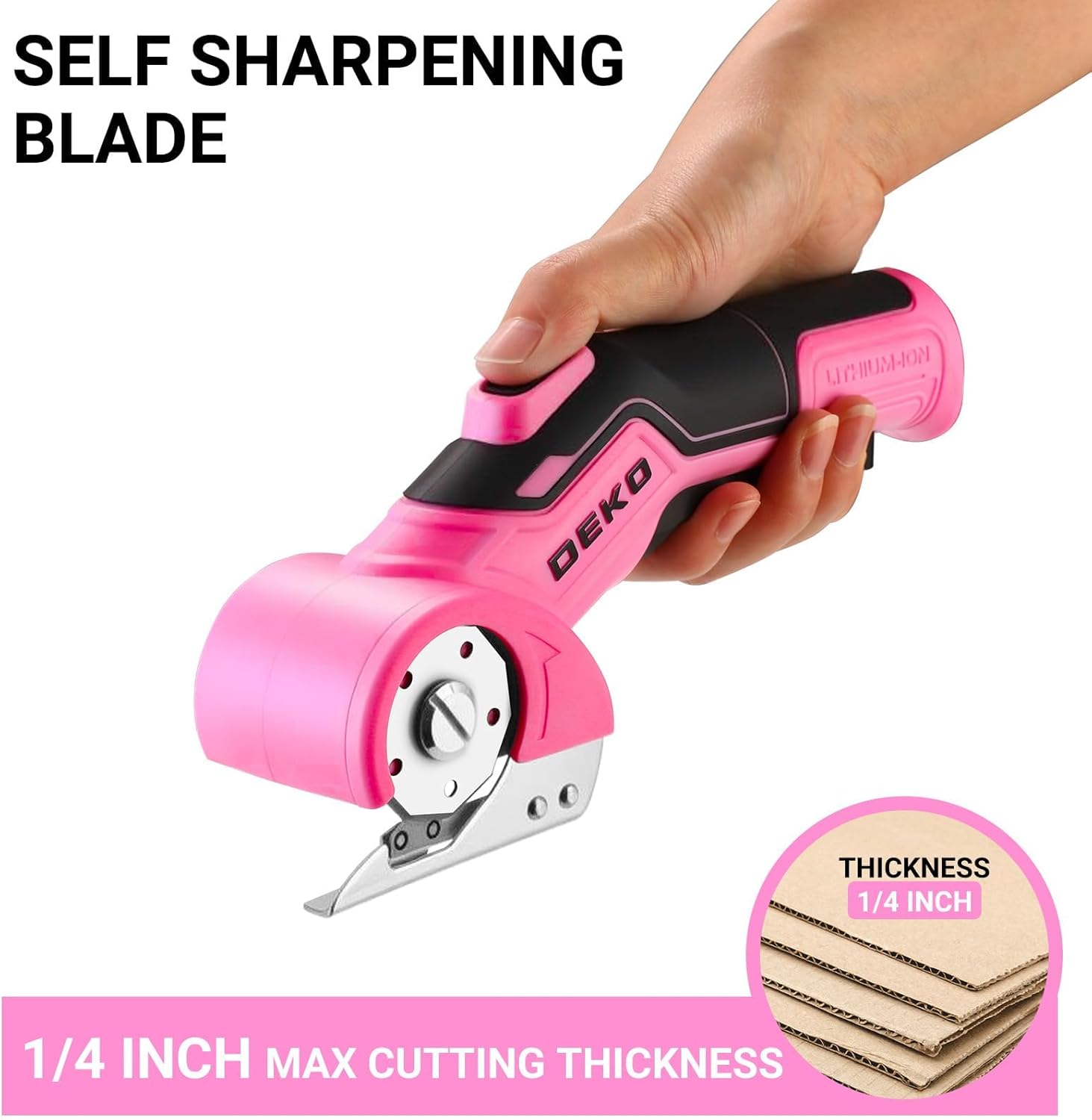
The key selling point here is the dual-blade setup driven by a 260 rpm motor, paired with rotating blades meant to produce a neat cut line. The materials list is fairly specific, which helps with expectations:
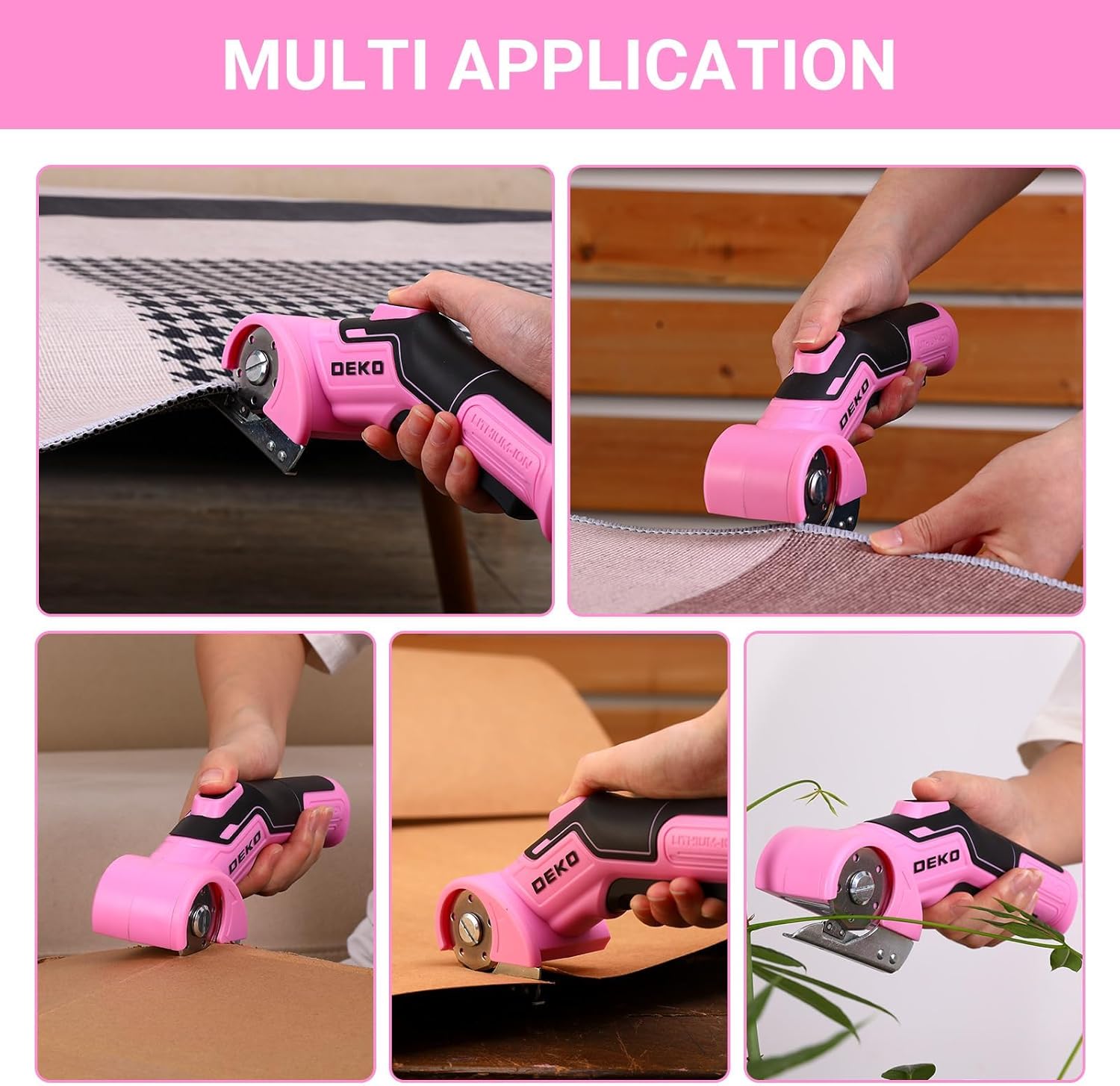
- Carpet
- PVC (up to 3mm thick)
- Cardboard (up to 1.5mm thick)
- Thin aluminium sheets (0.4mm thick)
The limitation is obvious: if your material is thicker, denser, or just outside those ranges, the tool may feel like it’s working harder than it needs to. So it’s not a “cut anything” gadget—more a targeted electric cutter for common flat/board-like jobs.
If you’re processing cardboard regularly, there’s a real day-to-day difference with an electric approach: you can guide the cutter along a marked line without the same amount of finger pressure you’d use on a manual blade. For example, cutting down a flattened box liner or trimming cardboard panels for packaging can be quicker and more controlled.
Safety lock and why it matters
This cutter includes a mandatory safety lock that must be disengaged before triggering the blade. That’s a sensible feature for a cordless cutting tool, where accidental starts are exactly the kind of thing you want to avoid.
It’s also the sort of design choice that makes this feel more practical for shared spaces—workbenches, garages, or households—where tools sometimes get picked up without full attention.
Ergonomics, weight, and feel in hand
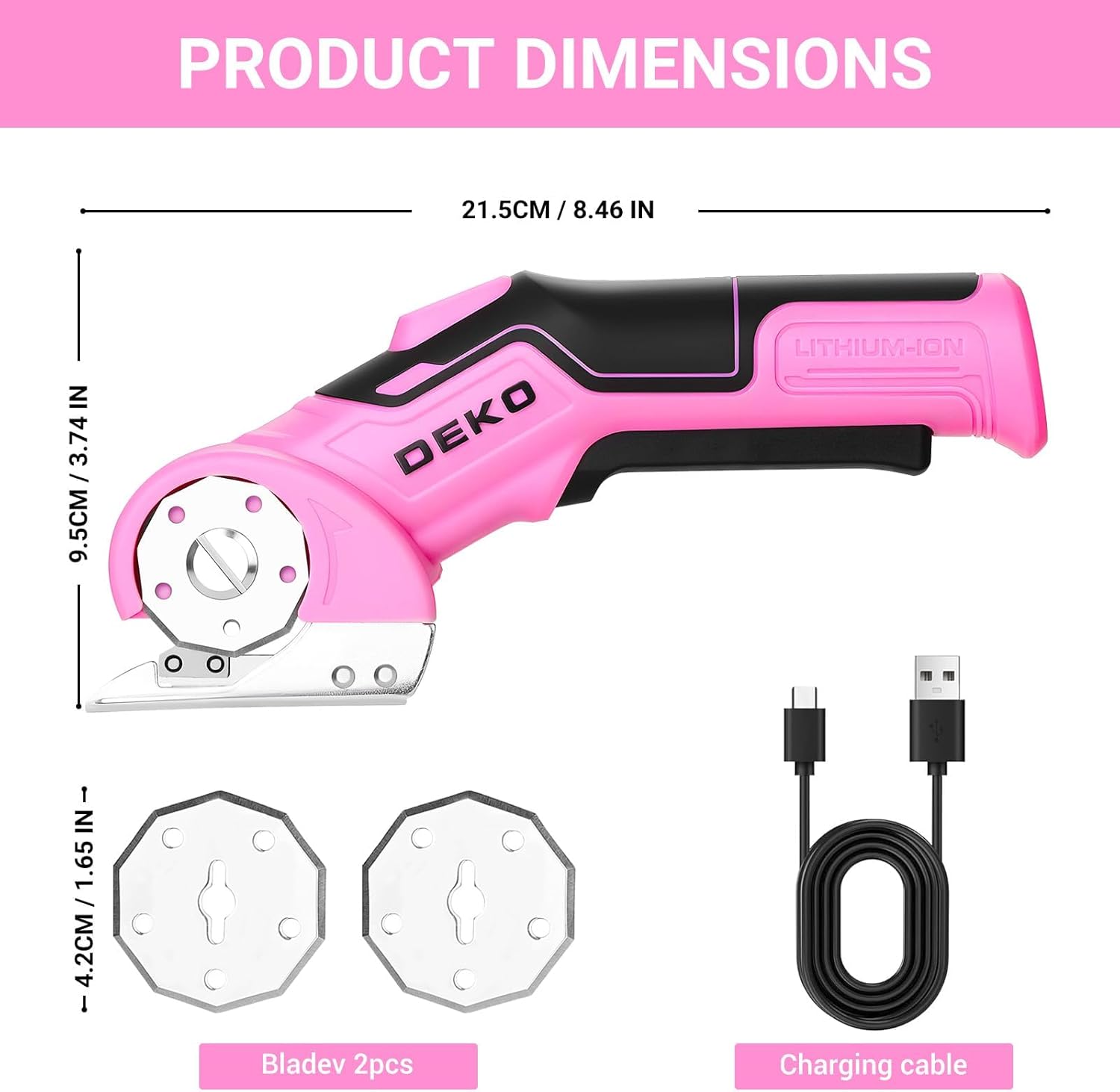
At 0.39kg, it’s relatively lightweight for a battery-powered cutter. The handle is described as ergonomic and designed to reduce slippage, which matters because cutting tools tend to be used with a steady grip.
Weight is not everything, though. If you’re used to a compact manual cutter, you may notice this electric tool takes a slightly different grip and stance to control direction—especially at the start of a cut.
Battery, USB-C charging, and run time
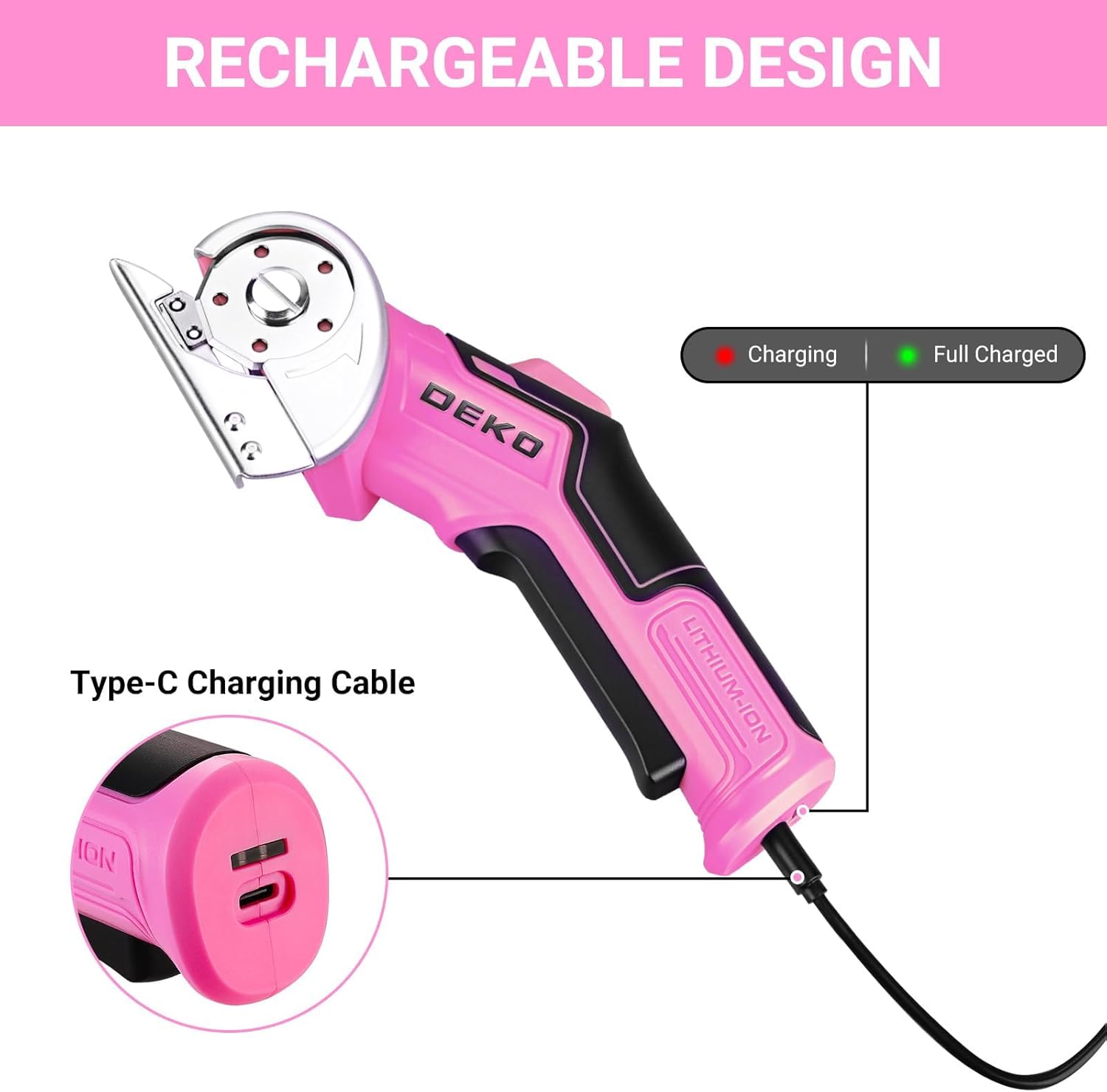
The battery is a 3.7V/2.0Ah Li-ion pack, recharged via USB-C (cable included). The claimed run time is 45+ minutes, which—based on the stated use cases—should be enough for a good session of trimming and box cutting before you need to top up.
It’s worth keeping in mind that run time can vary with material type and how thick you push it within the listed limits. So if you expect continuous heavy cutting, plan for occasional recharging rather than assuming the top-end runtime will always hold.
What you get, and what to check before buying
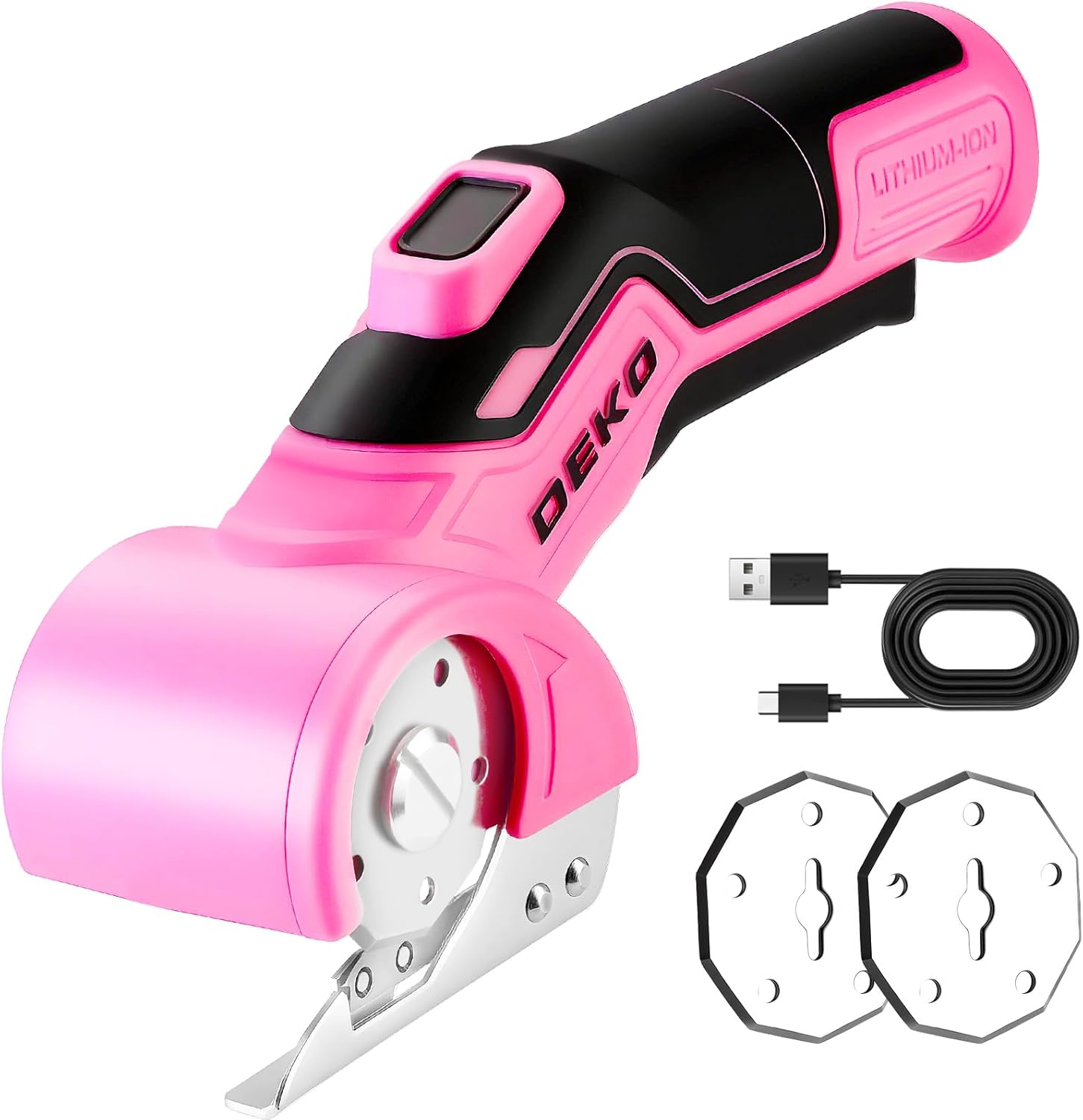
In the box, you get the cordless electric scissors/cutter, a large replacement blade, and a USB charging cable.
Before you buy, it’s sensible to check two things:
- Material thickness: the spec-style limits (cardboard up to 1.5mm, PVC up to 3mm, aluminium up to 0.4mm) set the realistic boundary for performance.
- Your expected use: if most of your work is thin paper, light packaging film, or detailed craft cuts, you might find a manual blade still gives you finer control. This tool is better aligned with bigger, flatter cuts.
Is it worth it?
It’s a good buy if you cut cardboard, PVC sheets up to the stated thickness, or similar packaging/materials often enough to want a cordless electric workflow—especially when safety lock matters and you want less effort for straight, repeatable cuts.
It might not be for you if your projects are outside those thickness ranges, or if your work is mainly detailed “precision craft” cutting where a manual cutter’s finesse is hard to beat.
Buying decisions usually come down to how often you’ll use it and what you cut most. If you want a practical electric alternative to a hand cutter for everyday packaging and sheet trimming, this sits in the “use it regularly” category rather than the “nice gadget occasionally” category.