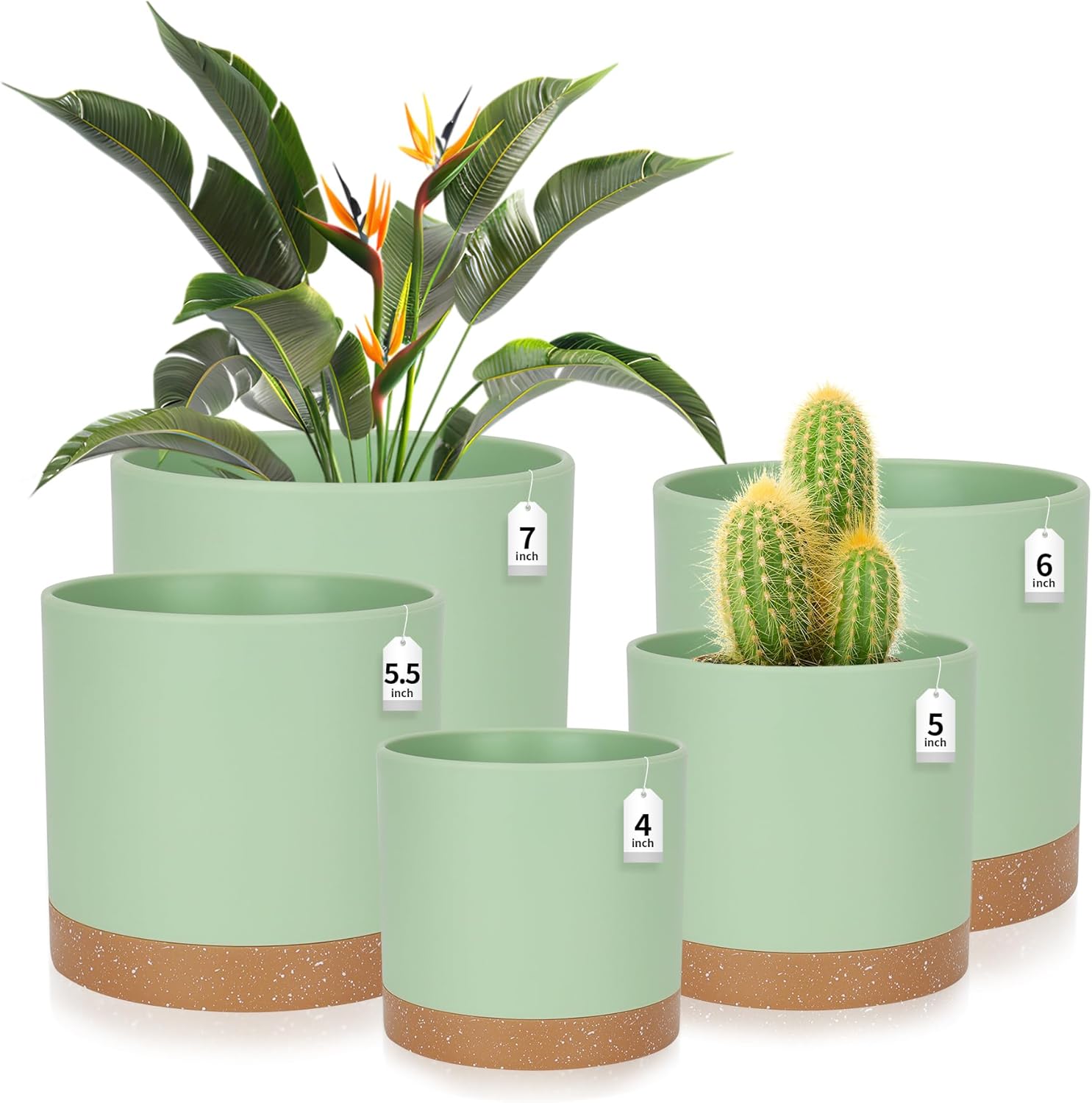
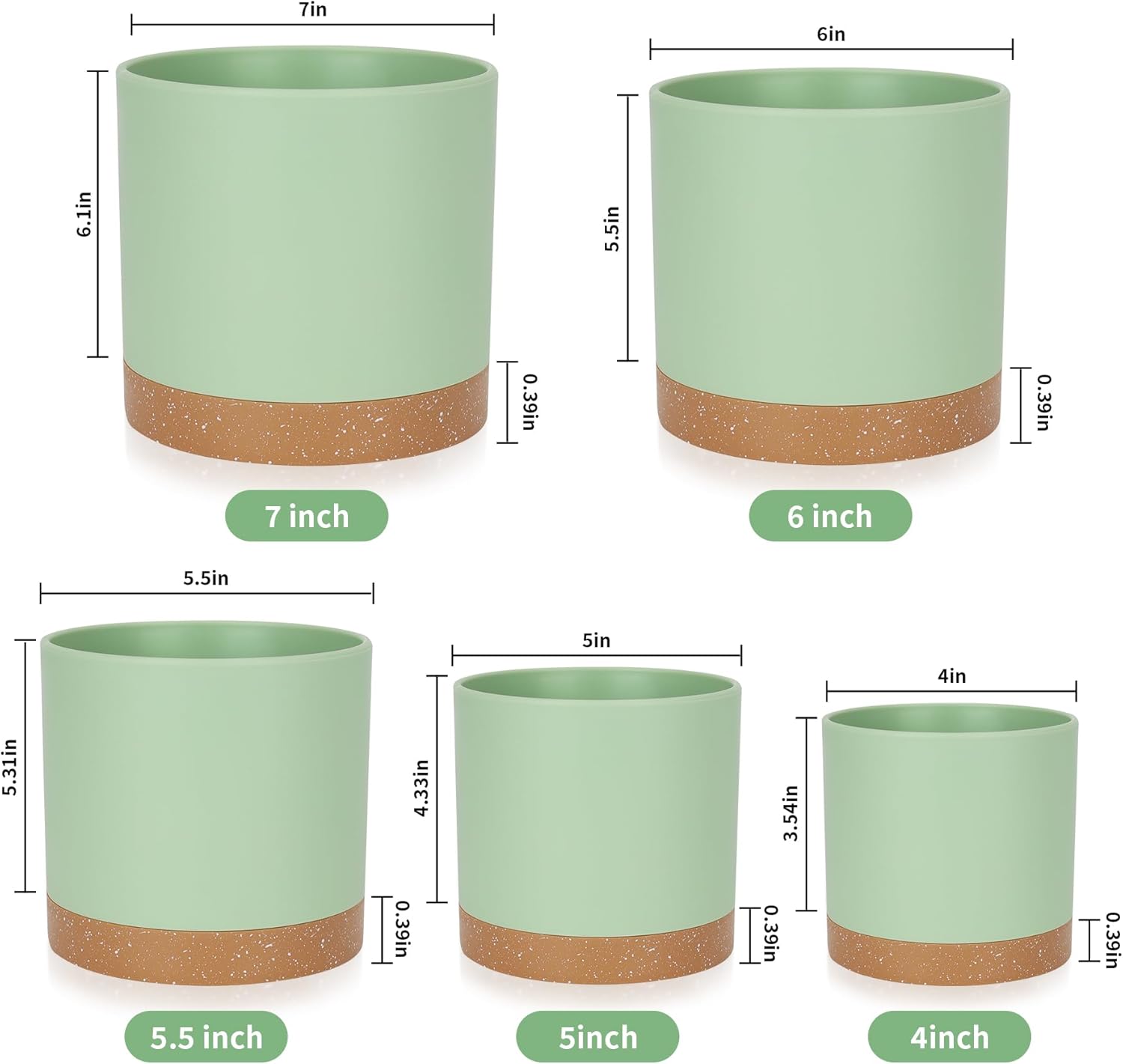
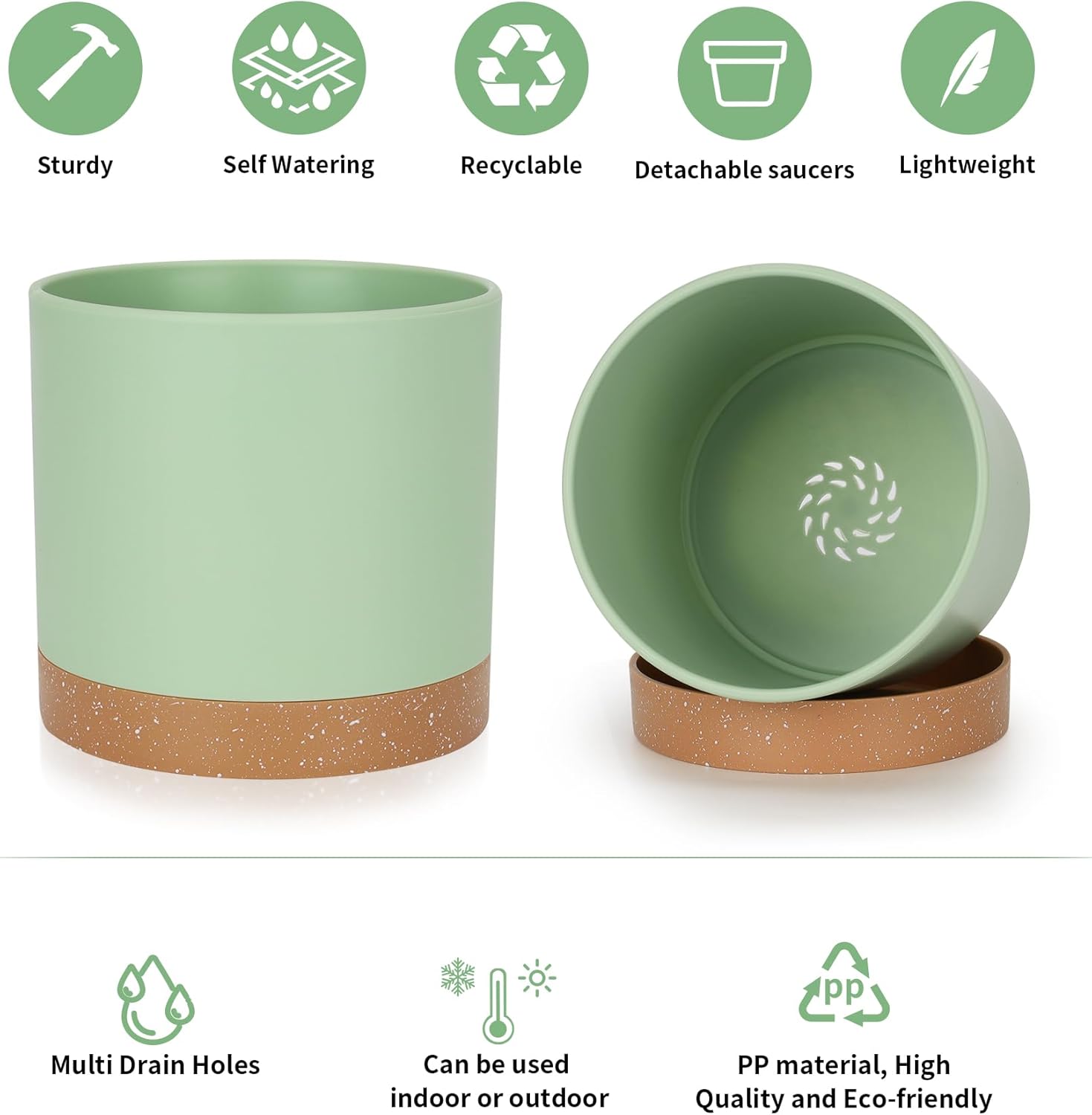
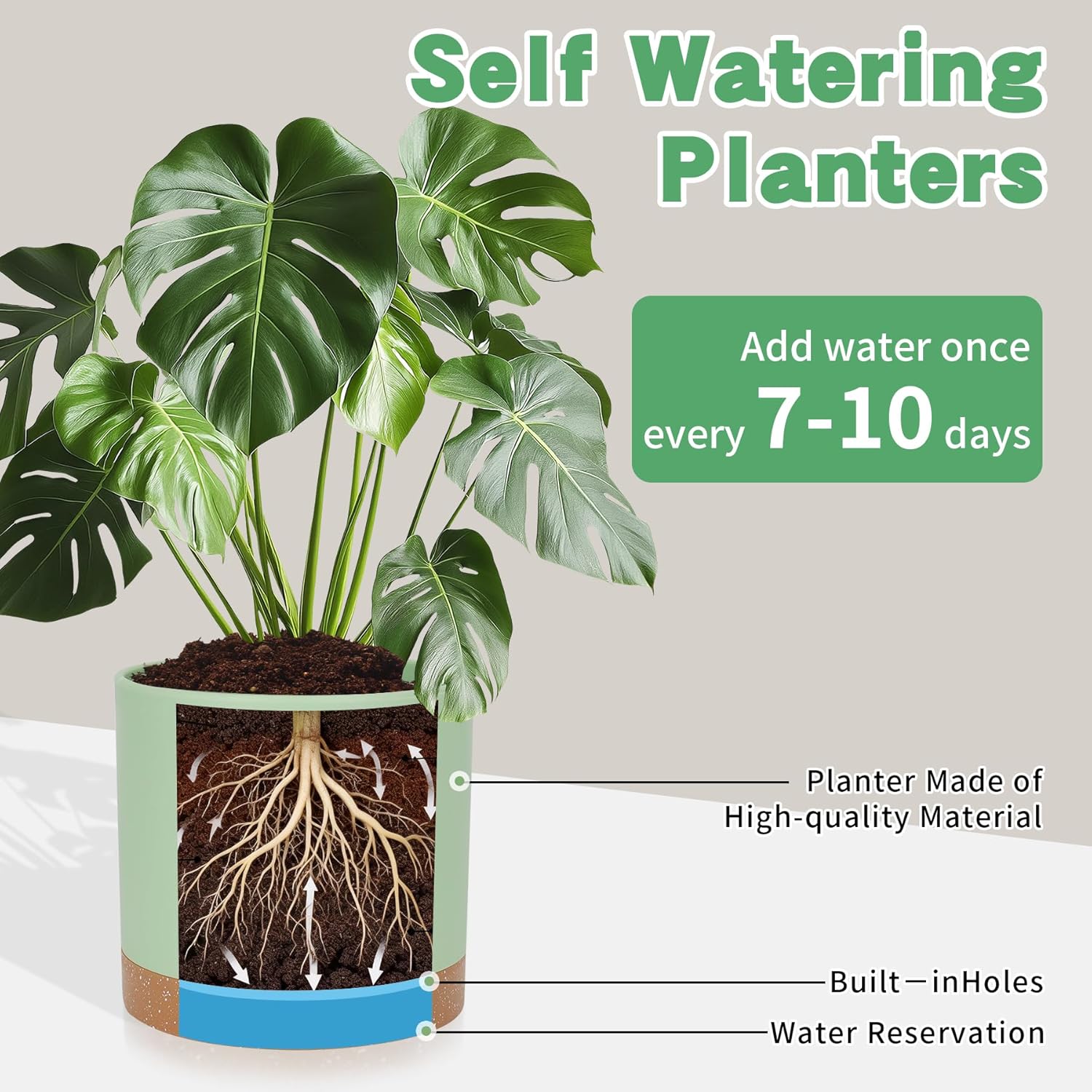
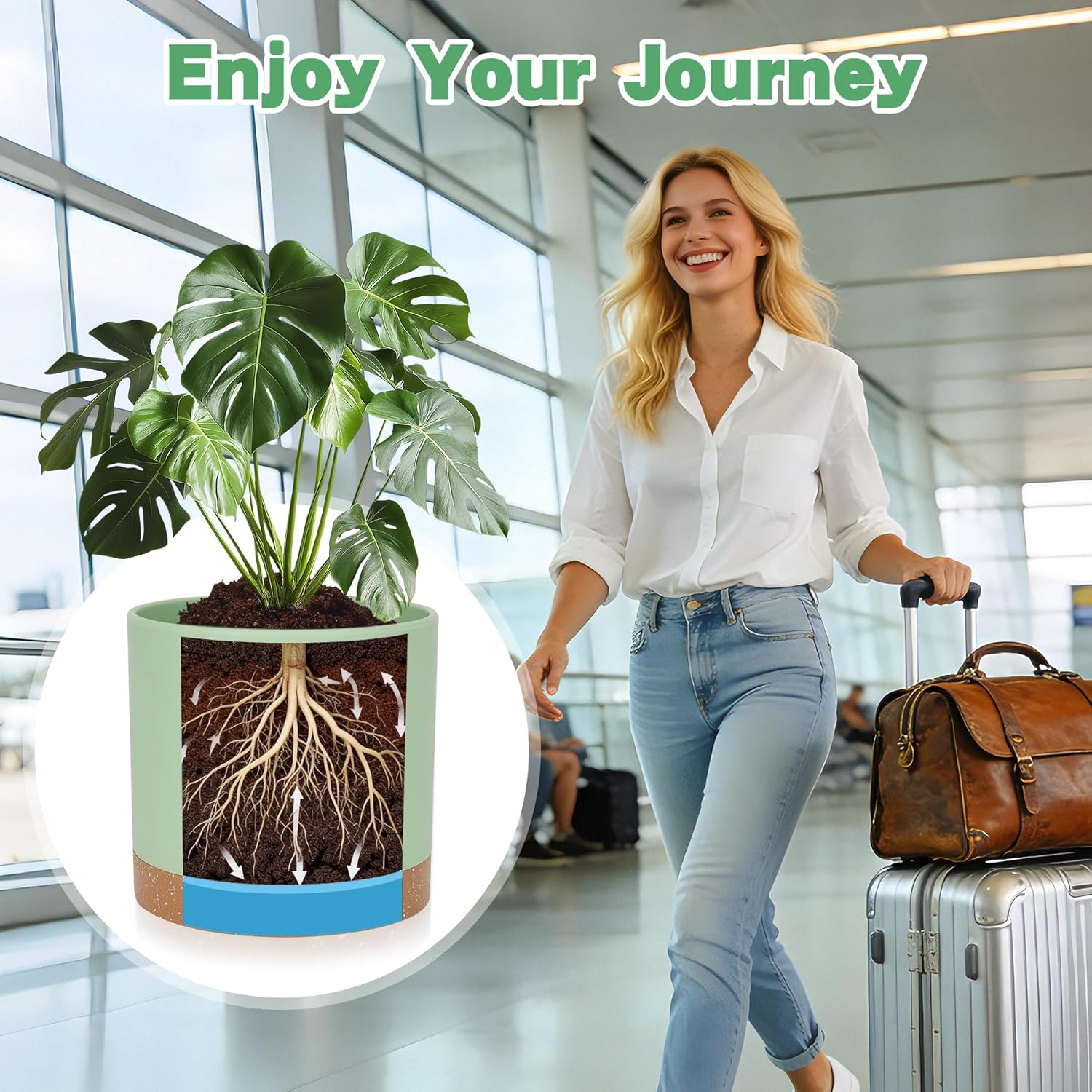
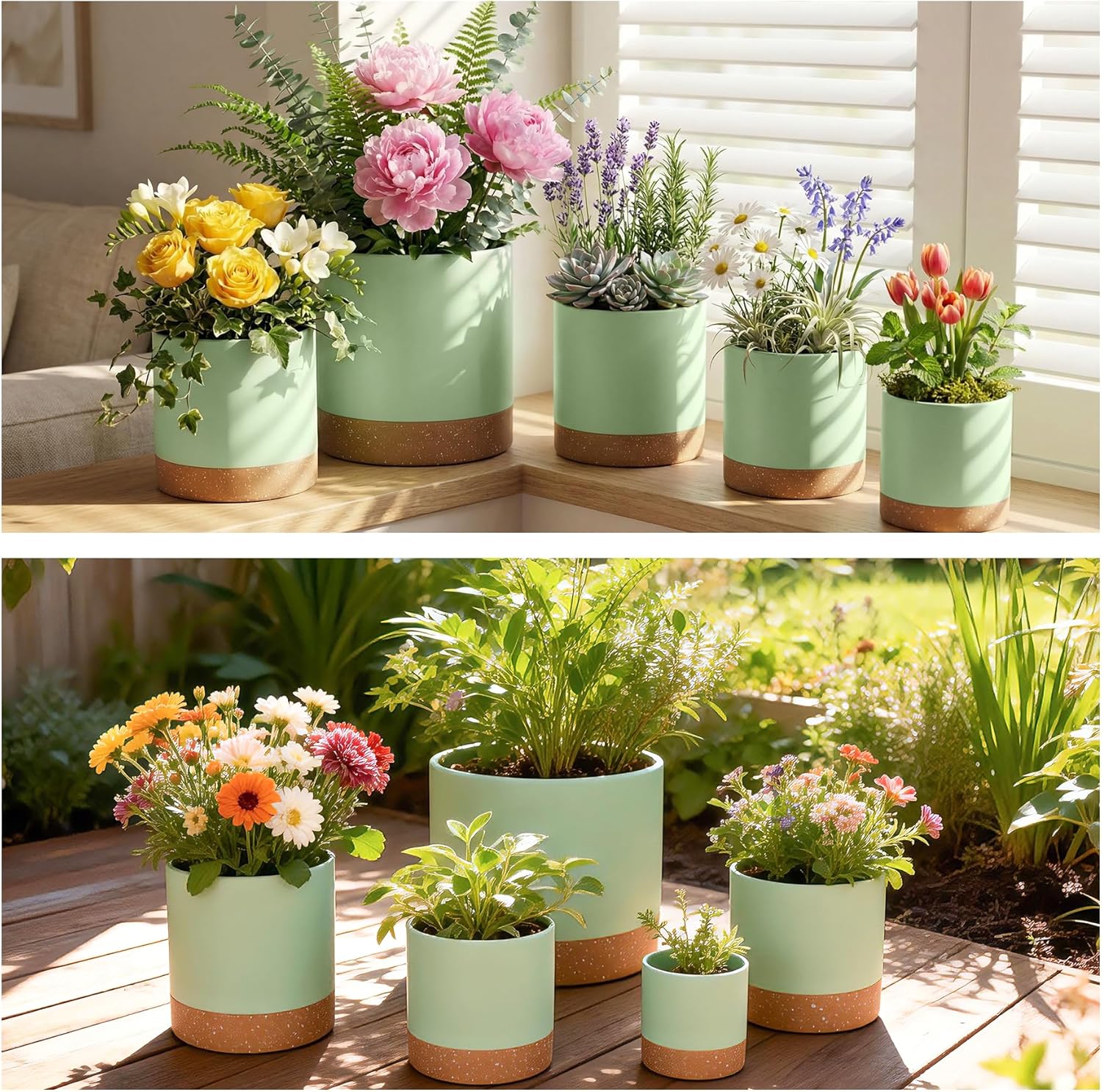
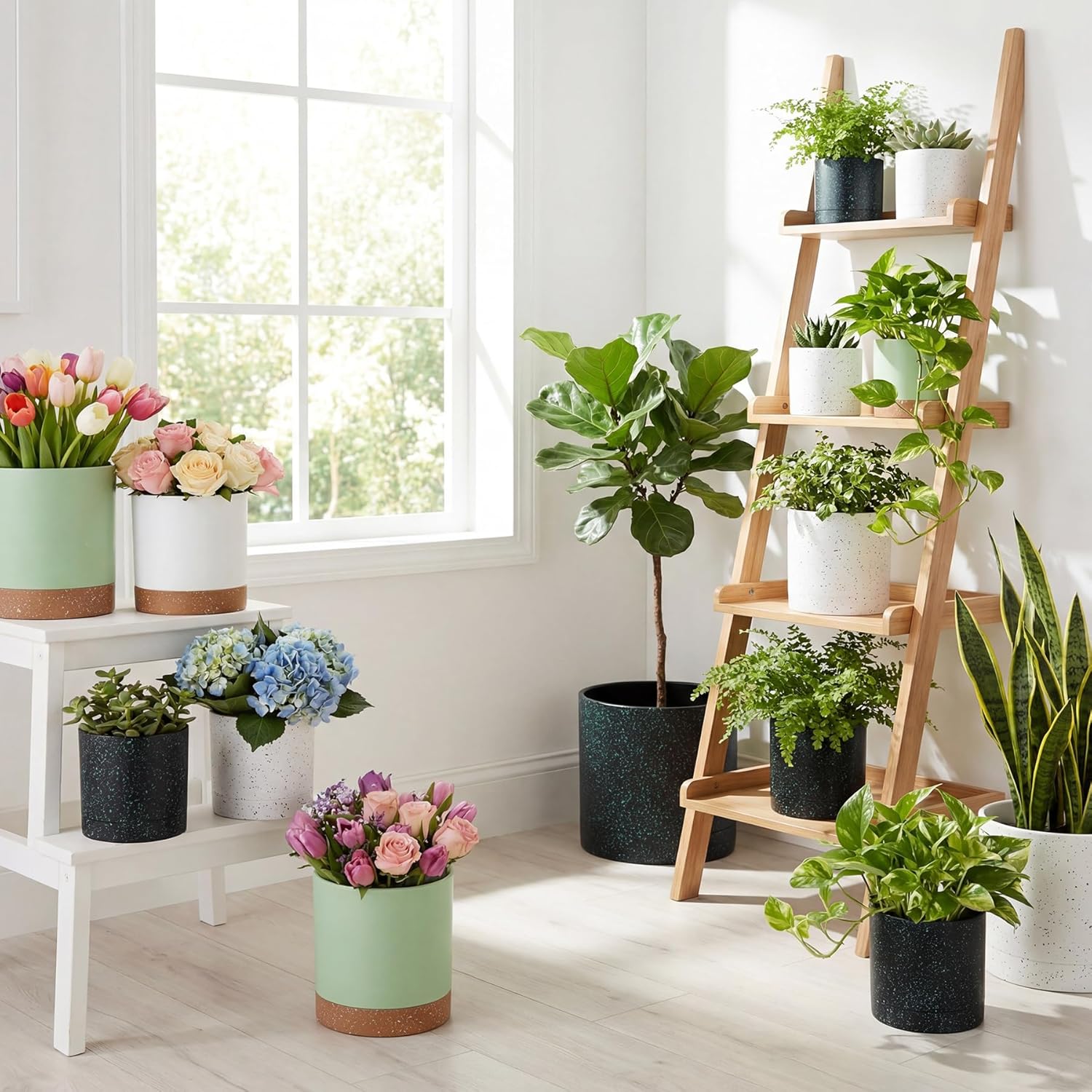
What it is and what it solves\nCSYY offers a range of lightweight plastic plant pots designed for indoor use, with self-watering features, drainage holes, and a tray to catch excess water. The set is marketed as versatile for small to medium indoor plants and works well with orchids, cacti, succulents, basil, peace lilies and more. On the surface, they mimic a ceramic look with a modern matte finish and decorative ridges and white dots, which helps them fit a range of home decors while staying practical. If you’re aiming to tidy your windowsill or desk and want a cleaner solution for watering, these pots separate soil from the water reservoir, reducing spill risk and keeping surfaces neater.\n\n## How they’re built and what that means\nMade from relatively thick polypropylene, the planters are described as sturdy, lightweight and resistant to squeezing or cracking compared with ceramics. This combination can be appealing if you move planters around often or have children or pets. The built-in drainage system uses mesh holes at the base to promote airflow and drainage, which is important for plants that like a bit more moisture management. However, the exact water reservoir capacity isn’t stated, so you’ll need to estimate based on the pot size when planning longer watering gaps.\n\n## Pros and what stands out\n- Modern decorative finish that resembles ceramic but with greater durability and lighter weight.\n- Self-watering design helps manage watering cadence, supporting busy moments or forgetful watering habits.\n- Separate soil and water compartments improve cleanliness on desks or shelves and can extend root life with better drainage.\n- Thick polypropylene and robust exterior contribute to durability for everyday indoor use.\n- Suitable for a broad mix of plants from orchids to succulents, which means it can be a starter set for a small indoor garden.\n\n## Limitations and where it may fall short\n- The exact reservoir capacity and irrigation cadence aren’t specified, so users may experience variability depending on plant type and climate.\n- It’s plastic, which some buyers may prefer to avoid for aesthetic or sustainability reasons, and the look, while ceramic-like, won’t fool everyone for high-end interiors.\n- For very large or heavy plants, the lightweight design could lead to tipping if used on unstable surfaces.\n\n## Ideal audience: who should consider these pots\n- Anyone seeking an affordable, low-maintenance option for small-to-medium indoor plants who values cleaner surfaces and ease of movement.\n- Households that want a “set-and-forget” watering approach without daily attention.\n- Shoppers who prioritise a modern matte look and a lightweight, durable alternative to ceramic pots.\n\n## When this may not be the best option\n- If you require precise irrigation control or have plants that demand very specific watering schedules, a more modular or larger reservoir system may be preferable.\n- If you strictly need a ceramic look or a heavier construction for a high-end display, these may feel casual in comparison.\n\n## What to check before buying\n- Confirm the set size and the available diameters to match your plant pots’ needs.\n- Consider whether you need a clear separation between soil and water for your plant species and whether the reservoir will support your watering rhythm.\n- Think about where you’ll place the pots, even with a tray, some surfaces may require additional protection from spills.\n\n## Practical example in use\nImagine a bright kitchen sill with a cluster of small and medium houseplants. You water once a week, and the tray catches excess moisture. The matte green exterior blends with leafy greens and short shelves without looking like a homogenous plastic. The self-watering feature is helpful during a busy week when you might forget to water every few days.\n\n## FAQ snapshot\n- Can these pots handle outdoor use? They’re described as suitable for indoor and outdoor settings, but long-term sun exposure could affect colour and material over time.\n- Do the pots come with a drainage plug? The description mentions drainage holes and a tray but does not specify plugs, so expect continuous drainage unless you adapt with a secondary method.\n- Are the pots stackable for storage? The listing implies a round shape with varied diameters, stacking efficiency isn’t detailed and will depend on the exact sizes you purchase.\n\n## Is it worth it?\nIt’s a solid pick if you prioritise a balance between form and function, especially for small-to-mid indoor plants, a cleaner watering setup, and a modest budget. If you prioritise a true ceramic look, maximum rigidity, or detailed reservoir data, you may want to explore alternatives or check the reservoir capacity more closely.\n