

Conwang Mini White Cable Trunking Self Adhesive – 2m, Side-Opening, Flame-Retardant
Reviews
Price
Product description
What this is and what it solves
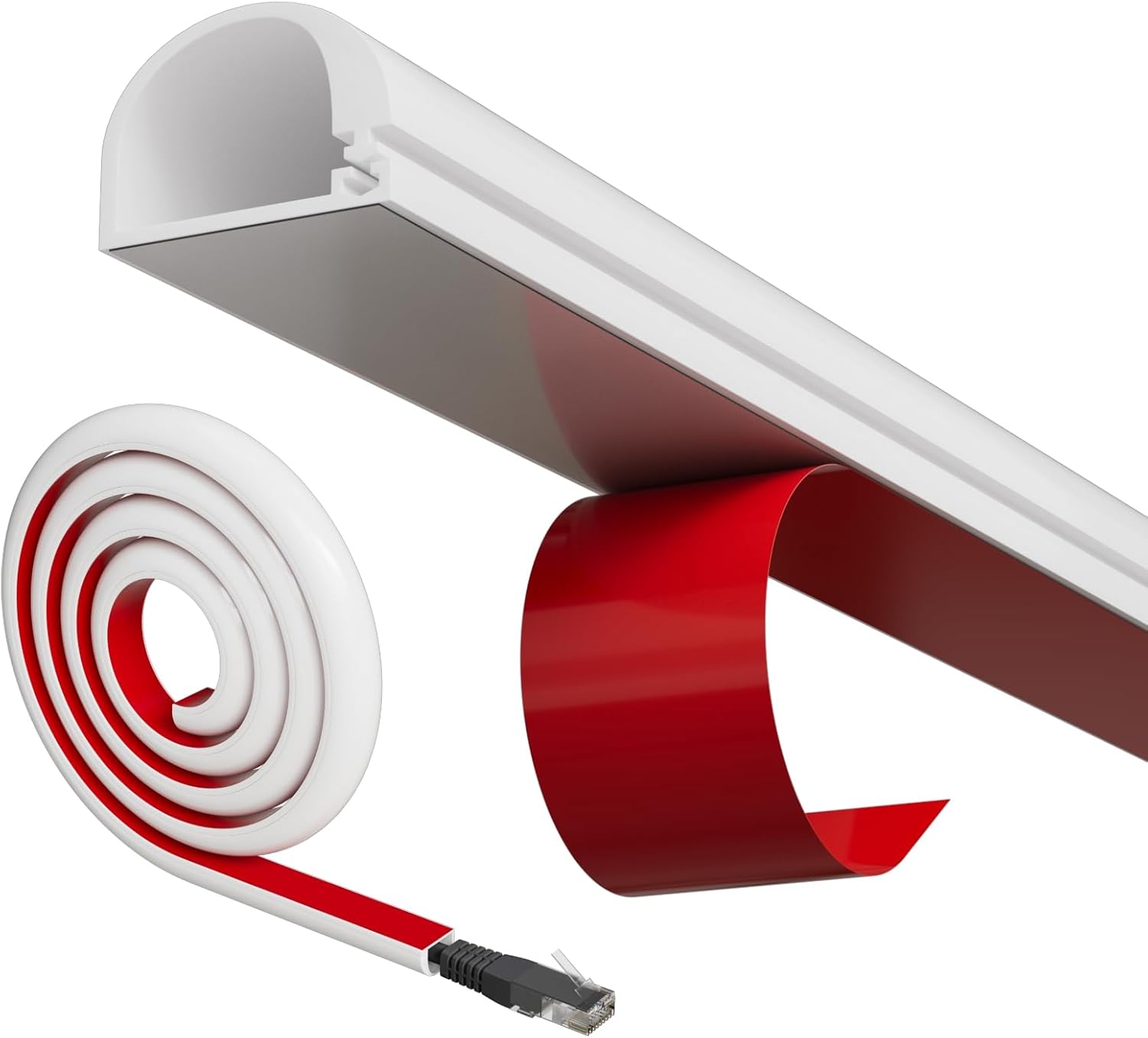
Conwang’s mini cable trunking is a white, self-adhesive conduit designed to hide and organise cables along walls. It targets everyday wiring clutter—single cables and small multi‑wire runs—keeping living spaces neater and reducing trip hazards.
How it’s designed for you
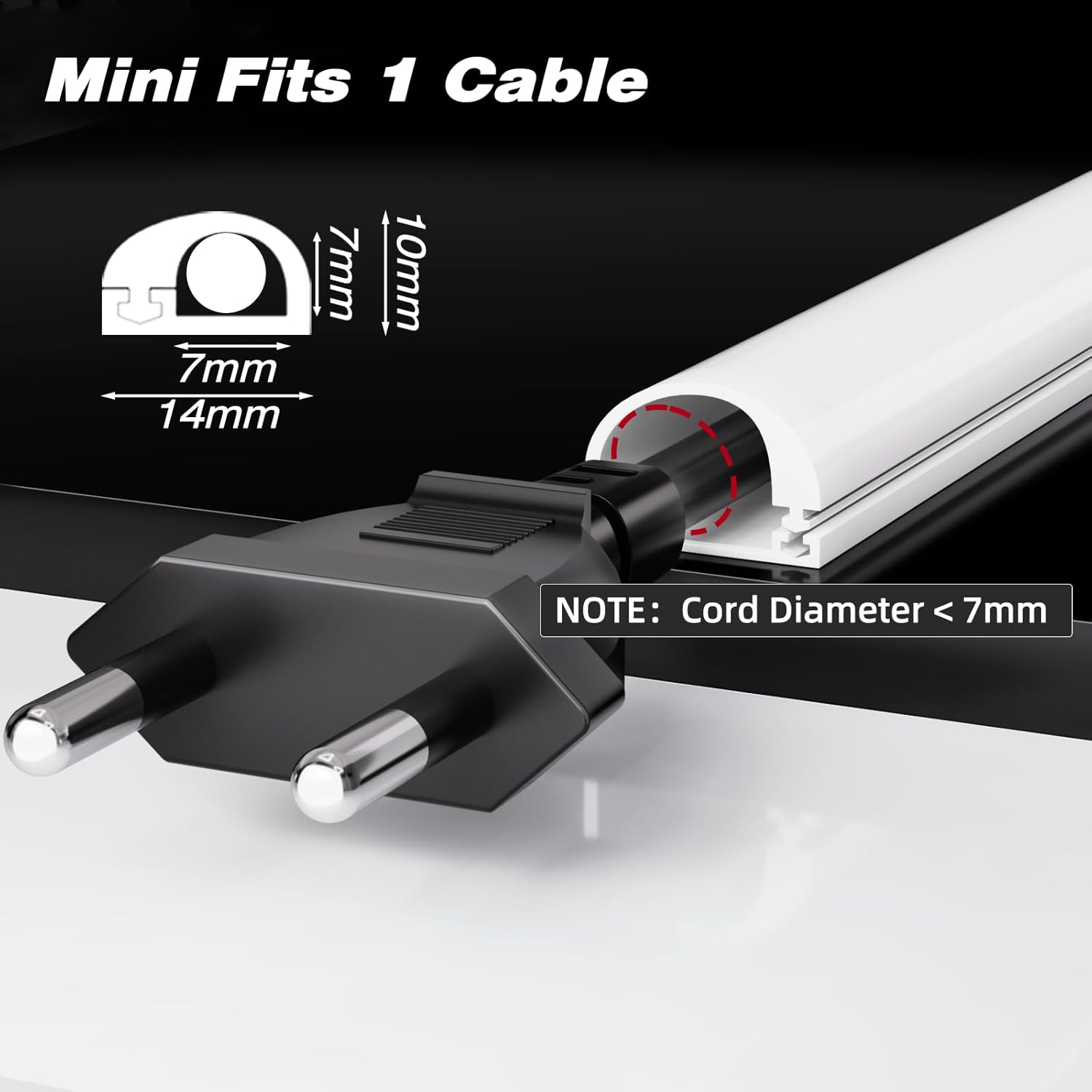
There are two models: a small (S) for hiding single wires under 7mm diameter, and a medium (M) that can manage 2–3 wires in parallel. The side-opening buckle makes it easy to add or reposition cables without removing the trunking, which is handy for changes in entertainment setups or workstations.
Materials and safety takeaways
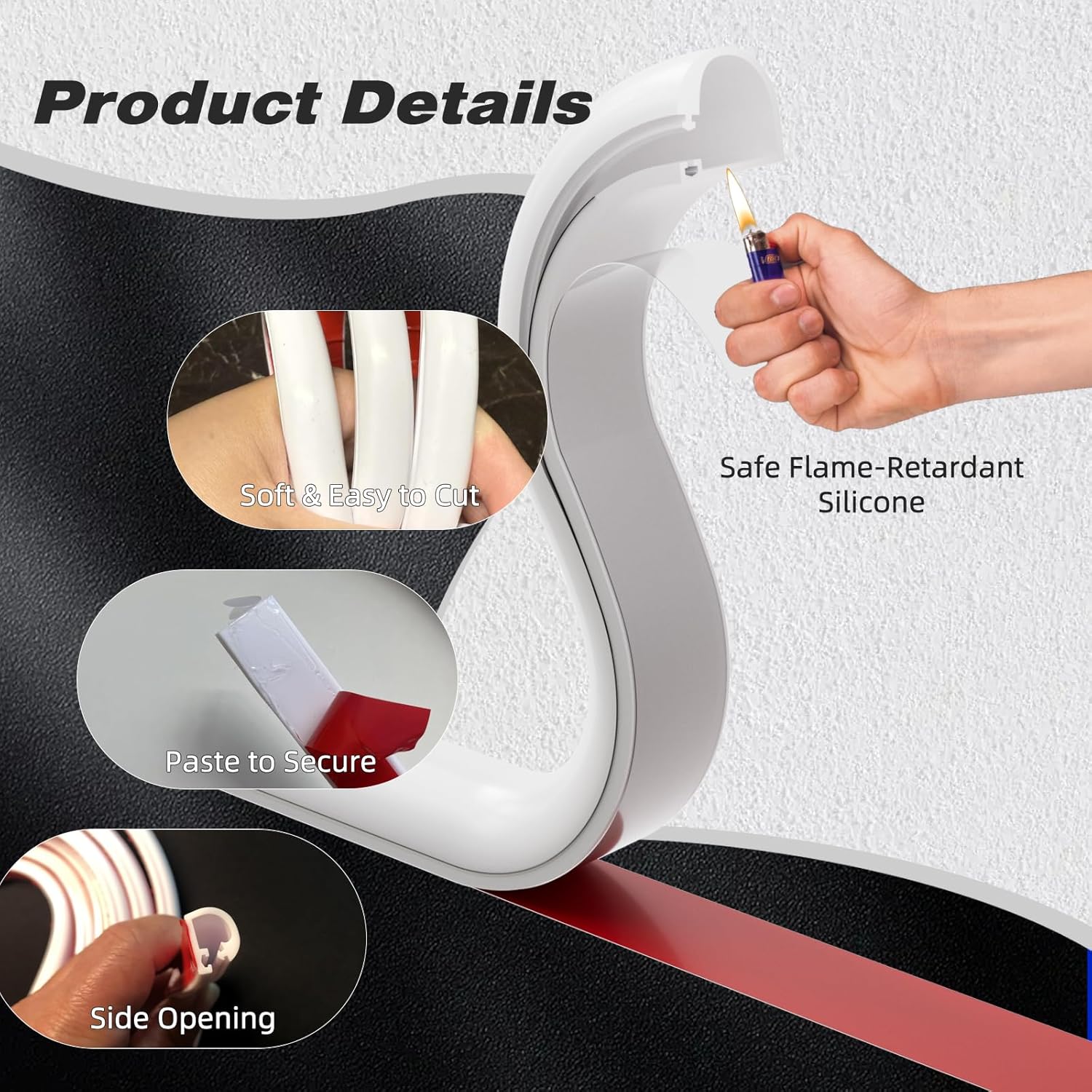
The trunking body is made from flame-retardant silicone and adheres to UL94V-0 standards. That means it’s designed to resist flame and, when not in contact with flames, self‑extinguishes. This adds a level of peace of mind for households with children or curious pets.
Pros: what stands out
- Practical, quick-install design with a side‑opening buckle for easy cable management.
- Two size options to suit different wiring needs, from a single cord to a small multi‑wire run.
- Silicone construction provides a soft, tidy finish that blends with home décor more than rigid plastic conduits.
- Flame-retardant material improves safety compared with non‑specialised cable clips.
Cons: what to watch
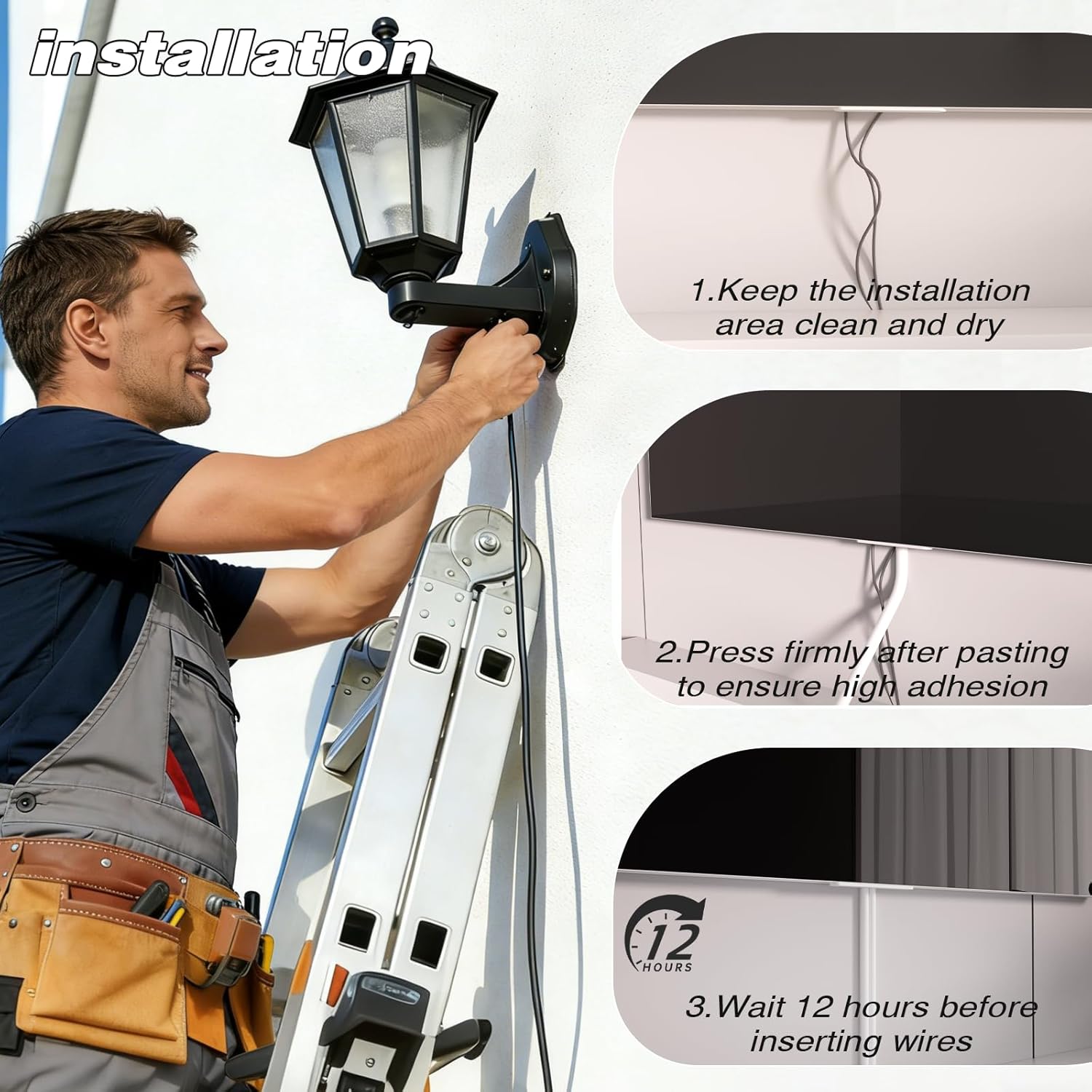
- The adhesive needs a clean, relatively smooth wall surface, very rough or powdery walls may not hold well. Installation requires waiting around 12 hours before routing wires, so you can’t see results instantly.
- It isn’t the best choice for large, heavy cable bundles or high-traffic areas where cords are frequently moved.
- If you’re particular about perfection on textured walls, the semi‑circular profile may not disappear completely into the décor.
Who it’s for
This product suits residents looking to tidy visible TV, HDMI, power or data cables along walls without drilling. It’s a sensible option for newcomers to cable management, small living rooms, or bedrooms where aesthetics matter but budget is a consideration.
Who it isn’t ideal for
If you have very rough or powdery walls, or you expect frequent reconfigurations of a large number of cables, a more heavy-duty or clip-based system might be preferable. It’s also less suited to high‑traffic or mounted setups where cords are repeatedly moved.

When it makes sense to buy
- You want a quick, non‑invasive way to conceal a single wire or a small group of wires.
- You prefer a low-profile, softly finished look that blends with interiors rather than a chunky conduit.
- You value safety features like flame retardance in a family space.
Before you buy: quick checks
- Ensure your wall surface is relatively smooth and clean before application.
- Decide which model fits your needs: S for single wires, M for 2–3 wires in parallel.
- Plan for the 12‑hour cure period before routing cables to ensure strong adhesion.
Practical use example
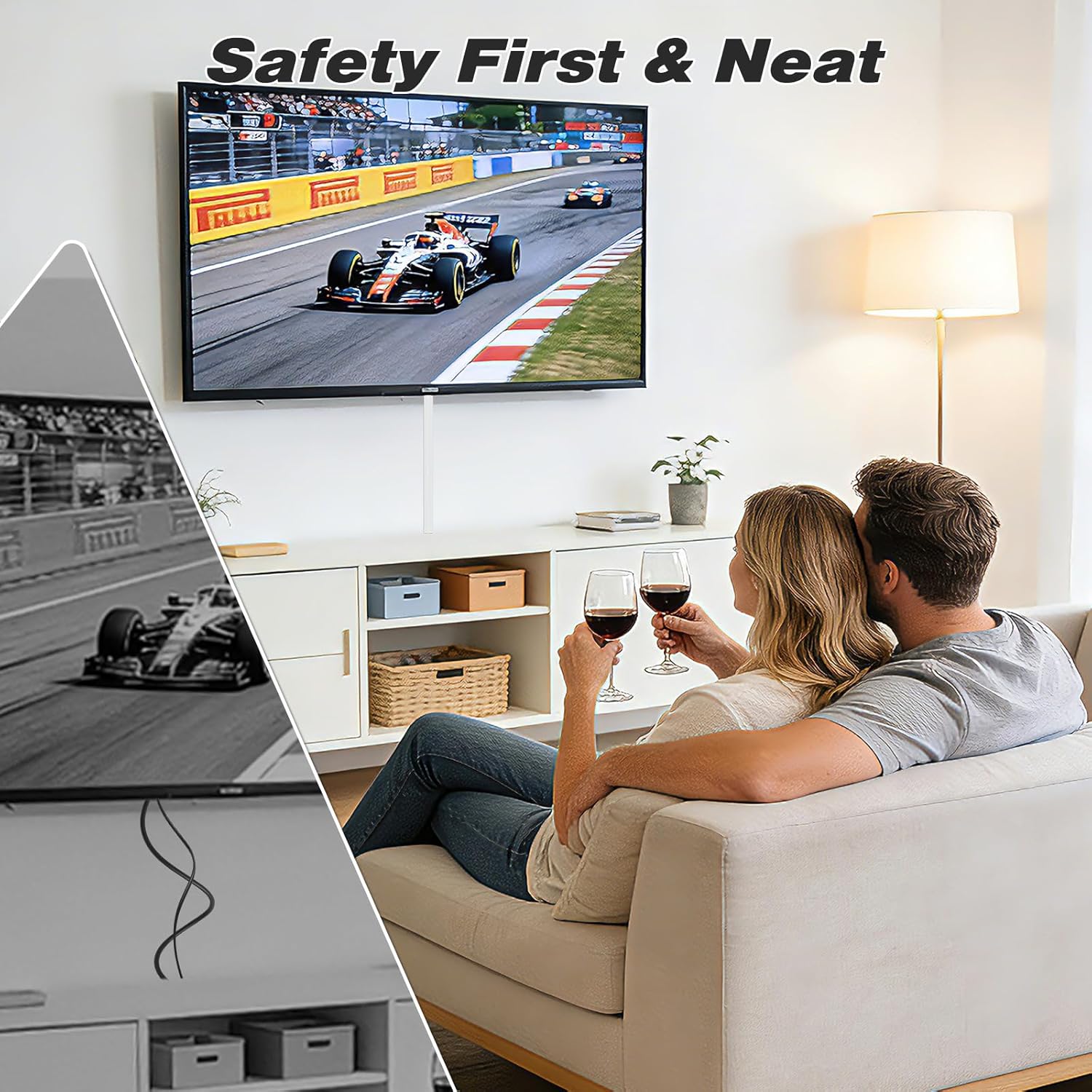
Imagine tidying a living room with a wall-mounted TV and a soundbar. Rather than a tangle of cables, you slip two or three cords into the medium model and mount it along the back edge of the TV wall, then press along the surface to secure. After a day, the wires stay reasonably flat and out of sight, reducing the chance of pet taps or curious fingers.
Technical snapshot (brief)
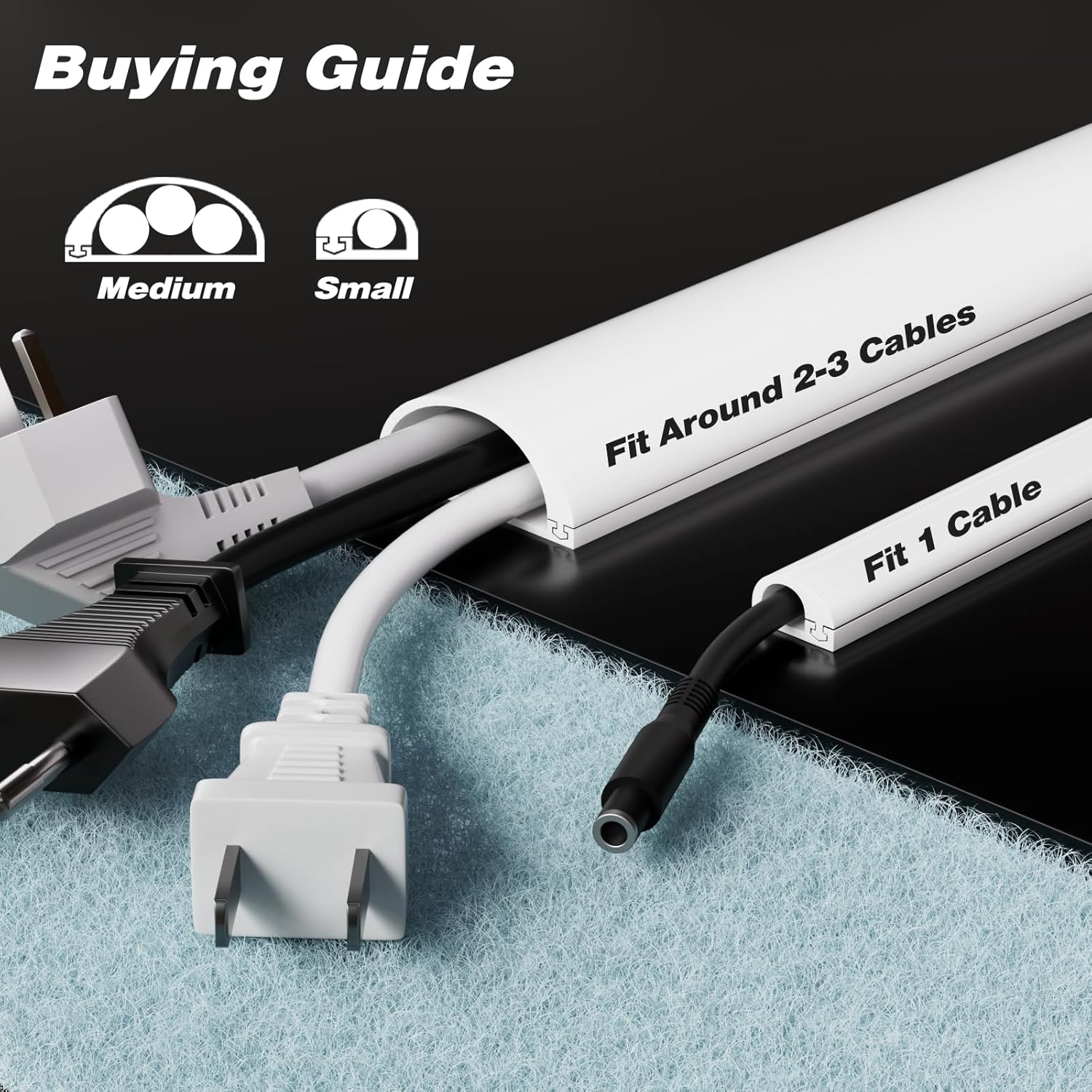
- Models: Small (S) for single wires <7mm, Medium (M) for 2–3 parallel wires
- Material: Flame-retardant silicone (UL94V-0 standard)
- Installation: Clean wall, peel and stick, press to bond, wait 12 hours before routing cables
- Safety: Designed to isolate cables from children and pets
What to expect versus alternatives
If you’re weighing up options, this trunking offers a balance between ease of installation and a neat, low-profile aesthetic. For those who need rugged, adjustable or large-bundle cable management, a higher-capacity or metal conduit might be worth considering. This Conwang solution is about practical, everyday tidiness rather than heavy‑duty, long‑term cable infrastructure.
Final decision: Is it worth it?
It’s worth considering if you prioritise a simple, non‑invasive fix for single wires or small cable runs, with safety in mind and a discreet look. If your needs involve frequent reconfiguration or rough wall surfaces, you may want to look at alternative options or expect slower progress on adhesion.
FAQ
- How long does it take to set fully after installation? You should wait 12 hours before routing cables for optimum adhesion.
- Will it handle multiple cables? The small model is best for a single wire, the medium model supports 2–3 wires in parallel.
- Can I remove it without damaging the wall? Yes, but do so slowly and consider a thin‑blade tool to assist on more delicate surfaces.