

Celestron SkyMaster 25x100mm Porro Prism Binoculars (71017) — Practical Review
Product description
What it is
The Celestron SkyMaster 25x100mm Porro Prism binoculars are large, high-magnification binoculars designed for long-distance land viewing and planetary/astronomical observations. They use 25x magnification with 100 mm objectives to gather substantial light, aiming to deliver brighter images in dawn or dusk conditions. They come with a carry case and feature a rubber-armoured housing for grip and durability.
What need they address
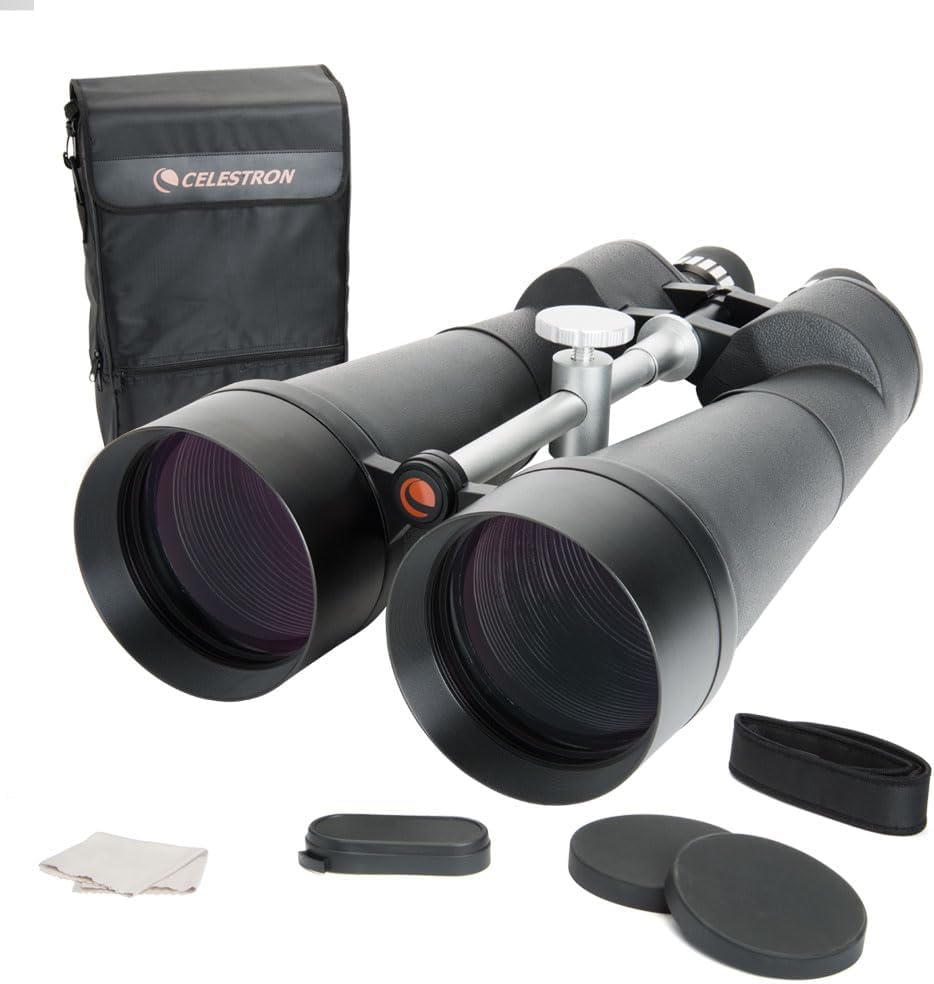
If you’re looking for a pair of binoculars that can double as a lightweight spotting tool for astronomy or distant scenery, these offer a straightforward path to that capability without stepping up to a telescope. The higher magnification helps spot details at a distance, while the relatively large objective lenses try to compensate for light loss in low-light moments. The design also supports tripod mounting, which is important for steady, long sessions.
How they perform on paper
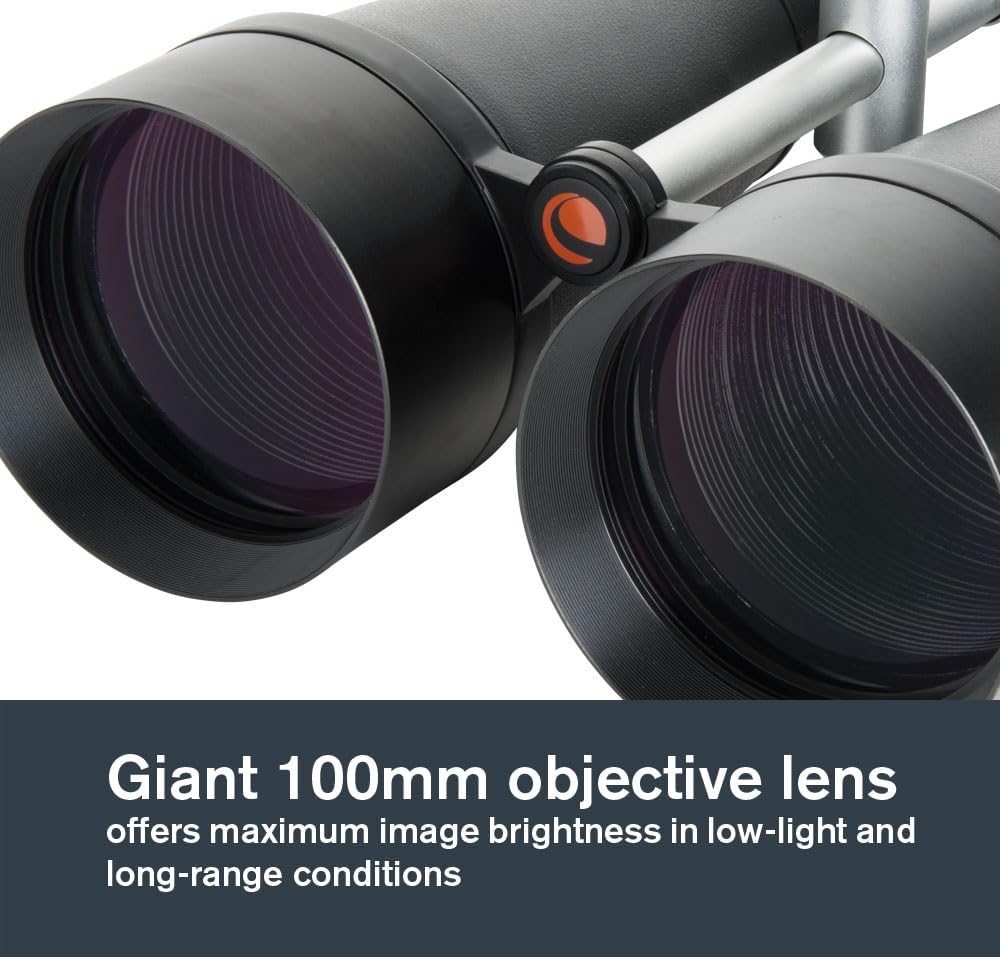
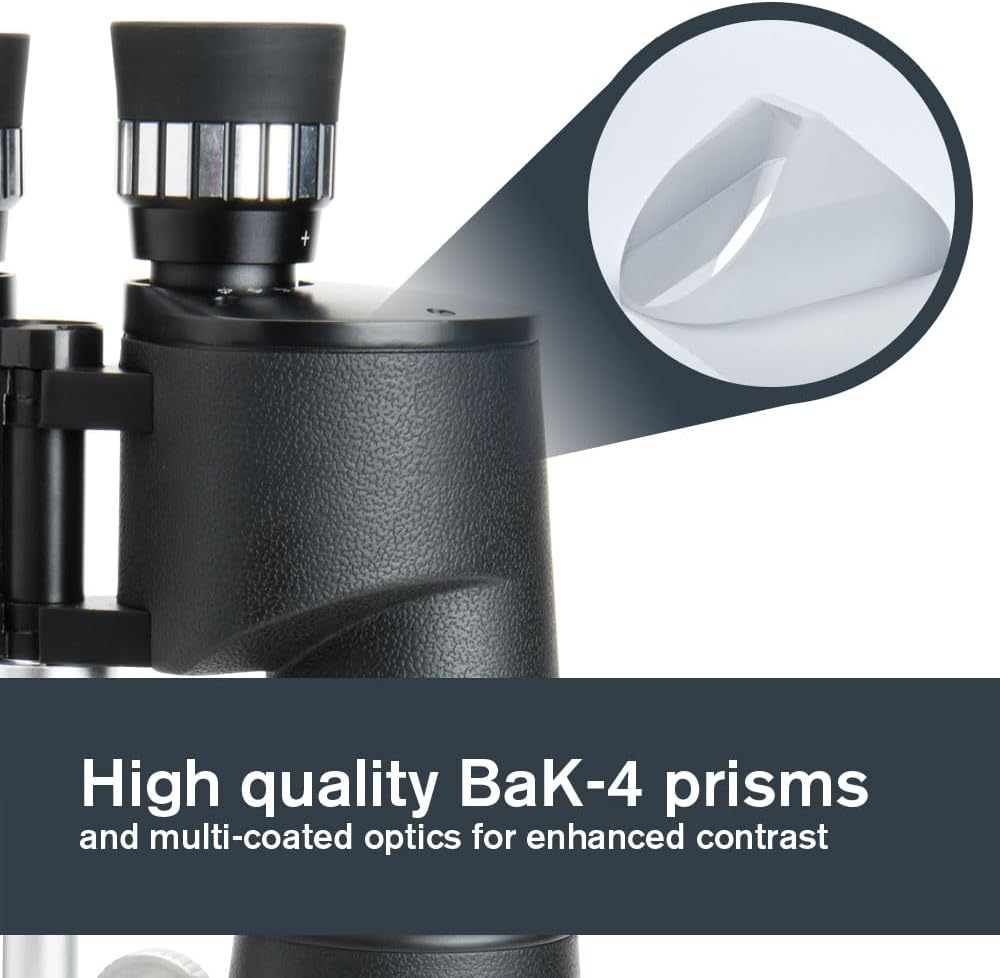
On the surface, the SkyMaster emphasises brightness and reach: 25x magnification paired with large 100 mm objectives, BaK-4 prisms, and multi-coated lenses aimed at efficient light transmission. BaK-4 prisms are intended to help maintain contrast and brightness in low light, which can be appealing if you’re scanning the horizon near dawn or dusk or eyeing celestial targets.
What stands out in use
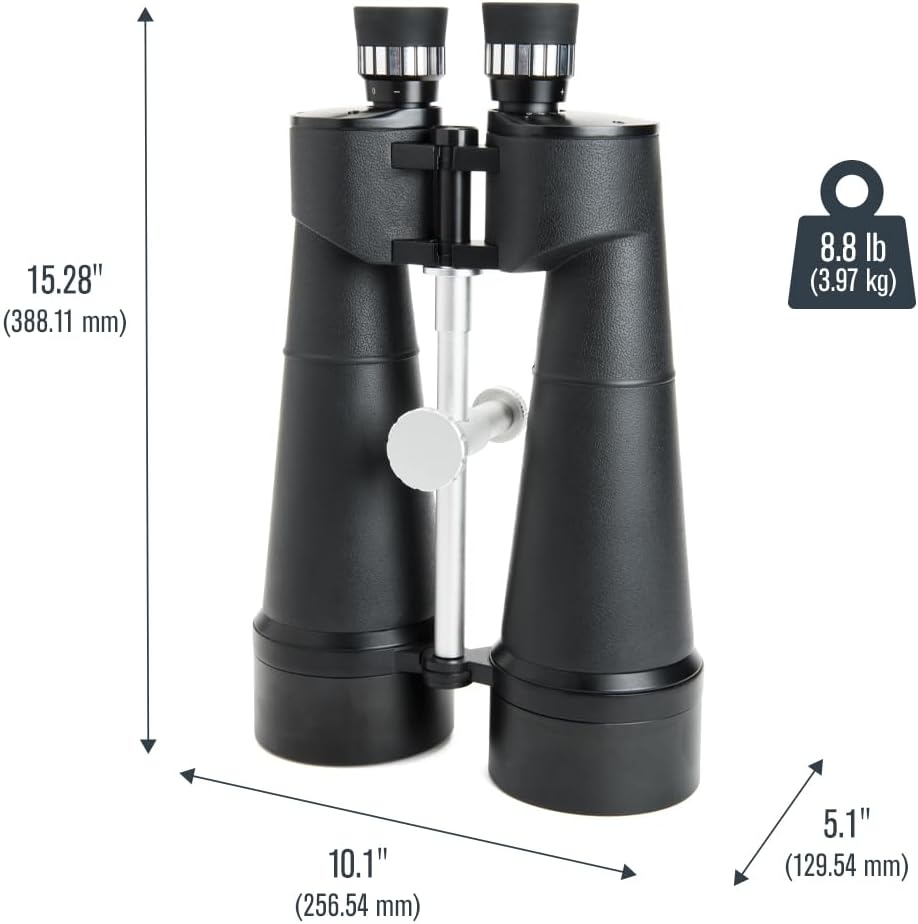
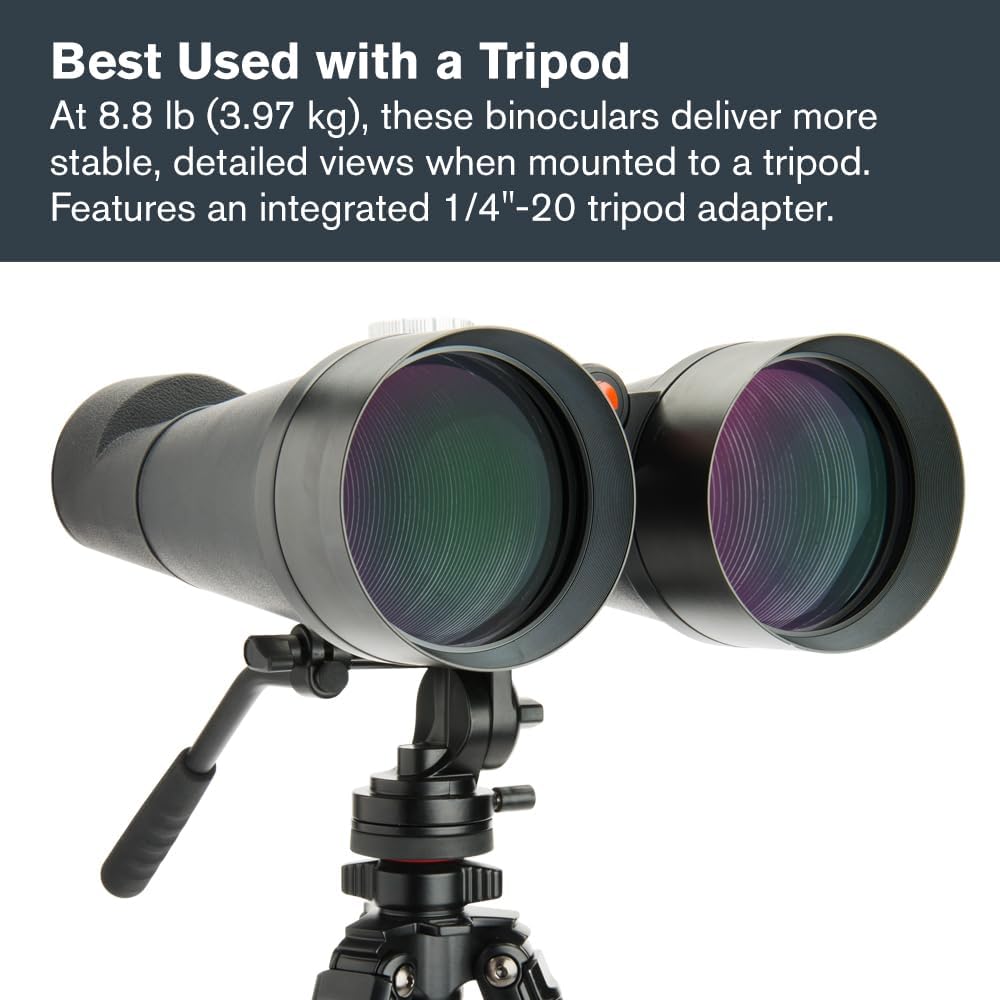
One practical advantage is the compatibility with a standard tripod. At 1.11 kg, hand-holding them for extended periods isn’t ideal for most people, so the option to mount them can dramatically reduce fatigue and image shake. The rubber armour protects against bumps and rough handling, making them suitable for field use where weather and terrain aren’t perfectly predictable.
Limitations and caveats
These are substantial binoculars, and their size and weight mean they aren’t ideal for casual, one-handed use or long treks unless you’re prepared to carry the extra load. The 25x magnification also means a very narrow field of view and increased sensitivity to handshake, even with a tripod, setup time and alignment become more significant than with lower-magnification optics.
For whom they’re a reasonable fit
They appeal to hobbyists who want a binocular setup that can reach distant land features or lunar/planetary details without jumping to a telescope. If you already own a sturdy tripod or are comfortable investing in one, these could be a practical stepping stone for occasional astronomy alongside general stargazing.
When they may not be the best choice
If you prioritise portability, quick use in varied environments, or a wider field of view, the 25x100 setup can feel unwieldy. For true beginners or those who plan to use binoculars mainly for birding at closer ranges, lower magnifications or lighter pairs might be more suitable.
Before you buy: what to check
- Ensure you have a compatible tripod or a mounting option to stabilise longer viewing sessions.
- Consider how you’ll store and transport the binocs with the included carry case.
- Be realistic about the contexts you’ll use them in, low-light astronomy benefits more from good light transmission, not just size.
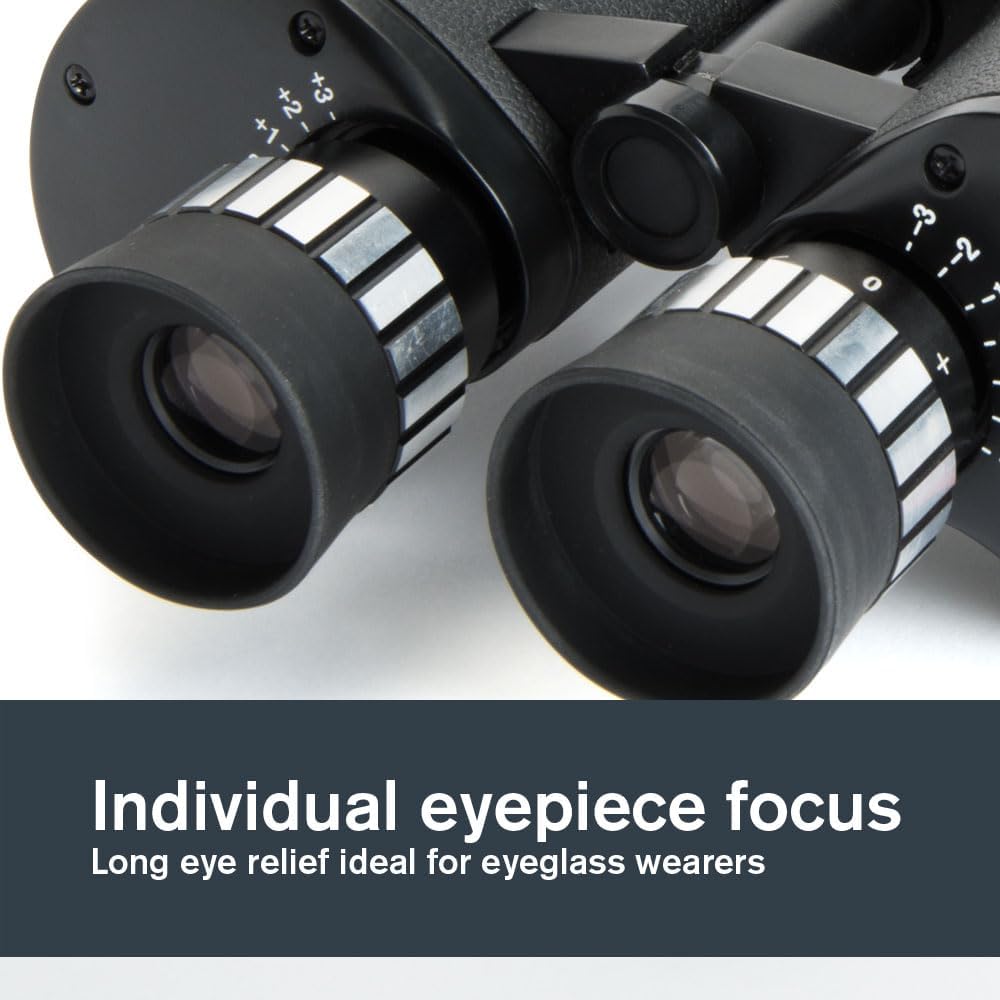
- Check the eyepiece alignment and any shimming options if you’ll use them with different mounts.
How this compares with other approaches
If you want to observe distant landmarks or the night sky, you could opt for lower-magnification, lighter binoculars for general stargazing and pair them with a small telescope for specialised viewing. The SkyMaster route emphasises light throughput and reach in a rugged, field-ready form, rather than ultra-compact portability. In that sense, it sits closer to the mid-to-upper end of usable field binoculars, rather than a travel companion for casual daytime use.
Practical usage snapshot
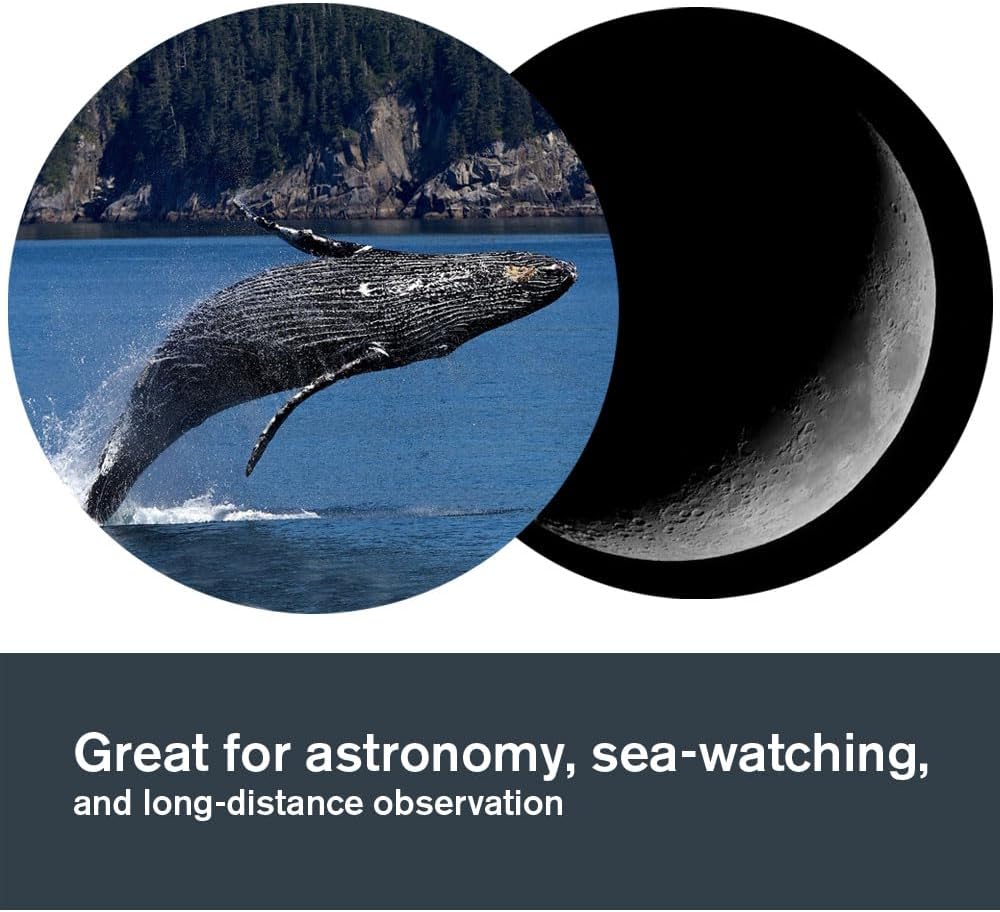
Imagine scanning a coastline under twilight, with the case closed but loader-ready on a tripod. You set a steady stance, align the view, and you start picking out ship silhouettes and distant bays with enough brightness to distinguish shapes. In an astral session, you can spot the bright planets or the Moon’s craters with more clarity than you might expect from binoculars of this class, provided you’ve mounted them and allowed a moment for the optics to cool.
Final buy decision (Should you buy it?)
Is it worth it? Worth considering if you prioritise long-range viewing and intend to use a tripod for steadiness. It suits users who want a robust, light-protected pair capable of bright low-light views and don’t mind the heft. It may not be the best choice if you need quick, one-handed use or a very wide field of view for fast scanning. If you’re after a dedicated astronomy tool that stays flexible for field use, and you’re prepared for the set-up, these binoculars offer a pragmatic path rather than a flashy one.
FAQ (short answers)
- Do they come with a tripod? Not included, but compatible with standard tripods.
- Are the lenses multi-coated? Yes, with multi-coated lenses to aid light transmission.
- Are they suitable for casual birdwatching? They can be used for distant birds, but the 25x magnification and weight lean toward serious viewing rather than day-to-day spotting.