

Carbon Monoxide Detector 10‑Year Battery
Product description
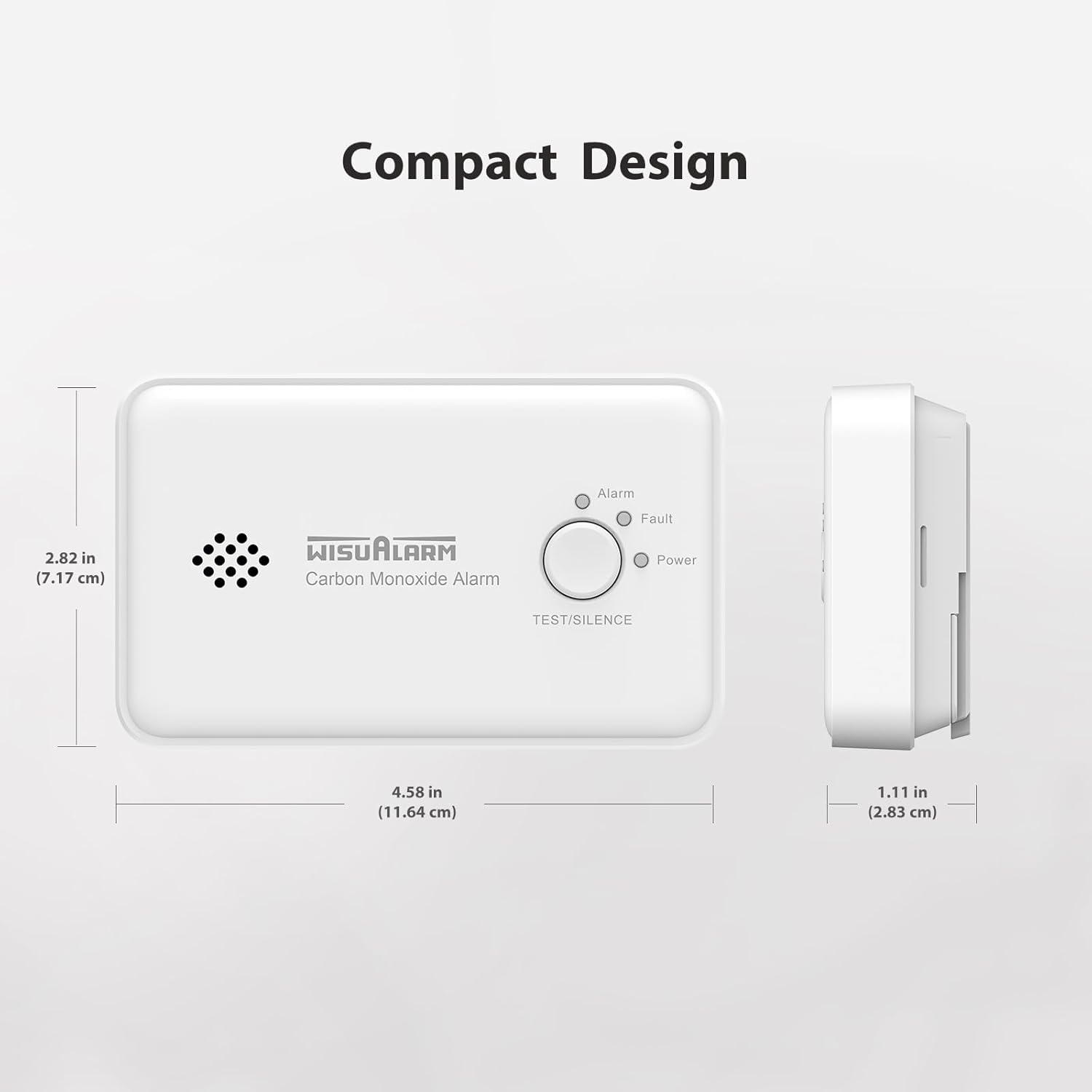
This compact carbon monoxide alarm with a 10-year battery offers continuous indoor protection and clear alerts for homes with fuel-burning appliances. The unit is suited to placement near boilers, fireplaces and barbecue areas used indoors, providing audible and visual warnings so households can respond quickly if carbon monoxide levels rise.
Key Points
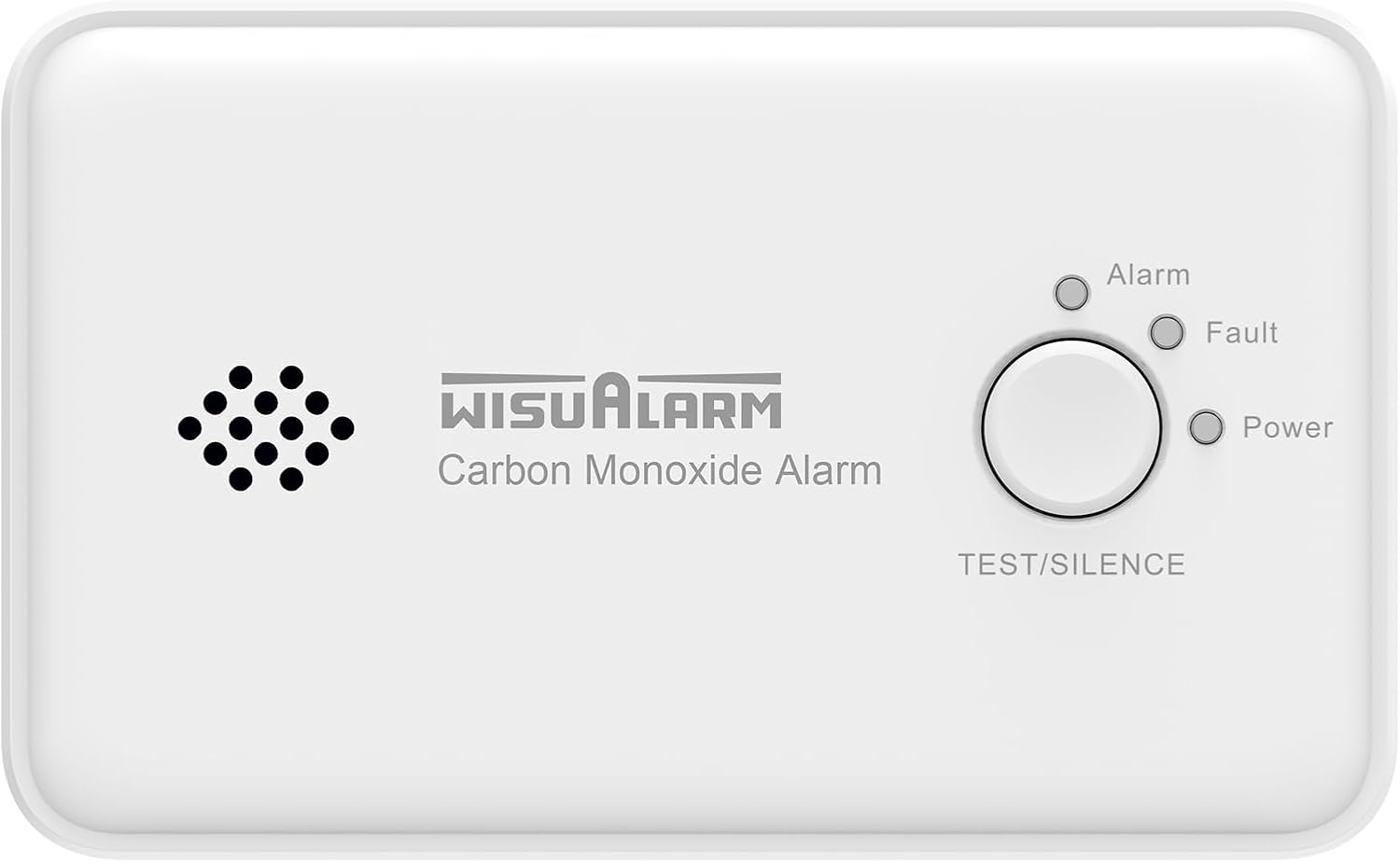
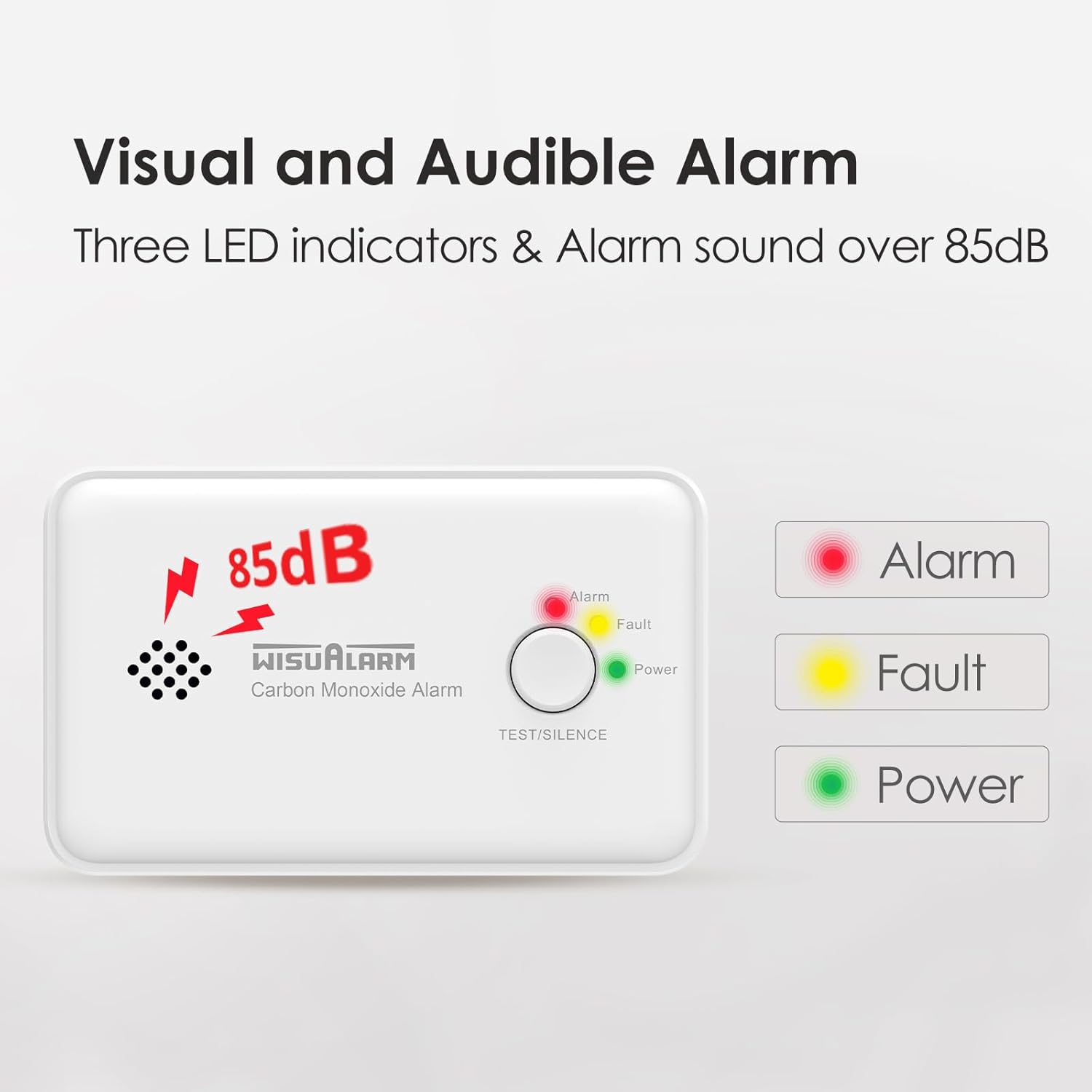
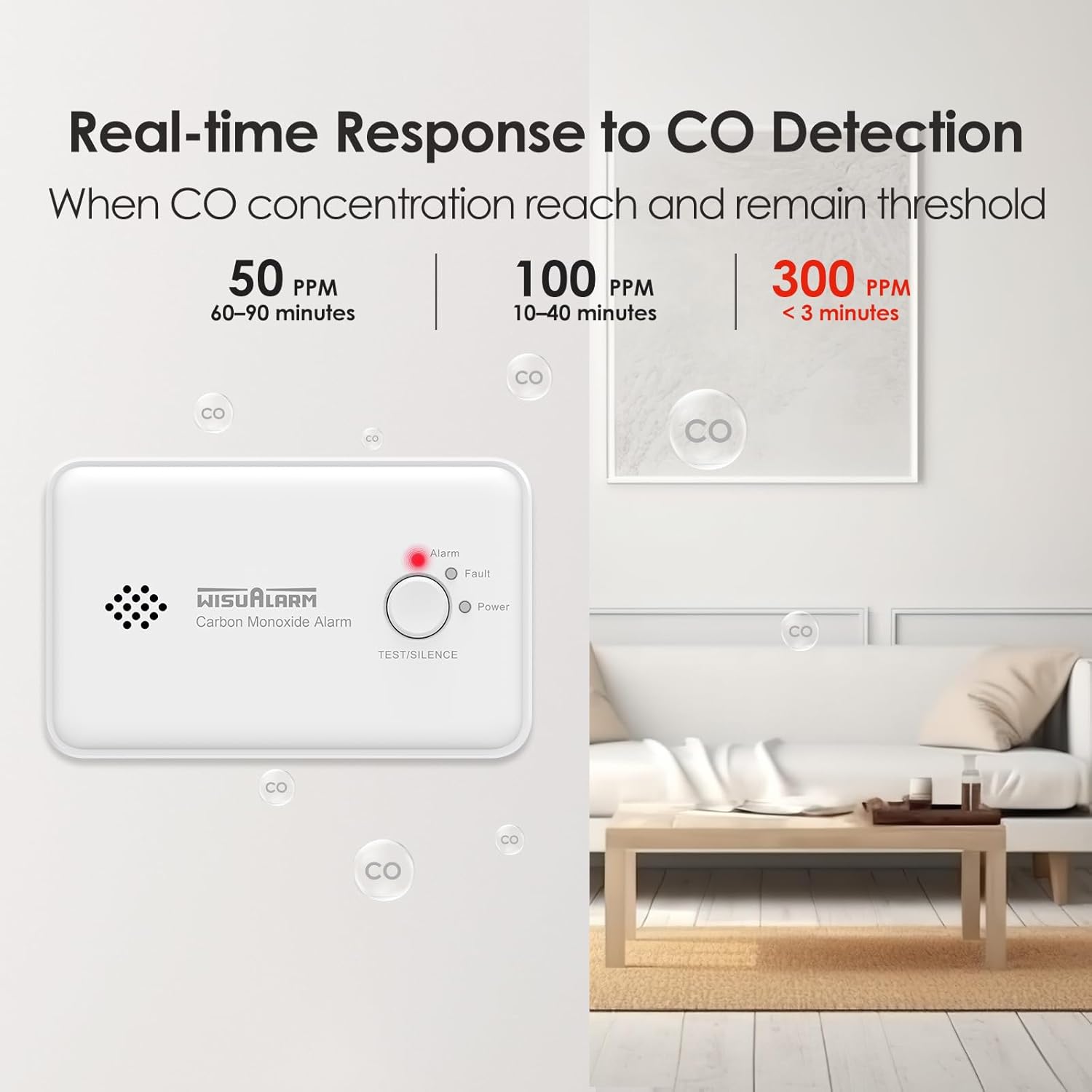
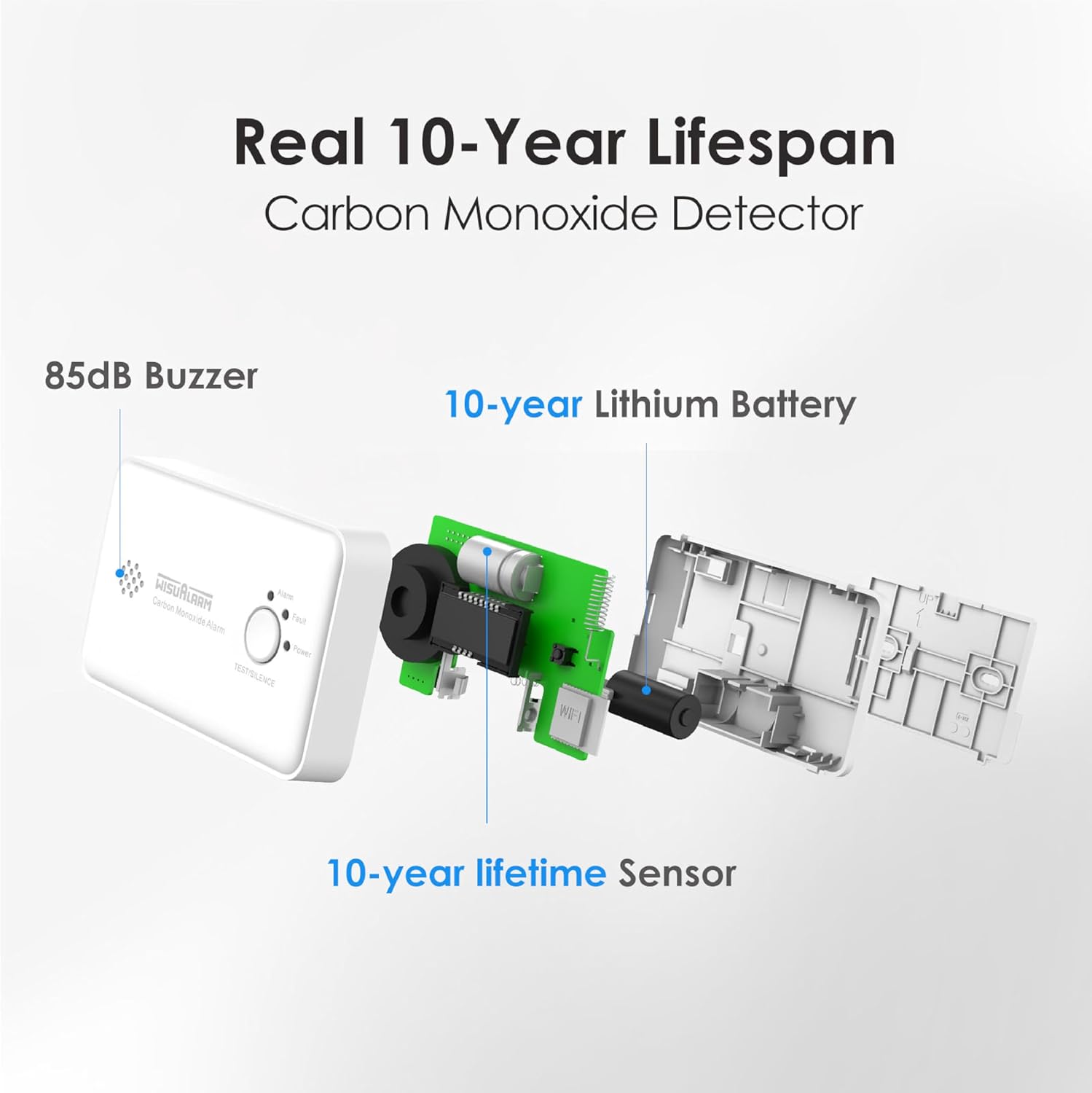
The detector includes a long-life sensor and a replaceable battery rated to last 10 years according to the manufacturer, which reduces the need for frequent maintenance. It uses three-colour LED indicators to show normal operation, faults and alarm conditions, making status checks intuitive at a glance. The alarm produces a loud 85 dB signal at 3 metres so alerts are likely to be heard throughout a typical living space. ⚠️
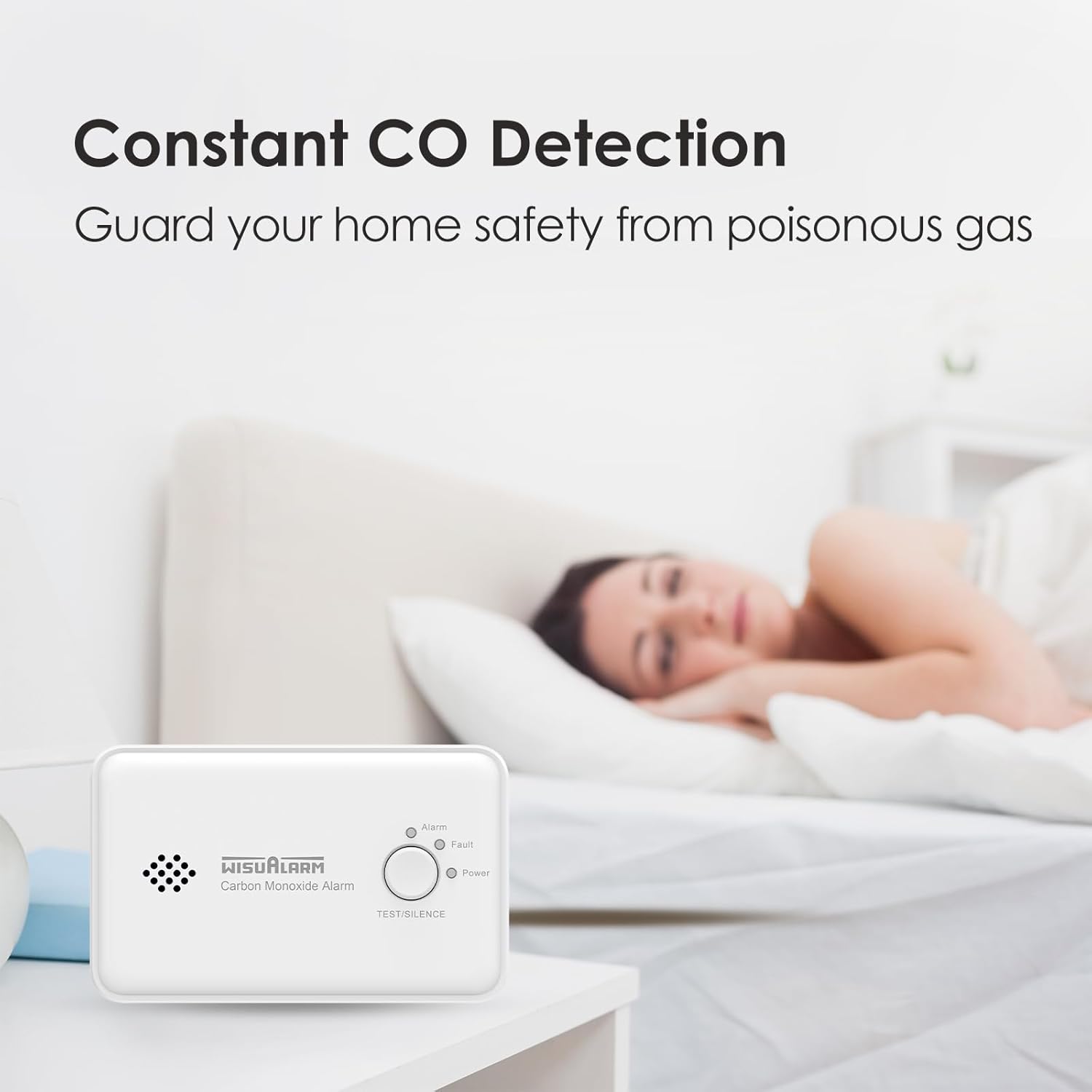
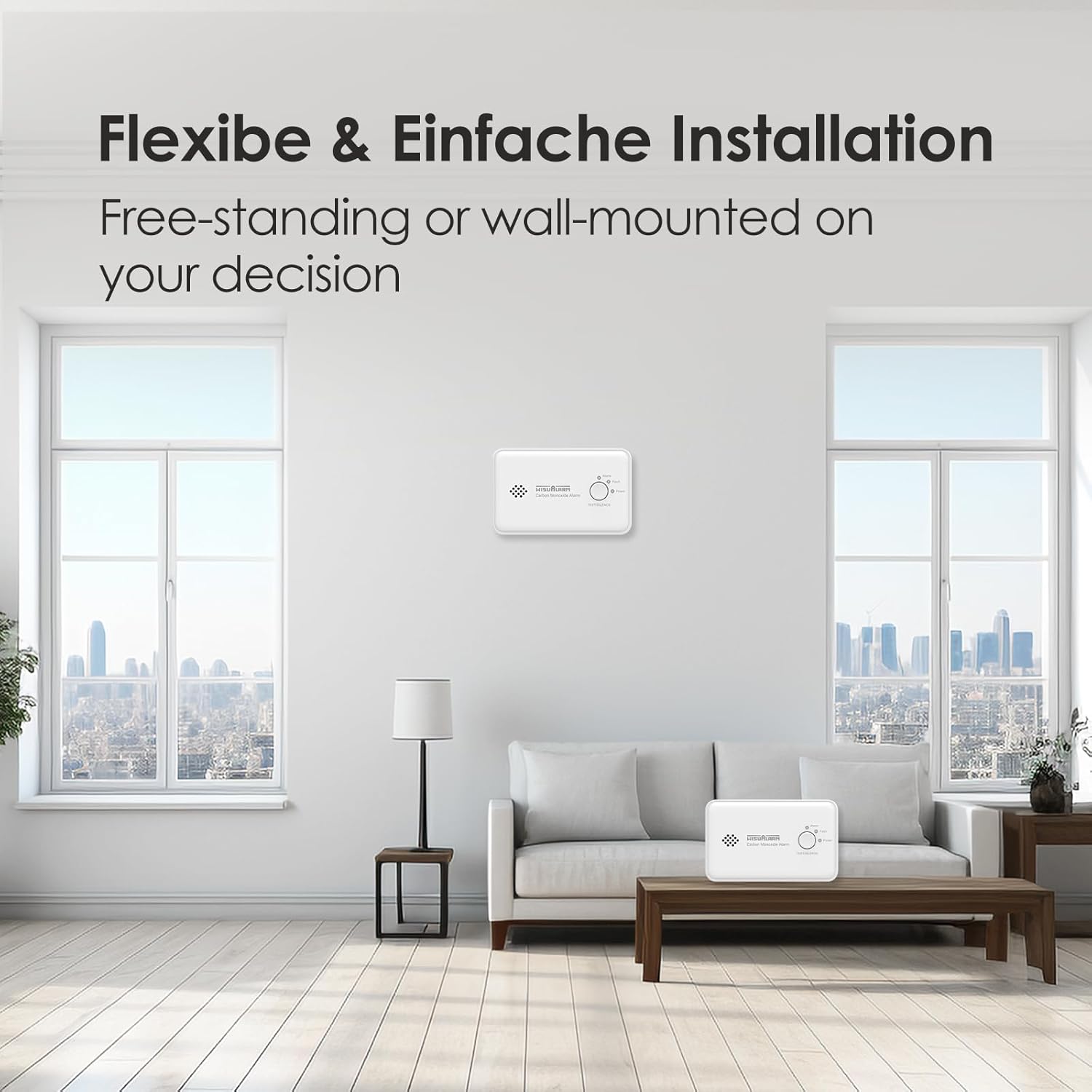
Installation is flexible and straightforward. The unit can be wall-mounted using screws or the supplied self-adhesive sticker, or it can be placed freestanding on a shelf. A test and silence button allows you to verify correct operation and to temporarily mute nuisance alerts while the issue is assessed. 🔧
Consider that this device detects carbon monoxide only and does not sense natural gas or methane. It is intended for indoor use and should be positioned following manufacturer guidance to ensure optimal detection.
Technical Specifications
- Name: Carbon Monoxide Detector
- Sensor life: 10 years
- Battery: 10-year replaceable battery
- Alarm sound level: 85 dB at 3 m
- Standards: EN 50291 (tested and certified by TUV laboratory)
Usage Recommendations
Place the detector in rooms with fuel-burning appliances, for example next to a boiler room, in a kitchen area where indoor barbecues might occur, or near a fireplace, remembering that it must be used indoors only. Avoid installing the unit directly above stoves or next to windows where drafts could affect readings. Test the alarm periodically using the built-in test button and replace the unit or its battery after the indicated service life.
Routine checks of the LED indicators will help confirm normal operation and reveal fault conditions early. If the alarm sounds, ventilate the area and follow local safety procedures for suspected carbon monoxide exposure, and consider contacting emergency services if symptoms are present.