

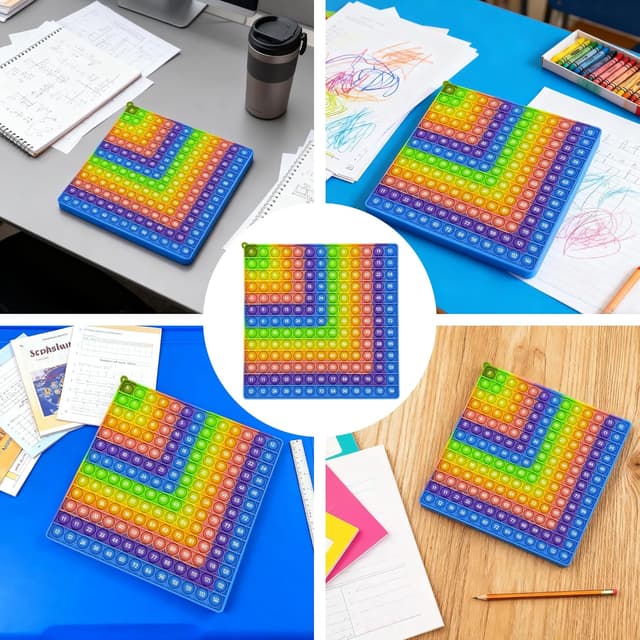
Briocht 12x12 Multiplication Pop Fidget Toy Maths Chart (Blue, right-angled side)
Product description
At a glance
This Briocht pop fidget toy is built around a maths chart theme: a 12x12 times tables layout that kids can practise by pressing the bubble points. On paper, it’s a mix of learning aid and sensory fidget, aiming to make multiplication feel less like “drill time” and more like something interactive.
You get a tactile way to reinforce times tables concepts, with 144 poppable bubbles designed for repeated practice. There’s also a clear stress/attention angle—pressing each bubble is meant to provide calming sensory feedback, which may help with focus and nerves for both children and adults.
It’s also positioned as classroom-friendly and home-use friendly, so if you’re after something that can move between learning sessions and “I need to concentrate” moments, this one’s worth considering—though it won’t replace proper teaching if your child needs more structured support.
What matters most (key takeaways)
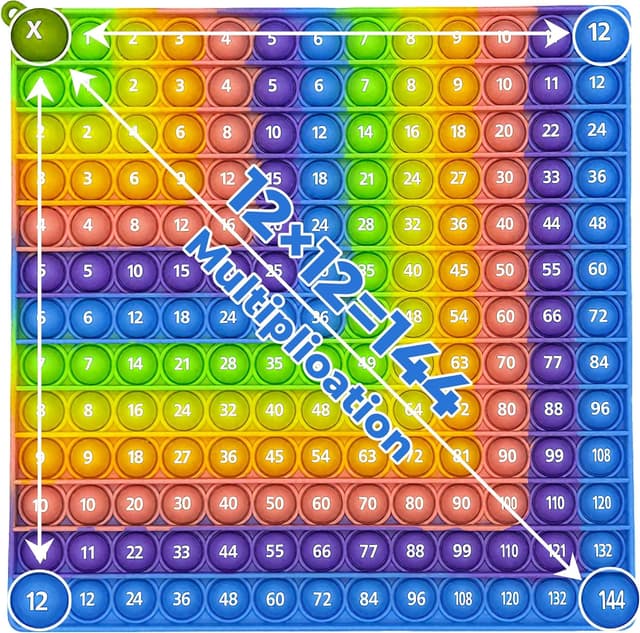
The headline feature here is the 12x12 maths grid with bubble pressing. That gives you two benefits at the same time: visual reinforcement for multiplication and a physical action kids can do rather than just reading or writing.
The “popping” experience is also central to the design. If your child responds well to sensory input, the satisfying sound and feel are the whole point, if they don’t, it could become distracting. Either way, it’s designed to be re-used over time, and the material is washable.
Worth noting: it’s described as an ADHD/stress/anxiety relief style toy. That’s a reasonable use case, but it’s still a fidget. It may help some learners settle and concentrate, but it’s not a medical intervention.
The essentials (what it’s for)
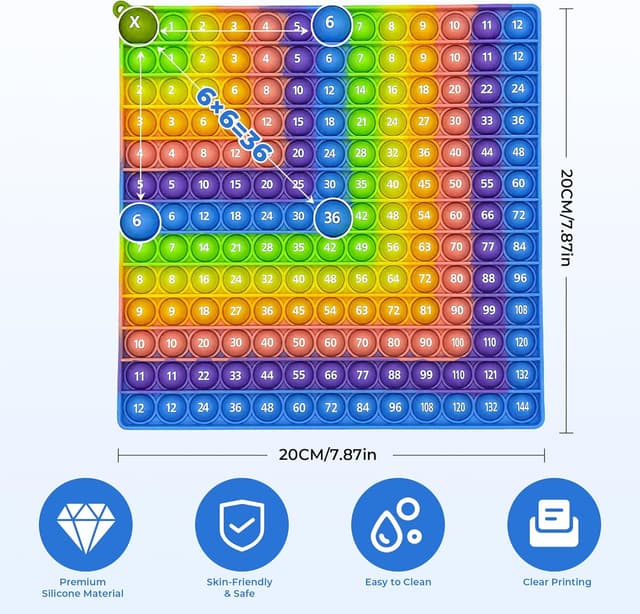
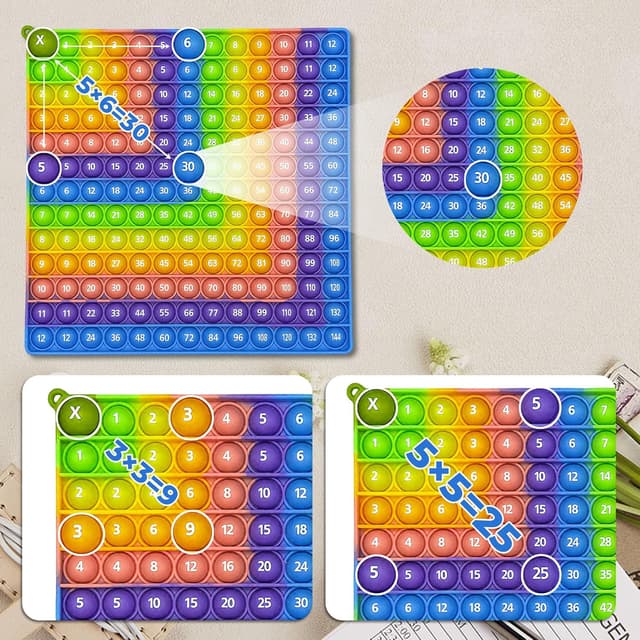
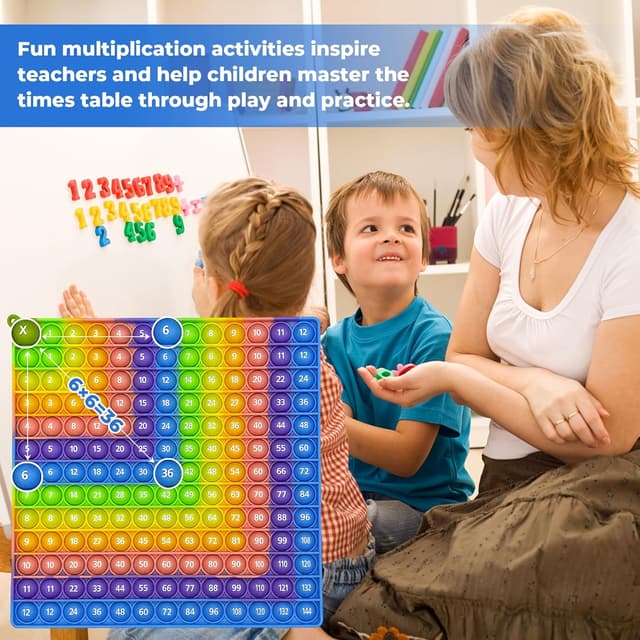
Use it as a times tables practice tool, especially when conventional methods feel like a battle. A simple example: sit together, pick a multiplication you want to practise (like “3 times what?”), then ask your child to press through the relevant bubble positions on the 12x12 chart. The visual grid plus the physical pressing can make the pattern easier to remember.
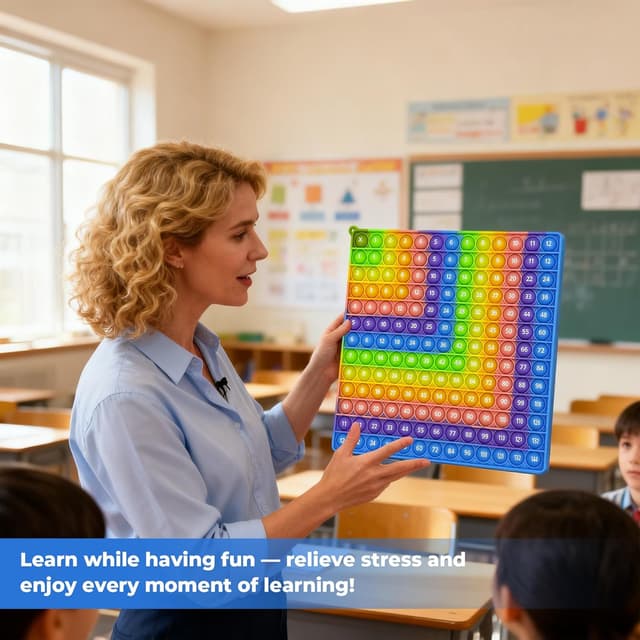
In a classroom, teachers can use it as an interactive “hands-on” reinforcement during maths lessons. At home, parents can bring it out for short bursts of practice—particularly when kids are restless or struggle to stay focused long enough to do paper worksheets.
What stands out in day-to-day use
The best part of this toy, based on its design intent, is the combination of learning and sensory feedback. Many times tables resources stay purely visual (charts, flashcards) or purely written (worksheets). This sits in the middle: kids engage their hands while still seeing the multiplication layout.
The bubble count—144 satisfying bubbles for a 12x12 times tables—also matters. A larger grid can give you plenty of practice coverage without constantly resetting.
The silicone build is another practical plus. It’s stated as eco-friendly, non-toxic, washable, and durable, which is useful if it’s being handled frequently or used in school settings.
Where it might fall short
It may not suit every child. If the popping sound is a problem in a quiet classroom, or if a child finds fidget toys over-stimulating, it could end up being more of a distraction than an aid.
Also, while it supports multiplication practice, it’s fundamentally a times tables learning tool. If you’re looking for a broader maths curriculum resource (fractions, algebra, problem-solving strategies), you’d likely need something else alongside it.
Is it a good fit for your situation?
It’s a good fit if you want a reusable, hands-on times tables practice aid that can also double as a calming sensory option.
It’s not for you if your priority is a quiet learning tool that keeps sensory input to a minimum, or if your child needs more structured teaching than a practice aid provides.
A solid pick if you’re aiming for a classroom and home multipurpose learning-and-fidget approach, especially for short practice sessions and attention support.
What to check before you buy
Before committing, it’s worth thinking about where it will be used most: a lively classroom or a quieter home environment. Because the experience involves pushing bubbles and a satisfying popping sound, consider whether that fits the setting.
Also, check that your child actually enjoys tactile/sensory activities. If they prefer traditional flashcards or writing practice, this may not hit the right learning style.
Finally, confirm the exact format you want: the listing specifies a “Blue right-angled side” version, so if you have a preference for layout and how it sits on a desk, that detail can matter.
Mini FAQ
Is it mainly a learning tool or a fidget?
It’s designed as both: a visual pop times table 12x12 learning tool and a fidget-style toy meant to provide calming sensory feedback.
What is the times tables coverage?
It’s a 12x12 multiplication layout, built around 144 poppable bubbles.
Is it suitable for classroom use?
Yes, it’s described as ideal for classroom and home use, with teachers using it as an interactive teaching/reinforcement option.
Is the material safe and reusable?
The toy is described as made from eco-friendly silicone, non-toxic, washable and reusable.
Should it be used for anxiety or stress?
It’s positioned as helping relieve anxiety and stress through sensory feedback, but it’s still a toy rather than a substitute for any specialist support.
Final verdict
If you want a practical, hands-on way to reinforce multiplication—while also giving kids something physical to do when they’re restless—this Briocht 12x12 pop maths chart is a sensible choice. It leans more toward learning through touch and repetition than toward quiet, low-stimulation study. And if a child enjoys tactile fidgets, the bubble pressing concept can be genuinely motivating. Just be cautious if sound and sensory input are likely to cause problems in your setting or if you need a more traditional or structured learning approach.