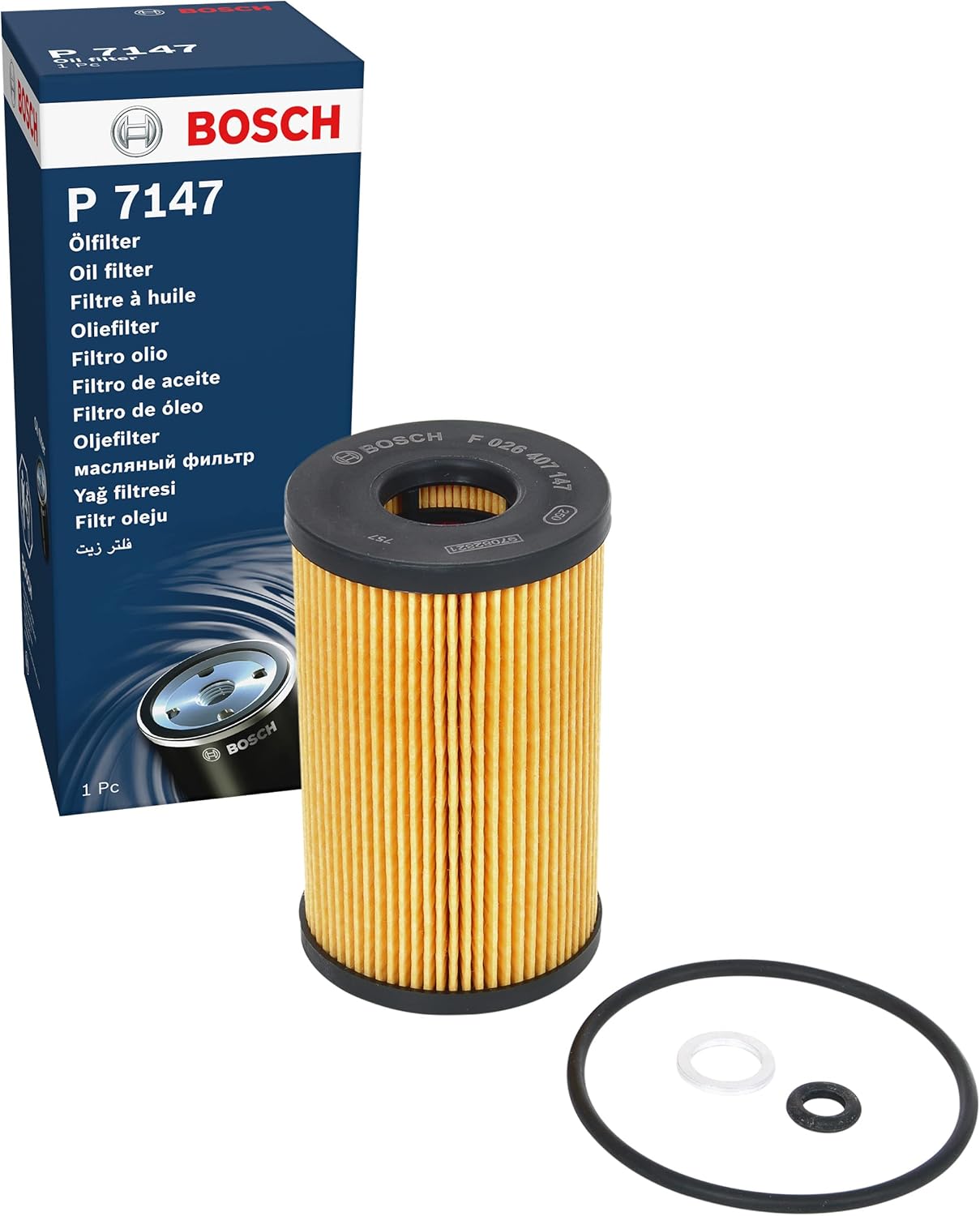
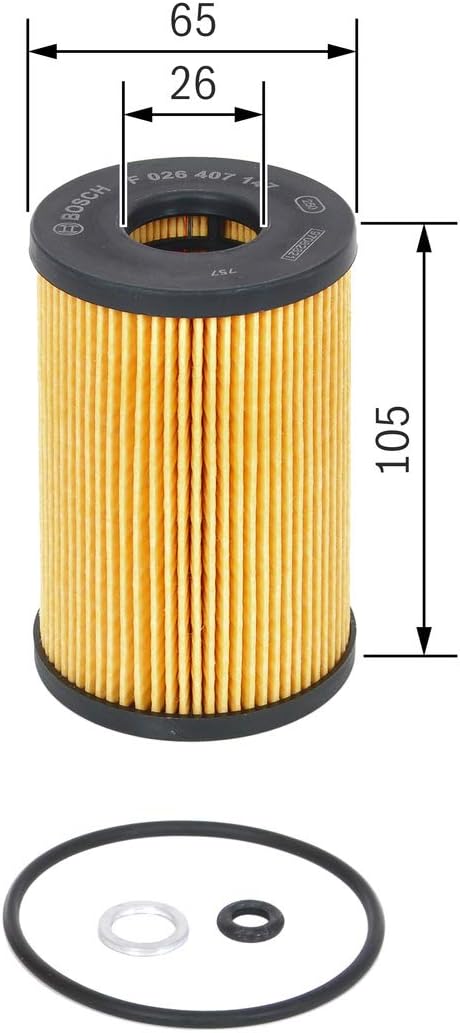
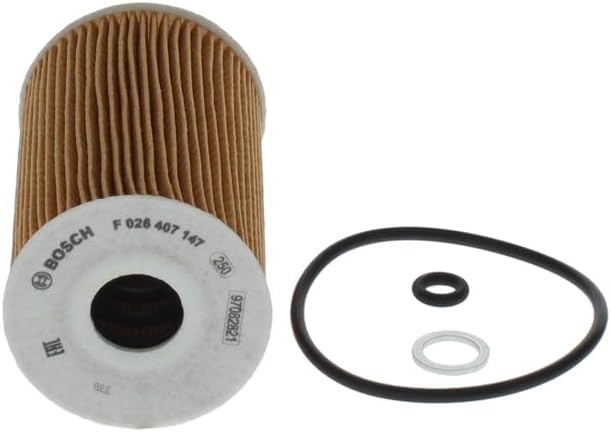
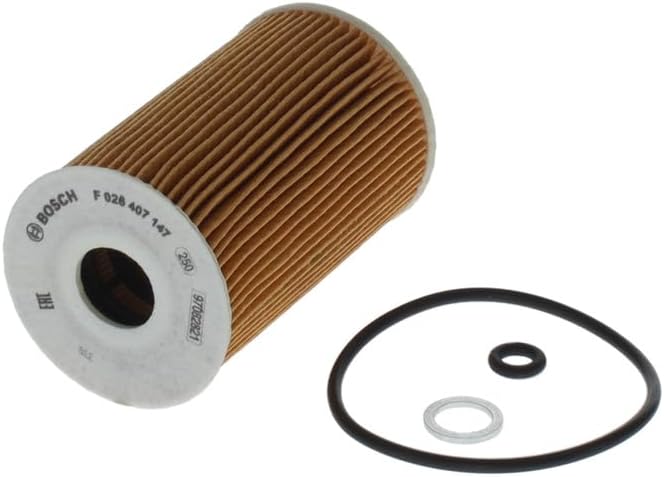
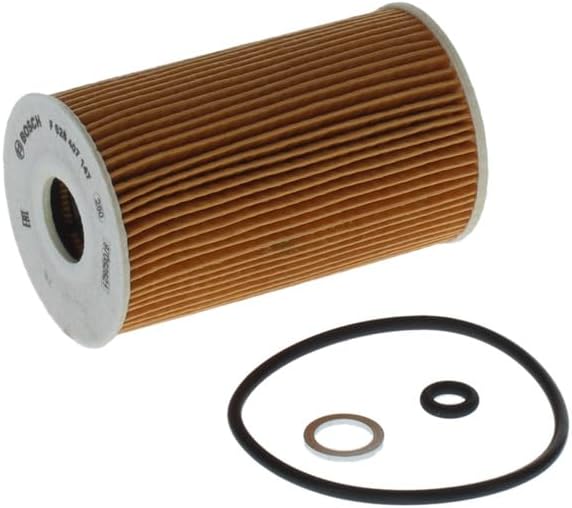
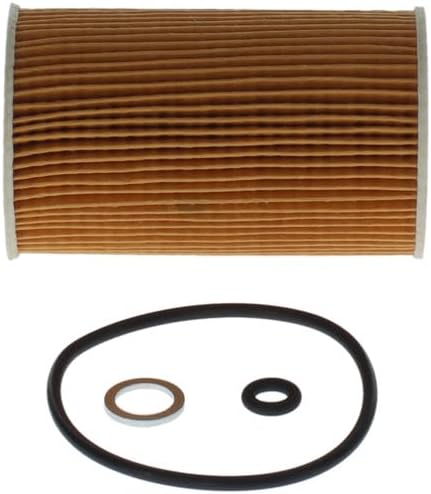
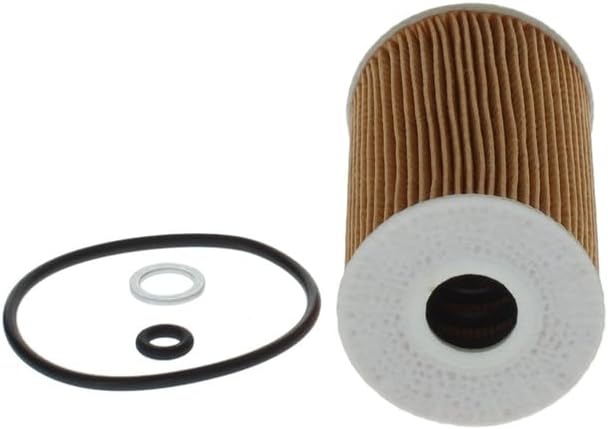
What it is and what it solves\nThe Bosch P7147 is an automotive oil filter designed to help keep engine lubrication reliable by separating soot and metal particles from oil. Built to endure harsh fluids and demanding conditions, it aims to minimise oil contamination and support steady oil flow across a wide range of temperatures and pressures. On the surface, the concept is straightforward: cleaner oil means less wear and more consistent engine performance.\n\n## How it performs on the road\nOn paper, the unit is constructed with robust materials and paired seals to prevent leaks, which is important since leaks can undermine lubrication and introduce air into the system. It uses a precise fit and compatible seals to reduce the chance of oil seeping past the gasket. The filter is subjected to industry-standard dust retention, filtration efficiency, and functional tests to meet the vehicle manufacturer’s expectations. It’s positioned as a straightforward replacement that aligns with the vehicle’s original parts standards.\n\n## Key specifications (as stated)\n- Unpacked diameter: 66 mm, height: 105 mm.\n- Designed to withstand aggressive liquids and harsh operating conditions.\n- Built with durable materials to support long service life.\n- Seals provided for proper assembly to minimise oil leaks.\n- Compatibility guidance is via VIN-based search to identify the correct fit for each car.\n- Installation is advised to be carried out by trained professionals.\n\n## What stands out and where it might fall short\nThe strongest point is its emphasis on durability and faithful reproduction of original-parts standards, which can be reassuring for owners seeking long-term reliability. The focus on separating soot and metal particles addresses a common concern for engine cleanliness. However, the listing provides limited detail on filtration efficiency, dust-loading capacity, or exact compatibility beyond VIN lookup. This means you’ll want to confirm fit for your specific vehicle before buying.\n\n## Who it’s for\nIf you prioritise a manufacturer-backed solution that adheres to standard maintenance expectations and you want a direct replacement that mirrors original parts, this Bosch filter could align with your needs. It may be especially appealing if you’re after dependable lubrication across typical driving conditions and you prefer a product with established brand credibility.\n\n## Who it isn’t ideal for\nIf you’re seeking highly granular performance data, or if your vehicle requires a non-standard filter design, you might want to compare options with more explicit performance metrics or consult your vehicle’s service guidance. It may also fall short for enthusiasts looking for aggressive filtration specs or unusually long service intervals.\n\n## When to buy and when to hold off\nBuy when you’ve identified a VIN-compatible Bosch P7147 and you want a maintenance item that mirrors OEM standards with a focus on durability and leak prevention. Hold off if you aren’t sure about fit, or if you need detailed filtration performance data before committing.\n\n## What to check before purchasing\n- Verify vehicle compatibility via VIN search to ensure the P7147 is the correct oil filter for your car.\n- Confirm that the installation environment requires a durable filter with seals that minimise leaks.\n- Be aware that professional installation is recommended, which can affect overall maintenance time and cost.\n\n## Practical usage scenario\nImagine you’re performing routine maintenance on a mid-range car. You want to trust that the oil continues to move freely as engine loads shift from city driving to motorway cruising. The Bosch P7147, with its durable build and emphasis on reliable lubrication, offers a straightforward replacement path that aligns with typical garage procedures. The real test comes with long-term oil cleanliness, if your driving profile includes frequent short trips or severe operating conditions, it’s sensible to monitor oil condition and intervals.\n\n## FAQ (based on available data)\n- Q: How do I know if this filter fits my car? A: Use the VIN search function to identify the correct filter for your vehicle.\n- Q: Is installation suitable for a DIYer? A: Installation is recommended to be carried out by trained professionals.\n- Q: What is the main benefit? A: It aims to separate soot and metal particles to support reliable engine lubrication.\n- Q: What about filtration performance specifics? A: The listing notes powder retention and filtration efficacy tested to OEM standards, but exact metrics aren’t provided here.\n- Q: How long does it last? A: The product is described as long-lasting and built to withstand harsh conditions, but exact service intervals aren’t specified.\n\n## Is it worth it?\nIt makes sense if your priority is a durable, OEM-aligned filter that emphasises reliable lubrication and compatibility via VIN lookup, rather than a filter with highly detailed technical performance data. If you prioritise explicit filtration figures or non-standard filter designs, you may want to compare alternatives.