

Boobrie Upgraded 3M SMA Male to SMA Male RG58 Coaxial Patch Lead (low-loss, 50ohm)
Product description
What it is and why people buy it
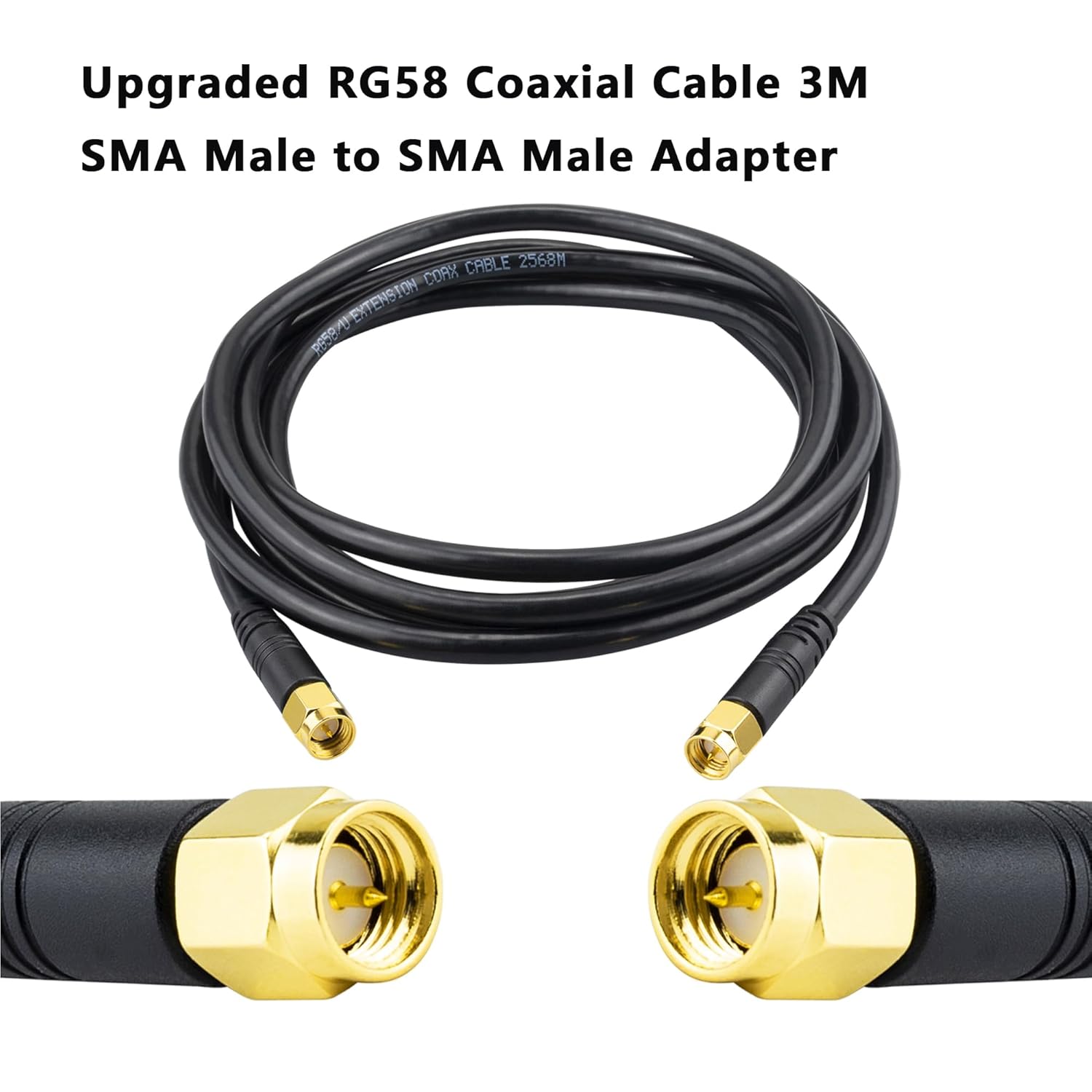
This Boobrie Upgraded 3M SMA Male to SMA Male cable is a coaxial RF patch lead for linking devices that use SMA connectors. On paper it’s a pretty straightforward “extension/connection” part, but the details matter with RF gear: small changes in cable construction can affect signal loss, and the connector area tends to be where cheap leads fail first.
Boobrie positions this as an upgraded RG58 version with low-loss design elements and improved durability around the joints. If you’re wiring up a WiFi antenna, extending an antenna feed, or setting up SDR equipment that uses SMA connections, this is the sort of cable you’d choose when you want less fuss and less degradation than with the most basic RG58 leads.
The essentials: signal loss and shielding
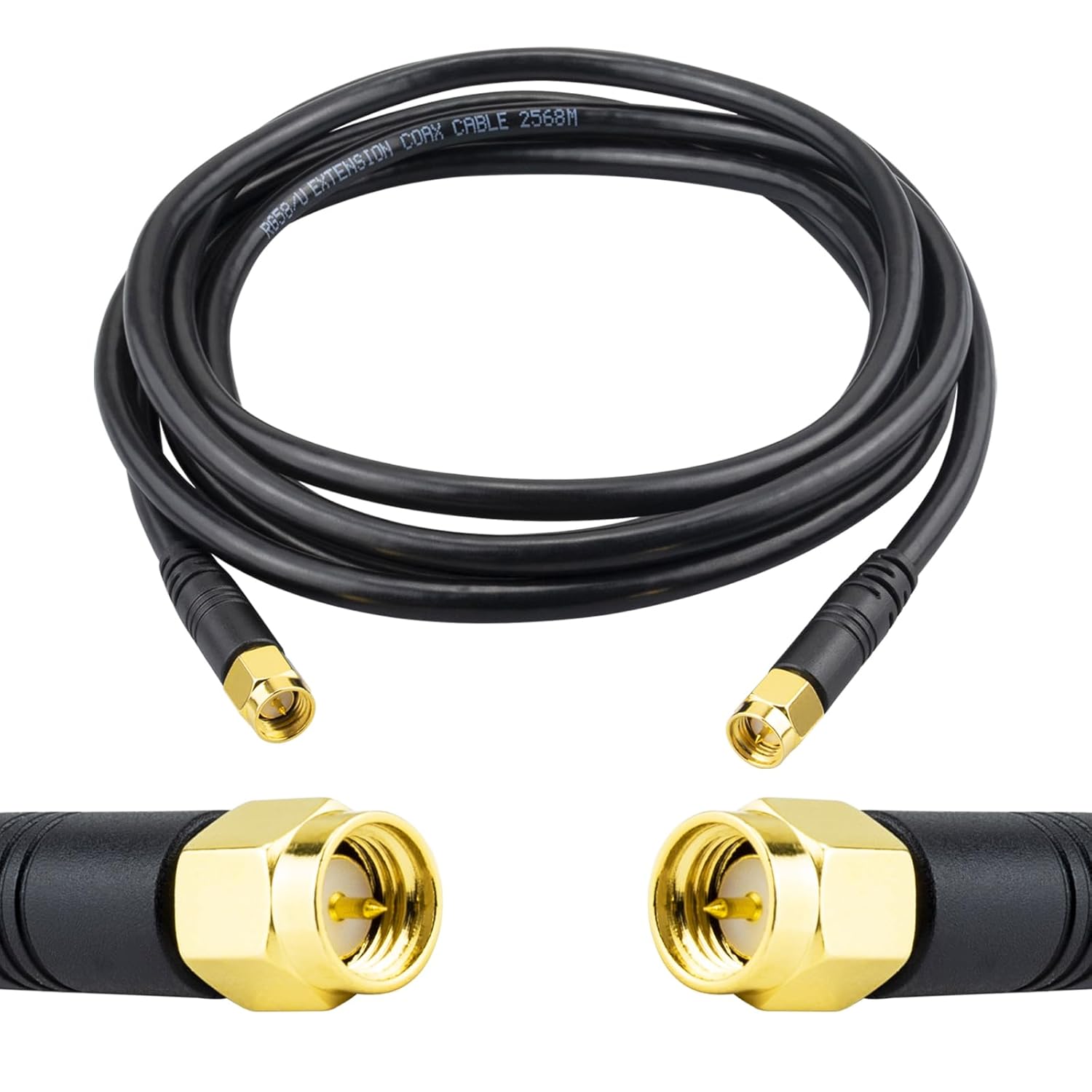
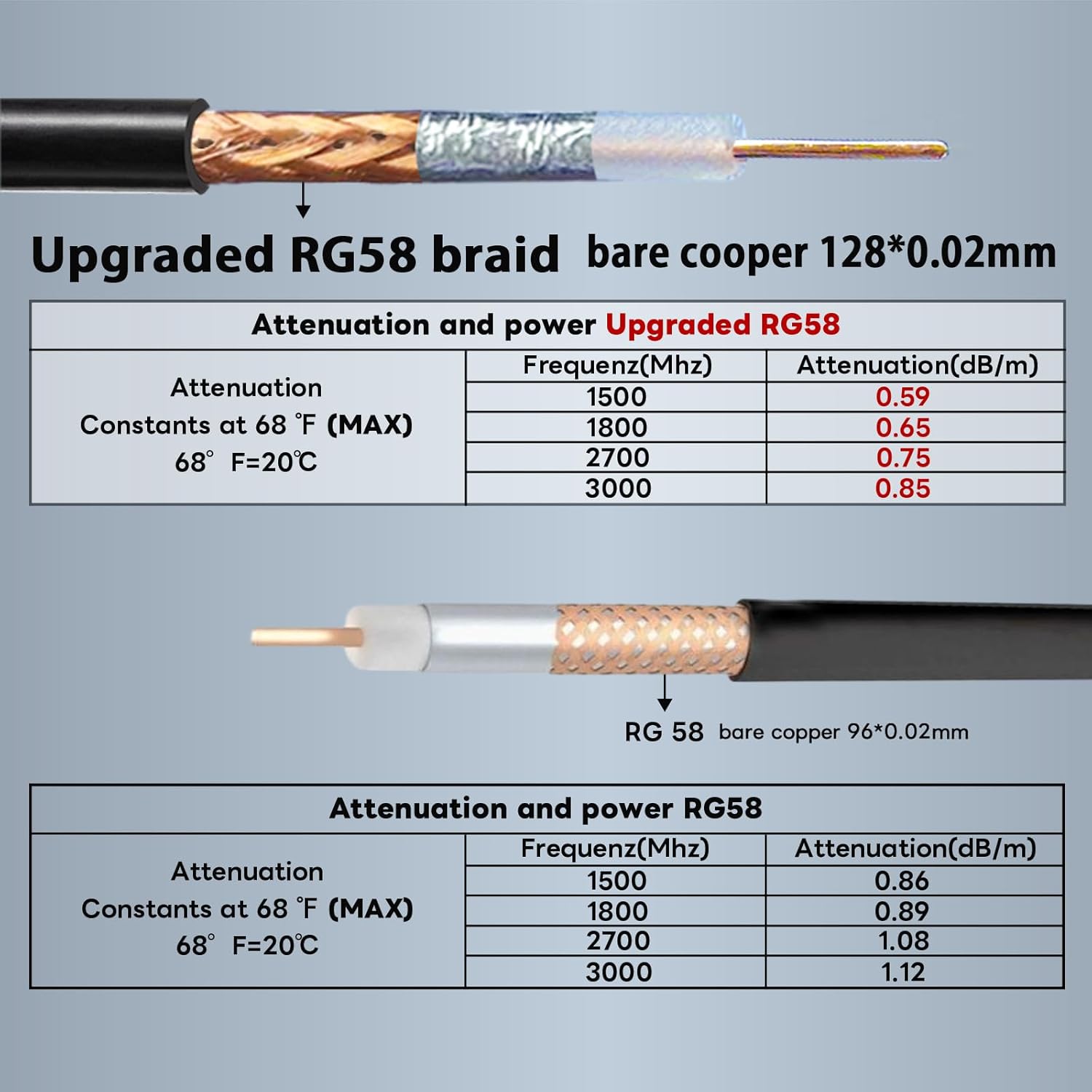
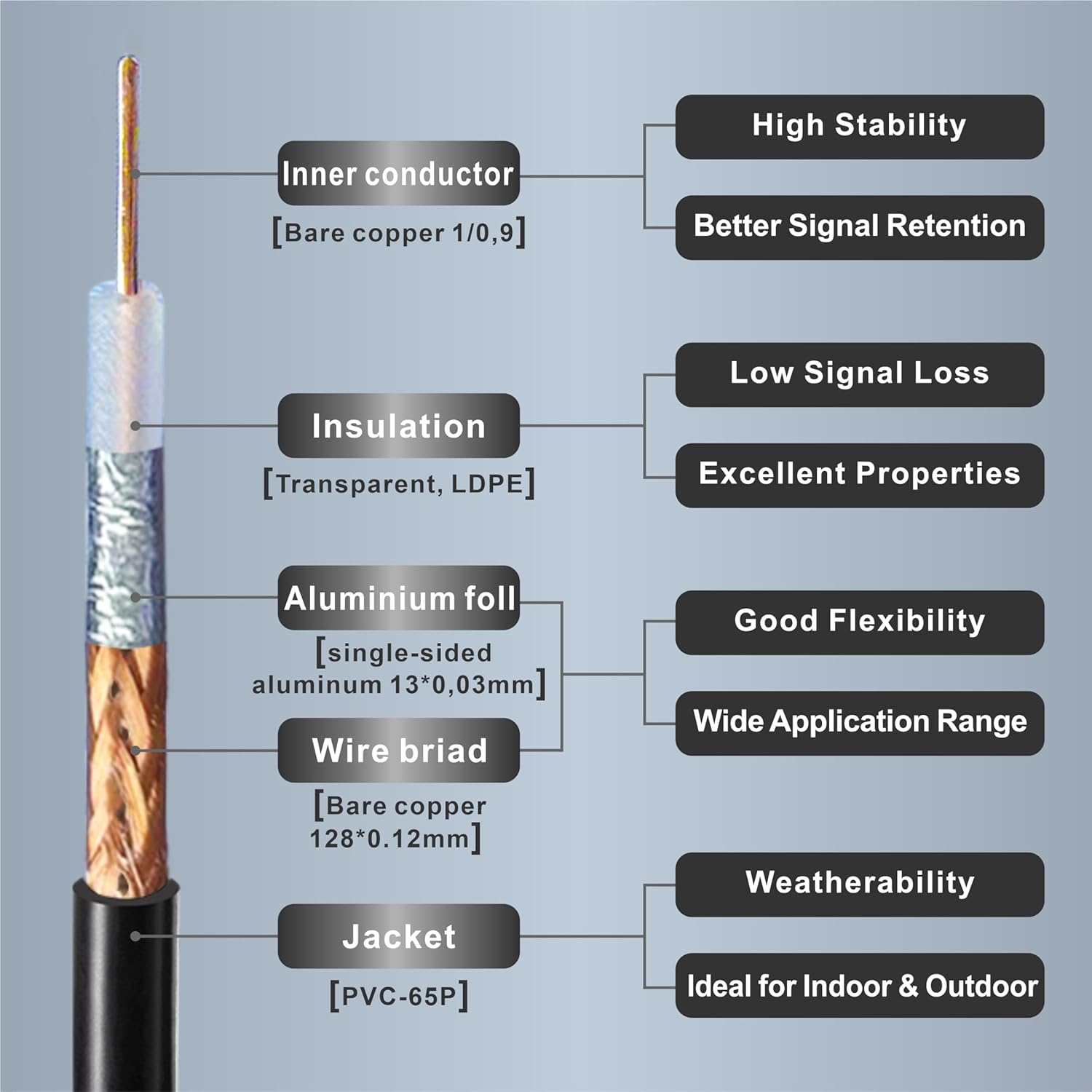
The headline spec here is 50±2 ohm impedance, which is the sort of match you look for in typical 50ohm RF setups. The cable also claims low-loss behaviour thanks to an “enhanced shielding technology” with an updated shielding layer weaving process.
Specifically, the shielding weaving count is said to be increased from 96 to 128. The seller’s logic is simple: more weaves can help reduce signal loss at the same frequency and length. There’s also a stated comparison versus regular RG58: a 25% reduction in signal loss at the same frequency and length (as described in the provided information). That’s the kind of claim that can be meaningful if your setup is sensitive to attenuation, but do keep expectations realistic—this is still a coaxial patch lead of a defined length and it can’t replace better RF design practices.
What you’ll notice day to day: joints and bends
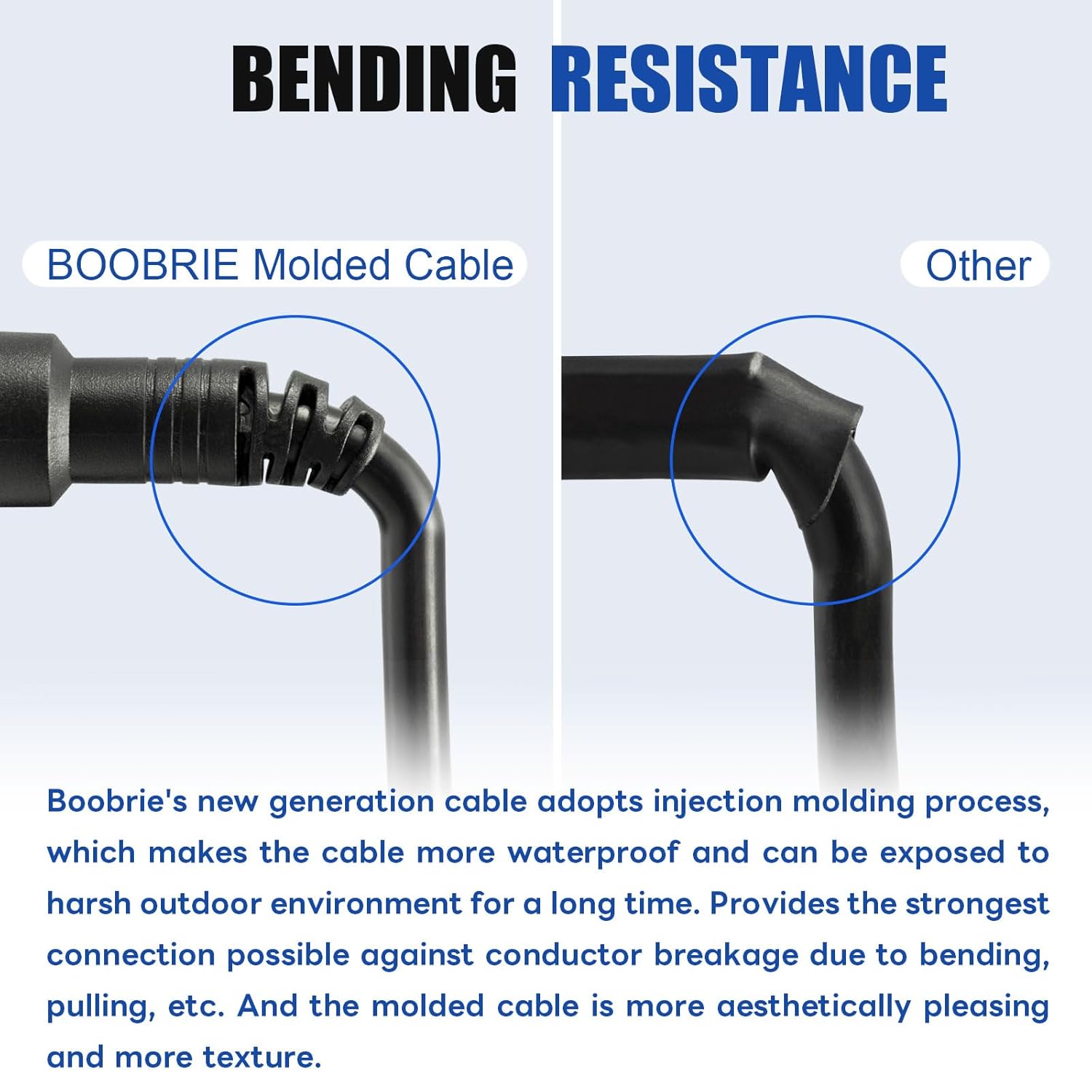
Another area the listing leans on is durability. The cable uses a “brand new injection moulding process” designed to improve flexibility at the joints, which is useful if your installation involves awkward routing or a tight gap.
It’s also claimed to handle large-angle bends more easily than standard alternatives, and the joint lifespan is said to be tested to withstand over 600 bending cycles. That’s not the same as saying it’ll never fail—cables still get worn—but for anyone who regularly moves gear around (or mounts antennas where the cable has to bend more than once), this construction choice is genuinely relevant.
Worth noting: the listing focuses on joint flexibility, not on whether the cable is fully weatherproof. If you’re pushing this into harsh outdoor conditions, it’s sensible to check your overall installation needs (like strain relief and water protection) rather than assuming the cable alone will do everything.
Where it fits: practical use cases
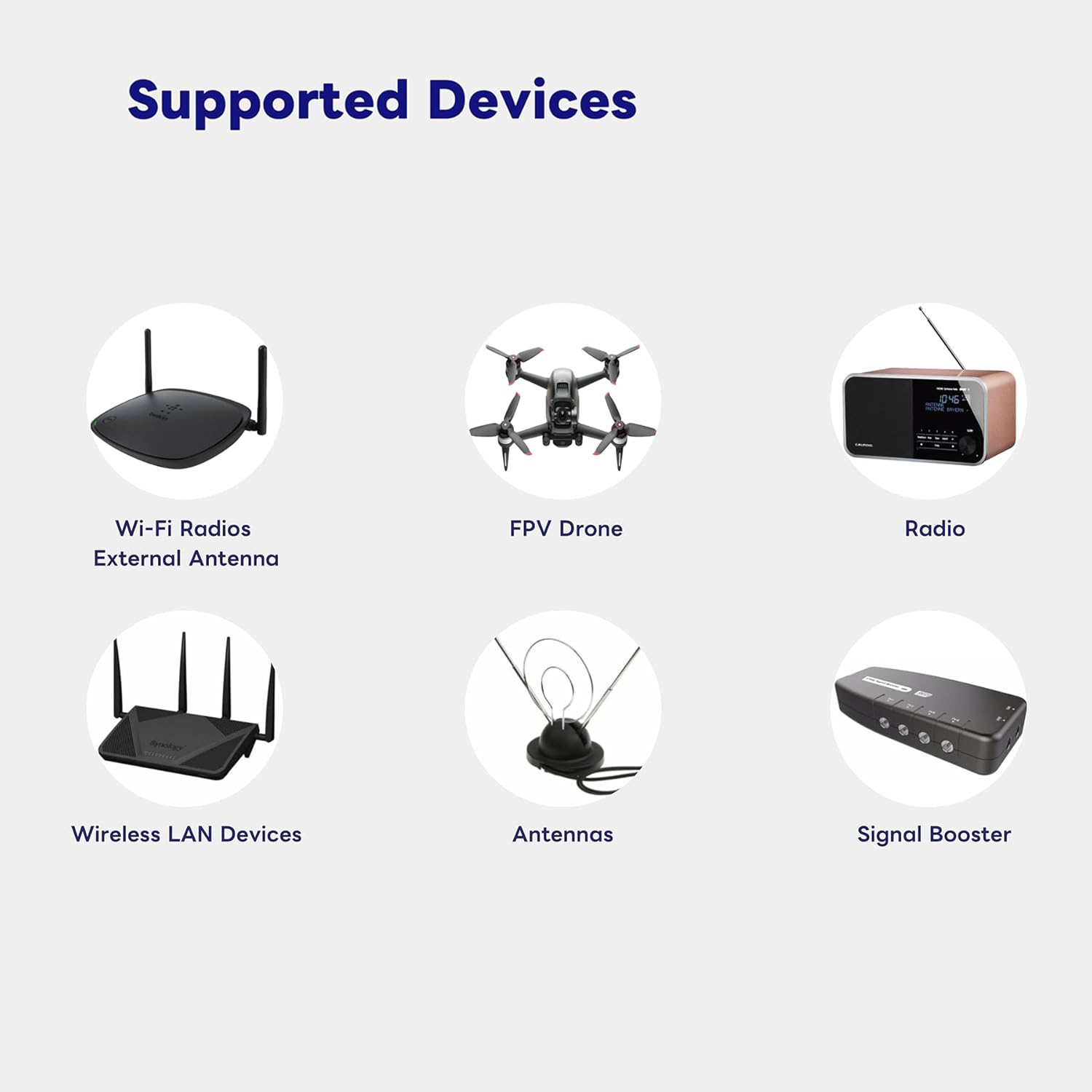
The provided range of application is broad, and it gives you a feel for where this type of lead is commonly used: connecting from an amplifier to a splitter, indoor/outdoor antenna setups, and extension leads for wireless cards with removable antennas.
It also calls out equipment styles like Explorer and Radio extension antenna use for RTL-SDR V3 software, Wimax USB SDR dongles, and portable radio/mobile phone antenna extensions. In other words, it’s aimed at people building or extending RF/antenna setups rather than general-purpose charging or audio/video wiring.
A concrete example: if you’ve set up an SDR to receive signals and you need the antenna positioned away from the SDR dongle, a 3M SMA patch lead like this can let you keep the SDR in a stable place while moving the antenna for a better location—without changing your antenna connector type.
Tech specs (the bits you should check first)
Here are the details from the listing that are most likely to affect whether the cable works for your plan:
- Type: SMA Male to SMA Male
- Cable type: RG58 coaxial cable (RG58/U coaxial cable)
- Length: 3 meters
- Impedance: 50±2 ohm
- Shielding: enhanced shielding technology with an increased shielding weave count (stated 96 to 128)
Pros, but also limitations
What stands out is the combination of low-loss-focused shielding claims and joint-focused durability. For RF hobbyists and people wiring routers/access points with antenna extension needs, that’s a decent “does the job and doesn’t hate being bent” approach.
The limitation is that the information provided doesn’t tell you about connector quality beyond “SMA Male to SMA Male”, and it doesn’t mention environmental rating (weatherproofing) or whether the cable is particularly low-flex compared with other RG58 options. So, if you’re dealing with severe outdoor exposure, heavy handling, or frequent swaps, it’s worth being a bit cautious and using proper strain relief and protection.
Is it worth it?
It makes sense to buy this Boobrie Upgraded 3M SMA Male to SMA Male RG58 patch lead if you want a 50ohm SMA-to-SMA coaxial connection for antenna or SDR-style setups, especially where signal loss and reliable bending at the joint are priorities.
It might not be the best match if you need a very specific frequency performance guarantee beyond the general low-loss claim, if your application depends on unknown weatherproofing, or if you’re buying without confirming the 50ohm requirement and SMA connector compatibility.
You’ll likely get the most value if your current cabling is the bottleneck—too lossy for your setup, or prone to joint strain when routed through cramped spaces. For simpler “just connect it and forget it” runs, you may not see a dramatic difference, but for antenna extension and RF patching, the upgraded shielding and joint design are at least addressing the usual pain points.
Mini FAQ
What does “50±2 ohm” mean for my setup?
It indicates the cable impedance is intended to sit around 50ohm (with a tolerance). If your RF equipment expects 50ohm coax, this is the kind of match you’re looking for.
Is this suitable for outdoor antenna runs?
The listing says “indoor outdoor antenna” in the range of application, but it doesn’t provide an explicit weatherproof rating. If it’ll be exposed, use sensible protection and installation practices.
Why choose an “upgraded RG58” cable over a basic RG58 lead?
Over the same length, the listing claims reduced signal loss thanks to enhanced shielding and a higher weave count, plus improved flexibility at the joints.
How should I route it to avoid cable strain?
Because the joint design is meant to handle large-angle bends, it can cope better than some cheaper leads—but you’ll still want to avoid sharp repeated kinks and use strain relief where the cable enters connectors or equipment.