

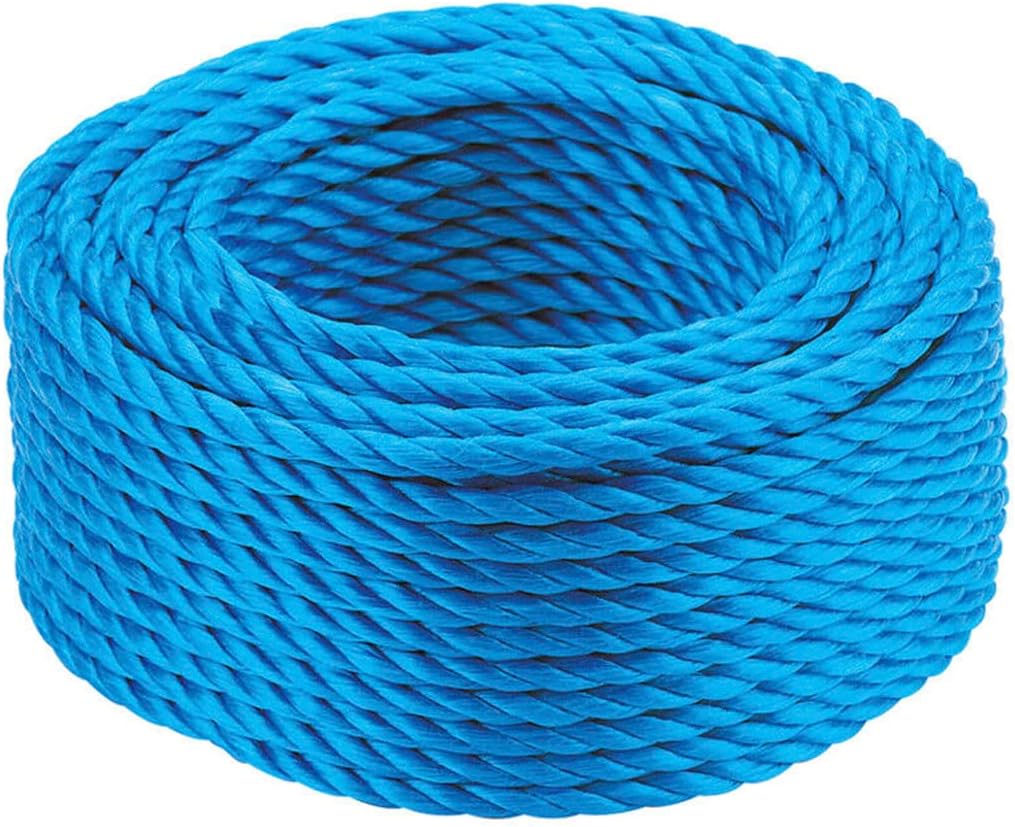
Blue 6mm polypropylene rope (30m) with 530kg maximum breaking load – hard-wearing 3-strand split film cord
Product description
What this rope is for
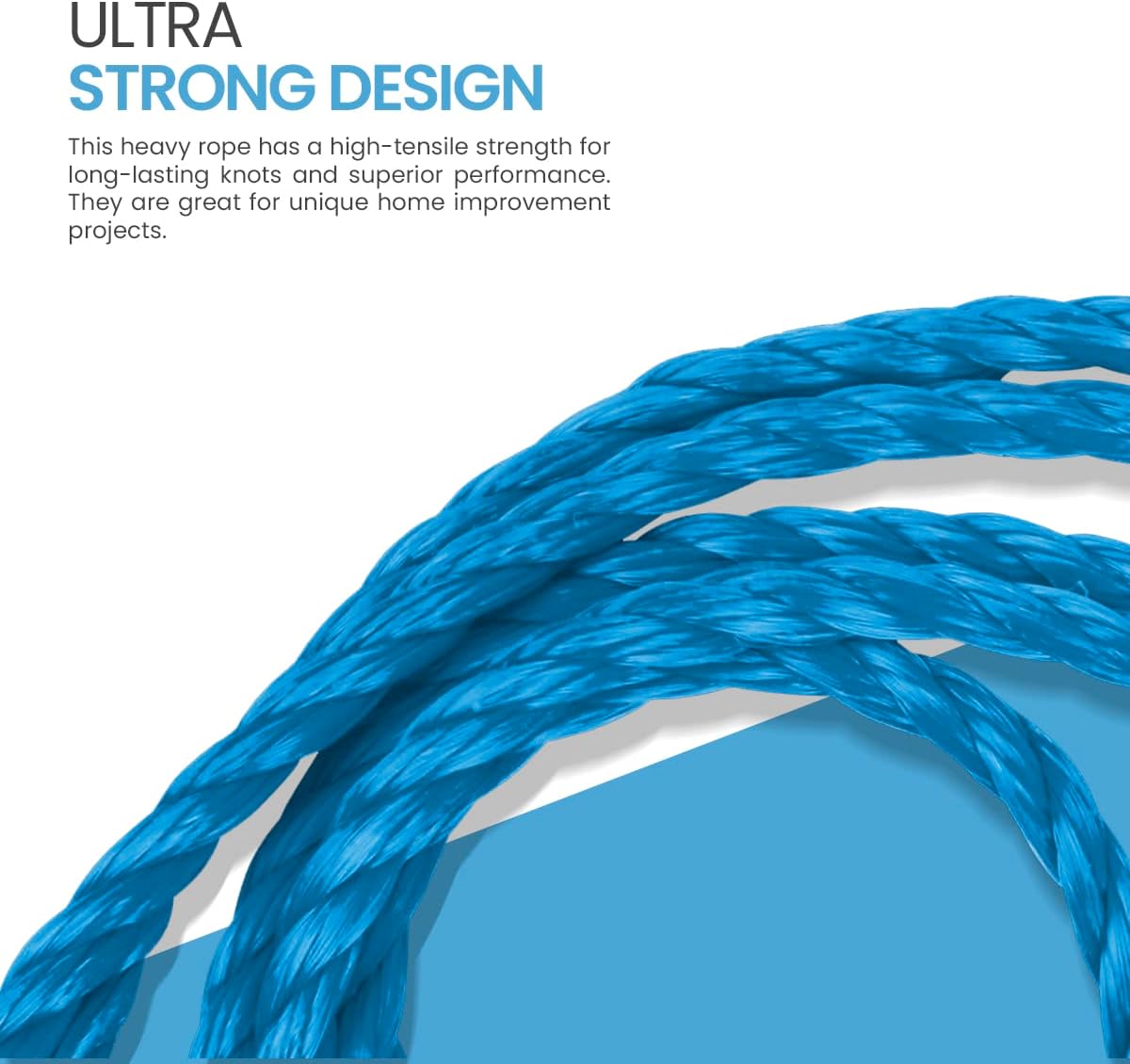
If you’re fed up with rope that goes limp under tension, frays after a few cuts, or simply feels “cheap”, this Blue polypropylene option is pitched as a tougher, more reliable everyday workhorse. It’s a 3-strand split film polypropylene cord in a bright blue, supplied in a 30m length with a 6mm diameter.
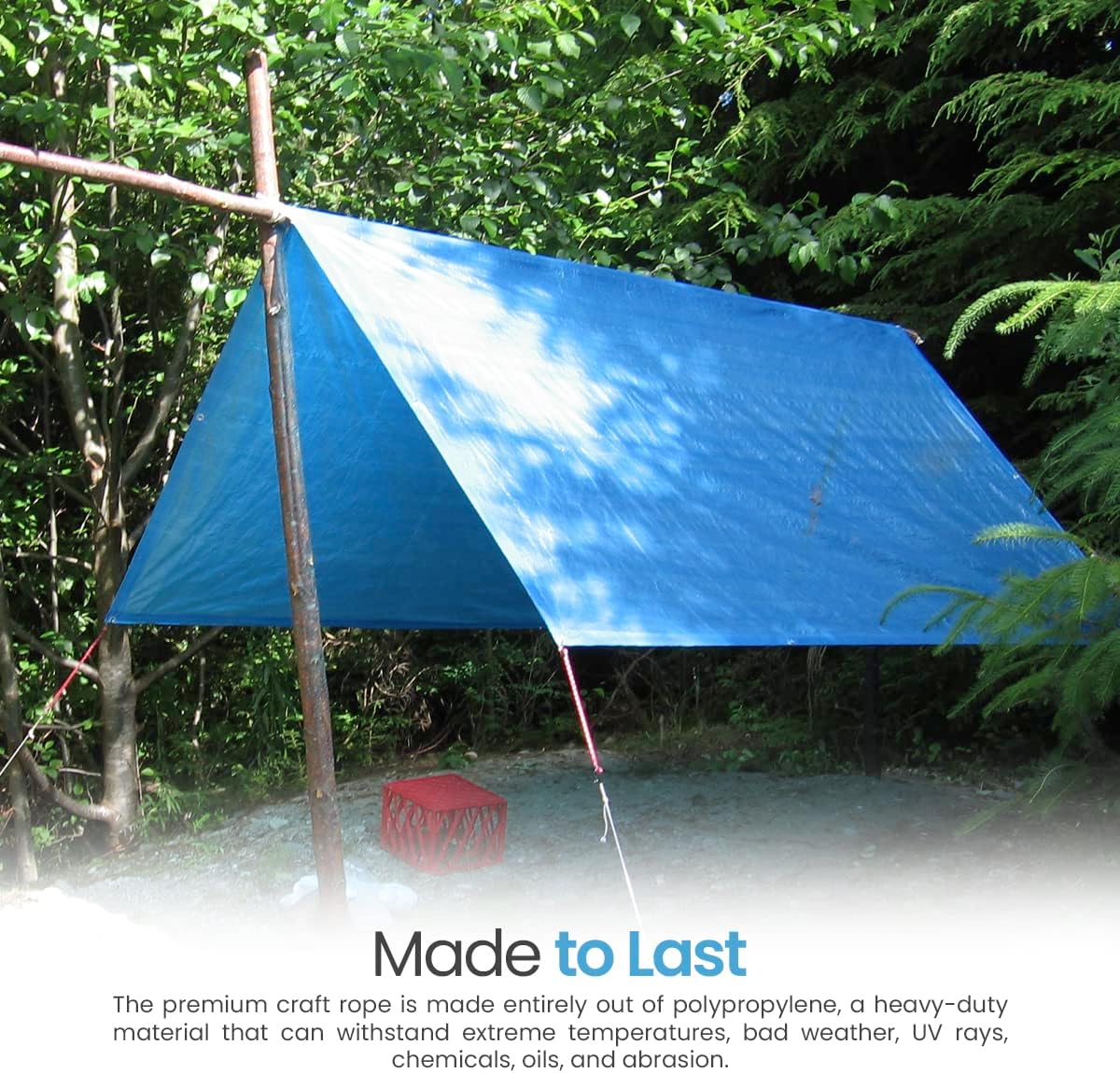
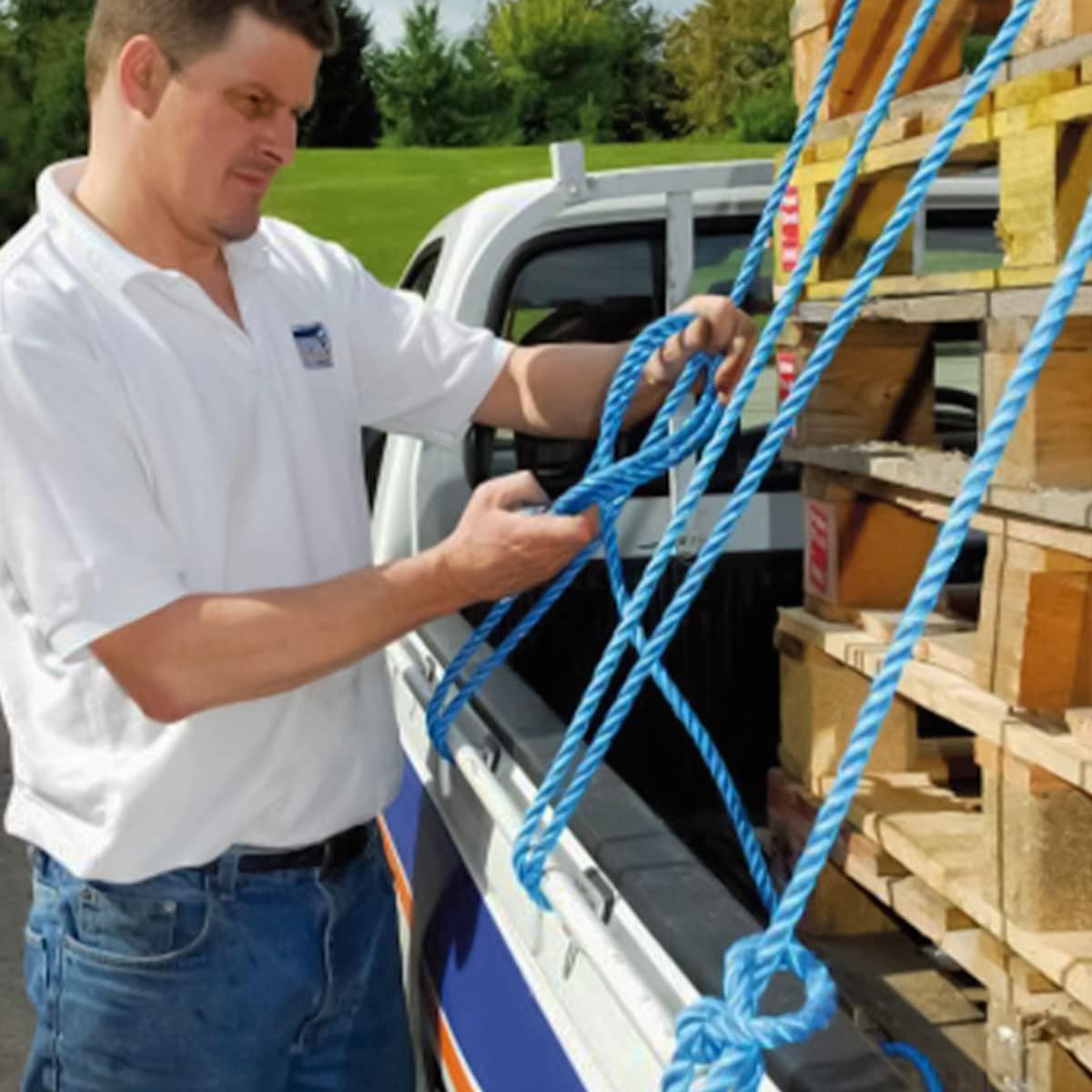
On paper, the main idea is straightforward: use it for tying, lashing and general outdoor jobs where rope needs to cope with regular handling. The description points to practical uses such as tarpaulin strapping and tie-downs, cargo/wrapping jobs, boating-related tying, washing-line style tasks, and DIY/craft applications.
It’s not marketed as a specialist life-safety rope. The stated figure is a maximum breaking load, and that matters mainly as a reference point—actual safe working use will depend on how you rig it, how many turns you add, knots used, and the conditions you expose it to.
Where it stands out (and what to watch)
The rope’s strongest selling points are its intended hard-wearing build and the claim that it can hold up to 530kg for a 6mm cord. The 3-strand split design is also presented as part of why it’s meant to stay usable instead of quickly fraying.
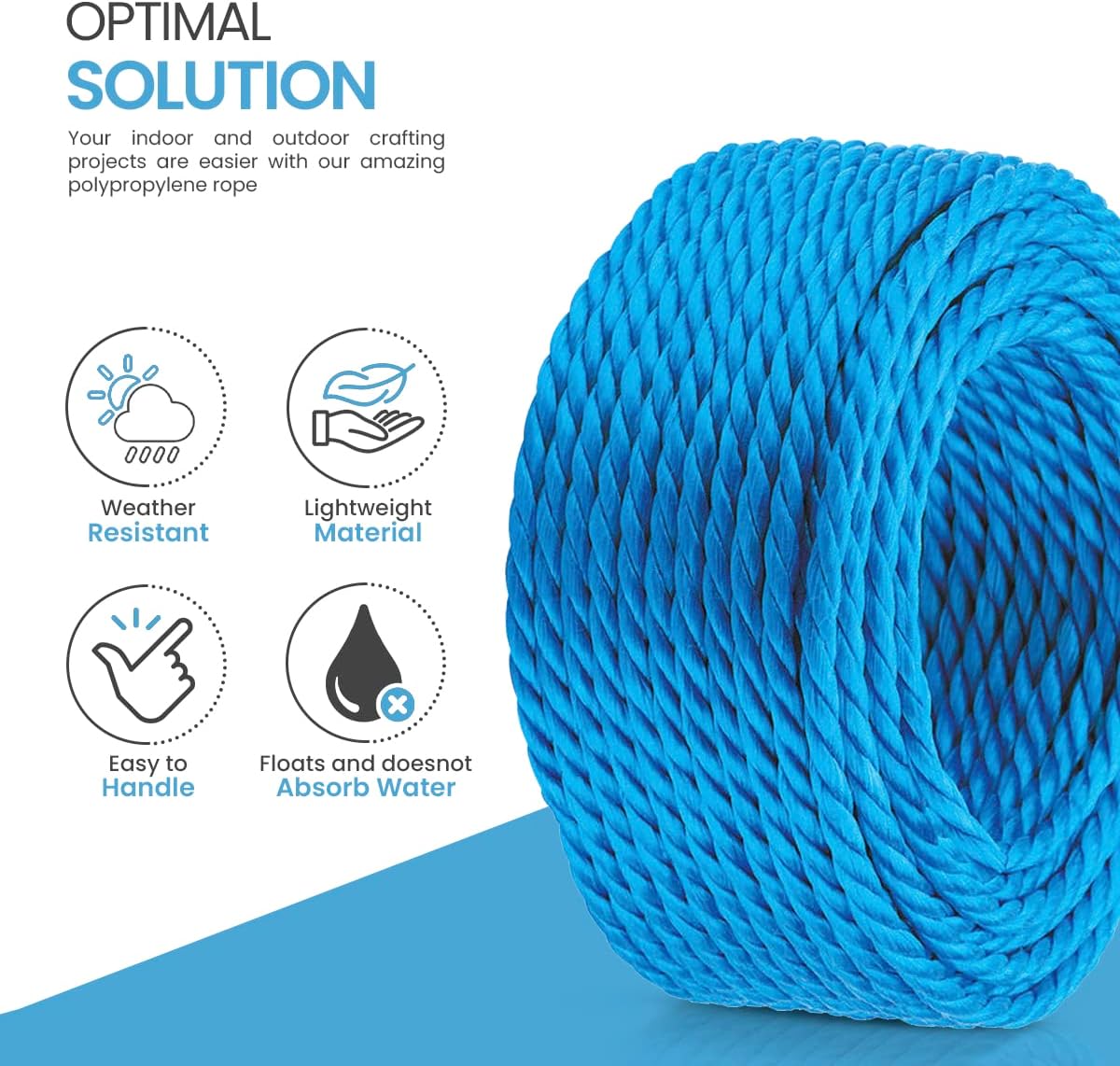
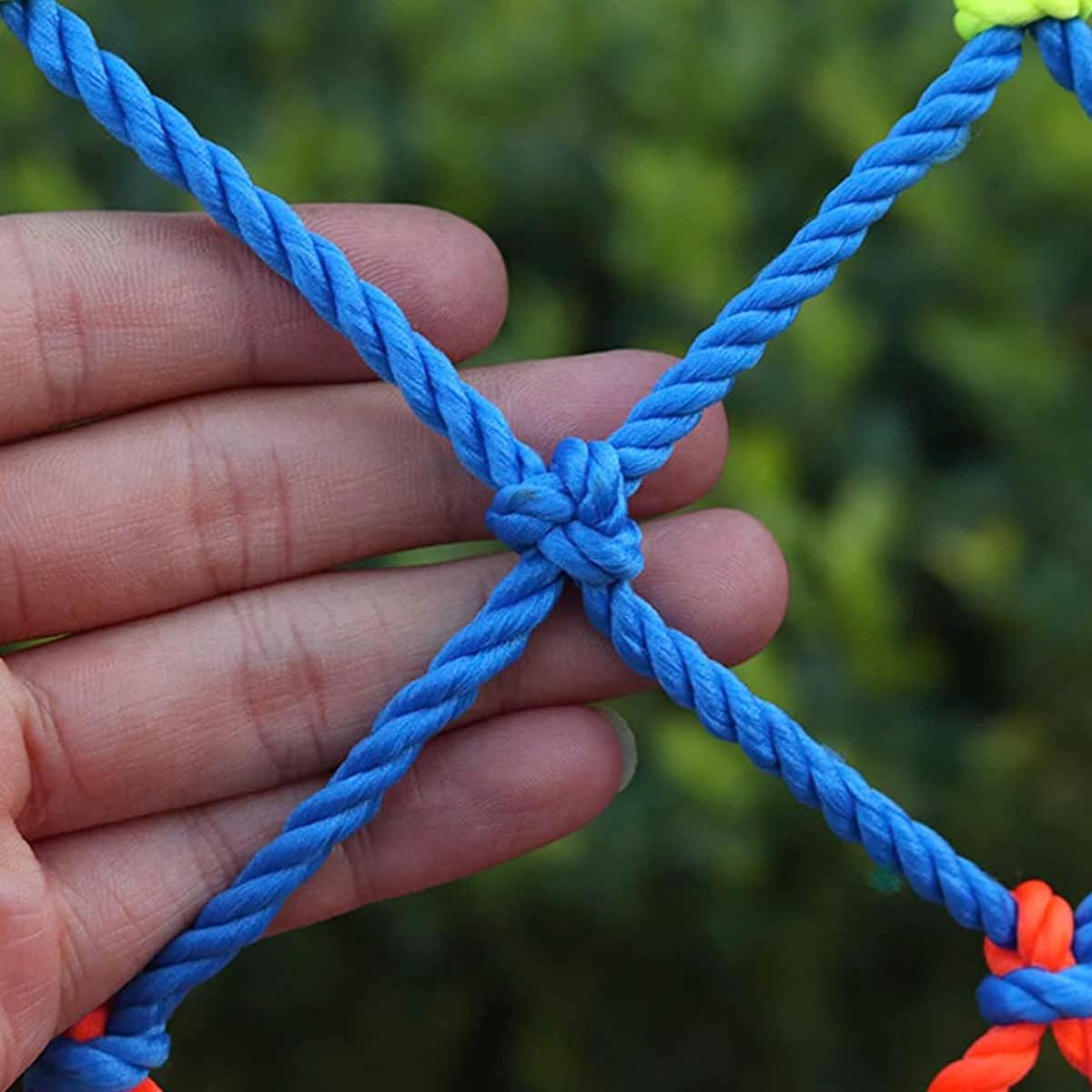
A couple of practical notes that help you decide: - The rope is described as waterproof and weather-resistant, plus “float” and “shrink-proof”. If you’re working around outdoors, tarps, boats or damp storage, that’s the sort of trait you’d hope for. - It’s described as lightweight and easy to handle, with easy knotting and ease of cutting.
Still, take the “maximum breaking load” number with care. Maximum breaking load is a worst-case reference, not a guarantee for how it performs in your exact setup. If you’re looking for performance where failure isn’t an option, you’d normally want more safety-focused detail (like recommended working loads) than what’s provided here.
What you’ll notice in use
Imagine you’ve just spread a tarpaulin over a garden load for a breezy day. With a decent diameter like 6mm, there’s enough body to tie tight without feeling overly flimsy. The claim of easy knotting suggests you shouldn’t be fighting the rope to get a secure bind, and the “easy to cut” point helps if you’re trimming lengths on the spot.
For cargo-style lashings (again, in the general tying/strapping sense described), a rope like this tends to be chosen because it’s flexible enough for knots but sturdy enough to keep its shape. For craft work and quick household repairs, the ability to cut cleanly and handle without constant fuss can be a real day-to-day win.
Key specifications
- Type: 3-strand split film polypropylene cord
- Colour: Blue
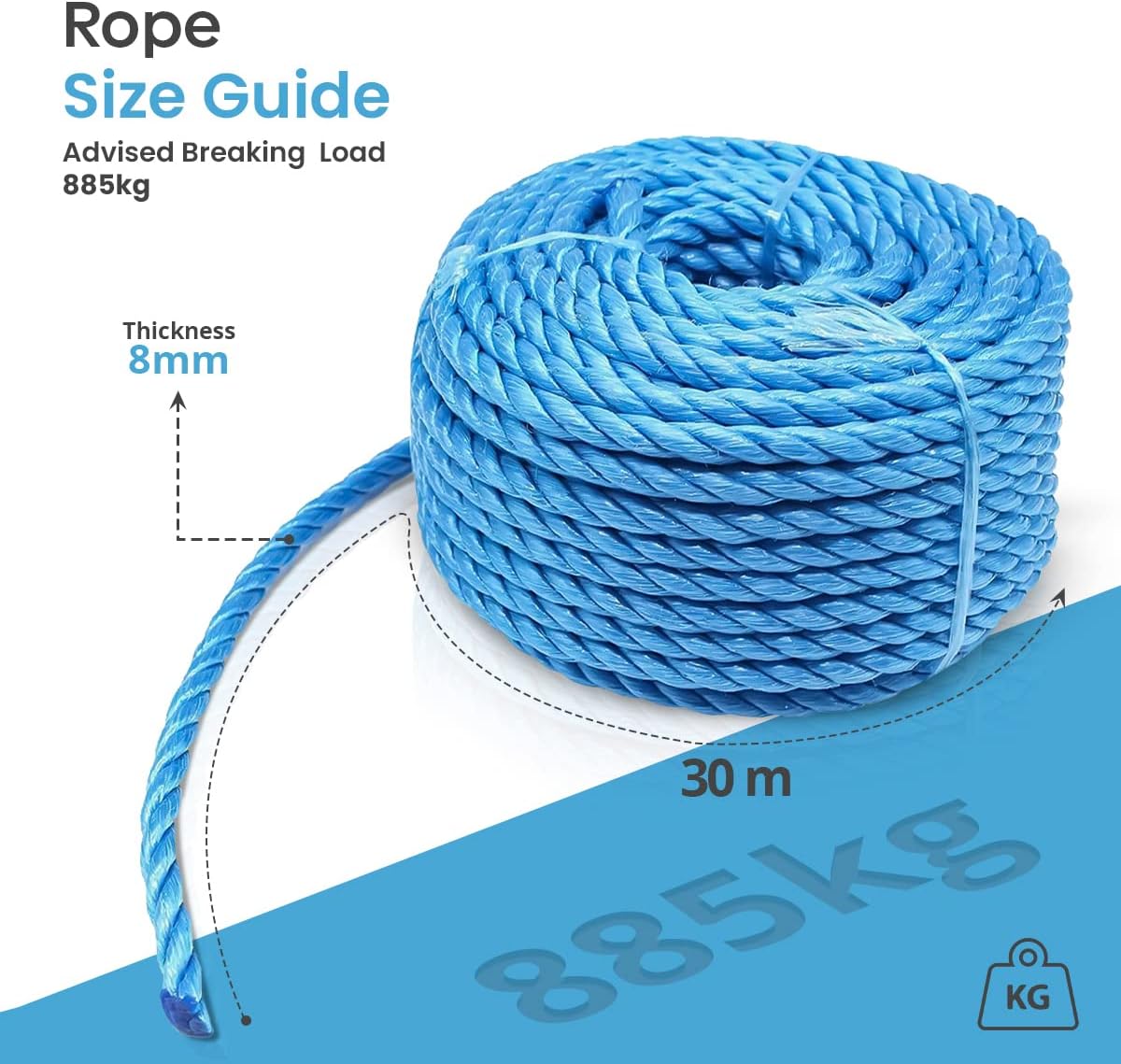
- Length: 30m
- Diameter/size: 6mm
- Maximum breaking load: 530kg
- Properties mentioned: waterproof, weather-resistant, lightweight, floats, and shrink-proof
Care, handling and limitations
Even with “reliable material” claims, polypropylene rope still benefits from basic common sense care: avoid leaving it permanently trapped under heavy abrasion, don’t store it kinked for long periods, and follow any care instructions provided with the rope.
Also, the description includes a subtle limitation: it’s said not to be built explicitly for swings or body weight. That’s a good flag. If your intention is anything where people could be hurt by failure, you should avoid using this for that purpose and look for a rope designed and specified for that kind of load.
Should you buy it?
It’s a good fit if you need a general-purpose polypropylene rope for outdoor tying tasks—especially where tarpaulins, lash-downs, boating-style jobs, or damp/weather exposure are part of the routine. The 30m length and 6mm thickness make it practical for getting enough working slack without having to constantly splice.
It might not be a great match if you’re after a purpose-built rope for human-rated use (the description explicitly distances it from swings/body weight). And if you need certified, safety-led working load guidance for a critical rig, you may want to skip this and choose a product with more detailed safety specifications.
A quick reality check before buying: make sure the rope length (30m) and diameter (6mm) suit your knots and tie-down method, and factor in how you’ll use it—maximum breaking load numbers don’t automatically translate to a safe working setup.
Quick FAQ
FAQs about this polypropylene rope
Is it suitable for outdoor use?
The description says it’s waterproof and weather-resistant, so it’s aimed at outdoor jobs like tarpaulin strapping and tying items where exposure is likely.
Does it fray when cut?
It’s presented as designed to last longer and avoid the fraying issues some other ropes are said to have, but no guarantee is stated for every situation.
Is it good for knots?
Yes, “easy to knot” is mentioned, which is usually what you want for quick lashings and repeat tie-downs.
What does the 530kg figure mean?
It’s described as the maximum breaking load for the 6mm rope. You should treat it as a reference point, not a direct “safe working load” promise.
Can I use it for swings or body weight?
The description suggests it’s not built explicitly for swings or body weight, so it’s better avoided for that kind of use.
Is it worth it?
If your main goal is a tougher-than-average polypropylene rope for tying, lashing and outdoor strapping—where “floats, resists weather, and is easy to handle” are the traits you care about—this 30m, 6mm Blue polypropylene cord is worth considering. Just don’t treat the 530kg maximum breaking load as a substitute for proper safety requirements, and avoid human-rated use cases since the description steers you away from that.