

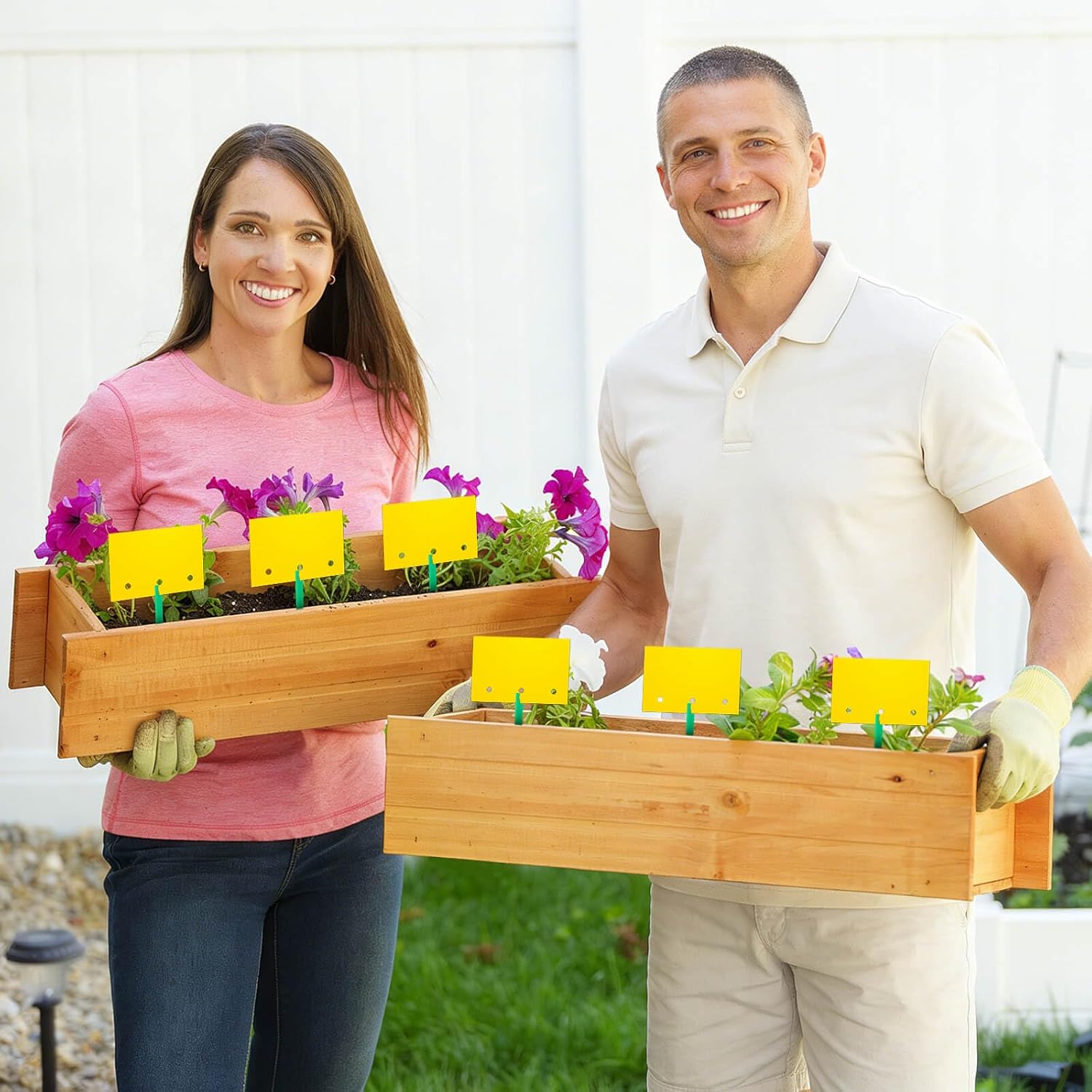

Blooven Fruit Fly Traps 6.5×9 cm, 40 pcs 🪰
Reviews
Price
Product description
This pack of plant sticky traps from Blooven helps control small flying pests around indoor plants, combining a non-toxic, odourless adhesive surface with a compact rectangular format for easy placement. Useful for spotting and reducing fungus gnats, fruit flies and other tiny flying insects, these traps work without chemicals and stay effective even after routine watering.
Key Points
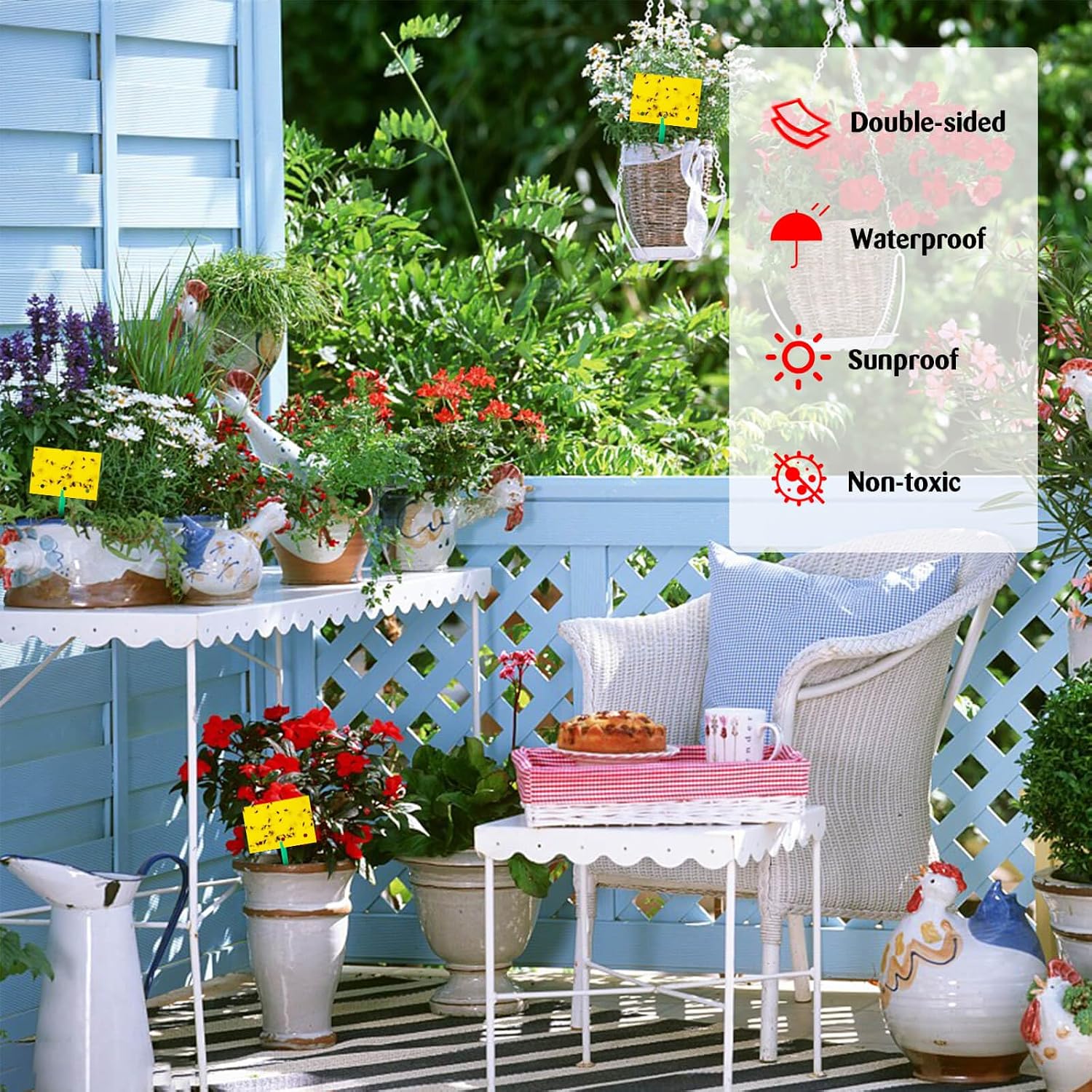
The traps are double-sided to increase capture area and aid early detection of infestations. According to the manufacturer, they are odourless and tasteless, so they do not emit repellents or attractants that could affect indoor air. Each trap can be split to create two smaller cards, giving flexibility for use in several pots or around a plant collection. Consider that they are designed for indoor use; using them outdoors could catch beneficial insects.
Technical Specifications
- Name: Blooven Fruit Fly Traps
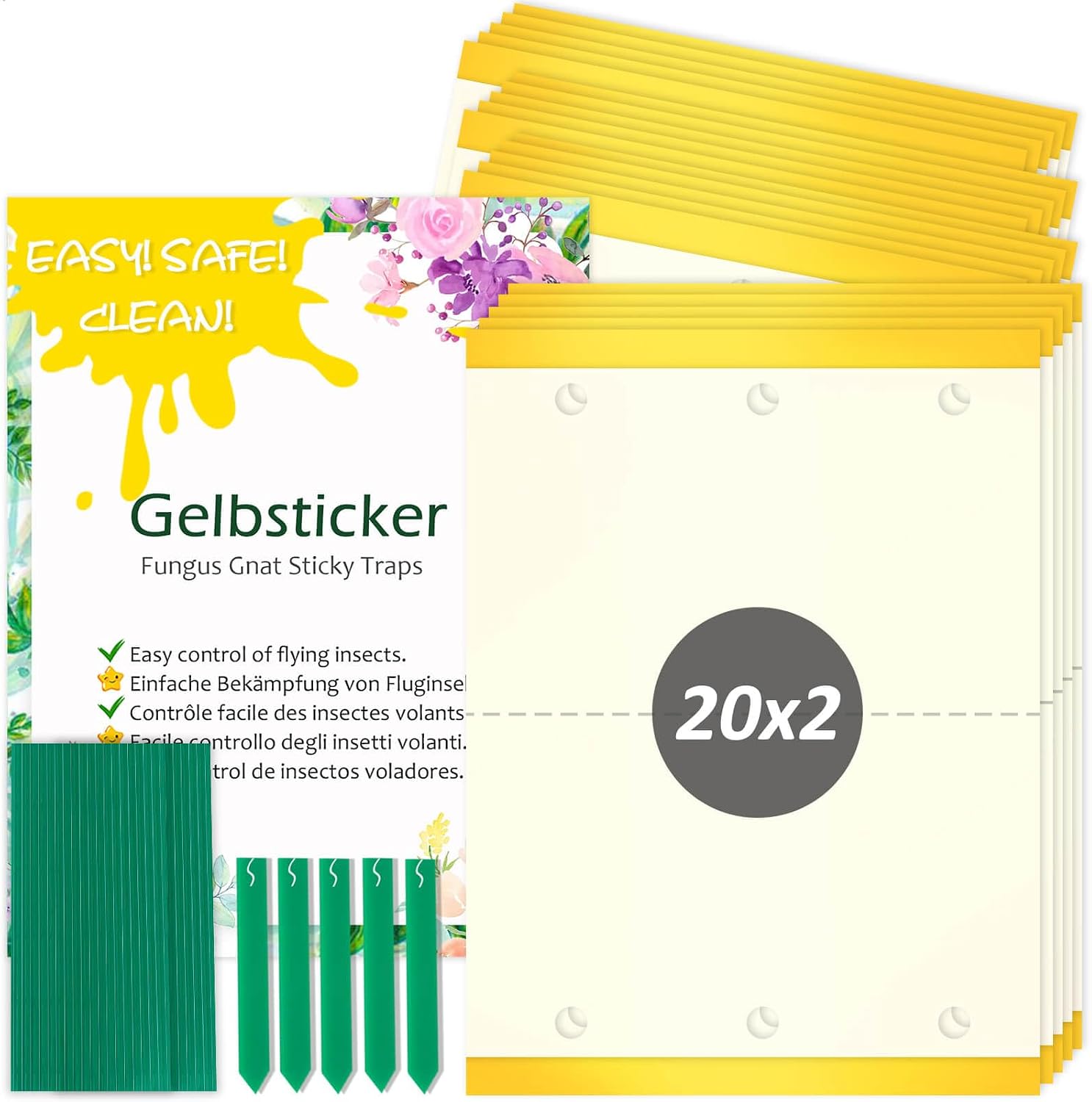
- Quantity: 40 pieces (20 large, divisible into 40 small)
- Size per small piece: 6.5 x 9 cm
- Accessories included: 40 wire loops and 5 stakes
- Material: adhesive sticky card, double-sided
Benefits
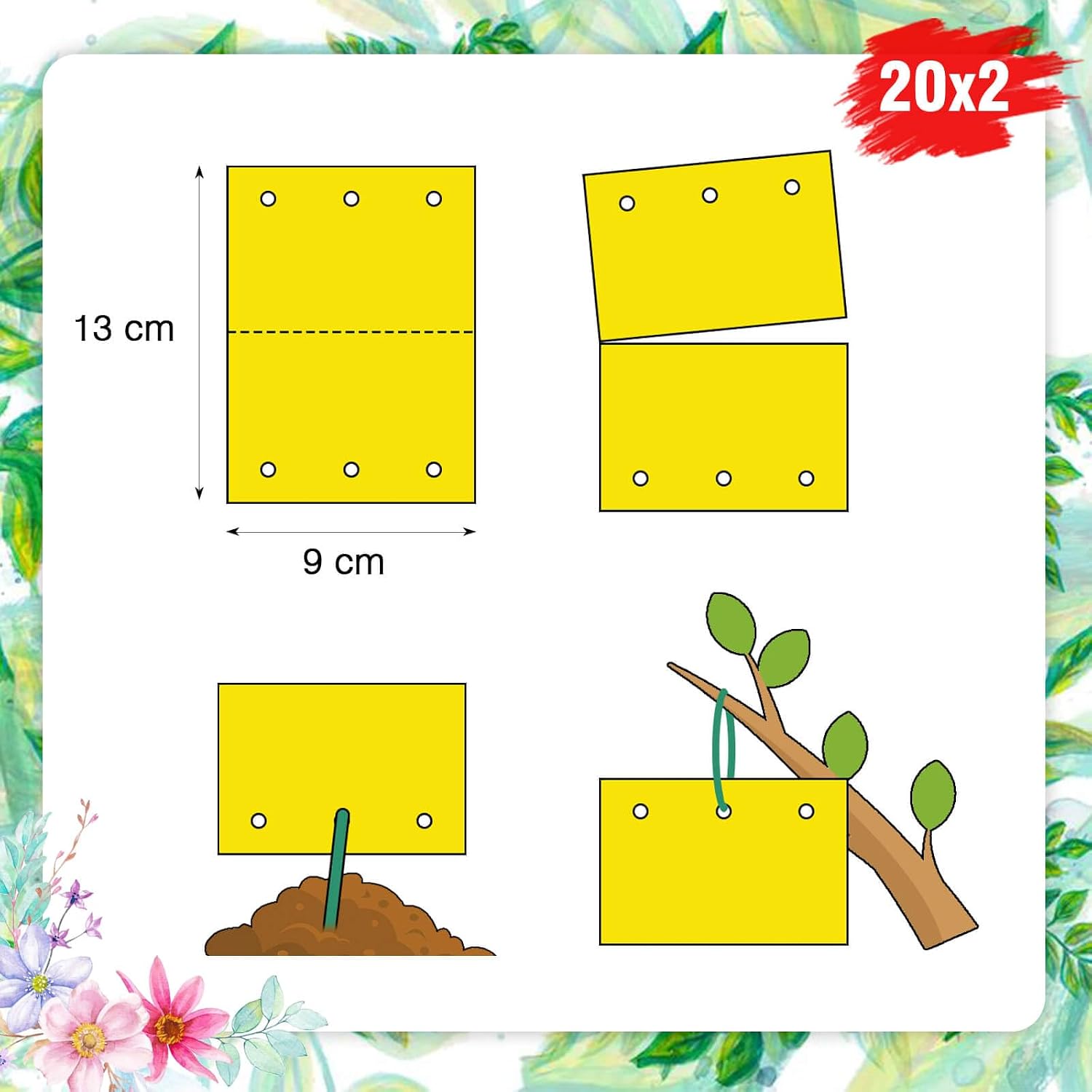

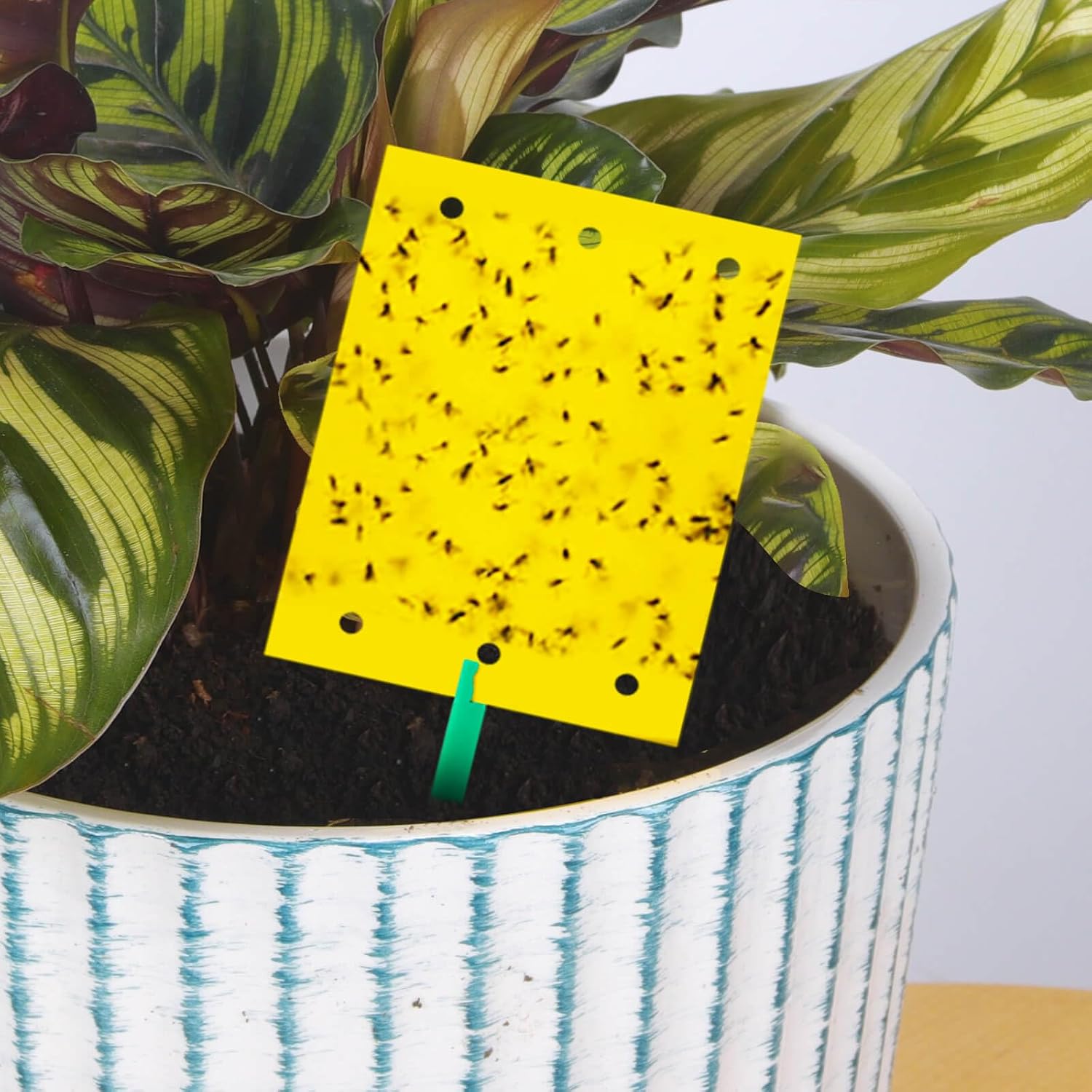
These sticky cards offer a simple physical method to reduce small flying pests without introducing pesticides. They make monitoring easy because trapped insects remain visible, which helps you assess whether further action is required. The bright yellow colour attracts many small plant pests, and the decorative patterns on some cards maintain the ornamental look of plant displays.
Usage Recommendations
Remove the white protective film before inserting the loop or stake into potting compost, or hang the loop near canopy foliage for plants in decorative pots. Place one small card per pot for best coverage and replace when most of the surface is covered in insects or dust. For persistent problems, check traps regularly and combine with good watering practice, because overly moist compost can favour fungus gnat larvae. If you have many outdoor plants, avoid using these traps outside to protect pollinators and other beneficial species.