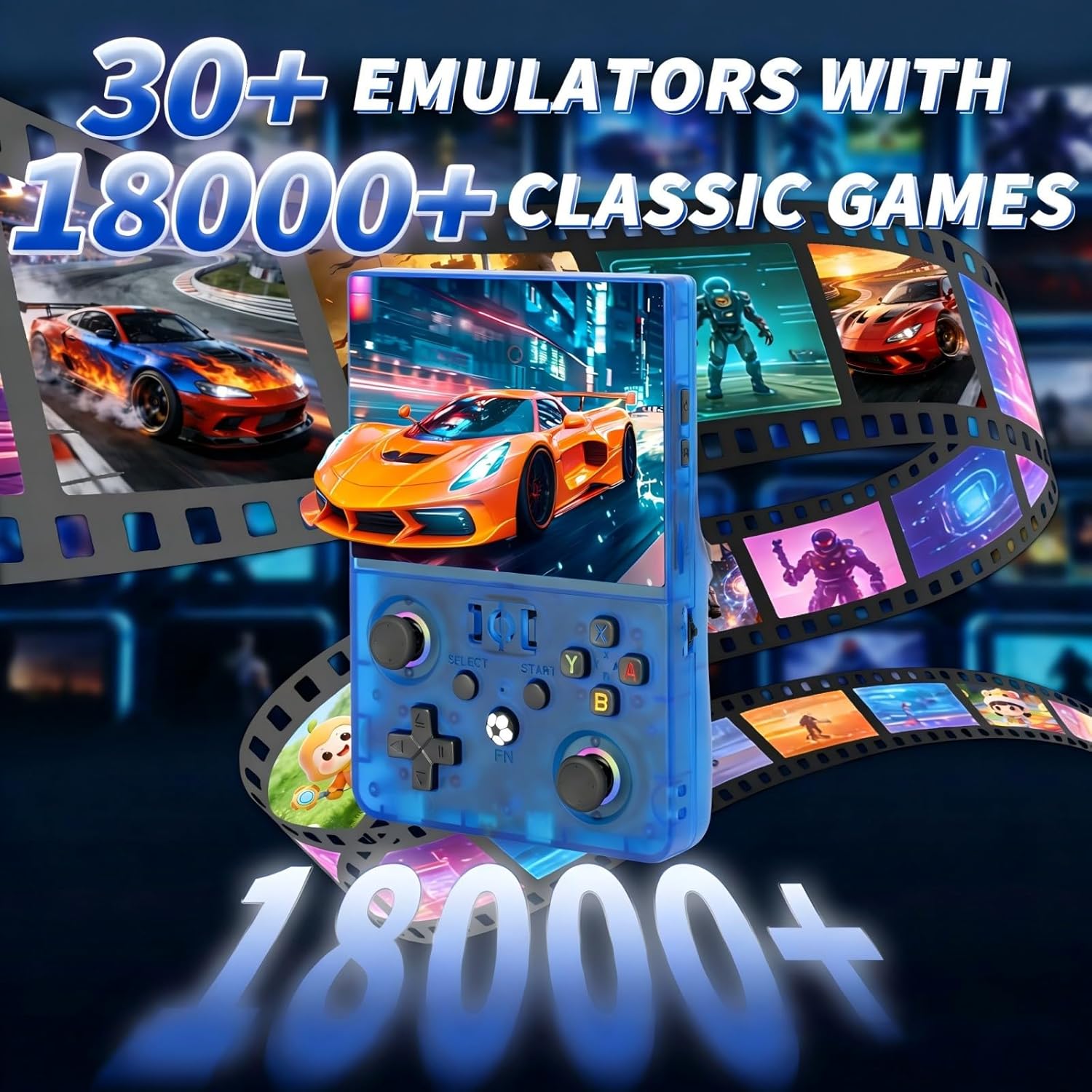
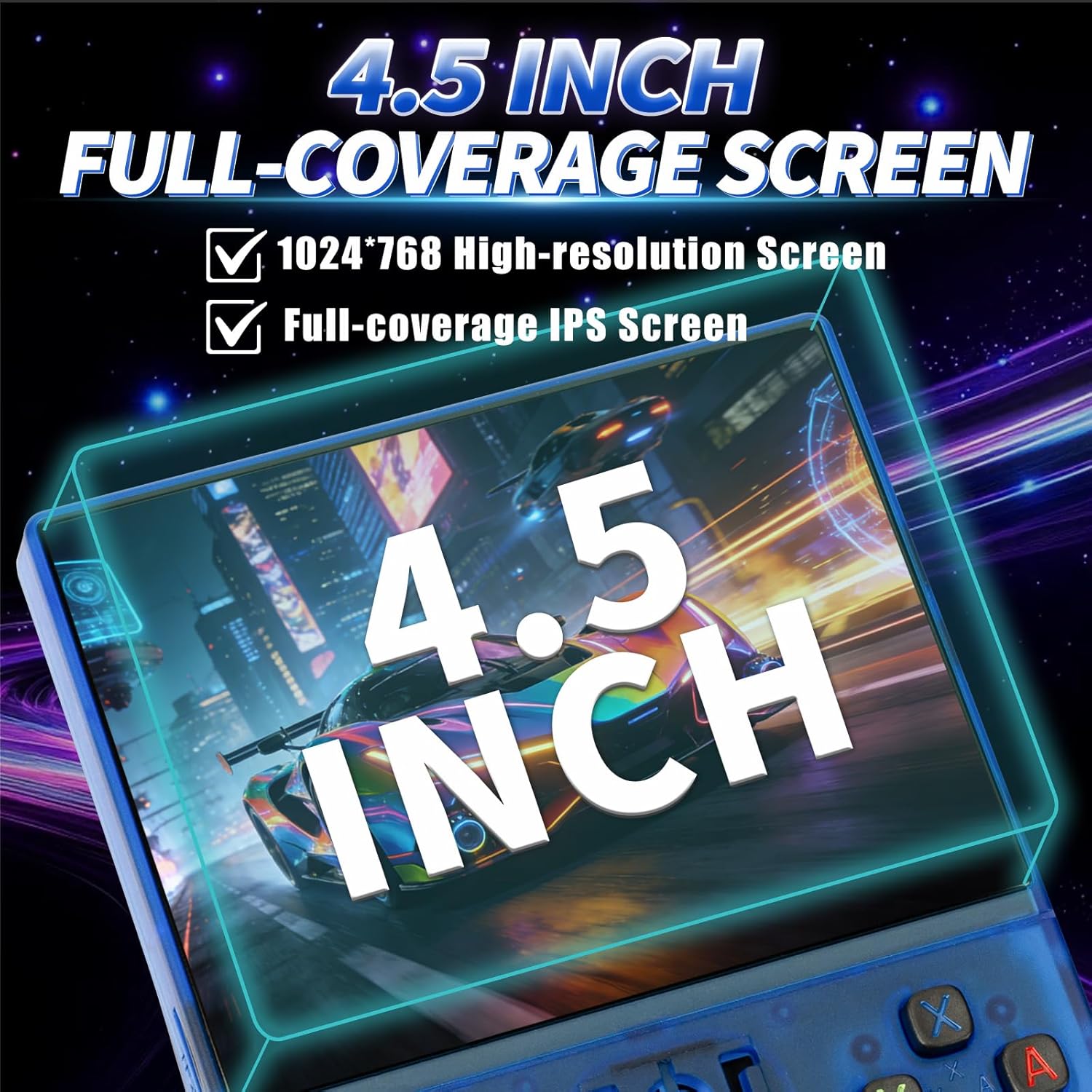
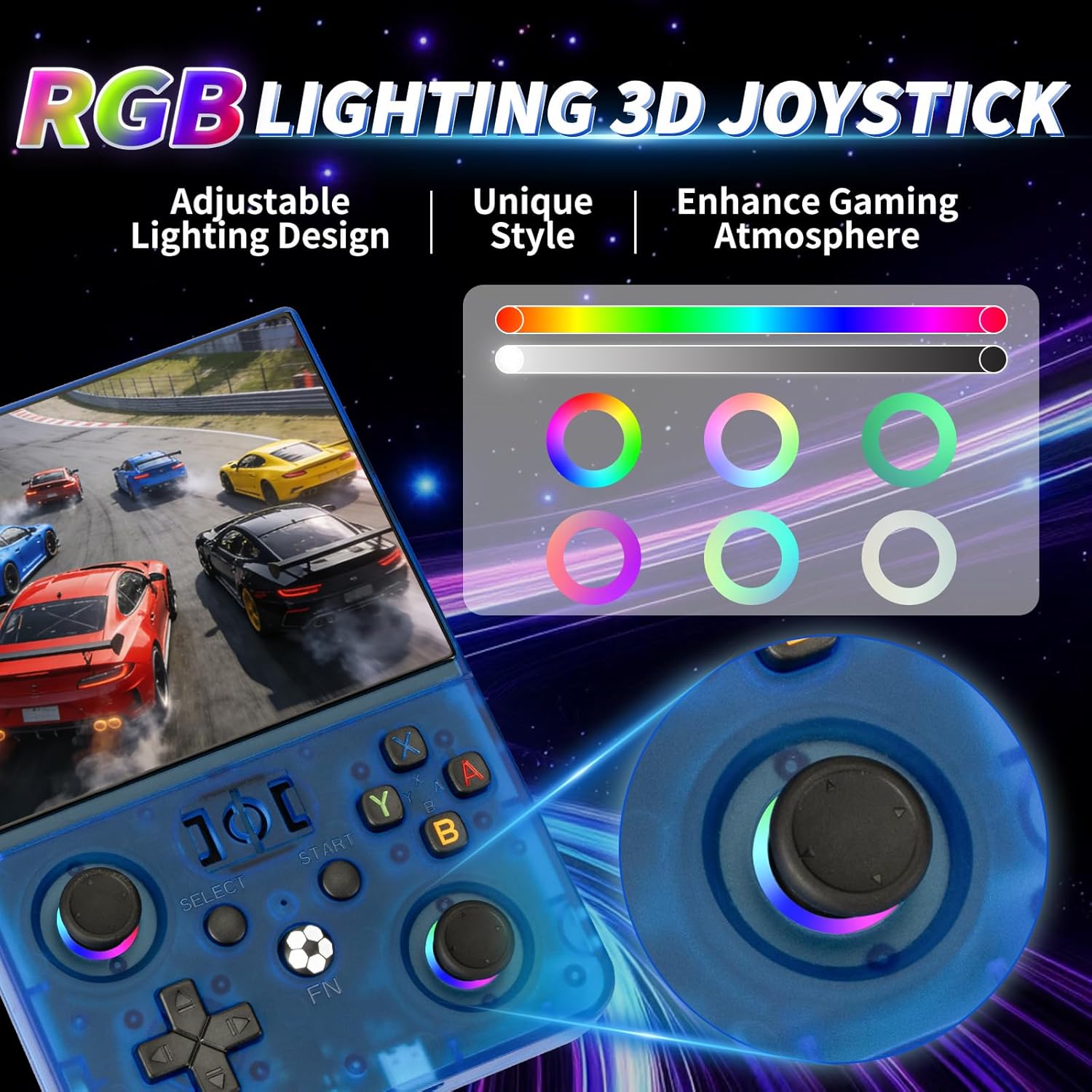
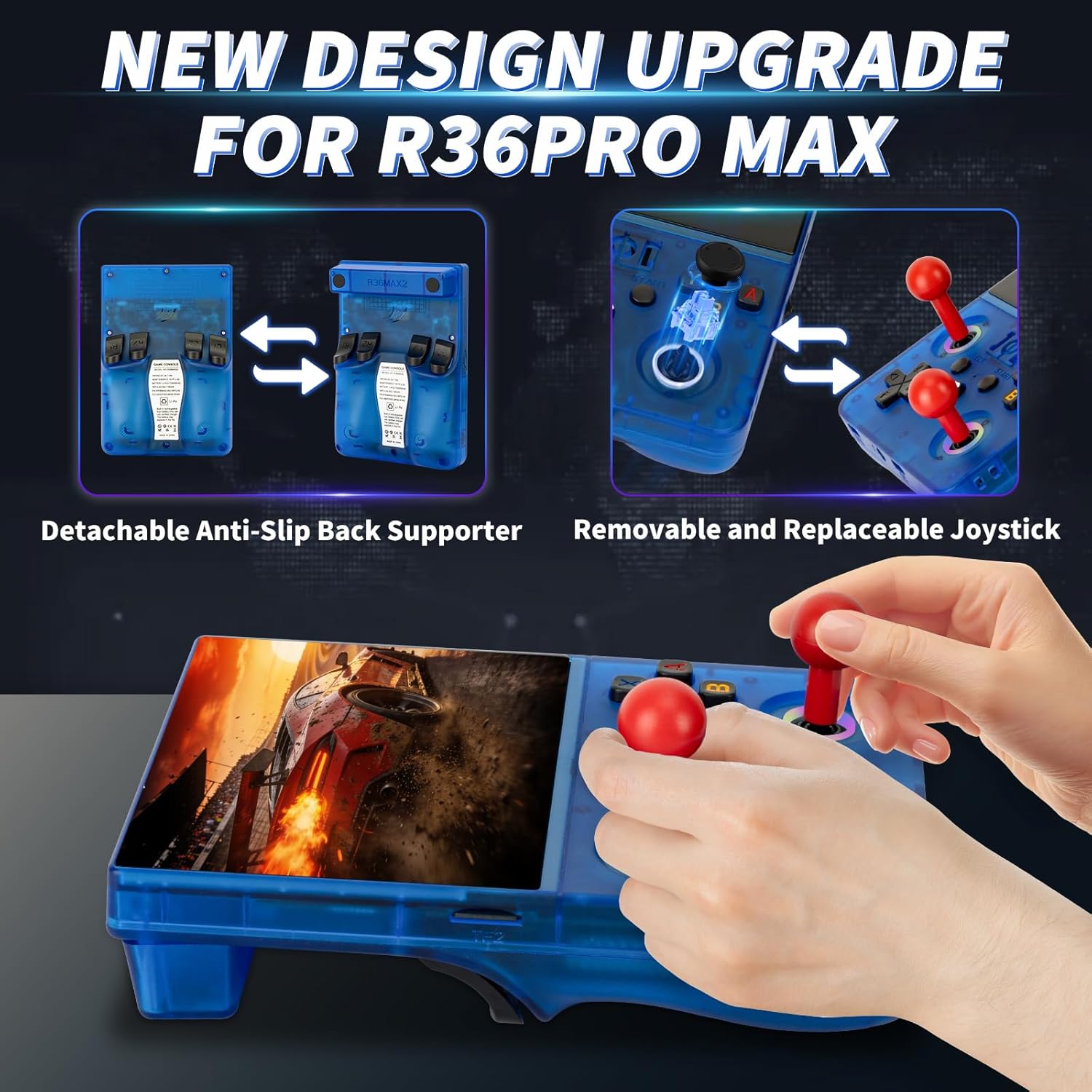
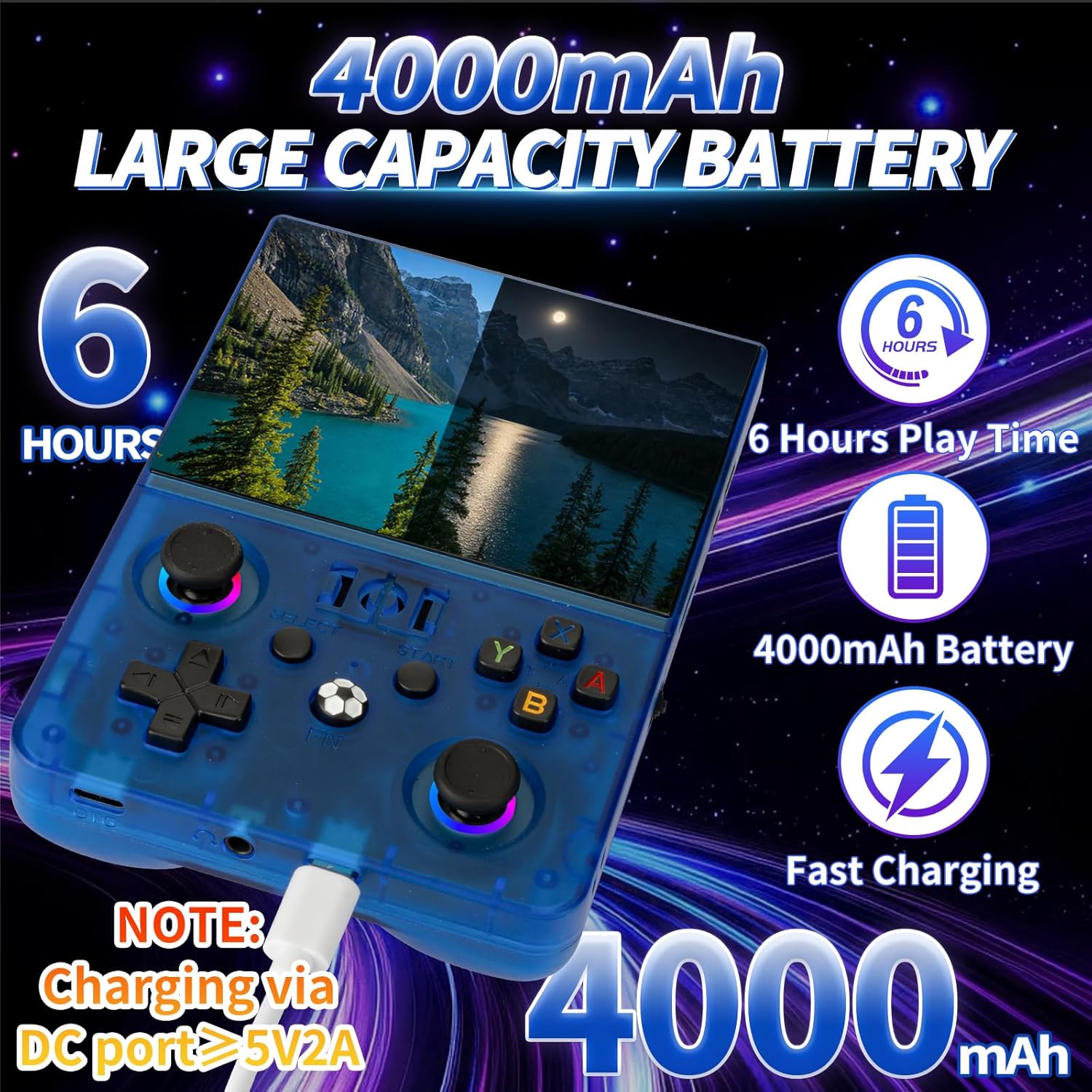
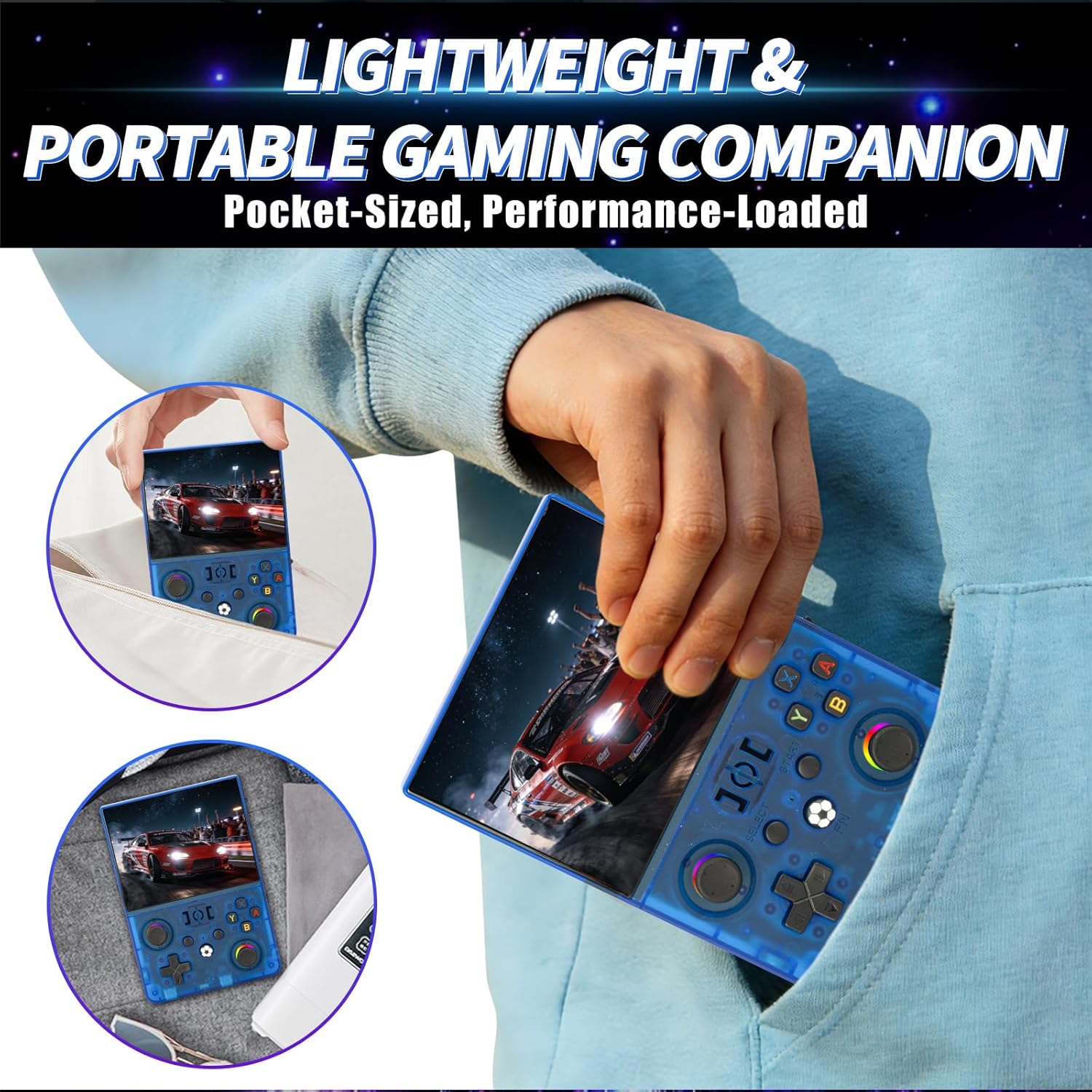
What it is and who it’s for\nThe Blidinner 2026 NEW Upgrade R36MAX Ⅱ is a compact retro handheld console designed for fans of classic video games. It aims to deliver a pocketable way to revisit thousands of titles on a 4.5-inch IPS screen with a deliberately ergonomic grip. If you’re after a portable device that makes nostalgic gaming accessible without a console-sized setup, this unit could be worth a look.\n\n## What stands out\nOn paper, the standout features include a 4.5-inch high‑definition screen with 1024×768 resolution, a robust library of over 18,000 games, and a 4000mAh battery for longer play sessions. The RK3326 1.5GHz quad‑core processor and 64‑bit architecture should help keep navigation smooth and responsive, while the detachable anti-slip stand and two detachable upgraded joysticks are practical touches for more comfortable use. The device runs a Linux system, which may influence software availability and updates over time.\n\n## Who it’s for\nIt suits players who want a self-contained, portable way to replay a wide range of retro titles without hunting down physical cartridges. It’s also appealing for gift‑giving, thanks to its pocketable form and family‑friendly nostalgia factor.\n\n## Pros and what to watch for\nPros: large game library, cordless portability, improved grip and detachable stand for hands‑free play, and two joysticks for a potentially more immersive feel. Battery life is helped by a 4000mAh cell, supporting longer sessions away from a wall socket.\nLimitations: the description notes a pre-installed TF card, but details on exact memory beyond the 64G expansion aren’t specified. The Linux-based system can be less familiar to casual users who expect plug‑and‑play experiences, and software compatibility may vary with non‑native titles.\n\n## Practical use cases\nIdeal for short trips, commutes, or waiting rooms where you want quick bursts of classic gaming without setting up larger hardware. The compact profile and pocket‑friendly weight make it easy to carry in a bag or large pocket.\n\n## What to check before buying\nEnsure you’re comfortable with a Linux‑based handheld, usability and software stability can depend on how well the interface is implemented for the platform. If you prioritise a hassle-free experience, confirm how easy it is to search and bookmark games and whether the preloaded library covers the genres you enjoy. Also, check how the power adapter and charging port are specified, since charging notes recommend a 5V/2A (10W) supply for efficient charging.\n\n## How it compares to another approach\nIf you value extensive portability and a vast game library over pristine modern‑graphics performance, a retro handheld like this offers a distinct niche versus emulation on larger devices. It’s a sensible option if you want a dedicated pocket device for nostalgic gaming rather than relying on phones or tablets that may drain batteries faster or lack ergonomic controls.\n\n## What you’ll notice in use\nThe design aims to balance comfort with practicality: a curved body that sits naturally in the hand, responsive buttons, and a rotating round control element intended to reduce tension during long sessions. The detachable stand helps when you want to prop the console for tabletop play, and the two upgraded joysticks can enhance control in certain genres.\n\n## FAQ (based on available information)\n- How many games are available? Over 18,000 titles are supported.\n- What about power and charging? It includes a 4000mAh battery, use a 5V/2A charger or higher for efficient charging via the dedicated DC port.\n- Is the TF card included? The TF card comes pre-installed inside the console.\n\n## Final decision: Is it worth it?\nIt’s worth considering if you want a highly portable, nostalgia‑driven handheld with a substantial game library and practical design touches. If you prioritise a plug‑and‑play experience with guaranteed software compatibility and you’re not concerned about modern graphics or rare new releases, the R36MAX Ⅱ offers clear value in its niche. It may not be the best option if you expect a near‑zero‑maintenance system or if you require extensive official support for every title.\n