

Beurer TL30UK 10,000 lux SAD lamp
Product description
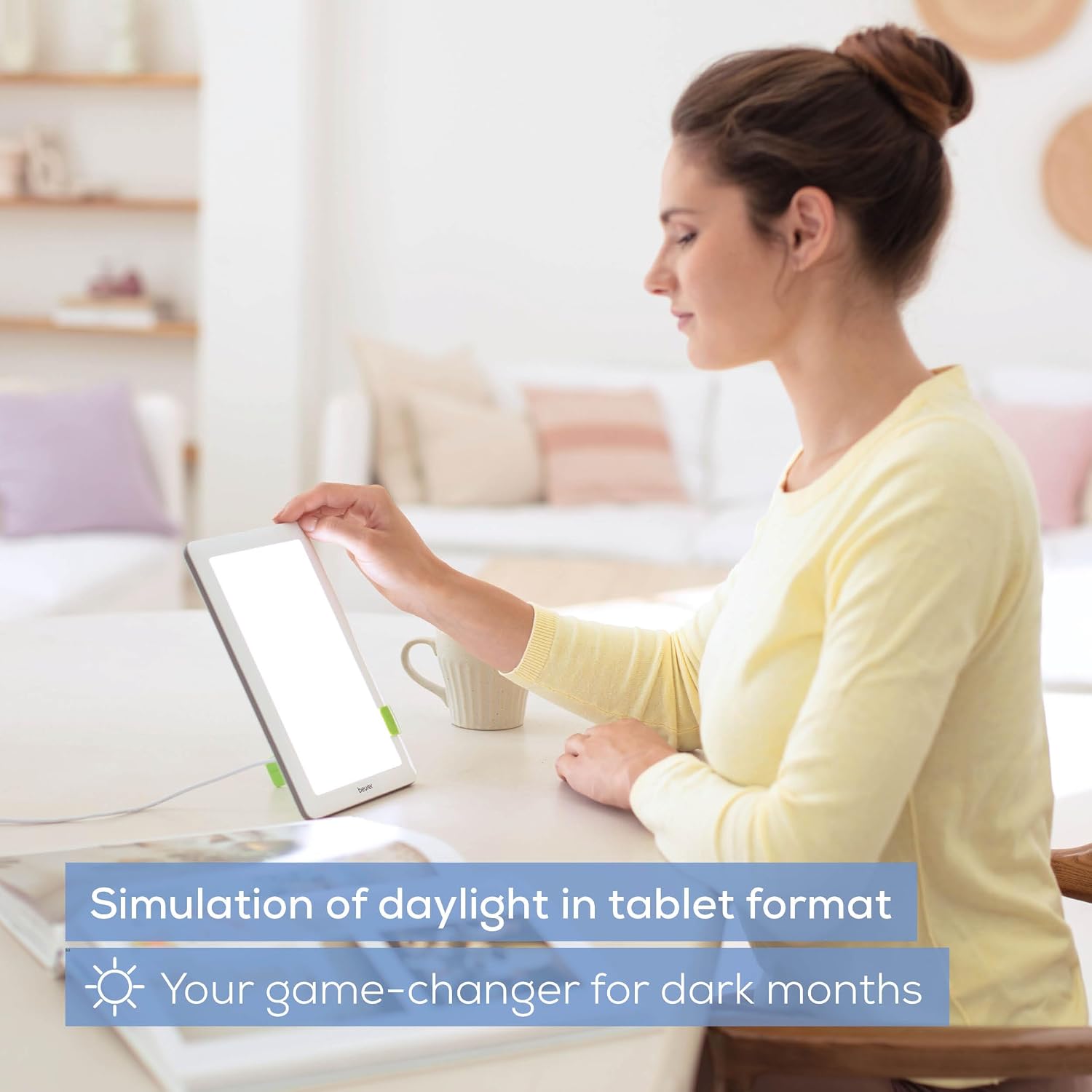
This compact daylight lamp brings a simple solution for low mood and lack of energy during darker months with focused light therapy that you can use at a desk or while travelling. Designed to simulate natural daylight, this light therapy lamp for seasonal affective disorder delivers high-intensity illumination to support daily routines and brief therapy sessions.
Key Points
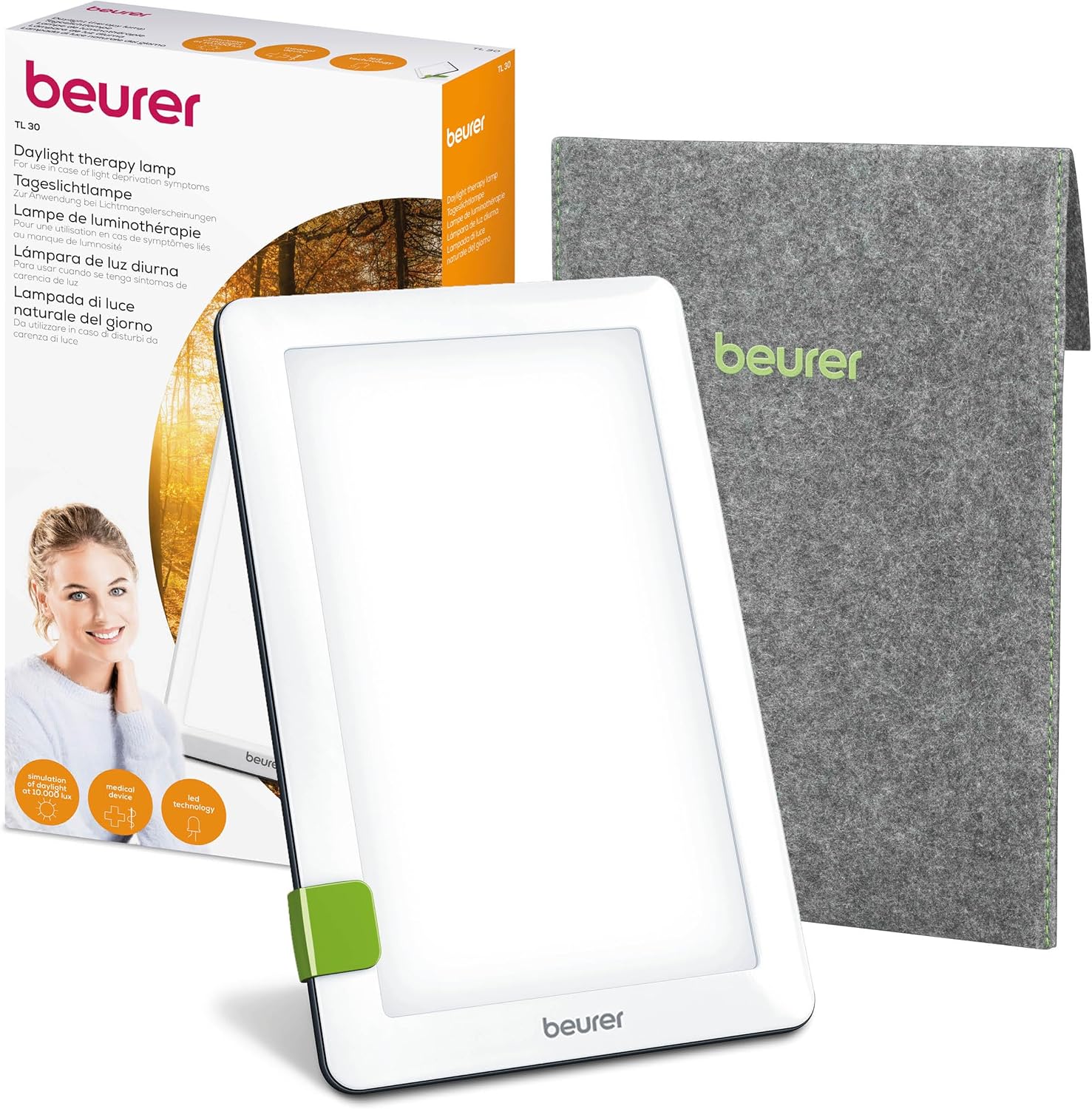
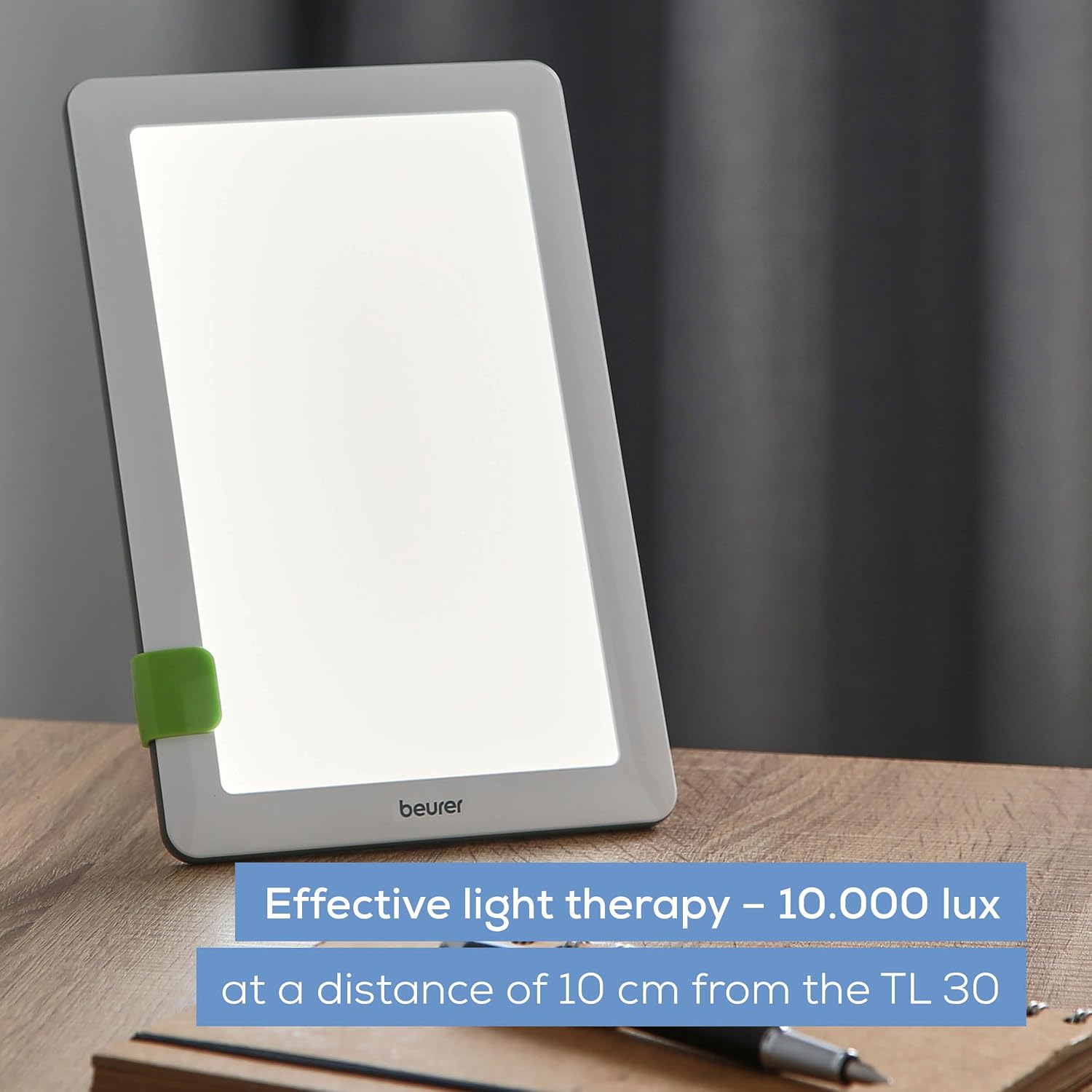
The lamp offers a single-button operation for straightforward daily use, which makes it easy to include in morning routines. It produces bright light that, according to the manufacturer, reaches 10,000 lux at a distance of 10 cm, helping to simulate daylight on cloudy mornings or in rooms with limited natural light. The unit is compact and lightweight, and it comes with a protective pouch for travel, so it can be taken to the office or taken on short trips. 😊
Technical Specifications
- Name: Beurer TL30UK
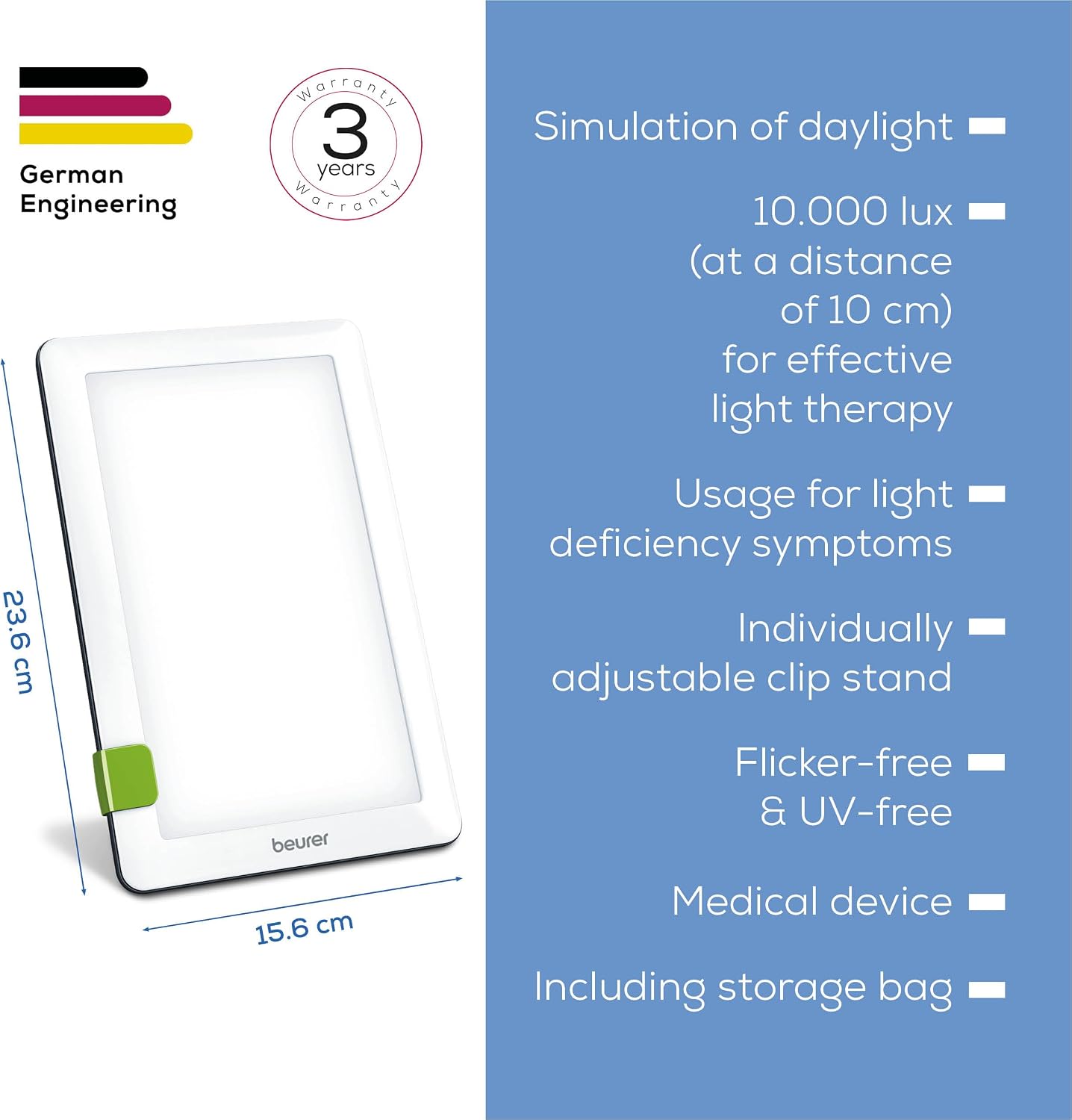
- Light intensity: 10,000 lux at 10 cm
- Light source: UV-free LED
- Operation: Single-button control
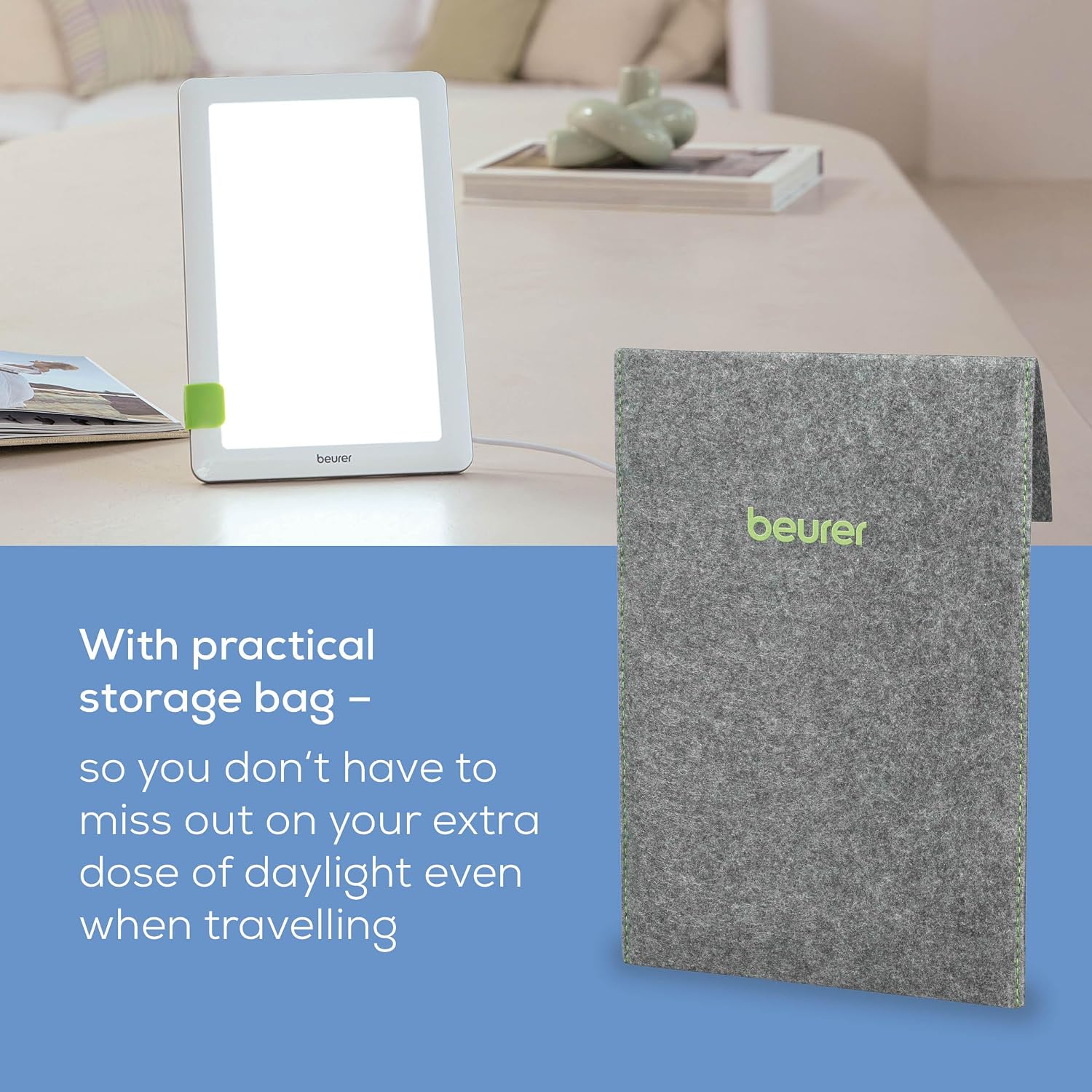
- Accessories: Adjustable stand and travel bag
Benefits
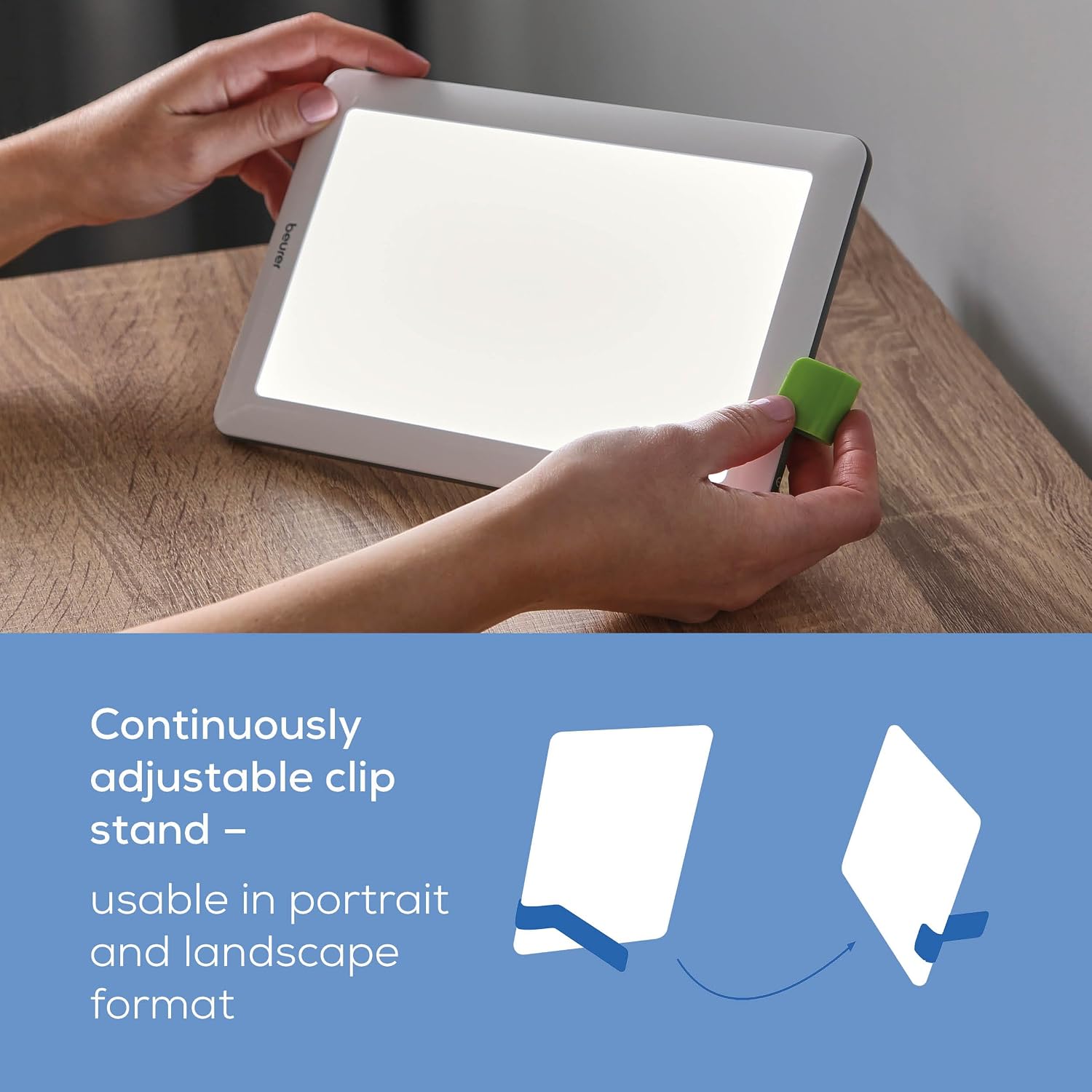
Using bright light in the morning can help regulate circadian rhythms, improve alertness and reduce symptoms associated with seasonal affective disorder according to the manufacturer. The LED technology keeps energy use low and offers flicker-free illumination, which can be more comfortable for longer sessions. The adjustable stand allows you to position the lamp for the best angle while reading or working, and the travel pouch makes it convenient to carry when routines change. 🌤️
Usage Recommendations
Place the lamp on a desk or table at the recommended distance and angle so the light reaches your eyes indirectly. Short sessions of around 20 to 30 minutes in the morning are common, but follow guidance from healthcare professionals for personalised timing. The simple control makes it easy to start a session while you have breakfast, check messages or plan your day. ⚕️
Note that light therapy is recognised as a support for seasonal affective disorder but may not address all causes of low mood. If symptoms are severe or persistent, consult a healthcare professional for medical advice according to standard practice.