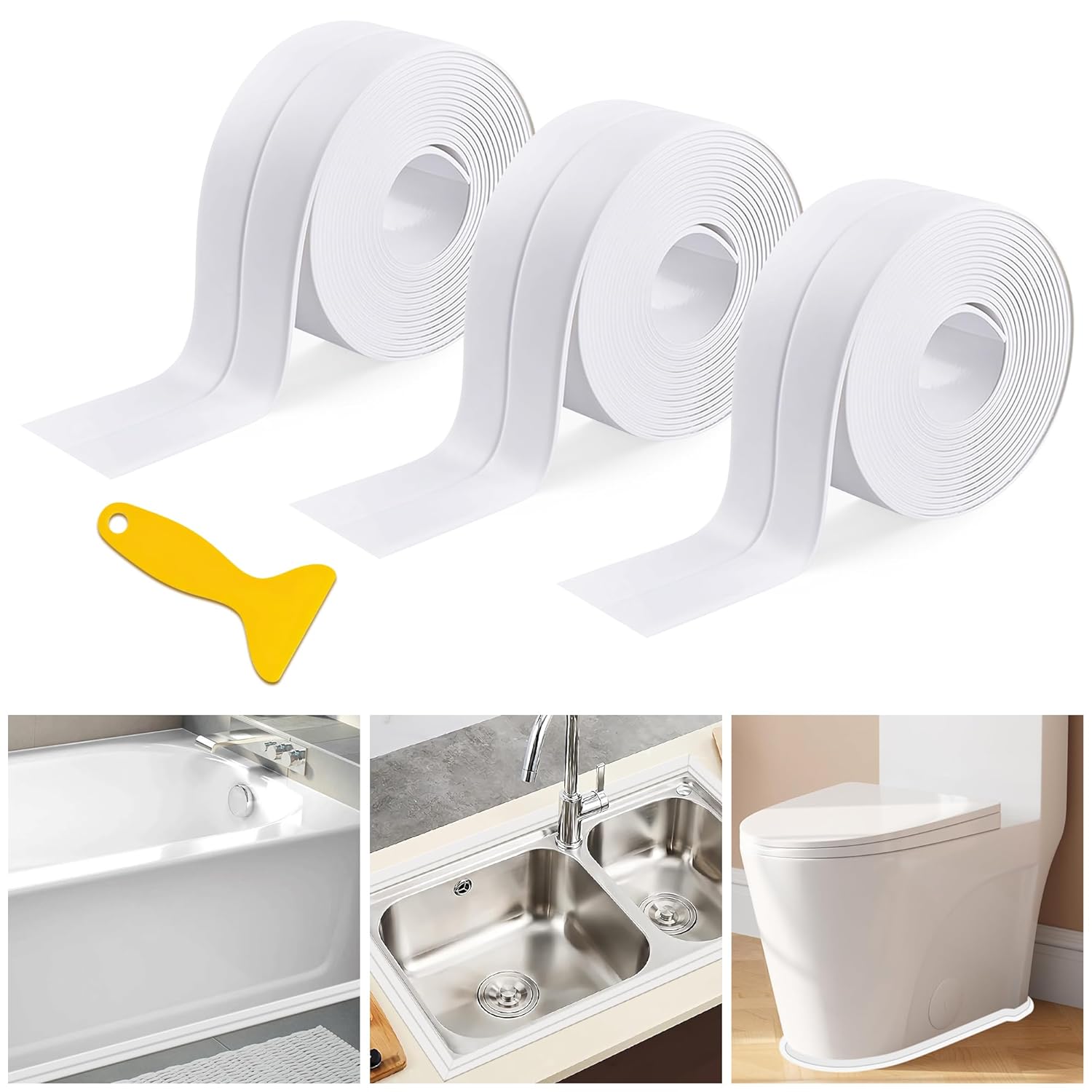
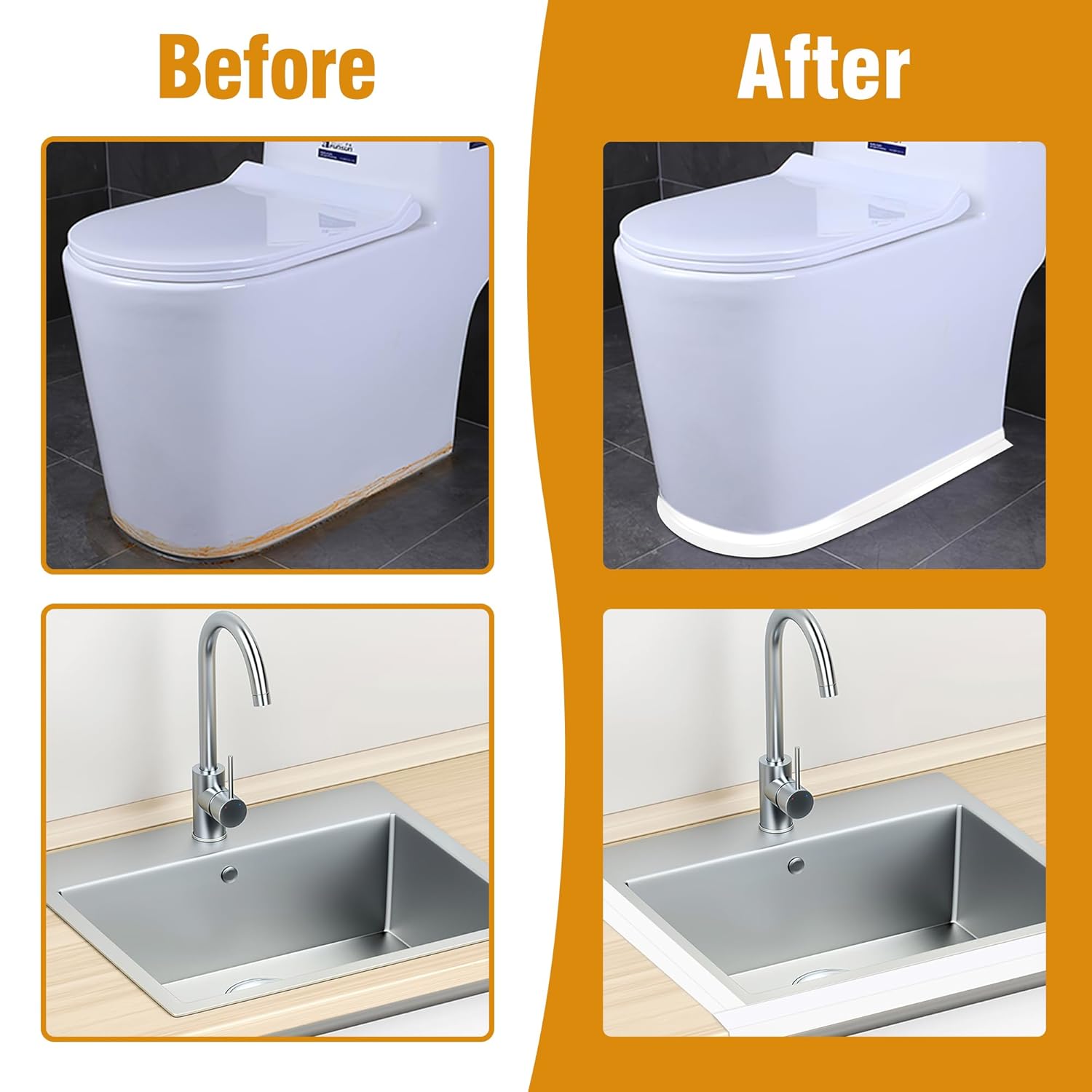
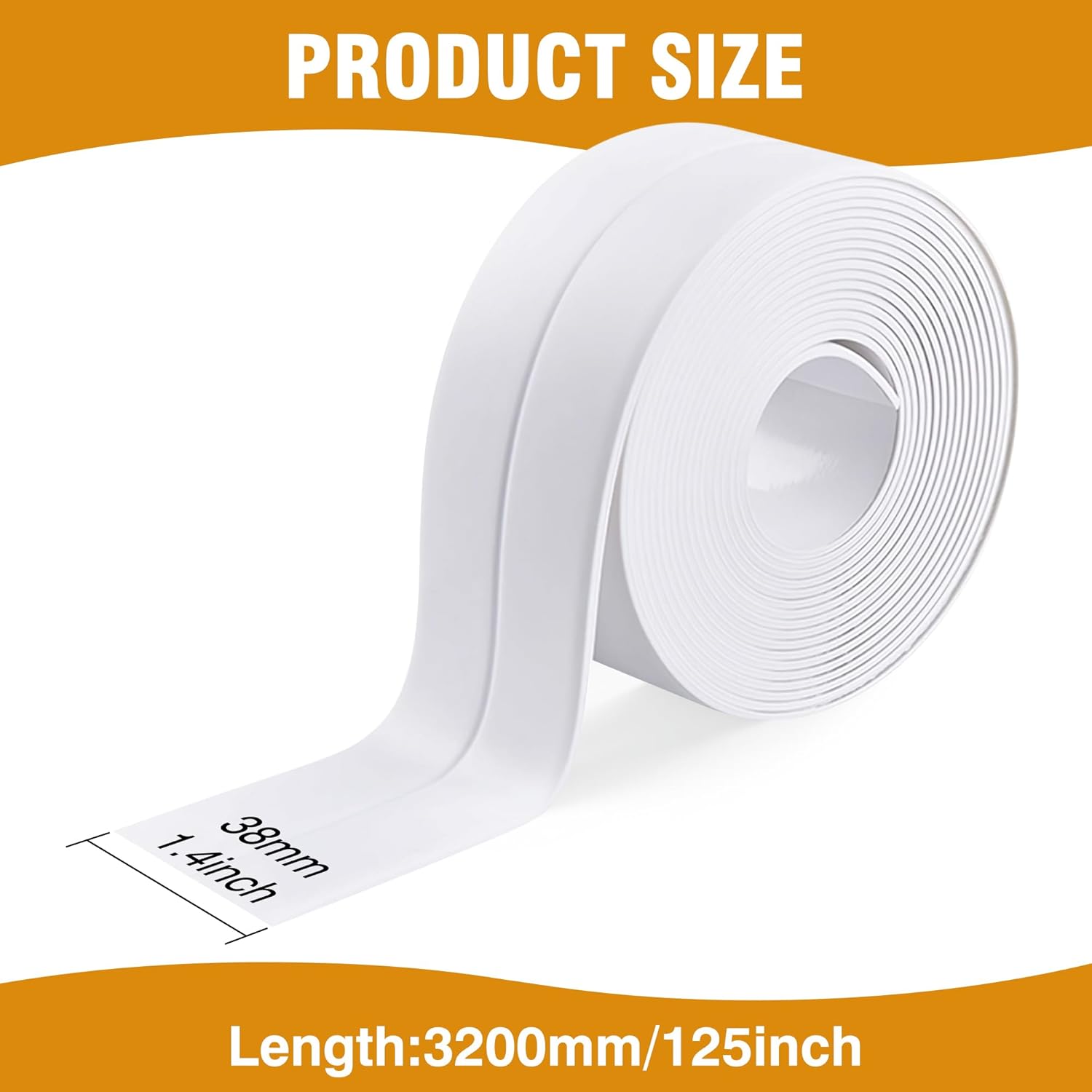
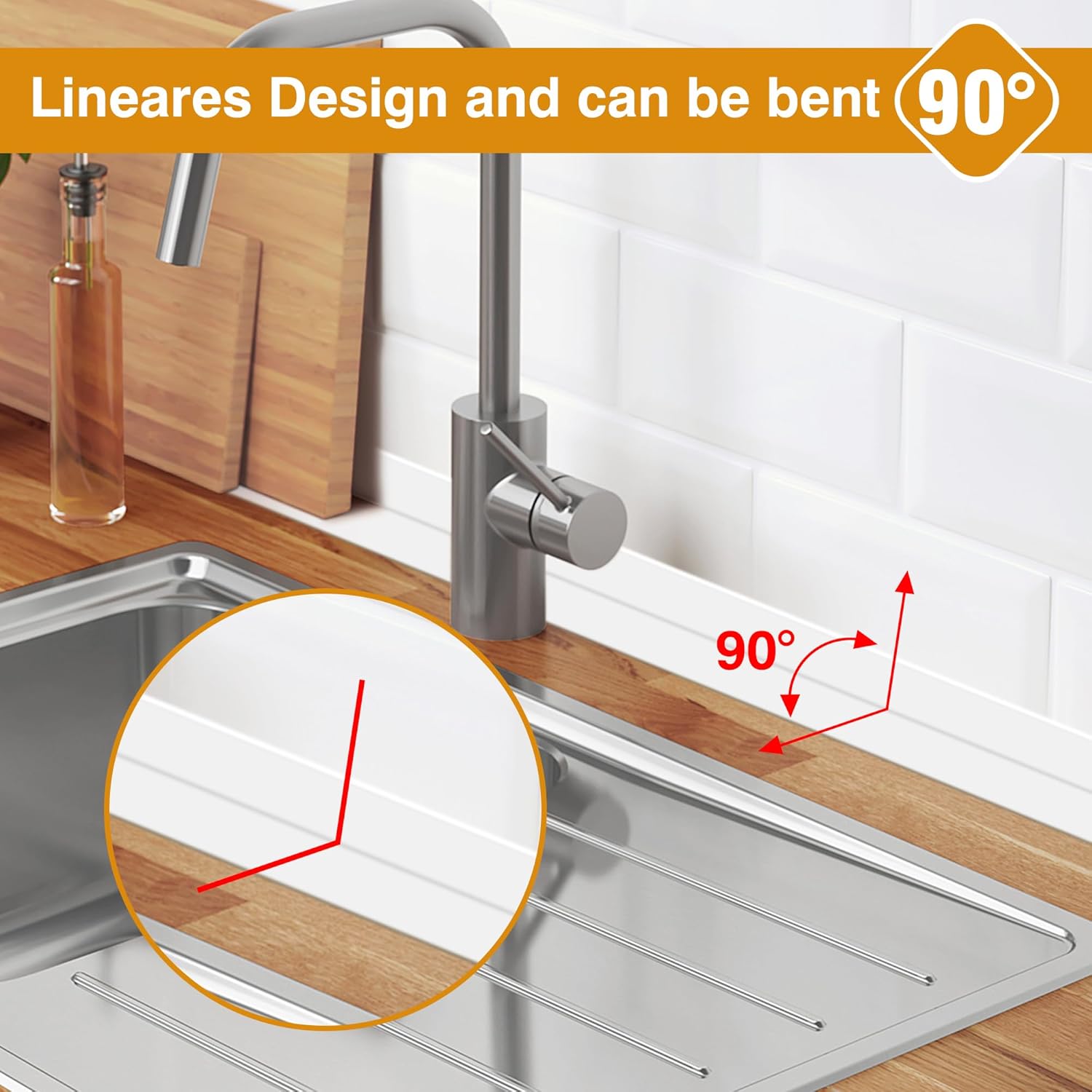
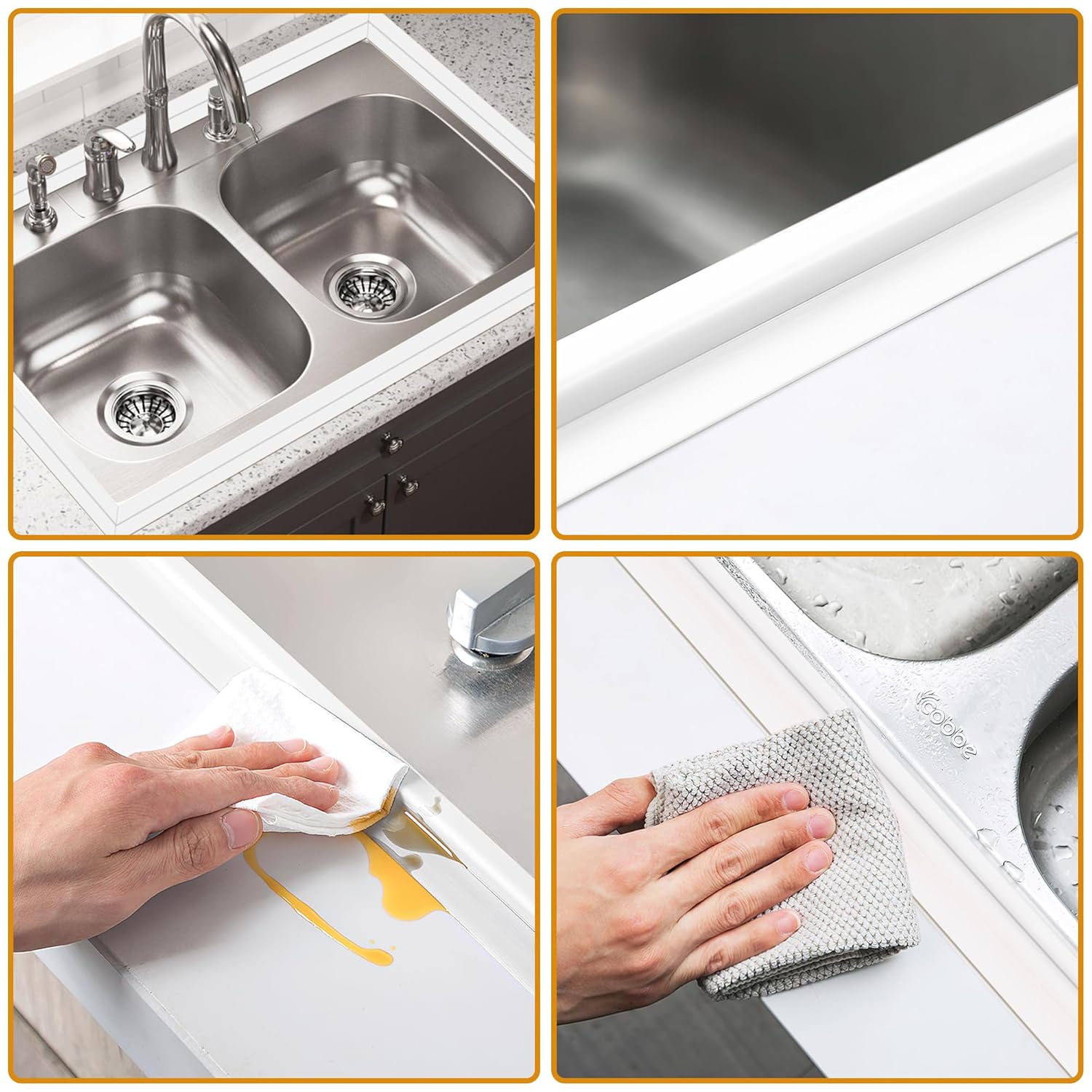
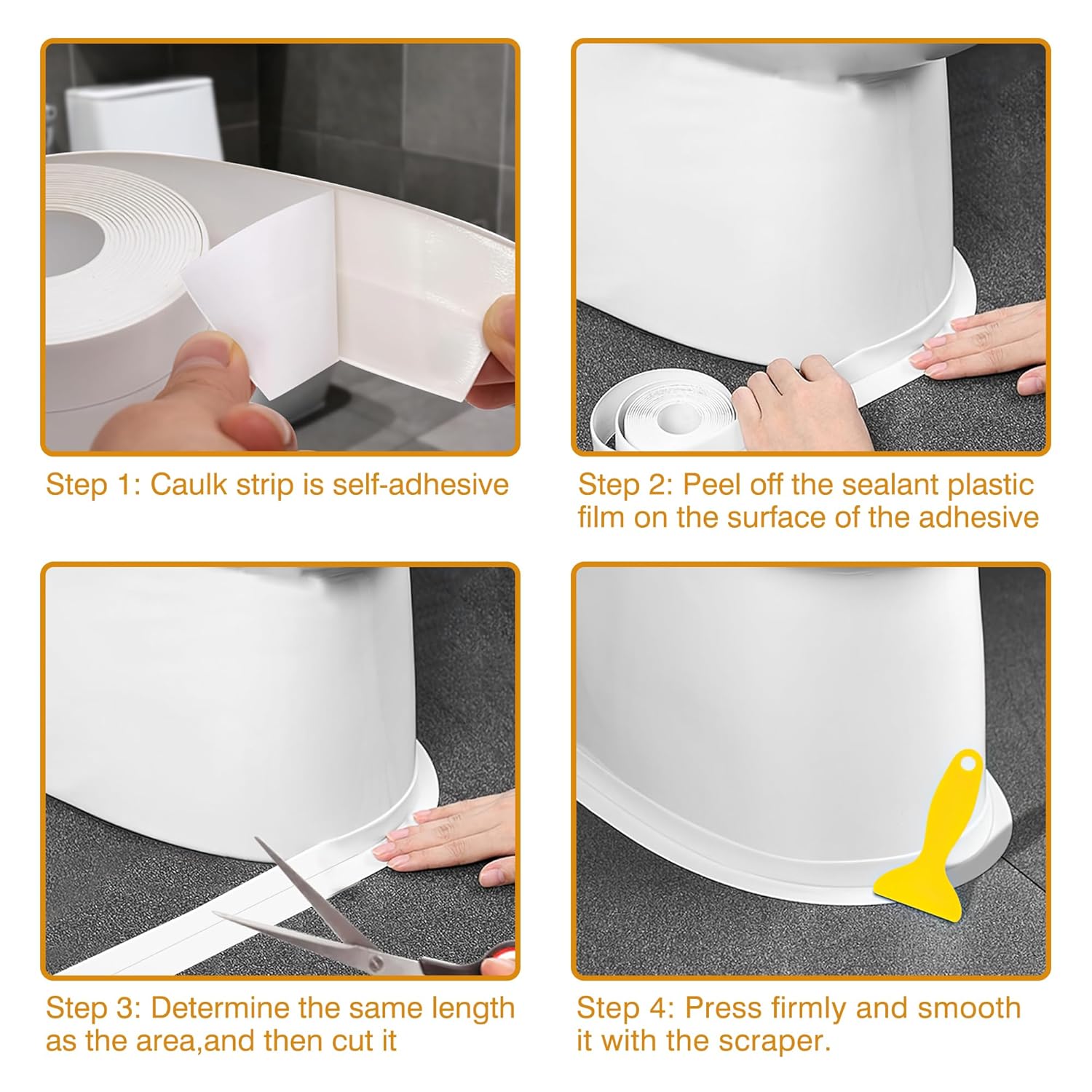
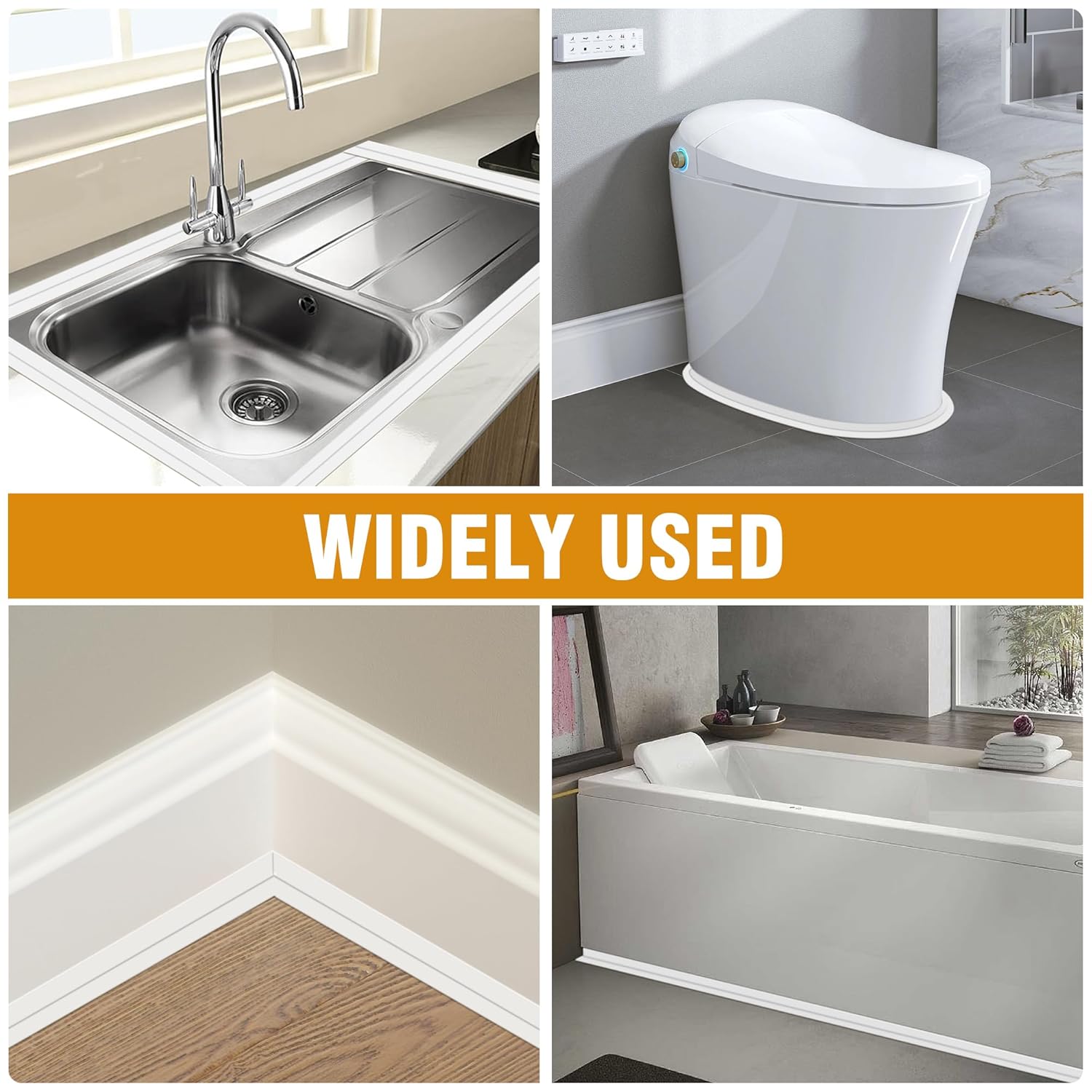
What it is and what problem it solves\nThis Bath Sealant Strip is a self-adhesive, waterproof silicone tape designed to seal joints and edges around showers, baths, panels and bathroom flooring. By offering a flexible, tight barrier, it helps prevent leaks and keeps bathroom surfaces drier and easier to clean. On the page you’ll find a simple, low‑fuss solution to stubborn gaps and recurring moisture issues without the need for messy silicone gun work or curing times. If you’re aiming for a quick fix that reduces drips and water ingress around corners and panels, this strip is worth considering.\n\n## How it works and what you get\nThe strip relies on a straightforward self‑adhesive backing. Peel off the protective film, press the strip into place along the edge, and use the included scraper to smooth for a neat seal. A 90° crease helps the strip bend to fit corners and irregular edges, making it practical for bathroom layouts that aren’t perfectly square. In cold environments, warming the strip with a hairdryer softens the material to improve adhesion, which can be useful in cooler habitats. The product is described as multi-surface compatible, sticking to glass, ceramic, tile and marble to create a waterproof line that supports cleanliness by cutting down on leakage pathways.\n\n## Suitability: where it fits best\nThis sealant strip targets wet areas with shared moisture risk: showers, baths, bath panels and adjacent flooring edges. It is helpful in homes with visible gaps between panels, around wet room enclosures, or where traditional caulk has dried and cracked. Because it’s white silicone, it blends with many bathrooms but may show differently on very glossy or dark backgrounds. If your setup relies on a streamlined, paint‑able finish, the strip offers a discreet, low‑maintenance option without needing to replace entire sealants.\n\n## What’s strong and what to watch\nYou’ll likely appreciate the ease of installation and the ability to bend the strip to fit awkward corners. The self‑adhesive design reduces installation time and tool requirements. A potential limitation is that adhesion quality depends on surface preparation and ambient temperature—cold rooms can require warming for better grip. As a result, it may not be the best choice for non‑porous or irregular substrates where the backing can lift or peel over time, or where heavy bathroom use demands a more durable, long‑term seal.\n\n## Who this is for and when it makes sense\nIf you’re undertaking a bathroom refresh or repair on a budget, and you want a quick, manageable seal at edges and joints, this strip can be a sensible option. It’s suited to DIY users who value speed and simplicity over a professional‑grade silicone gun finish. It’s not ideal if you prioritise a zero‑maintenance, heavy‑duty seal that’s designed to withstand extreme conditions or high‑traffic scenarios. If your bathroom relies on frequent, heavy splashing or you expect frequent movement at joints, you might want to consider additional sealing methods or materials.\n\n## Pre‑purchase checks and practical tips\nBefore buying, assess edge shapes and whether the target surfaces are compatible (glass, ceramic, tile, marble are mentioned). Ensure the area is clean, dry and smooth, any dust or oil can weaken adhesion. Consider the bathroom’s typical temperature, in cooler climes, plan for a brief heat‑softening step during installation. Also think about the colour fit, white is common, but the aesthetic impact depends on the surrounding surfaces. If possible, test a small section first to confirm adhesion and finish.\n\n## Practical use case in mind\nImagine fixing a stubborn seam between a glass shower panel and a tile surround. You cut the strip to length, peel away the backing, press it firmly along the joint, run the scraper over the surface, and in minutes you have a cleaner line with less visible gaps. It’s a small improvement that can make a noticeable difference in perceived bathroom freshness.\n\n## Is it worth it? Final thoughts\nWorth considering if you’re after a quick, clean edge seal that’s easy to apply and remove if needed, and if your surfaces are compatible. It won’t replace a high‑spec, professional silicone job in a high‑duty bathroom, but for minor gaps and routine maintenance it offers a pragmatic, budget‑friendly option.\n\n## FAQ (brief)\n- Can I use this on any surface? It claims adhesion to glass, ceramic, tile and marble, but suitability may vary with surface finish and cleanliness.\n- Do I need tools? A scraper is included to help achieve a tight seal, otherwise it’s designed for simple press‑in application.\n- Will it last forever? It provides a waterproof barrier, but longevity will depend on temperature, humidity, movement at the joint and surface prep.\n\n