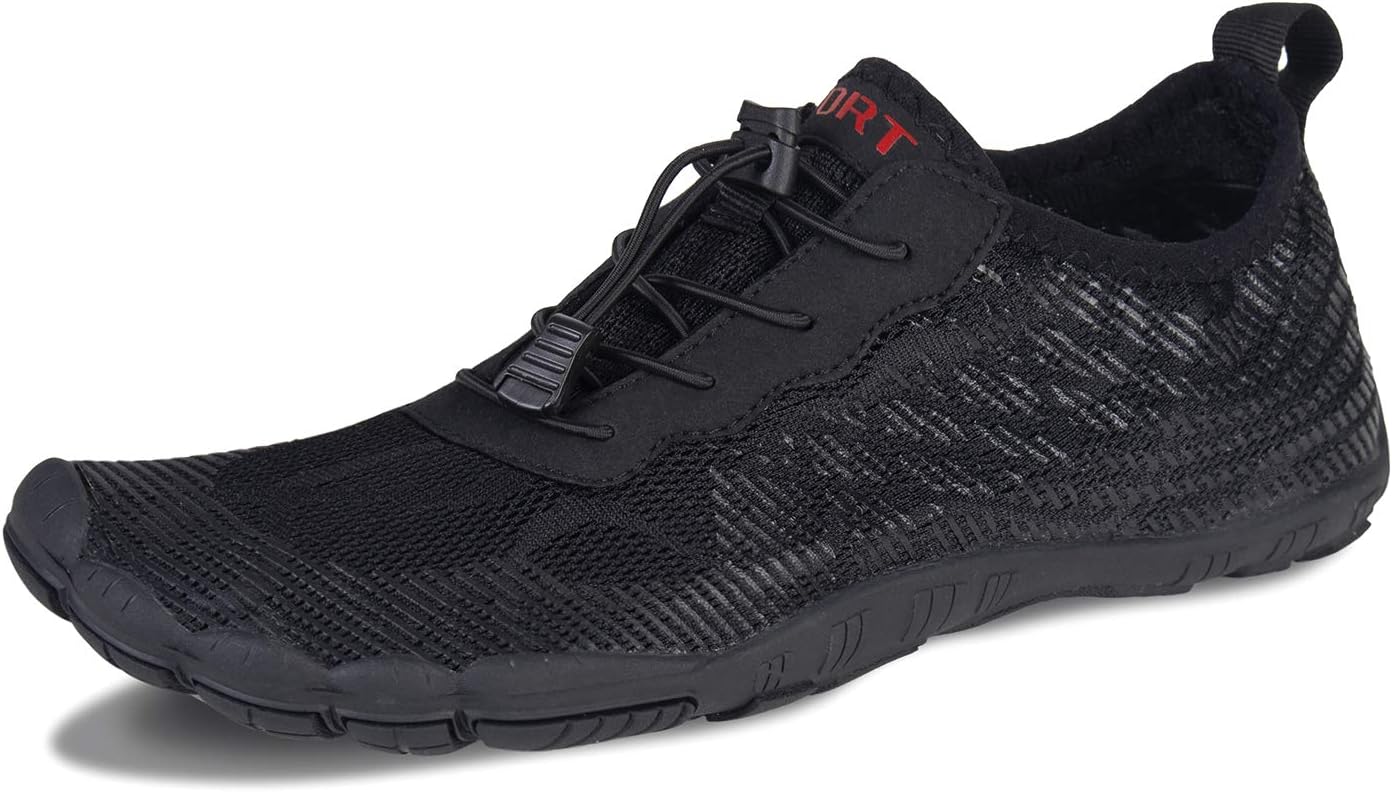
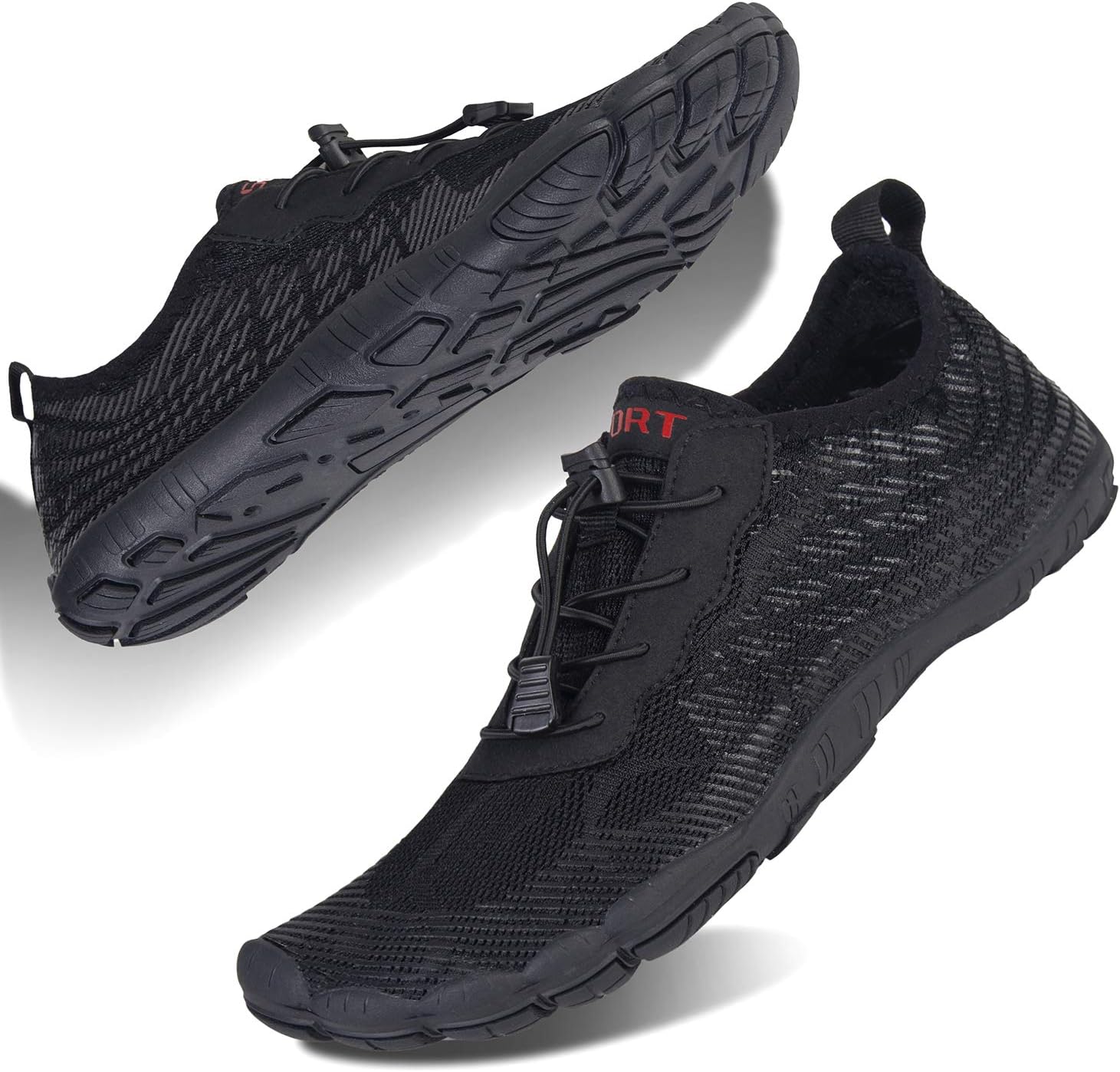
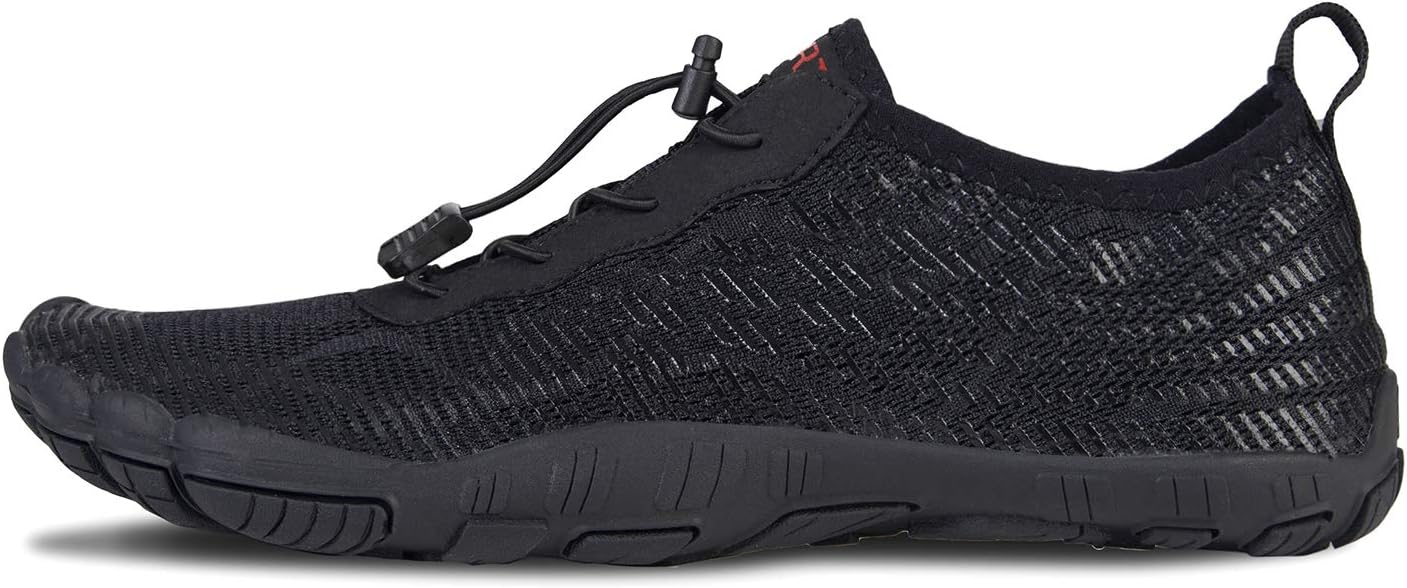
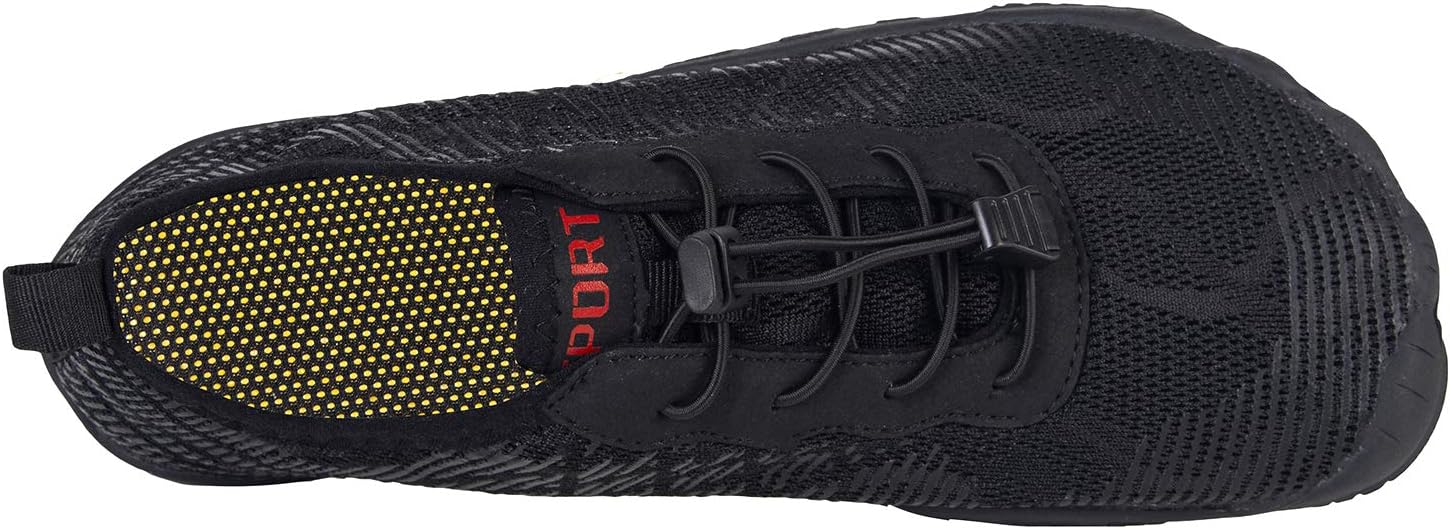
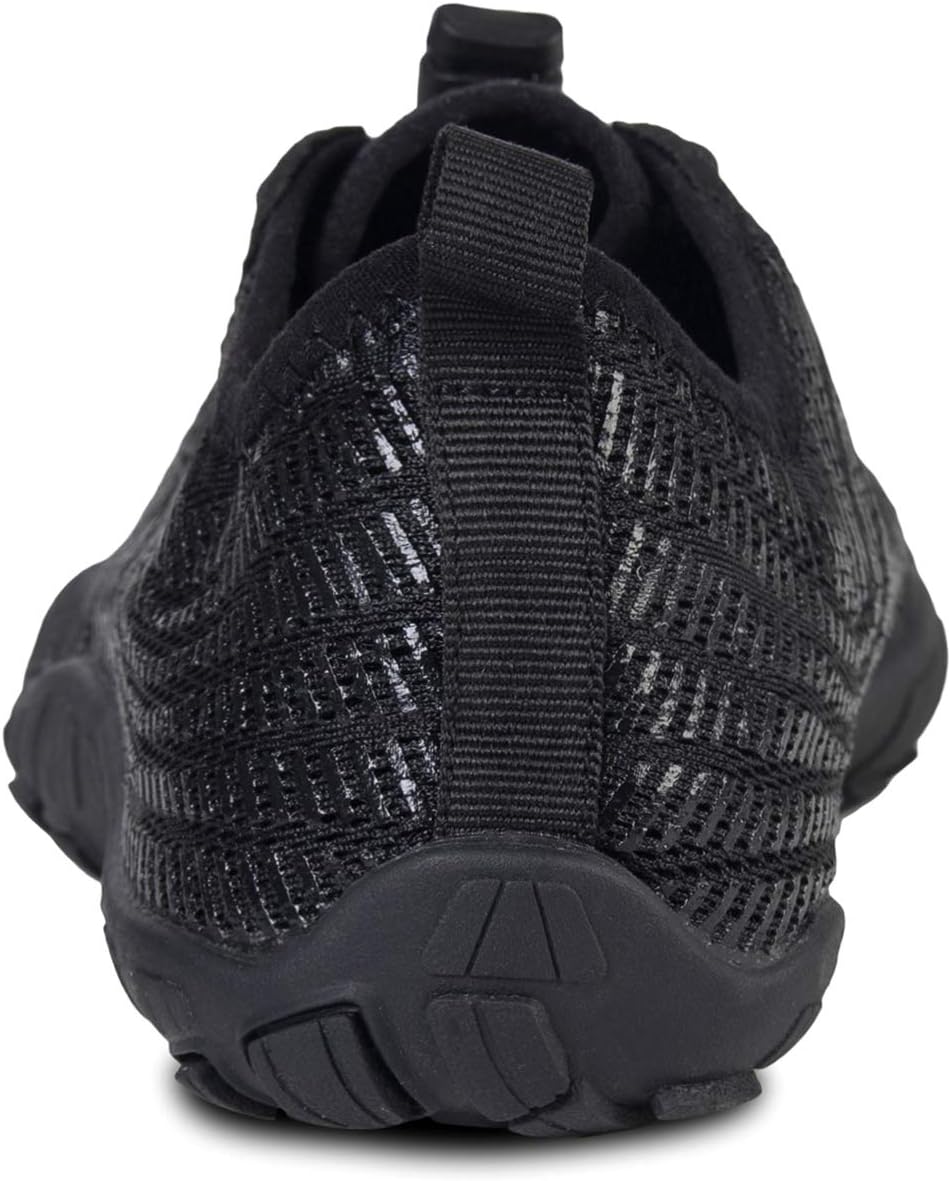
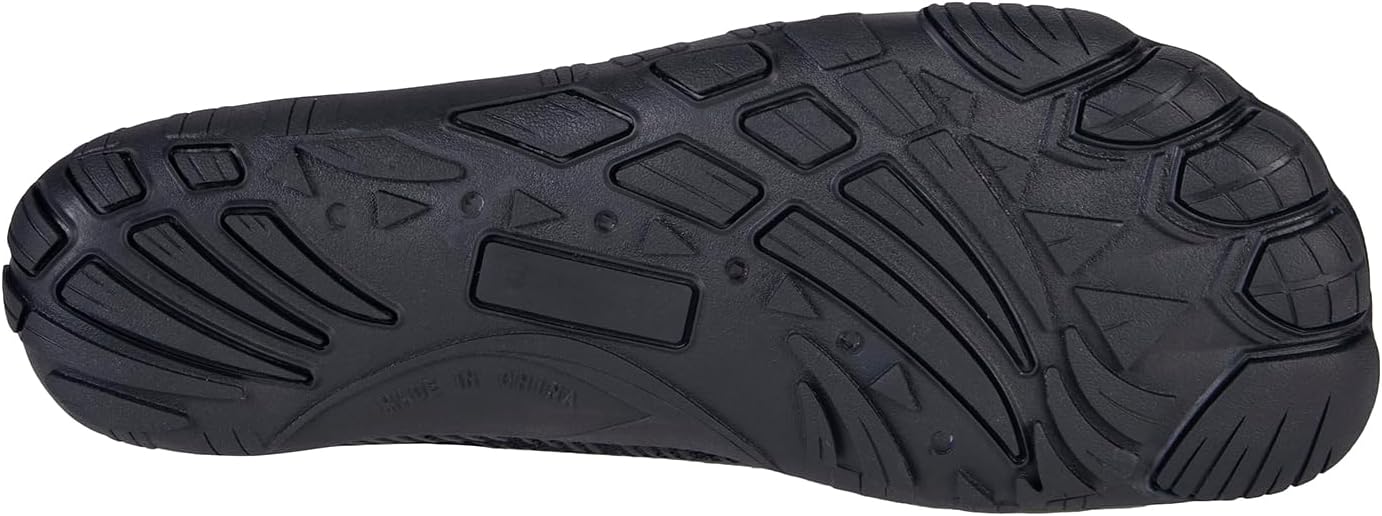
What this product is and the need it meets\nThese Barefoot Shoes are designed as water-friendly, lightweight trainers that aim to keep your feet close to the ground while offering flexibility and comfort across a range of activities. The breathable upper fabric helps with comfort during exercise, and the wide toe design provides room for natural toe splay, which can feel more natural during trail runs, beach walks or water-based sessions. They’re intended to be worn in environments from gym floors to rocky shores, soggy trails to poolside lanes, making them a practical option for people who move between land and water. On the paper, the shoe balances lightweight feel with a durable construction, and the elastic lace allows you to adjust fit without the fuss of traditional laces.\n\n## How it feels in use\nThe shoes emphasise freedom of movement. The upper fabric is described as breathable and flexible, which can help feet stay comfortable during longer sessions. The sole features a high-performance rubber tread with a zigzag pattern for traction on varied surfaces, from wet slabs to sandy trails. The design also includes slightly thicker toe protection to guard against uneven ground or small rocks—an important detail when you’re transitioning from beach runs to riverside paths. In practice, you’ll notice a snugder handle around the midfoot and a roomy toe box that supports natural splay, though some wearers may prefer a more locked-in feel for intense sprints.\n\n## Benefits and what to expect day to day\nWorth noting is the shoe’s multifunctional potential. If you’re someone who goes from swimming to dry land, or who likes light hiking and water sports, these could cover several uses without swapping gear. The elastic laces are convenient for quick on/off and adjusting width, which is helpful if your feet swell a bit during activity. The emphasis on breathability and flexibility makes them reasonably forgiving for a broad range of foot shapes, but as with any minimalist profile, they won’t offer thick padding or arch support that some runners rely on.\n\n## Who it’s best for\nIf you prioritise close-to-ground feel, quick-drying materials and easy versatility across water and land, these could be a sensible option. They may suit walkers, light runners, snorkellers or swimmers who want a transitional shoe for beach tournaments, gym sessions or pool fitness. They are probably less ideal if you require substantial cushioning, ankle support or a formal run-specific design.\n\n## Who it isn’t the best option for\nNot the best pick if you’re chasing serious road running performance or heavy-duty hiking with demanding terrain—where additional sole protection and higher stack height are valued. It also helps to be mindful that minimalist footwear can feel different to conventional trainers, so returning to something with more underfoot protection after a long break may take a short adjustment period.\n\n## When it makes sense to buy\nConsider these shoes if you want a single pair that can handle water-based activities, light trail work and gym or pool use. They’re convenient for people who value easy transitions between environments and who enjoy a more minimal, flexible feel underfoot. They can also be a practical travel companion, reducing the need for multiple pairs when your activities are varied.\n\n## What to check before buying\nLook at fit through the elastic lace system—ensure it supports your usual width without pinching. Check the sole pattern for traction on the surfaces you expect to encounter and ensure the toe area feels roomy enough for natural toe spread. If you’re in between sizes, note how you prefer your fit—some users like a looser feel for water-based use where foot swelling is common.\n\n## How this compares to other approaches\nCompared with traditional water shoes or more padded training shoes, these lean towards a lighter, flexible option that prioritises ground feel and quick-dry materials. If you usually rely on thick cushioning or high arch support, you might prefer a different model. If you value mobility and a simple, adaptable profile for mixed environments, this approach can be compelling.\n\n## Practical example of use\nImagine you’re kayaking to a seaside paddle session: you step ashore, slip these on, and you’re ready for a sandy jog or a short swim break. The elastic laces let you tighten quickly when your feet get wet and loosen when you’re back on dry land. This kind of mixed-use scenario is where the product aims to shine.\n\n## Is it worth it?\nIt makes sense if you’re after a lightweight, water-friendly trainer that can cover multiple activities without swapping gear. It may not be the best pick if you need substantial cushioning or dedicated running tech. Consider your typical use: beach, pool, gym, light trails or snorkelling sessions could all be viable contexts for these shoes.\n\n## FAQ\n- Are these suitable for long road running? They prioritise ground feel and versatility, so if you need long-distance road cushioning, you may notice they’re different from road-focused trainers.\n- Do they dry quickly after water use? Yes, the materials are designed to dry with relative speed, though drying times depend on environment.\n- Will they accommodate wide feet? The wide toe design helps some room for toes, but fit can vary by individual foot shape.\n