

BANIGIPA Kids Headphones (Open-Ear Bluetooth 5.4) with Mic, 13g Ultra-Light
Reviews
Price
Product description
What these BANIGIPA kids headphones are for
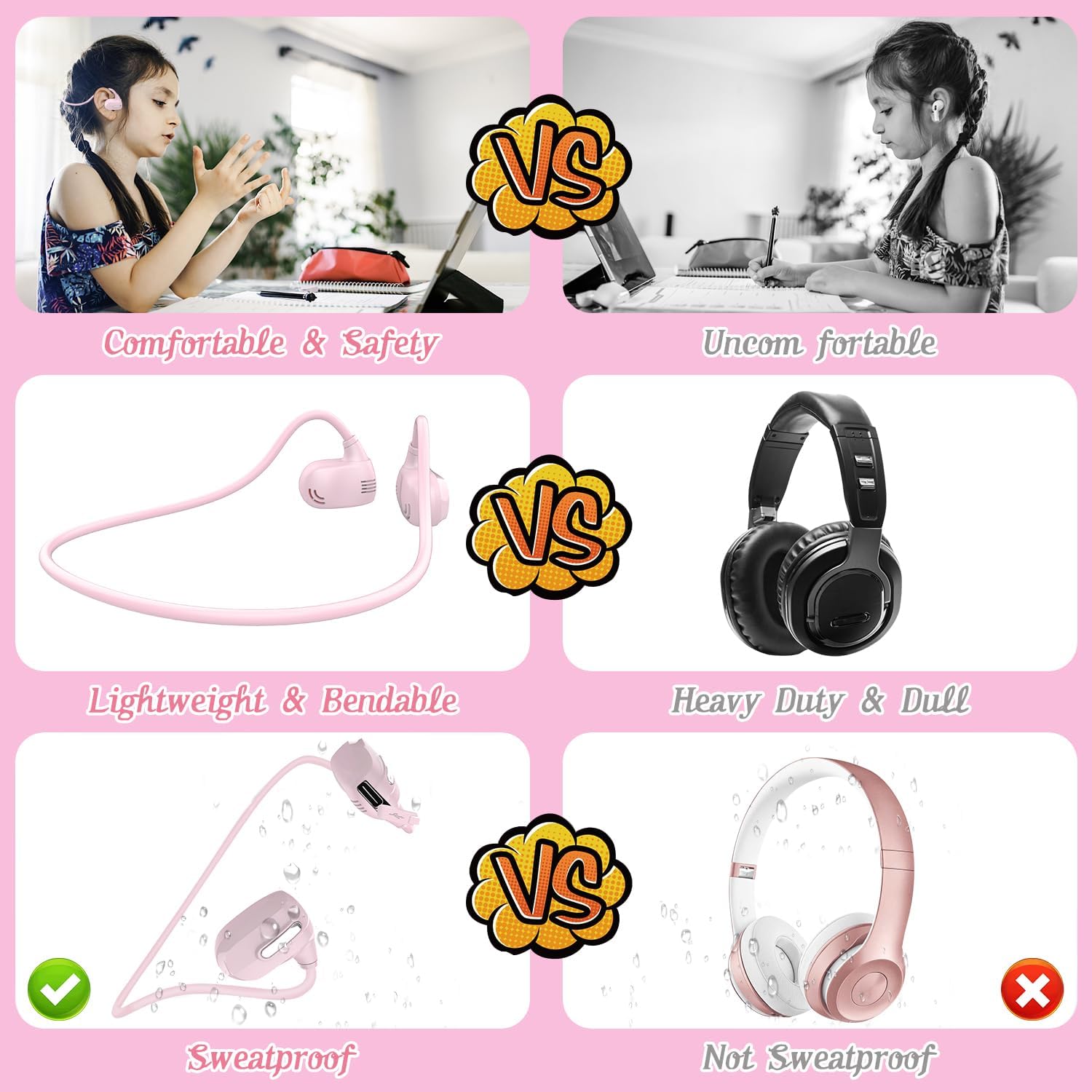
If you’re buying headphones for children, the real question is usually not “how loud can they get?” but “how safe and practical are they for everyday use?” These BANIGIPA kids headphones take an open-ear approach rather than classic in-ear or fully closed over-ear designs. On paper, that means the ear canal isn’t blocked, while the wearer can stay more aware of their surroundings—useful for the journey after school, and for day-to-day school or travel listening.
They’re positioned as a kids-friendly wireless headset with an integrated microphone for calls, plus a set of simple touch controls aimed at younger users. There are also specific claims around hearing protection and comfort, which is where these will matter most if you’re trying to avoid the “typical” compromises people run into with budget headphones.
Key points: comfort and hearing awareness
The standout idea here is the open-ear + air-conduction concept. Instead of sealing the ear, the design aims to keep the ear canal clear and support a more alert, aware listening experience. If your child tends to get flustered or uncomfortable with traditional designs, this is the kind of style that can feel easier to wear for long stretches.
BANIGIPA also places emphasis on hearing protection. The description states the sound pressure at the ear is well below a healthy threshold of 85dB, and that the open-ear setup helps protect children’s eardrums and reduce risk of permanent damage. It’s worth keeping in mind, though, that these are product claims, your actual experience will still depend on volume habits and what they’re listening to.
Where they shine in everyday use
These headphones look built around the routines kids actually have: learning, entertainment, and commuting.
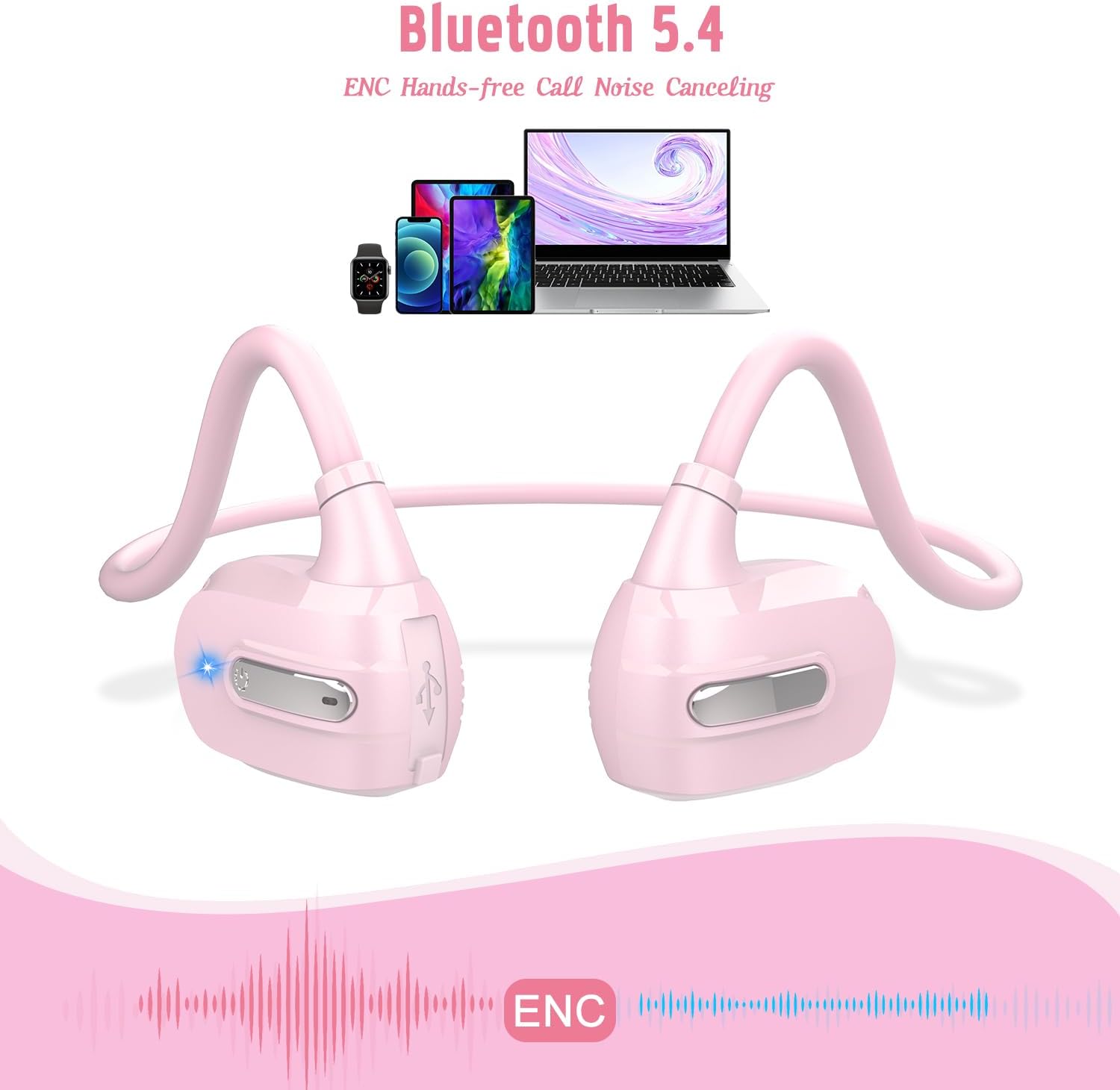
For school and tablet use, you get Bluetooth wireless listening and a built-in mic with ENC noise cancellation for clearer hands-free calls. The touch controls are described as multi-functional, including power on/off, play/pause, voice assistant activation, next song, and call answer/hang up/reject.
A small practical note from the listing: if it’s the child’s first time using an open-ear touch headset, you’re advised to wear it for 3–5 days to adapt. That sounds minor, but in reality it’s often the difference between “fine once they get used to it” and “why won’t they stop pulling it off?”.
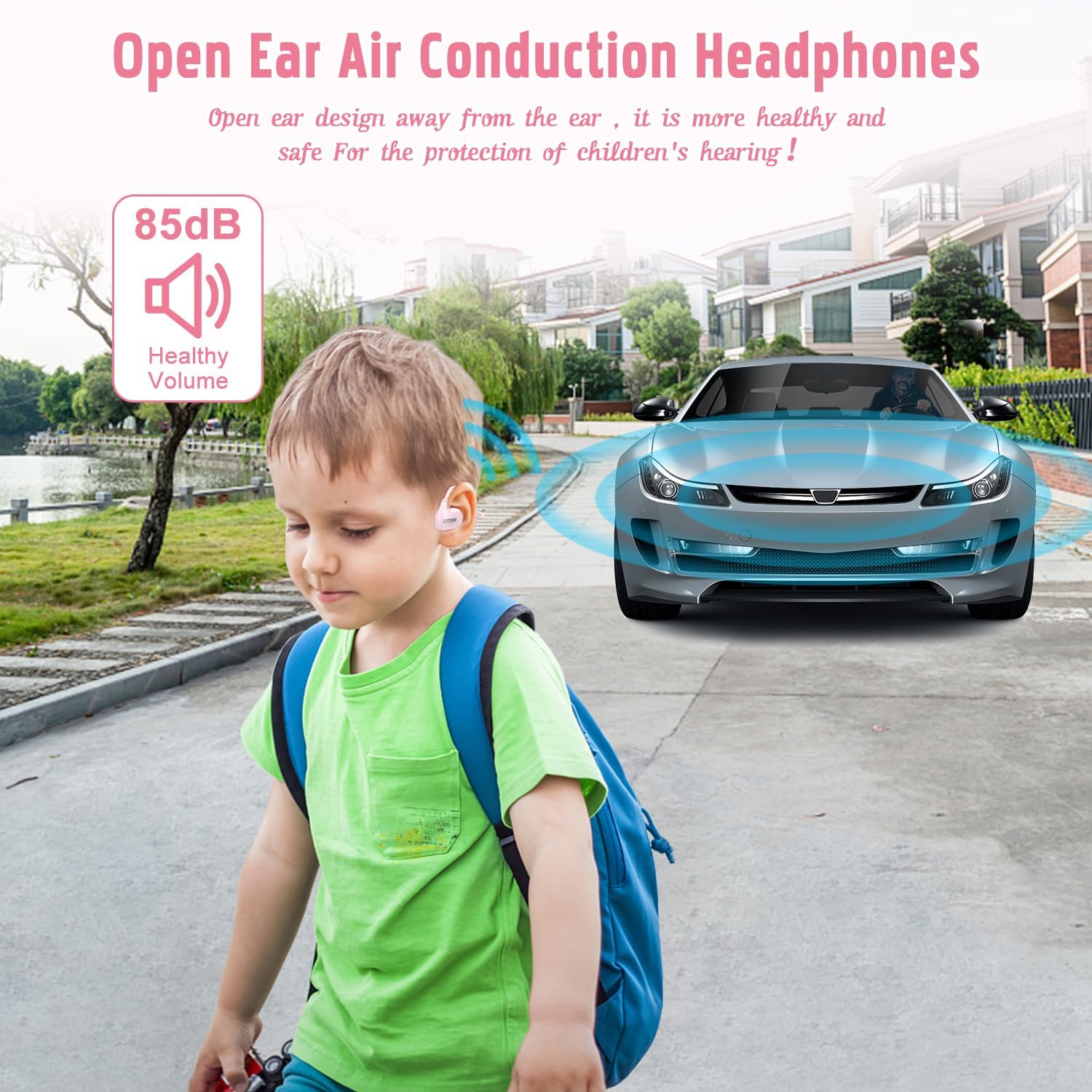
If you’re thinking about travel, the listing specifically calls out car and airplane rides as a use case—exactly the kind of scenario where lightweight gear matters.
What matters most on the move: battery and charging
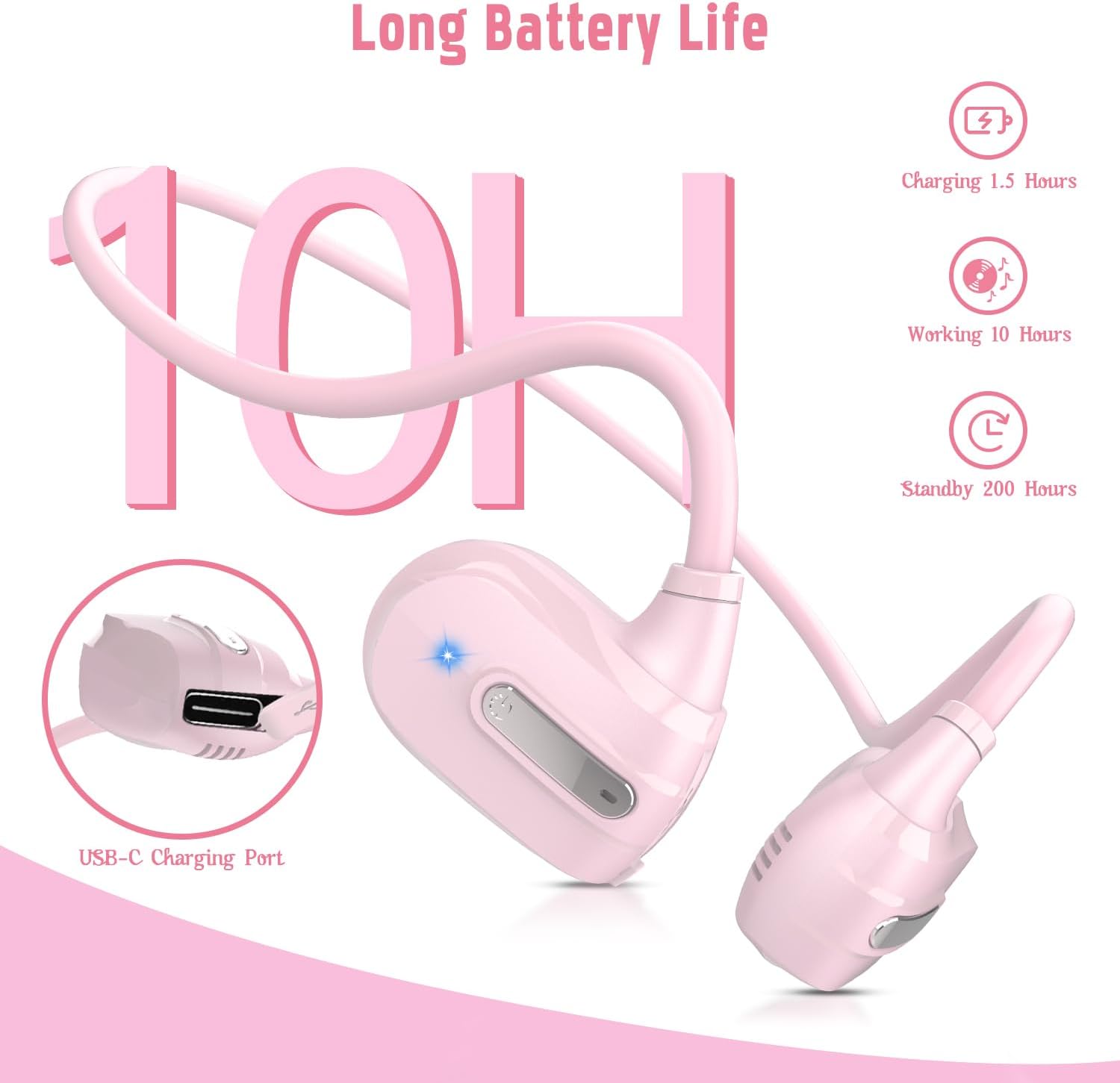
Battery life is one of the stronger points mentioned. The headphones are described as offering 10 hours of music time from a built-in rechargeable lithium battery, with up to 200 hours of standby. Charging is via USB-C fast charging, with a full charge said to take around 1.5 hours.
In practice, that means fewer “where’s the charger?” moments, especially if they’re used for school days and then tucked away for weekends. Still, there’s a limitation: the listing says the headphones only prevent a small amount of sweat and raindrops, and they’re not recommended for swimming. So if your child is likely to be in proper wet conditions, it’s better to think of these as everyday, not sports-to-the-pool.
Bluetooth 5.4 range and connection expectations
The listing states wireless Bluetooth 5.4 with a “high-performance chip” for faster signal transmission and a more stable connection, plus a claimed range of up to 33 feet.
That “up to” wording matters—real-world range depends on walls, bags, and interference. But as a general expectation, it’s designed to work cleanly with typical Bluetooth devices such as phones, laptops, tablets, PCs, and even smartwatches.
One more consideration: Bluetooth compatibility is broad (“most devices on the market with Bluetooth”), but if you’re pairing with something less common, it’s still sensible to double-check that it supports Bluetooth audio rather than only general connectivity.
Tech specs (the bits that influence buying decisions)
- Name: BANIGIPA Kids Headphones (Open Ear Headphones)
- Type: Wireless Bluetooth headphones with built-in microphone
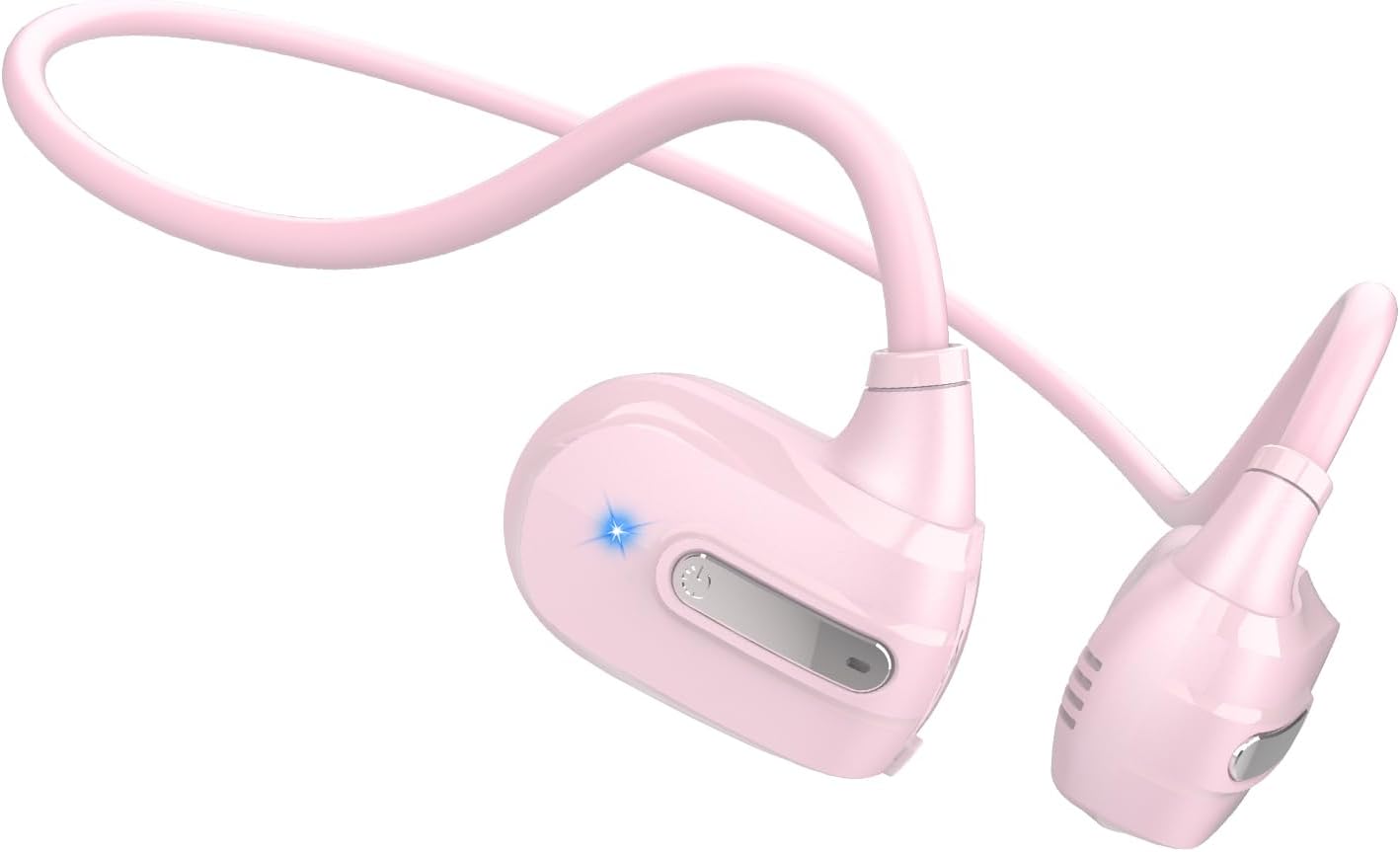
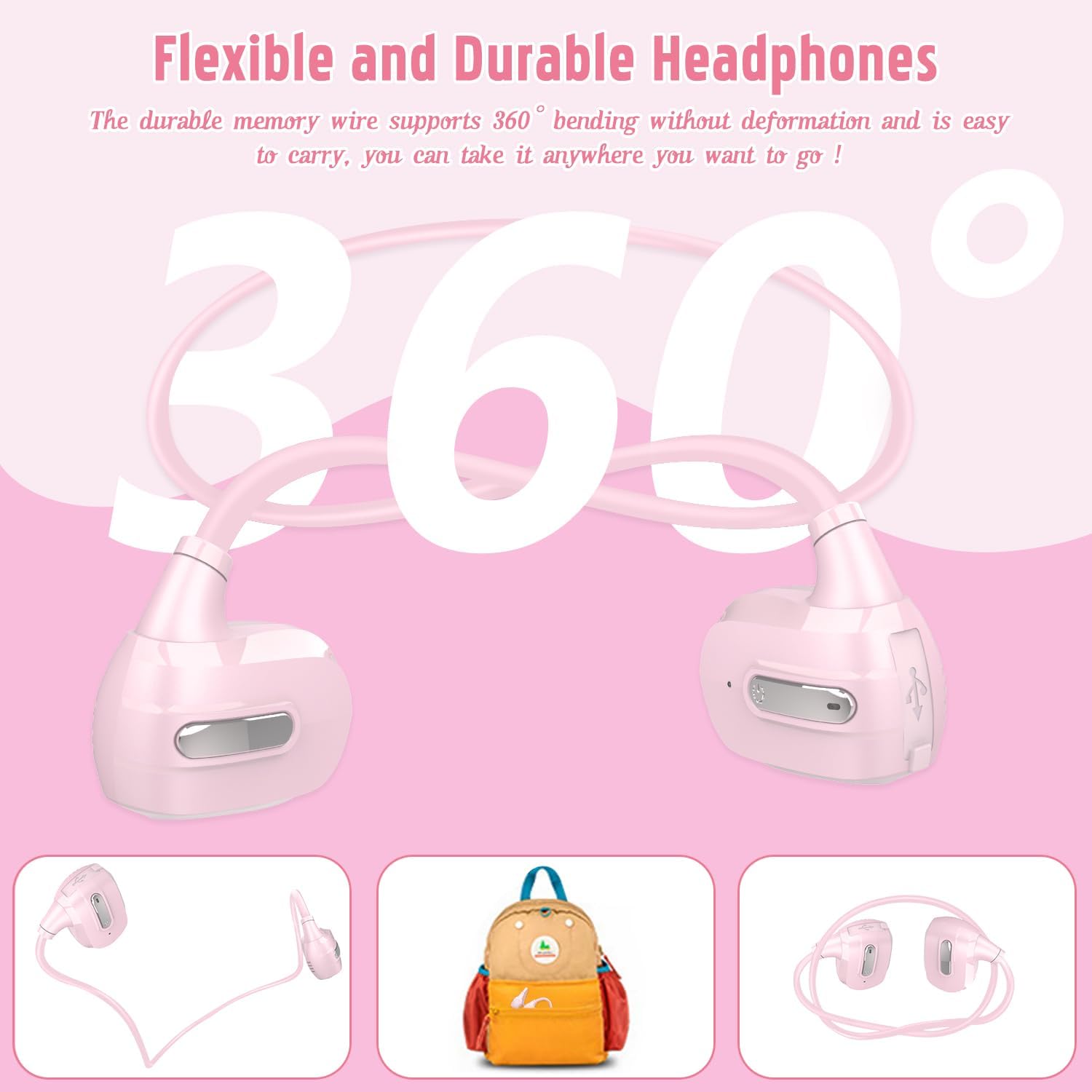
- Material: 360° bendable non-deformable memory aluminium
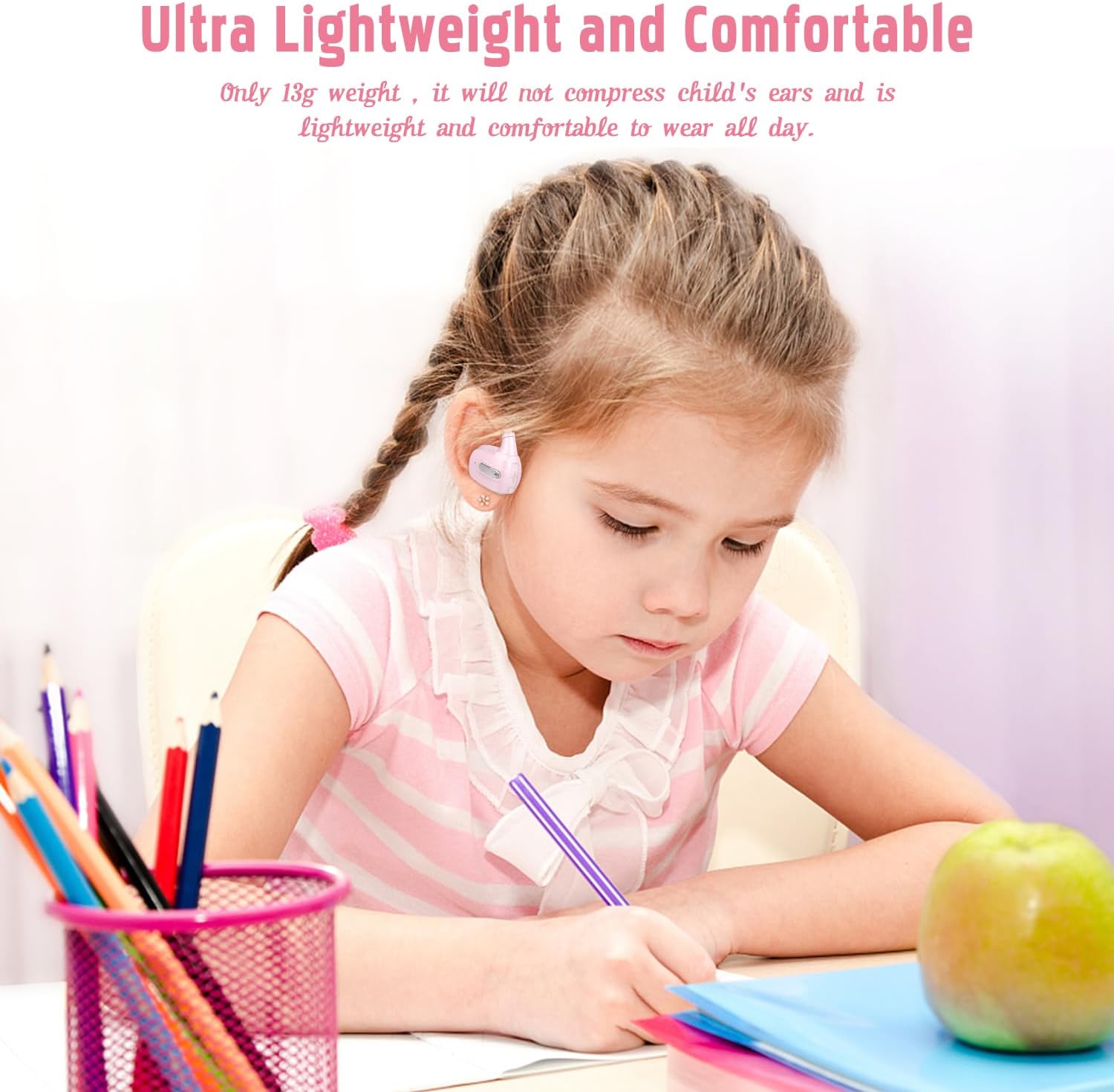
- Weight: 13g (ultra-light)
- Bluetooth version: 5.4
- Driver: 13mm driver
- Playtime: up to 10 hours of music time
- Standby: up to 200 hours
- Charging: USB-C fast charging
- Microphone features: ENC noise cancellation (hands-free calling)
Pros and limitations (so you’re not surprised)
These are some of the reasons people may actually choose this style over the more common alternatives.
- Open-ear concept for a more aware listening experience and a clearer ear canal, rather than sealing the ear
- Very light build (13g) designed to reduce discomfort from prolonged wear
- Bluetooth 5.4 for a stable wireless connection, with a claimed range of up to 33 feet
- Built-in mic with ENC noise cancellation, useful for study calls and hands-free communication
- Multi-functional touch buttons that are described as easier for kids to operate
And the honest limitations: - It’s not a waterproof option for swimming, it’s more “small sweat/raindrops” than “proper water resistance” - Open-ear headphones are a different listening feel to in-ear or sealed designs—if your child expects strong bass impact, they may find it less “immersive” than fully sealed alternatives - Hearing protection is addressed via claims about sound pressure, you’ll still want to manage volume habits and use in sensible environments
Who it suits (and who should look elsewhere)
It makes sense if you want a kids wireless headset for everyday use that prioritises comfort and ear awareness. It’s also a reasonable choice if your child needs hands-free mic functionality for calls connected to school or tablet learning.
It might not suit you if your priority is maximum isolation from ambient noise—open-ear designs tend to let more of the outside world in. Also, if you’re shopping for frequent water-based activity (beyond minor drizzle/sweat), you may want to consider a more explicitly water-focused alternative.
In the box / essentials you should check
The listing focuses on the headset itself, charging (USB-C), and usage guidance like the adaptation period. Before buying, it’s worth checking the product page for what’s included (for example, charging cable) and confirming your device compatibility via Bluetooth audio support.
Small FAQ for first-time buyers
How should kids adapt to open-ear headphones?
The listing recommends wearing them for 3–5 days to adapt if it’s their first time with this open-ear touch style. That’s a useful expectation to set early.
Are these suitable for calls?
Yes. The headphones include a built-in microphone using ENC noise cancellation and are described as supporting hands-free calling.
Can they handle sweat or light rain?
They’re described as only preventing a small amount of sweat and raindrops, and they’re not recommended for swimming.
What devices can they connect to?
The description says they’re compatible with most Bluetooth devices, including phones, laptops, tablets, PCs, computers, and smartwatches.
Is the battery life good enough for a school week?
On paper, 10 hours of music time and 200 hours standby suggests they should last comfortably through typical periods of use, but real battery life will vary with volume and Bluetooth activity.
Final verdict
Worth considering if you’re buying a lightweight, open-ear wireless headset for everyday school, tablet listening, and travel—especially if you want your child to be more aware of their surroundings and you like the idea of ear protection claims backed by a conservative sound pressure target. It’s not the best match if you need strong noise isolation or proper water resistance for swimming, and it may feel less “immersive” than sealed earphones. If you prioritise comfort, simple touch controls for kids, and hands-free mic support, these BANIGIPA kids headphones are a sensible option to check out.