

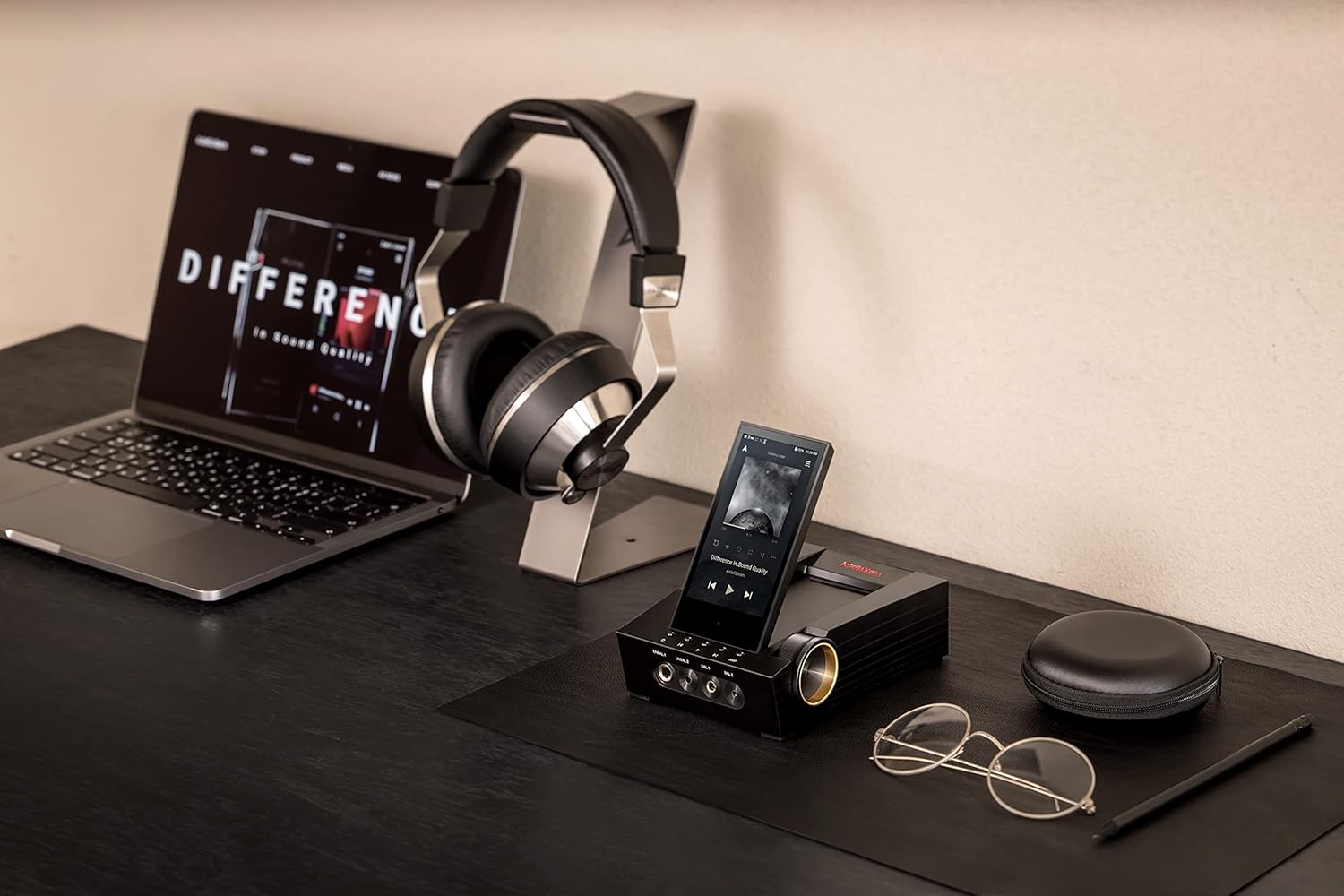
Astell&Kern CA1000T Desktop Audio System (Rich Grey) for high-impedance headphones
Product description
What it is and why you’d want it
The Astell&Kern CA1000T is a desktop-focused audio system that combines a headphone amplifier with digital audio player capabilities. On paper, it’s aimed at people who want one central unit for listening at home—especially if you own higher-impedance headphones and want proper drive without constantly reconfiguring your setup.
The headline appeal is the way it tackles demanding headphone loads and provides multiple headphone connection types. It’s also positioned as a “core component” for a hi-fi arrangement, thanks to its mix of digital and analogue inputs/outputs.
That said, it’s a fairly specialist piece. If you’re after a simple desk upgrade for mainstream low-impedance Bluetooth-style listening, this may be more complexity than you need.
The sound-driving bit (inputs, outputs and headphone support)
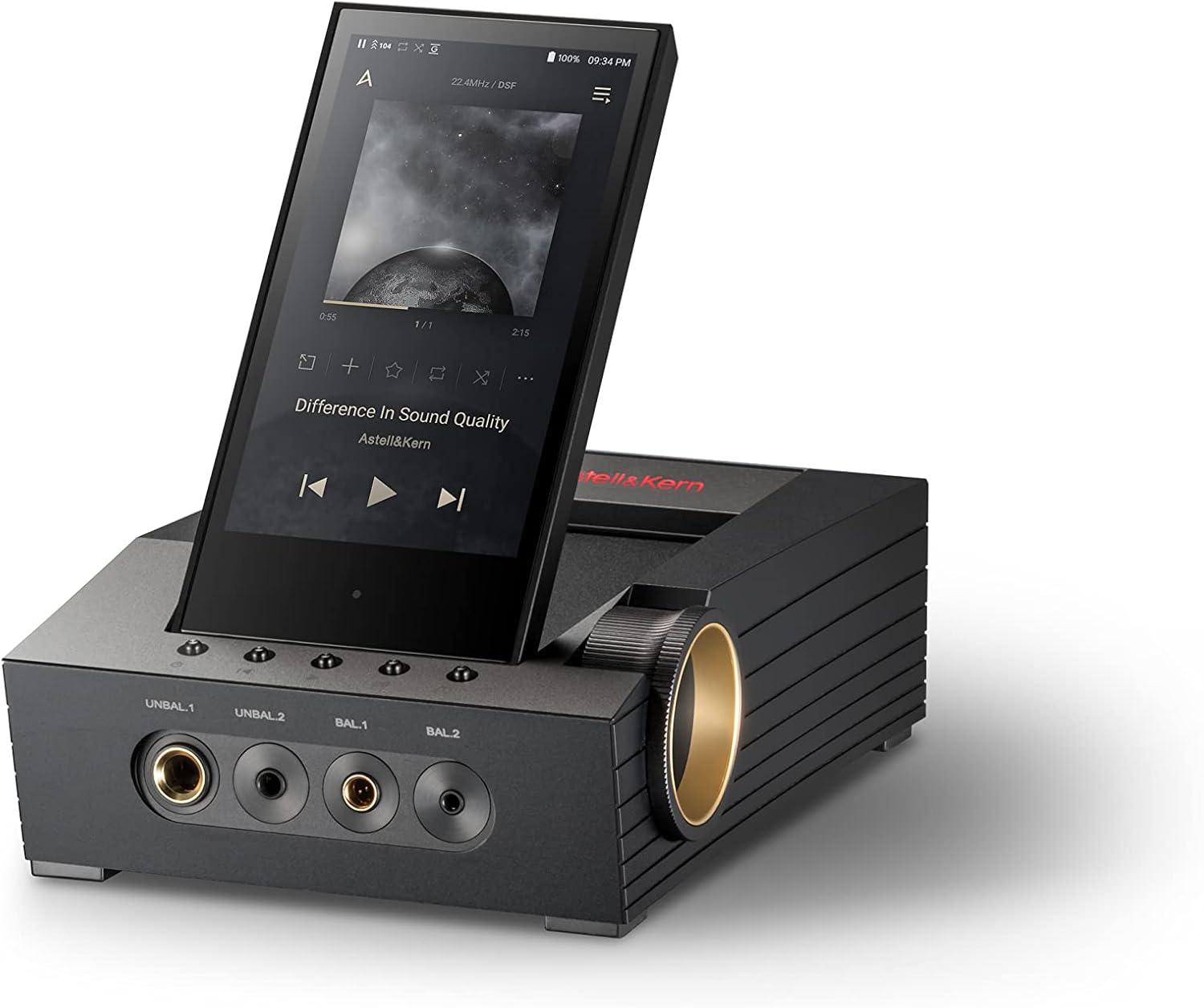
This unit is built to drive high-impedance headphones, with 4-step gain levels. The key practical point is gain adjustment: depending on your headphones’ needs and your preferred listening level, you should be able to dial in a sensible starting point rather than being stuck with a one-size-fits-all volume curve.
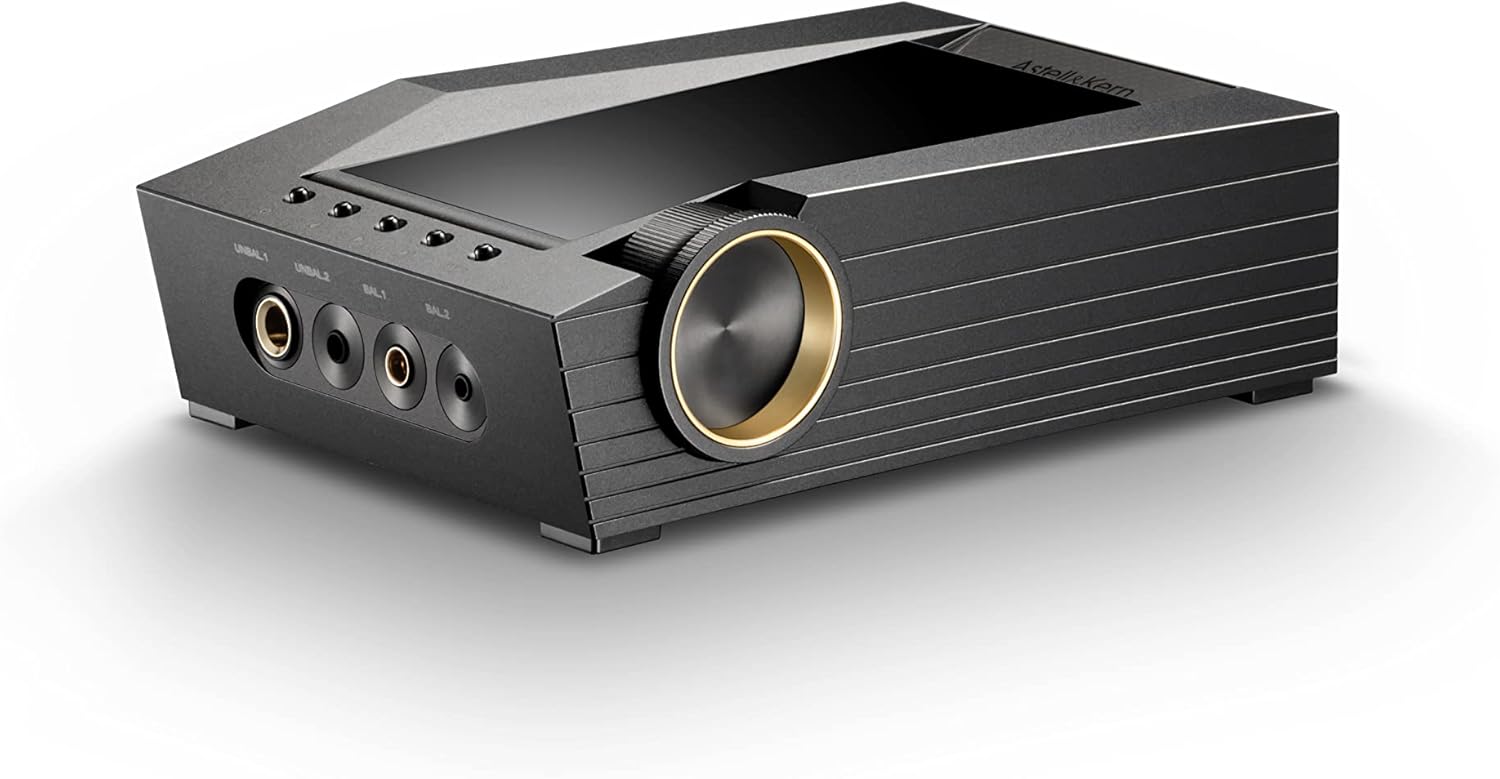
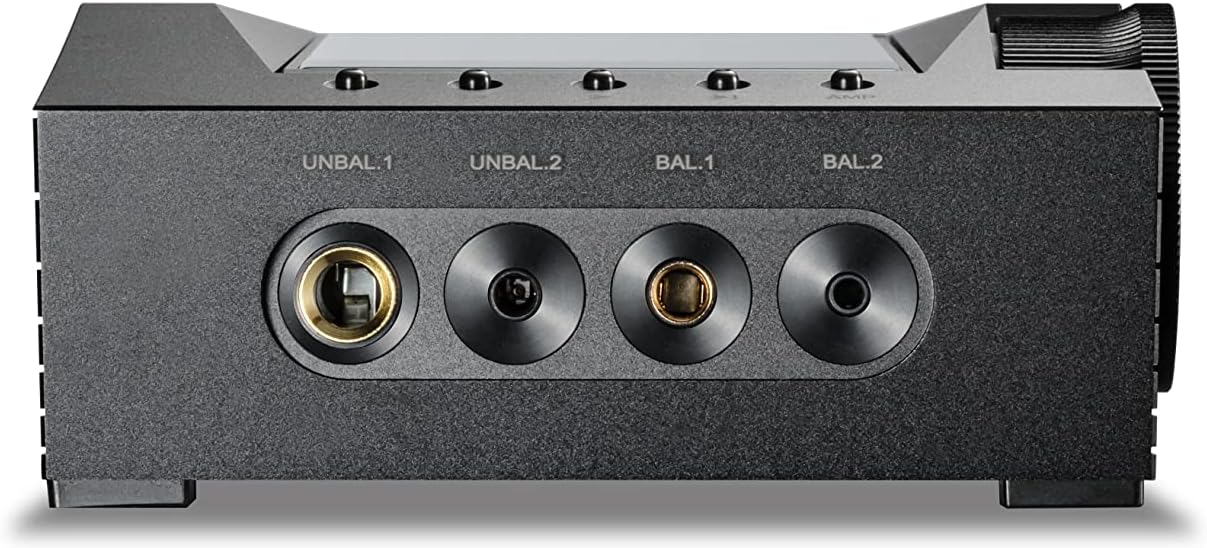
Connection-wise, you get several options so different headphone cables and plugs can be accommodated: - 3.5mm unbalanced headphone output - 6.35mm (¼-inch) unbalanced headphone output - 2.5mm and 4.4mm balanced headphone outputs
For everyday use, this matters more than it sounds. A common real-world scenario is having a pair of everyday headphones plugged into the front-facing connection you reach for quickly, then switching to a balanced-cabled pair when you’re in “proper listening” mode at the desk.
One nuance to keep in mind: the spec mentions driving high-impedance headphones, so if your collection is mostly low-impedance models, you may find the benefit less obvious than it would be for owners of high-impedance headphones.
Tech summary that actually tells you something
Astell&Kern highlights the use of “flagship ESS ES9039MPRO Dual-DACs”, described as the world’s first use of those Dual-DACs in this context. The practical implication (without getting too lost in jargon) is that the DAC section is treated as a serious part of the design, not a token addition.
There’s also a Triple Amp System described with dual Triode KORG Nutube tubes. The wording here suggests the unit is designed to fine-tune its sound character rather than delivering only one fixed amplification style.
If you’re the type of buyer who pays attention to digital-to-analogue conversion and output stage design, this system has the sort of details you’ll actually care about.
Playback and hi-res support
The CA1000T supports high-resolution audio playback up to native DSD512 and 32bit/768 kHz, which is clearly aimed at people who collect hi-res files and want the desktop to keep up.
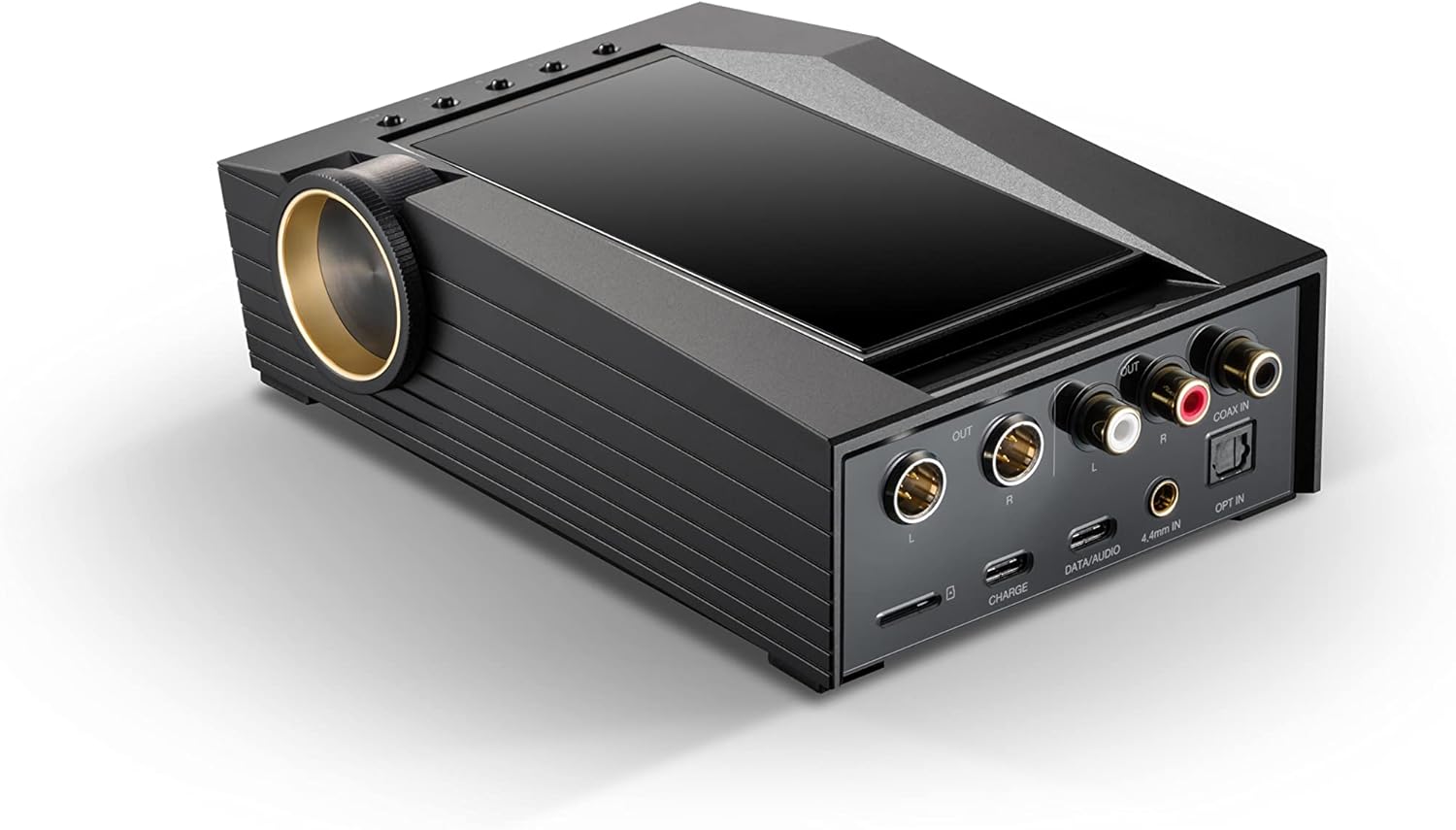
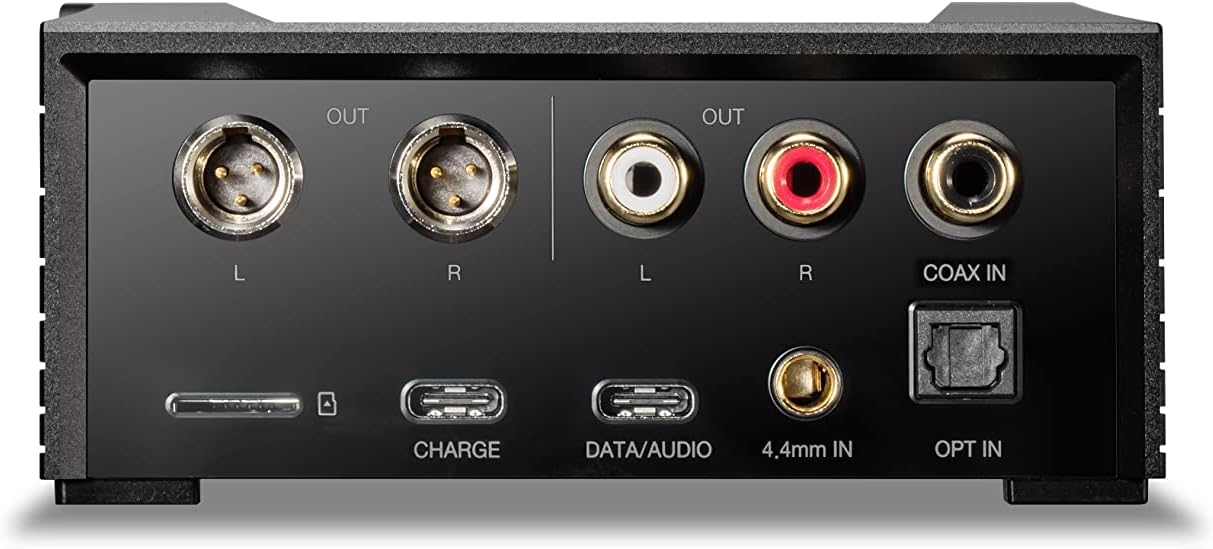
It’s also described as supporting digital/analogue inputs and outputs, which is what you want if you plan to place it at the heart of a wider hi-fi setup. In other words, it’s not only a headphone amp you unplug occasionally—it’s framed as the centre of a chain.
A mild limitation to note: while the spec states high-resolution support and player capabilities, it doesn’t list the streaming services or specific file formats beyond the high-res ceilings mentioned. If your listening depends heavily on a particular app or streaming ecosystem, you’ll want to double-check compatibility in the product details before committing.
Key takeaways for buyers deciding on a desktop amp
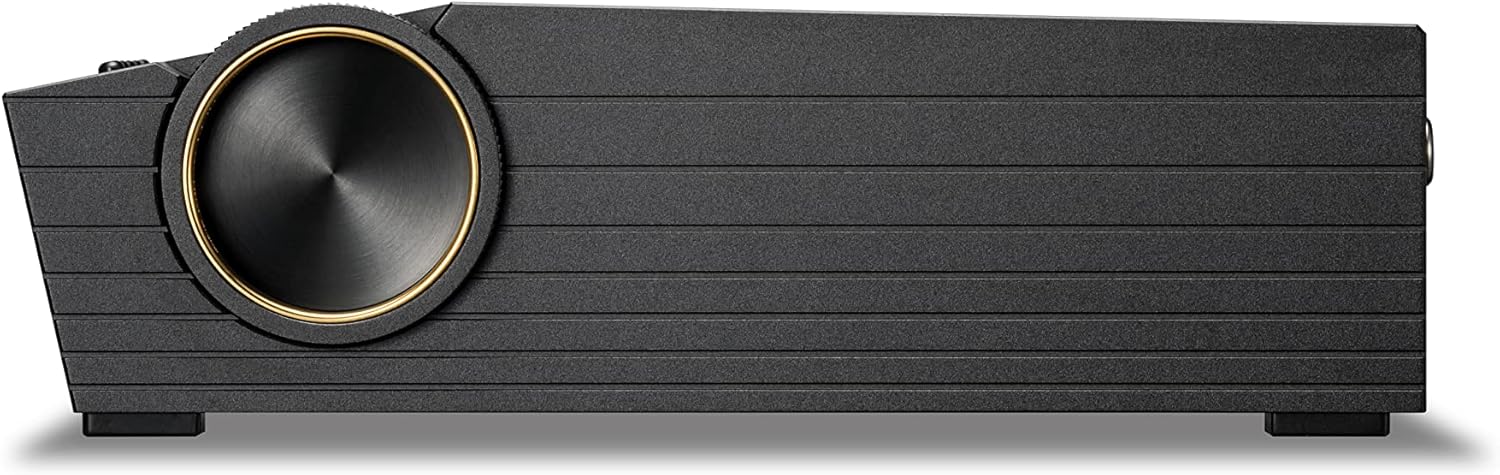
The CA1000T makes the most sense if: It makes sense if you want a desktop unit that can handle high-impedance headphones, offers gain control, and gives you multiple headphone outputs (including balanced). It also suits you if your goal is to run a hi-fi setup from one central component, not just a standalone amp.
It’s not the best choice if: It may not suit you if your headphones are mostly low-impedance and you simply want plug-and-play volume with minimal fuss. It might be overkill if you don’t care about hi-res playback and you prefer a more straightforward device path.
Worth considering approach: If your current approach is “separate DAC + separate amp” or “upgrade the headphone amp only”, the CA1000T’s all-in-one desktop positioning could reduce clutter—just be aware that it’s also a commitment to a particular desktop footprint and setup style.
What to check before you buy
Before purchasing, it’s worth confirming: - Which headphone plug types you’ll actually use (3.5mm, 6.35mm, 2.5mm or 4.4mm balanced) - Whether your headphones are high-impedance, since that’s explicitly called out - That the high-resolution playback support matches your library needs (especially if you own DSD or very high sample-rate material) - That the unit’s input/output options align with how you plan to build your desk or hi-fi chain
Is it worth it?
Astell&Kern’s CA1000T is a serious desktop system on paper: high-impedance-friendly amplification with multiple headphone outputs, gain steps for practical matching, and a design that leans into serious DAC and amplification stages (including the dual Triode KORG Nutube approach).
You should buy it if you want one central desktop component that can drive the headphones you own well, support hi-res formats up to the stated limits, and potentially act as a hub within a hi-fi setup.
You may want to skip it if your listening is mainly casual, your headphone collection doesn’t lean towards high impedance, or you need guaranteed compatibility with a specific streaming ecosystem that isn’t covered in the provided details.
Mini FAQ
Can it drive high-impedance headphones?
Yes—its description specifically calls out driving high impedance headphones and includes 4-step gain levels to help match listening levels.
What headphone connections does it have?
It’s described with 3.5mm and 6.35mm unbalanced outputs, plus balanced outputs using 2.5mm and 4.4mm.
Does it include high-resolution playback?
It’s described as supporting high-resolution playback up to native DSD512 and 32bit/768 kHz.
Will it work as part of a wider hi-fi setup?
The product description says it supports digital/analogue inputs and outputs and is designed to be at the heart of a hi-fi set-up, so it’s intended to integrate.
Is it overkill for mainstream headphones?
It might be. If you’re not focused on high-impedance matching, hi-res playback, or multi-connection headphone use, a simpler desktop amp could be more appropriate.