

Apple iPhone Air 256 GB: The thinnest iPhone yet with ProMotion and a powerful A19 Pro chip
Product description
What it is and what it’s for
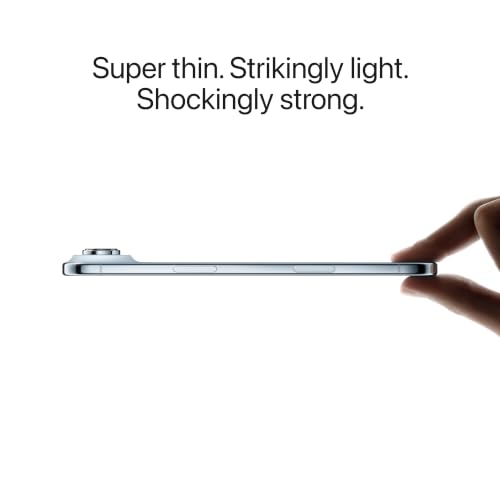
The Apple iPhone Air 256 GB is described as the thinnest iPhone ever, weighing in at 5.6 mm. Its ultralight titanium frame and Ceramic Shield back aim to offer durability while keeping a remarkably slim profile. On the front, a new Ceramic Shield 2 purportedly improves scratch resistance. This device is designed for users who want a premium, highly portable iPhone with pro-level performance and flexible photography options.
Core tech and battery life
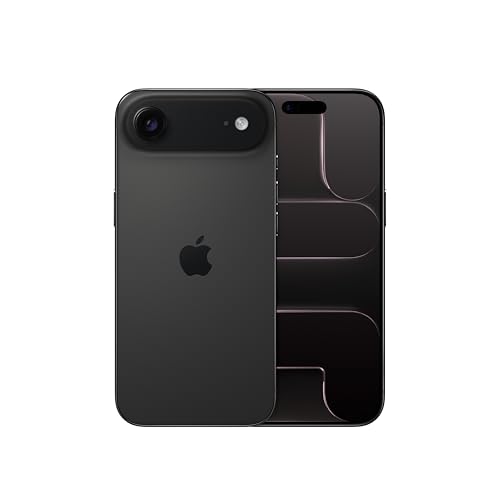
On paper, the iPhone Air integrates the A19 Pro chip for what Apple markets as fast and efficient performance. The model supports a ProMotion display with up to 120 Hz refresh, which should translate to smoother scrolling and more responsive interactions. Battery life is described as all-day, with up to 27 hours of video playback claimed, and slightly longer when using a MagSafe Battery accessory. There’s eSIM support for flexible connectivity management, and satellite features are included for messaging in areas with limited cellular or Wi‑Fi service.
Cameras and imaging
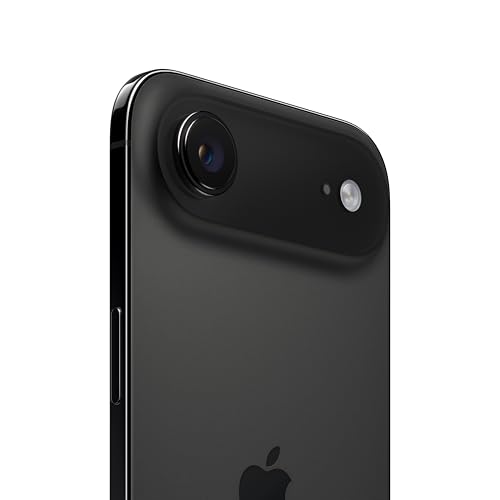
The front camera is advertised as 18 MP with Center Stage for smarter framing in video calls and selfies. The rear camera setup is described as a 48 MP Fusion system with 2x Telephoto, enabling more versatile framing without needing to move. In real-world use, that combination can help you capture everyday moments with more detail and offer creative options for portraits or close-ups, though results often depend on lighting and distance.
Build and durability notes
The device uses an ultralight titanium frame and Ceramic Shield protection on the back, with an additional Ceramic Shield 2 on the front. Apple markets these materials as improving resistance to cracks and scratches, which matters if you carry the phone in pockets or bags with other hardware. Whether this translates to noticeable resilience in daily life can vary with usage patterns and handling habits.
Who it’s for
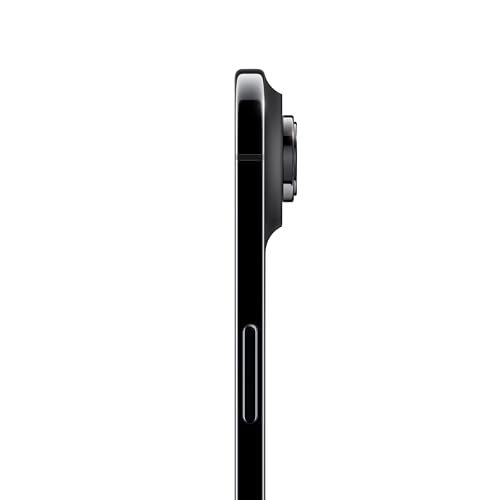
If you prioritise a thin, light phone without sacrificing performance, and you value a high-refresh-rate display for smooth visuals, this model may appeal. It’s potentially a strong match for people who want capable photography, especially with the front‑ and rear‑camera pairing, and for those who like the idea of satellite connectivity as a safety feature. It may suit daily commuters, students, or professionals who travel light and wish to keep a premium device without a heavier chassis.
The not-so-perfect fit
It isn’t necessarily the best option if you require the longest possible battery life in intensive use scenarios, or if you need a traditional, more rugged build for high-impact environments. The emphasis on being ultra‑thin can come at the expense of some bulkier, feature-paring trade-offs that heavier devices might handle differently. For buyers needing the most robust screen protection or the widest third‑party accessory ecosystem, there are other routes to consider.
What to review before buying
Check the display experience (ProMotion up to 120 Hz) and how you perceive the size given the 6.5-inch label. Consider your photography needs against the 18 MP and 48 MP Fusion camera claims, and weigh the all‑day battery claim against your typical daily usage. If you rely heavily on satellite messaging in remote areas, verify how those services integrate with your region and carrier.
How it compares to alternatives in approach
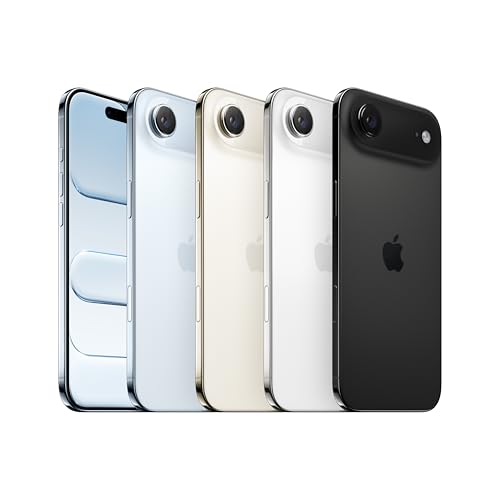
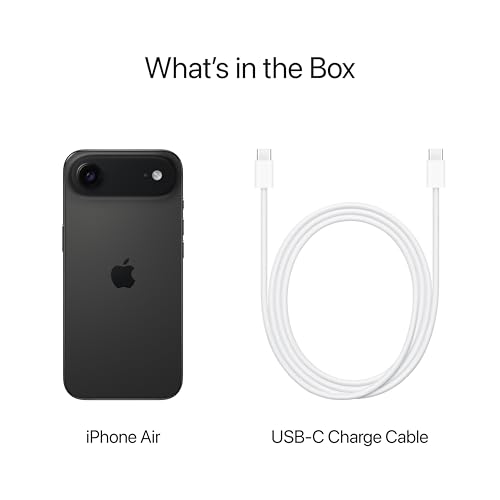
This model represents a premium, ultra‑thin approach to smartphone design. If you prioritise durability and a more traditional chassis, you might look at other high-end phones with different balance points. For those who value a combination of lightness, high refresh rate, and advanced imaging in a compact form, this device fits the mid-to-upper tier of smartphone design choices.
Practical usage snapshot
Imagine you’re commuting with a notebook-style phone that feels almost invisible in your hand yet delivers smooth scrolling, fast app switching, and confident photo results from daily outings. You might use the Center Stage camera during group calls, switch to the Telephoto for a candid street shot, and rely on the all‑day battery for long days away from a charging point.
FAQ (brief and grounded)
- Is the phone really the lightest of its kind? It’s marketed as the thinnest iPhone in its category, aiming for a minimal profile.
- Will I notice the 120 Hz ProMotion everyday? If you use the device for scrolling, games, and fast UI, the higher refresh rate tends to feel smoother.
- How does the camera system perform in low light? The specification highlights 48 MP Fusion with Telephoto, results will depend on lighting and processing in real-world scenarios.
Is it worth it?
It makes sense if you prize portability without sacrificing processing power, enjoy a high‑refresh display, and want a capable camera system in a slim shell. If your priorities are maximum all-day battery life, rugged build, or value-for-money in a more compact budget, you may want to explore other options first.