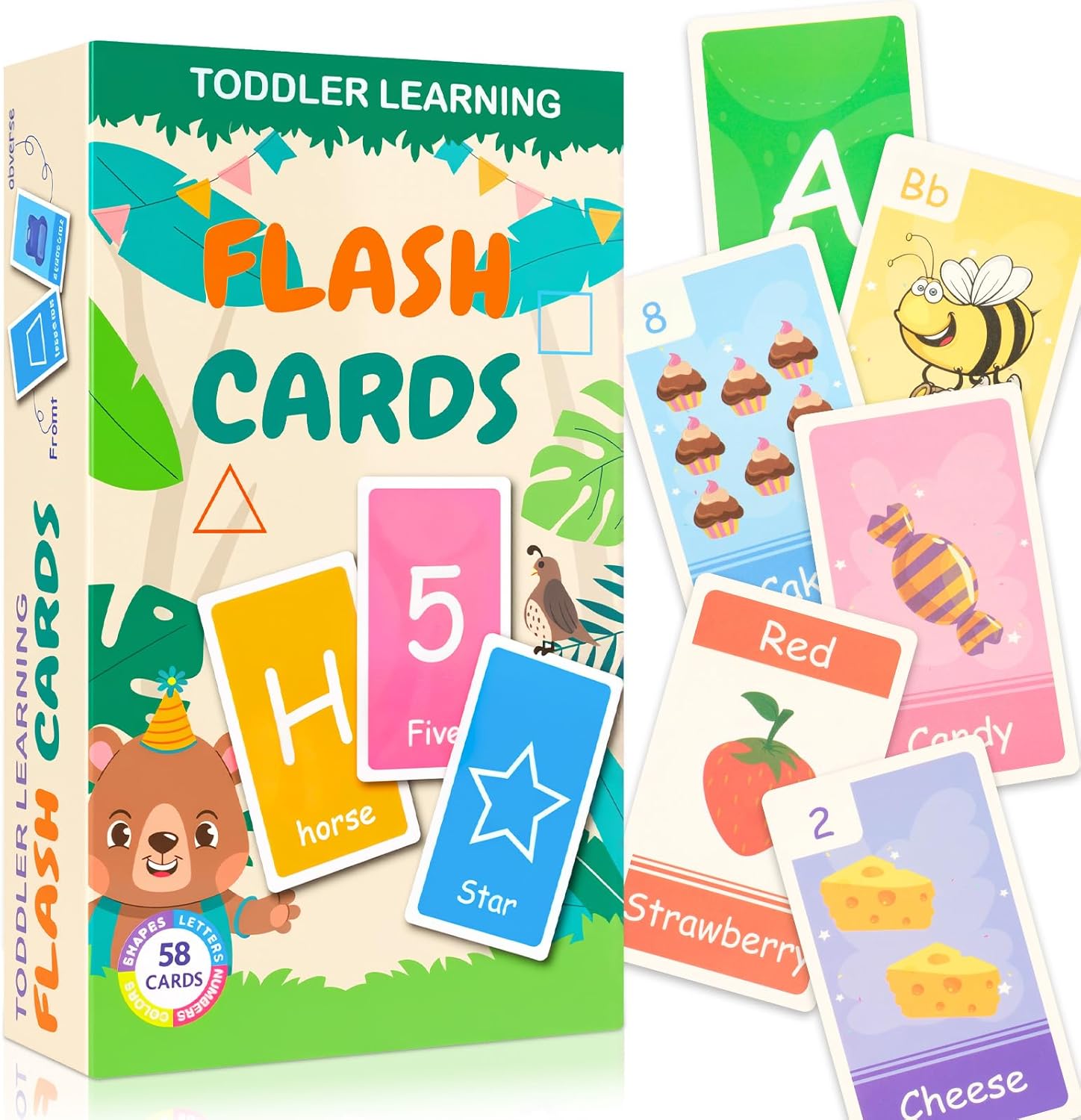
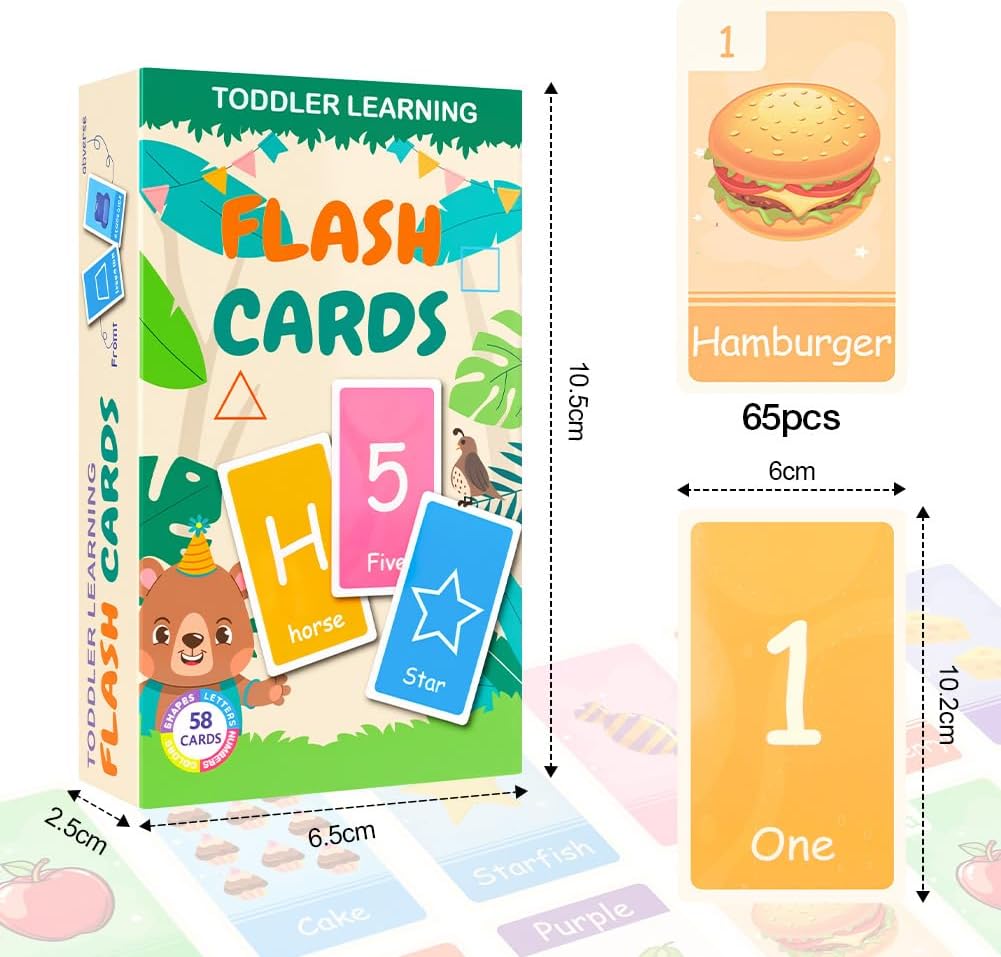
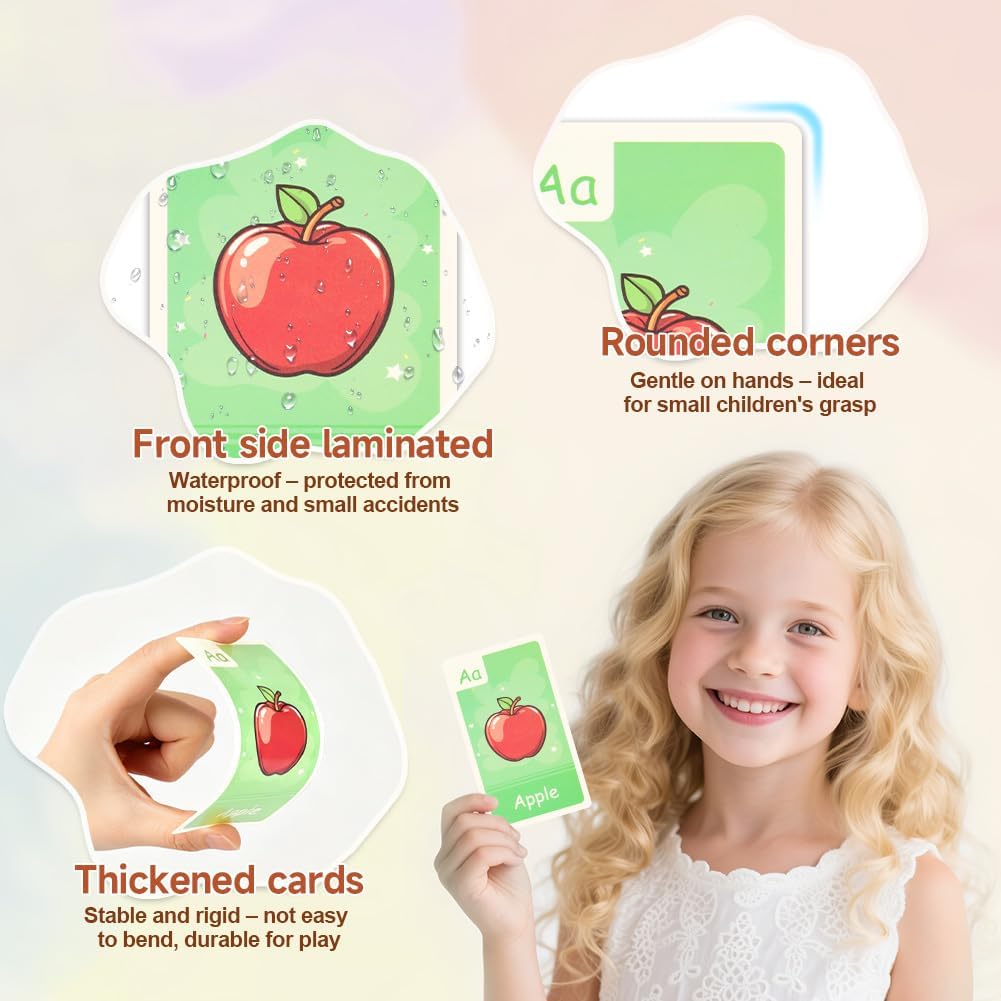
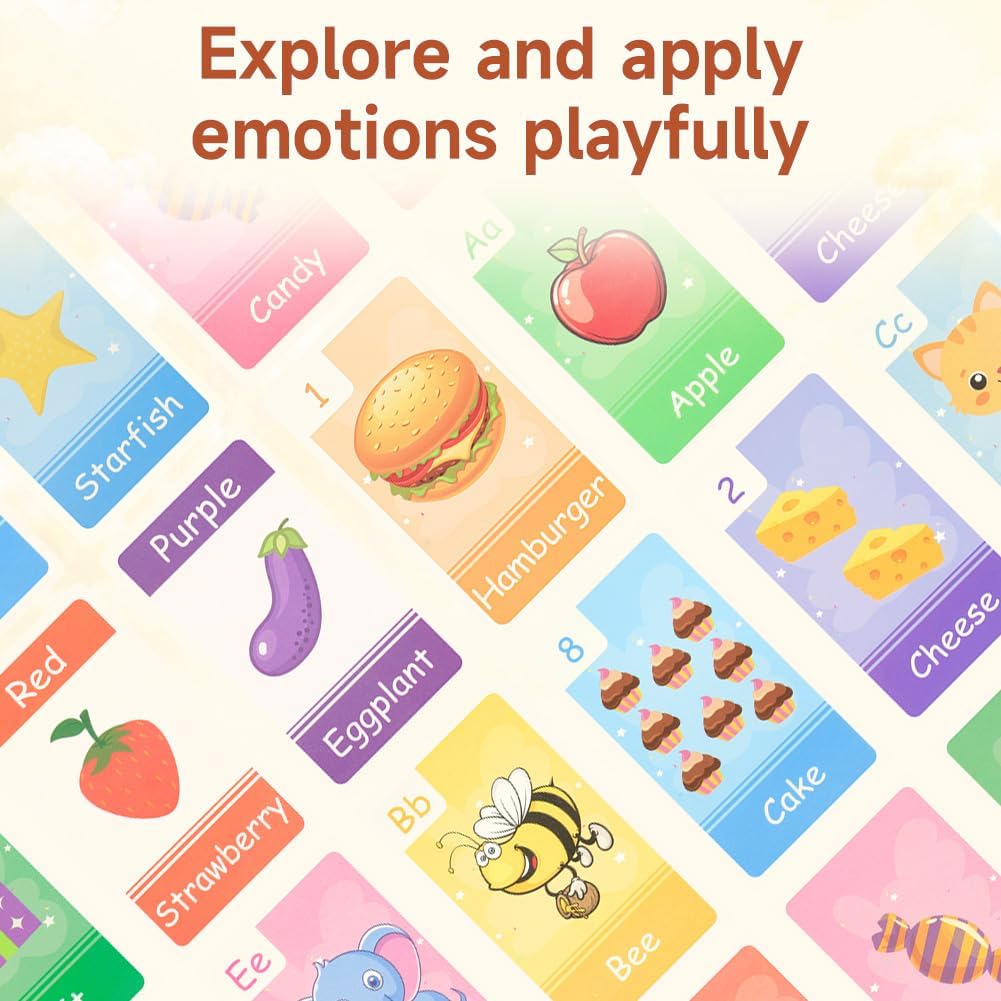
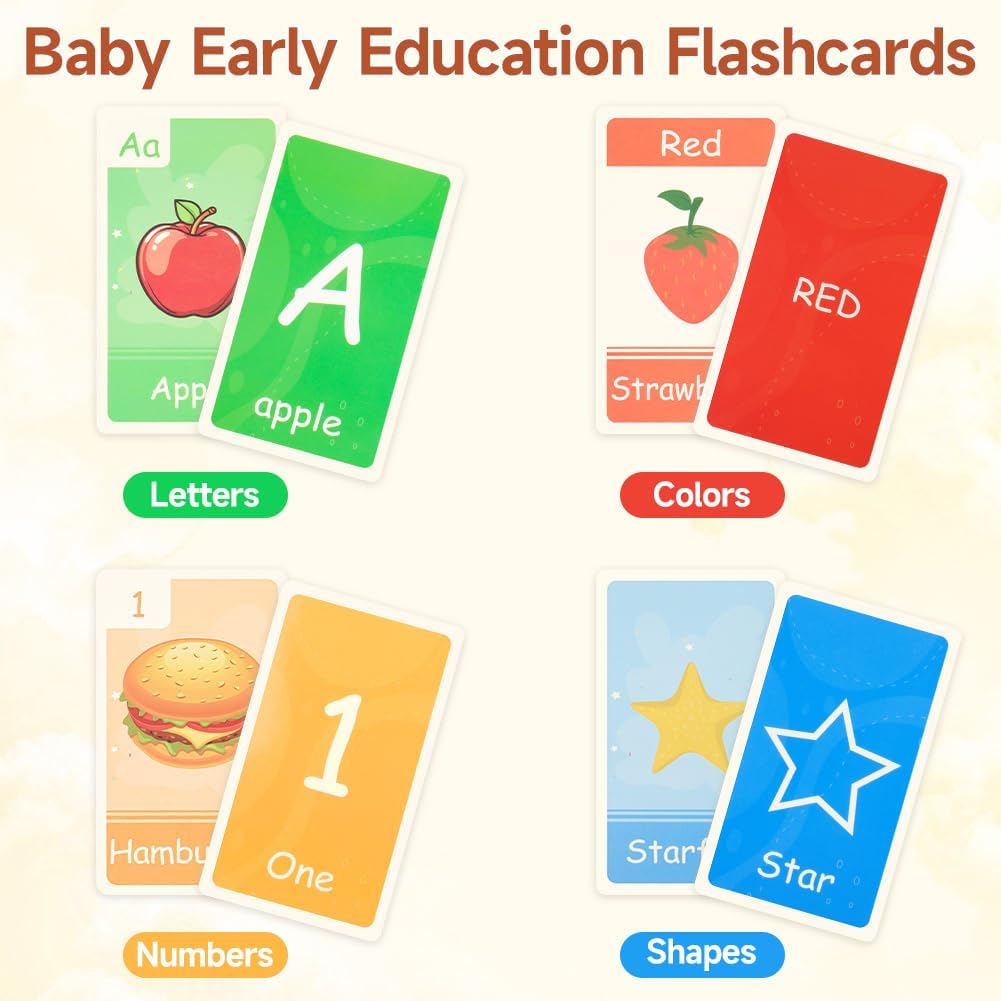
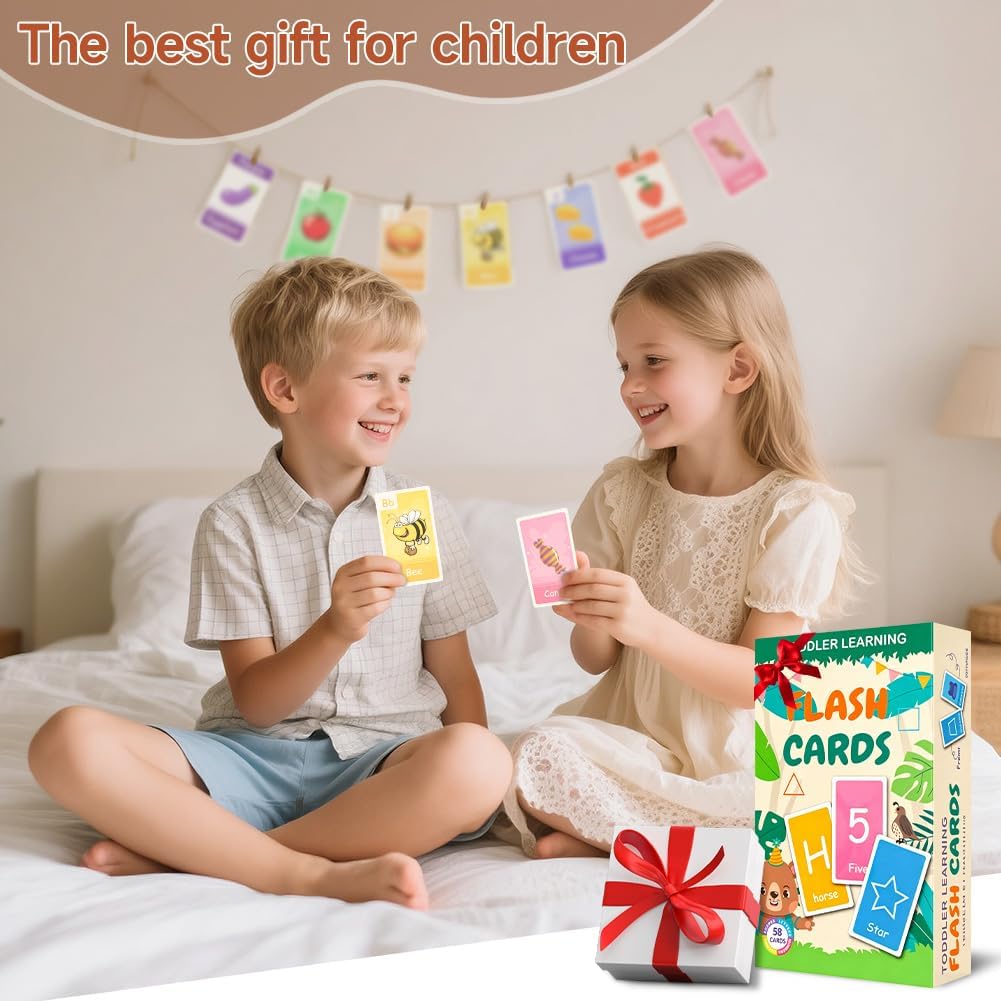
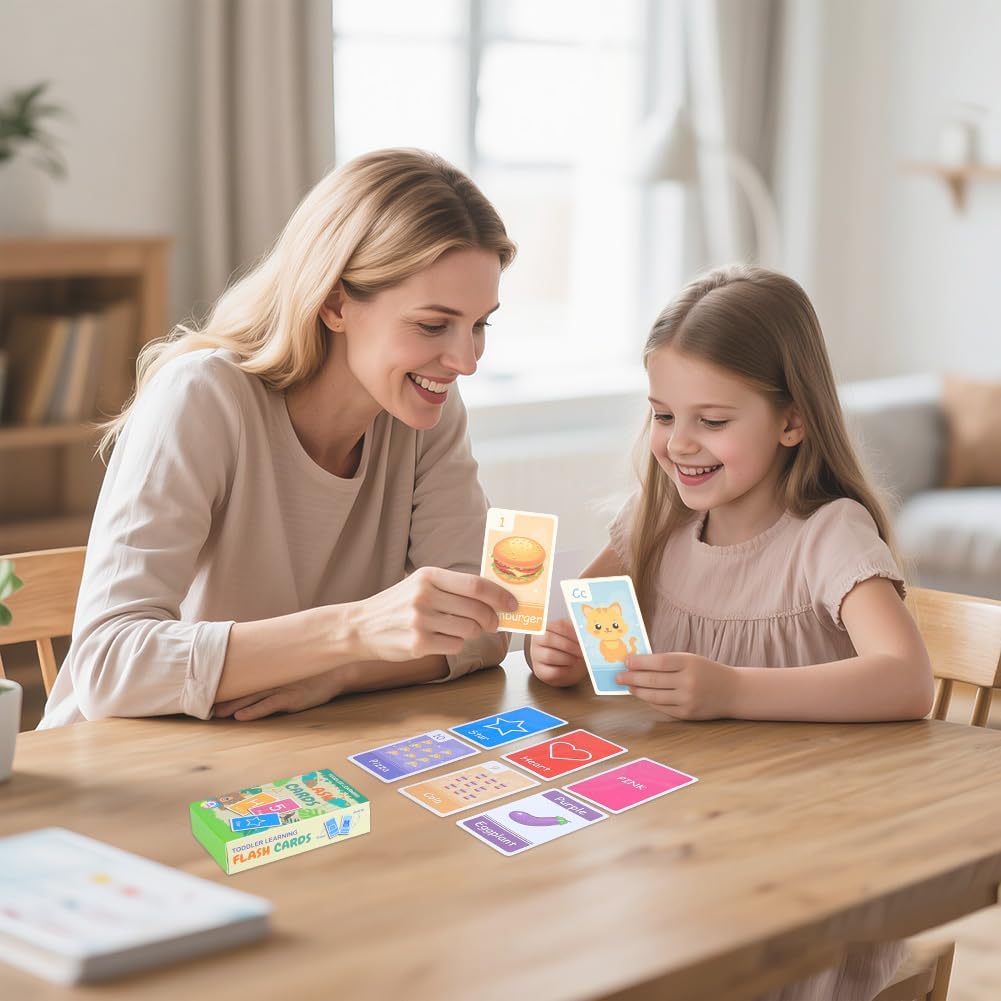
What it is and what it’s for\nThese are 58 emotion recognition flash cards designed to help children identify and express feelings. Each card shows a simple emotion paired with playful cartoon visuals to engage toddlers and support early emotional literacy. The set aims to mix learning with play, using games like Guess the Emotion and Expression Imitation to make practice feel like fun rather than homework.\n\n## How it supports development\nBeyond recognising emotions, the cards touch on basic colour recognition and language skills—children describe what they see, which encourages expressive speaking. The simple, repetitive structure can aid memory and vocabulary building in a low-pressure way, making it a practical tool for parents and carers.\n\n## What stands out\nThe design uses thickened material with rounded corners and a waterproof finish. It’s made to withstand little hands, spills and everyday use. The durable construction is a sensible feature for toys that are likely to see rough handling or travel.\n\n## Limitations and considerations\nOn the page, there’s no information about recommended age range or accompanying teaching guidance, so you’ll need to assess fit based on your child’s development stage. It may work best as part of a broader emotional learning routine rather than a sole resource.\n\n## Who it’s for\nIdeal for parents, guardians or early years educators looking to introduce basic emotions in a structured, playful way. It could slot into parent–child activities, classroom warm-ups, or thoughtful gift packs for milestones in emotional development.\n\n## When it makes sense to buy\nIf you prioritise tangible, durable cards for face-to-face interaction, and you want a straightforward tool to spark conversation about feelings, this set offers a practical option. It may not be the best pick if you need sophisticated psychology or comprehensive emotion coaching templates.\n\n## What to check before buying\nConsider how the cards will fit into your routine: do you prefer independent play prompts or guided activities with an adult? Think about cleaning and storage—the waterproof finish helps, but storage needs remain.\n\n## Practical example of use\nDuring a calm session after a busy day, you pull a card and ask your child to name the emotion, then enact a short, quick scene illustrating the feeling. It’s a simple, visual prompt that can soften transitions and encourage talking rather than shouting.\n\n## Quick comparison in context\nIf you already have a mix of reading or spelling aids, this set can complement those tools by adding a social-emotional focus. It’s a sensible balance between literacy play and emotional development.\n\n## FAQ (where information allows)\n- What ages are these best suited for? Primarily designed for toddlers and early learners, but exact age guidance isn’t provided.\n- Do the cards include instructions for activities? The base description mentions interactive games like Guess the Emotion and Expression Imitation Show, detailed activity guides aren’t specified.\n- Are the cards durable enough for travel? Yes, they have a thickened material and waterproof finish, suitable for everyday use.\n\n## Is it worth it? (Final thought)\nWorth considering if you want a durable, low-hassle way to introduce basic emotions and verbal expression to young children. It may be less appropriate if you’re seeking a comprehensive emotional coaching programme or more advanced linguistic work.