


AGSMXSYG Carbon Monoxide Alarm with Digital Display ⛑
Product description
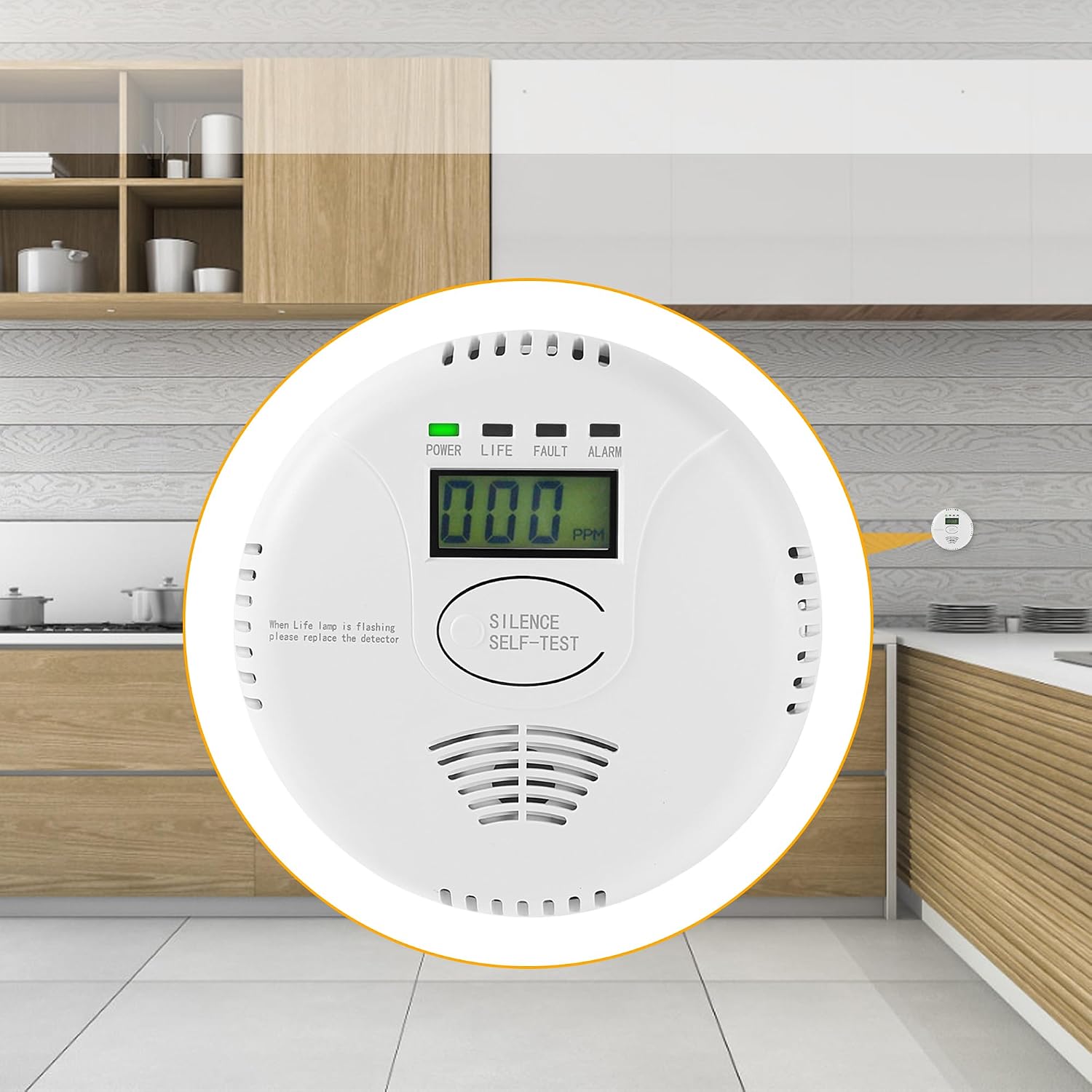
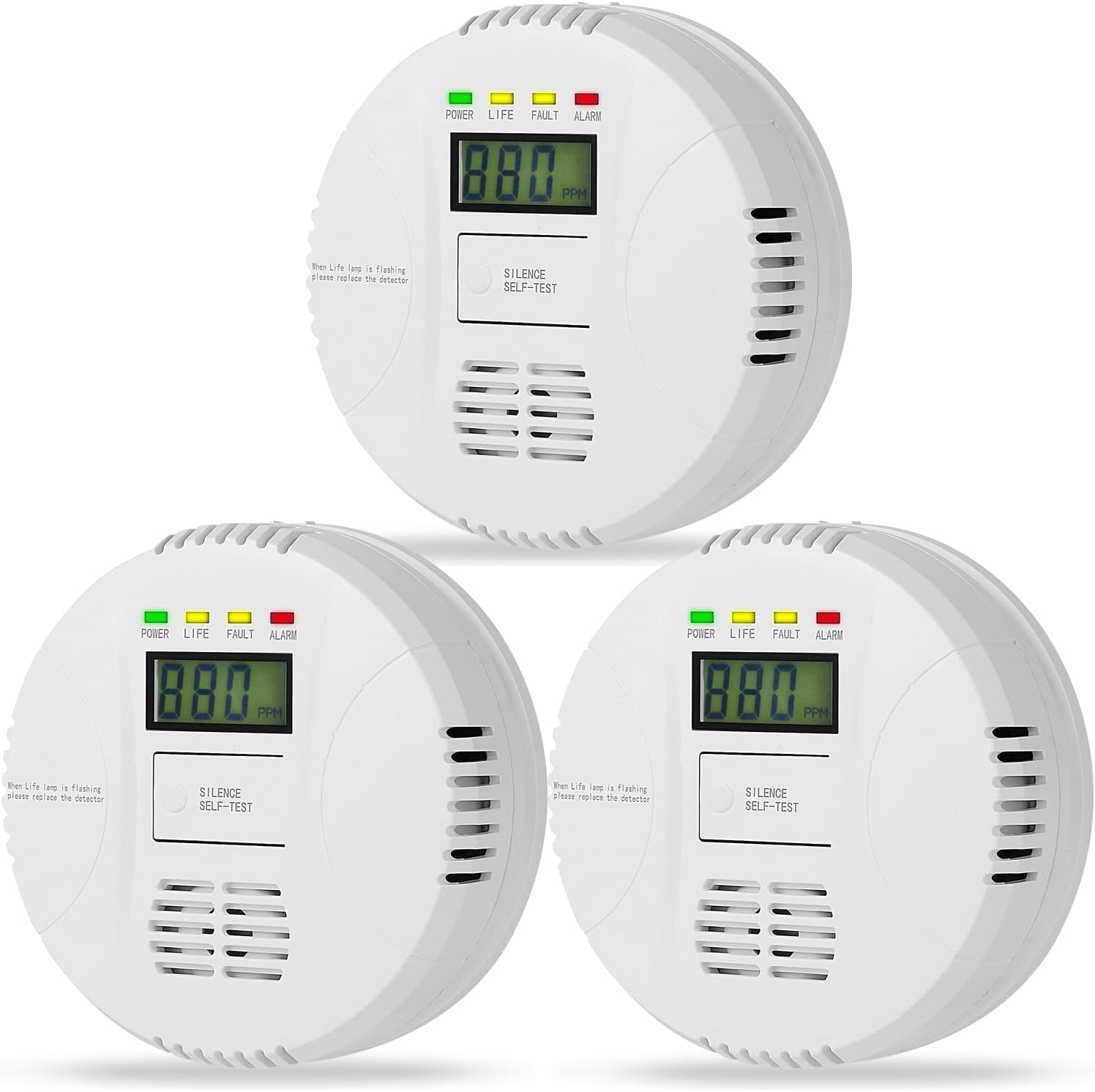
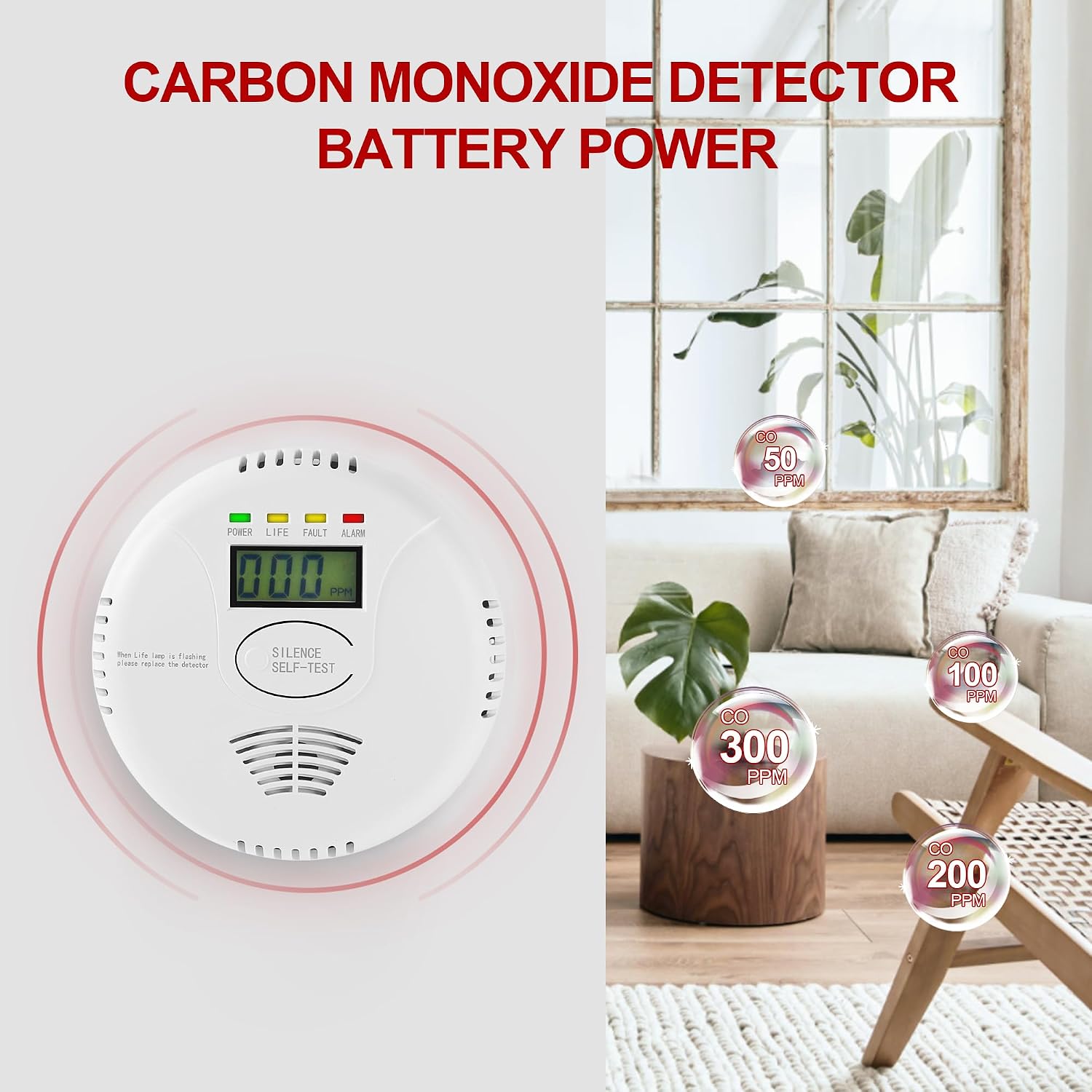
This battery-powered carbon monoxide detector offers continuous monitoring with a clear digital display and audible alarm, suitable for bedrooms, kitchens and RVs. It uses an electrochemical sensor for sensitive detection and alerts users to rising CO levels quickly, helping to protect sleeping areas and enclosed spaces.
Key Points
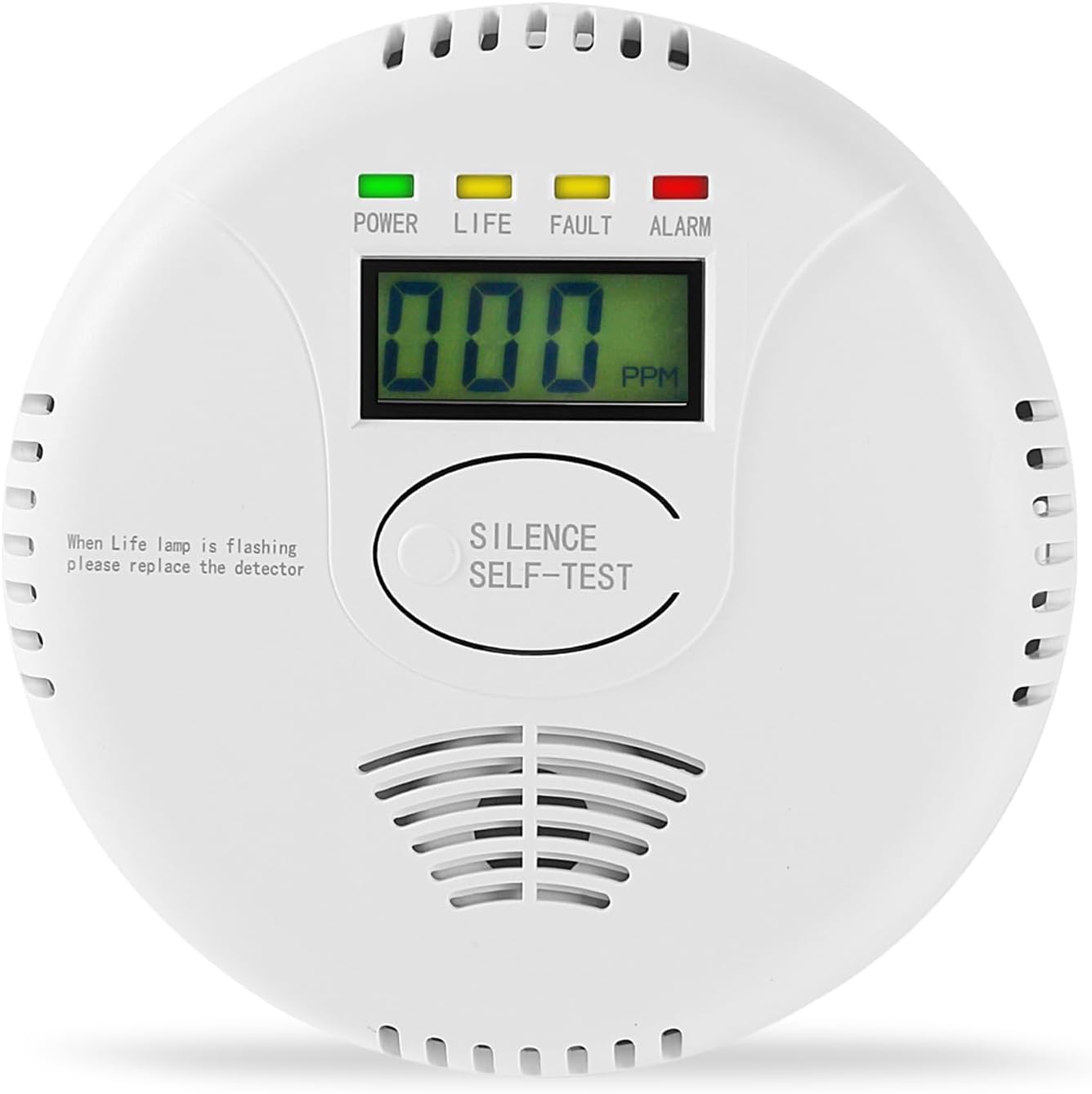
The unit has a visible LCD that shows CO concentration as soon as the sensor detects gas, which makes it simple to read current levels at a glance. The alarm sounds at 85 dB when concentrations reach the preset threshold, so it can wake occupants and attract attention even from another room. The device conserves battery by keeping the screen off when no CO is present and only activating the display when needed, helping prolong battery life. ⚠️
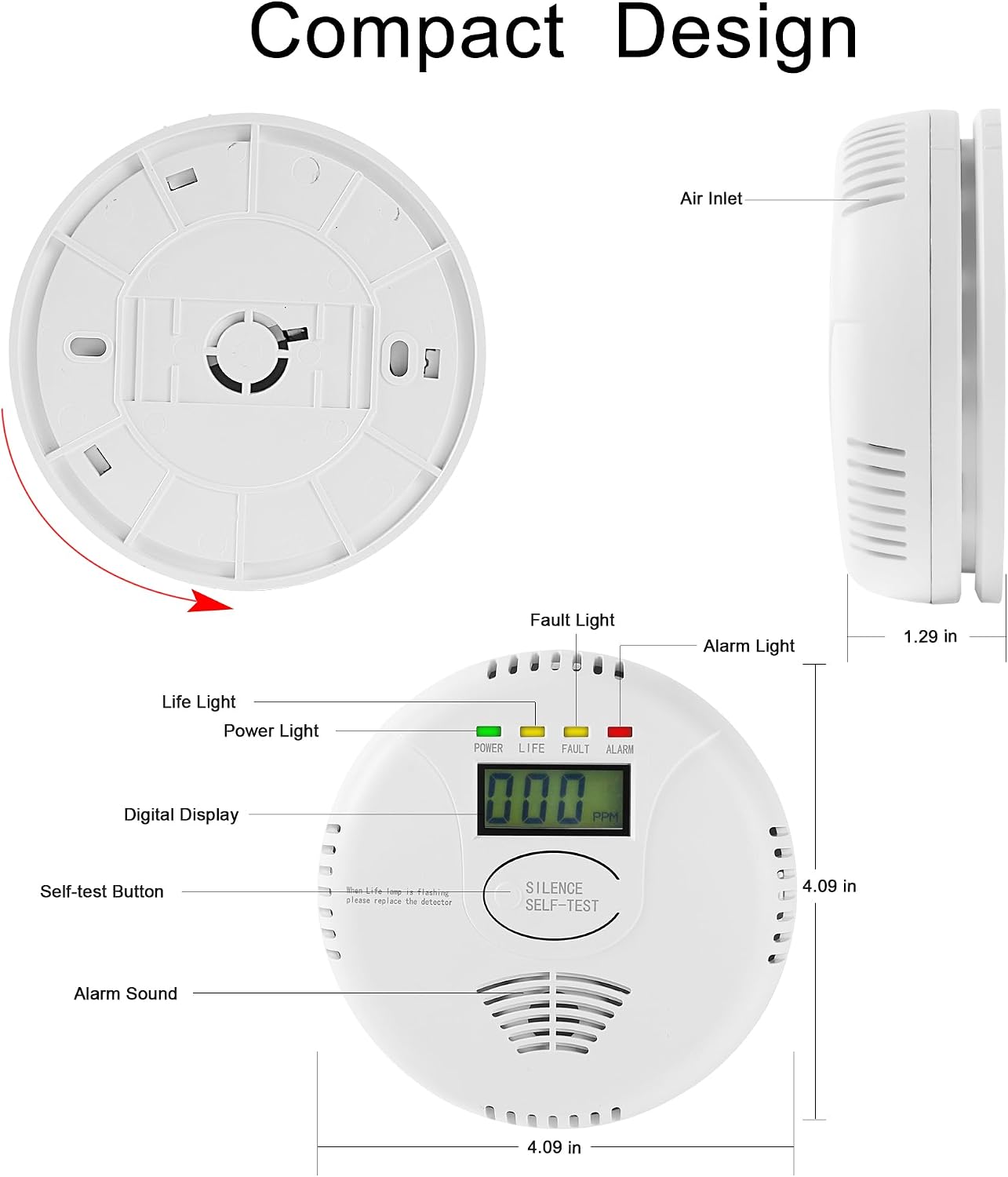
This detector includes a self-check behaviour at start-up. After inserting the battery it counts down 30 seconds, then a green light flashes every 30 seconds to indicate normal operation. According to the manufacturer, the sensor type offers high sensitivity and reliability for real-time monitoring, though consider that electrochemical sensors have a finite lifespan and may require replacement according to usage patterns.
Technical Specifications
- Name: AGSMXSYG Carbon Monoxide Detector
- Sensor type: Electrochemical sensor
- Alarm level: 85 dB (audible alarm threshold)
- Power: Battery operated
- Display: Digital LCD with automatic activation on detection

Usage Recommendations
Place the detector on a wall or flat surface outside sleeping areas and near potential sources of combustion, such as gas ovens or garages. Do not install directly above stoves or next to vents where normal airflow might give misleading readings. For mobile use, such as in an RV, position the unit where it will be protected from direct moisture and extreme temperatures. 🔋
Test the detector periodically by following the built-in start-up indication and replace the battery when the device no longer shows the regular green flash pattern every 30 seconds. For clearer monitoring, check the display when cooking or running engines nearby, as these activities can temporarily raise background CO levels. Consider that the screen remains off to save power when no CO is detected, so brief visual checks are useful after any suspected exposure.