

3.50-8 Wheelbarrow Inner Tube (8 inch) with TR-87 Bent Valve – TR-87
Product description
If your wheelbarrow, sack truck or lawn mower wheel has gone flat, an inner tube replacement is one of those fixes that feels instantly practical. This 3.50-8 wheelbarrow inner tube is designed as a spare for 8 inch wheel barrow style tyres, with a TR-87 bent valve to make fitting and day-to-day use easier.
That said, it’s not the right choice for every wheel. With inner tubes, the valve type and tyre size are what matter most, and if those don’t match your current setup, it’ll be a frustrating swap. On balance, though, it’s a sensible purchase when you want a straightforward repair rather than replacing the whole wheel.
The essentials
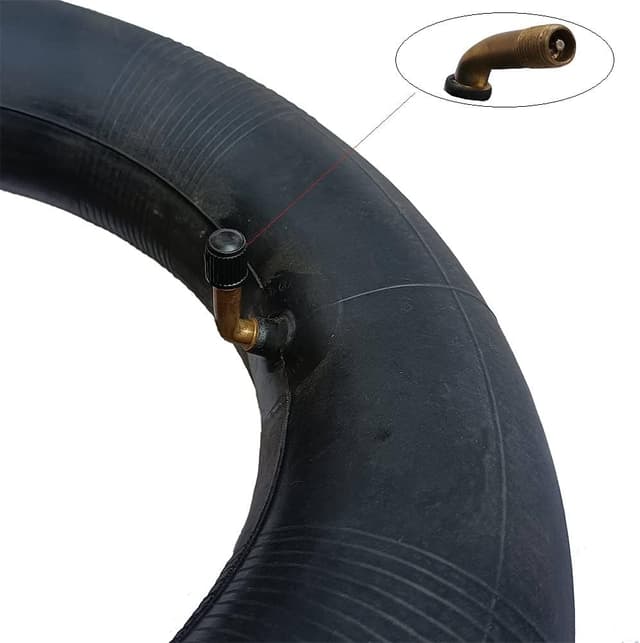
This inner tube is made from rubber and positioned as heavy duty and durable. The headline detail is the valve: TR-87 bent valve. A bent valve is useful when the wheel design doesn’t give you much clearance for a straight stem, or when you want the valve to sit in a more workable angle once the tyre is fitted.
In the real world, the appeal is simple: keeping a wheel in motion. Over time, inner tubes can wear, split, or slowly lose pressure. Having a correct spare on hand usually saves time and hassle—especially if your wheel is used frequently for garden jobs, loading, or moving items around the home.
Key features that matter in use
The quality-focused point here is the rubber build. Over short stretches it may not feel “different”, but over weeks and months the difference tends to show in puncture resistance and how well it holds up once fitted.
The other practical part is compatibility in terms of intent. The manufacturer description says it can be used with a range of wheeled equipment, including hand trucks, dollies, wheelbarrows and lawn mowers. That doesn’t mean every model will fit, but it does signal that this is aimed at common “maintenance” replacements rather than a one-off speciality part.
What to check before you buy
Inner tubes live and die by fit. Before ordering, double-check:
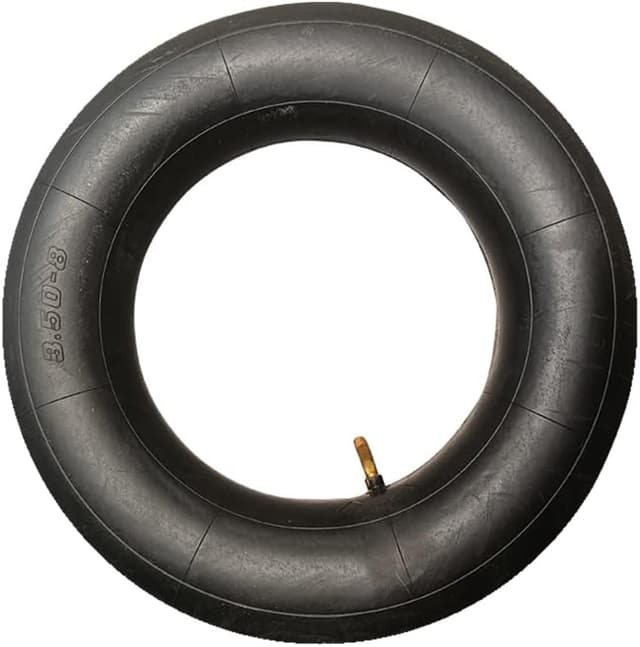
- Your tyre size is 3.50-8 (and that you truly have an 8 inch style wheel/tyre size).
- The valve type you need is TR-87 bent valve.
- You’re replacing an inner tube in a setup that uses an inner tube rather than a tubeless tyre.
If any of those are off, the tube may not seat properly or the valve won’t align correctly. That’s the main limitation with this kind of spare: the product description can’t confirm your exact wheel without those matching details.
Who it suits (and who should skip it)
It makes sense if you’re doing everyday maintenance and want a repair you can rely on. If you use a wheelbarrow for garden transport, or a sack truck/dolly for moving items around, a spare tube is the sort of “small purchase, big time-saver” that pays off when you get a puncture.
It may not be a great match if your equipment uses a different valve type, a different tyre size, or a tubeless setup. Also, if you’re not sure about your wheel’s size and valve stem requirements, it’s better to take a moment to verify first—inner tubes aren’t like general-purpose accessories.
Buying verdict
A solid pick if you specifically need a 3.50-8 inner tube for an 8 inch wheel and you know your valve type is the TR-87 bent valve. The heavy-duty rubber positioning and the bent valve design are the two parts that feel genuinely relevant for day-to-day use.
Worth considering if you’d rather fix the wheel than replace the entire trolley or wheelbarrow assembly. But don’t rush it: if your tyre size or valve type doesn’t match, you’ll end up with a spare that doesn’t solve the problem.
Practical tips for fitting and getting the most from it
If you’re swapping an inner tube, take your time. Rough handling during removal can damage the tyre or pinch the new tube when you refit it. A bent valve should also be oriented so it lines up cleanly with the wheel rim’s valve hole—this is one of those small checks that prevents annoying leaks after you’ve done the work.
A simple micro-scenario: imagine you’re halfway through moving bags of soil, the wheel goes flat, and you need the tool on your side again quickly. With the correct size and TR-87 bent valve, the swap is a repair you can usually manage without replacing the whole wheel.
FAQs
Is this suitable for wheelbarrows and sack trucks?
The description says it’s usable with hand trucks, dollies, wheelbarrows and more, so it’s aimed at that kind of equipment—provided your tyre size and TR-87 bent valve requirement match.
What does “TR-87 bent valve” mean for me?
It refers to the valve type and shape. The “bent” part is meant to suit wheels where a straight valve stem may not sit correctly or comfortably.
What’s the biggest reason an inner tube doesn’t fit?
Usually it’s the wrong tyre size or the wrong valve type. Checking the 3.50-8 size and TR-87 bent valve requirement before ordering is key.
Is it safe to use if I’m not sure of the valve type?
If you’re unsure, it’s better not to guess. Inner tubes need the valve type to align properly once fitted, and mismatches can cause leaks or fitting problems.
Final verdict
If you need a replacement inner tube for a 3.50-8, 8 inch wheel setup and your equipment calls for a TR-87 bent valve, this is the kind of practical spare that should do the job without overcomplicating things. If your tyre size or valve stem isn’t a match, you’ll likely be better off verifying first rather than relying on general “fits most” assumptions.