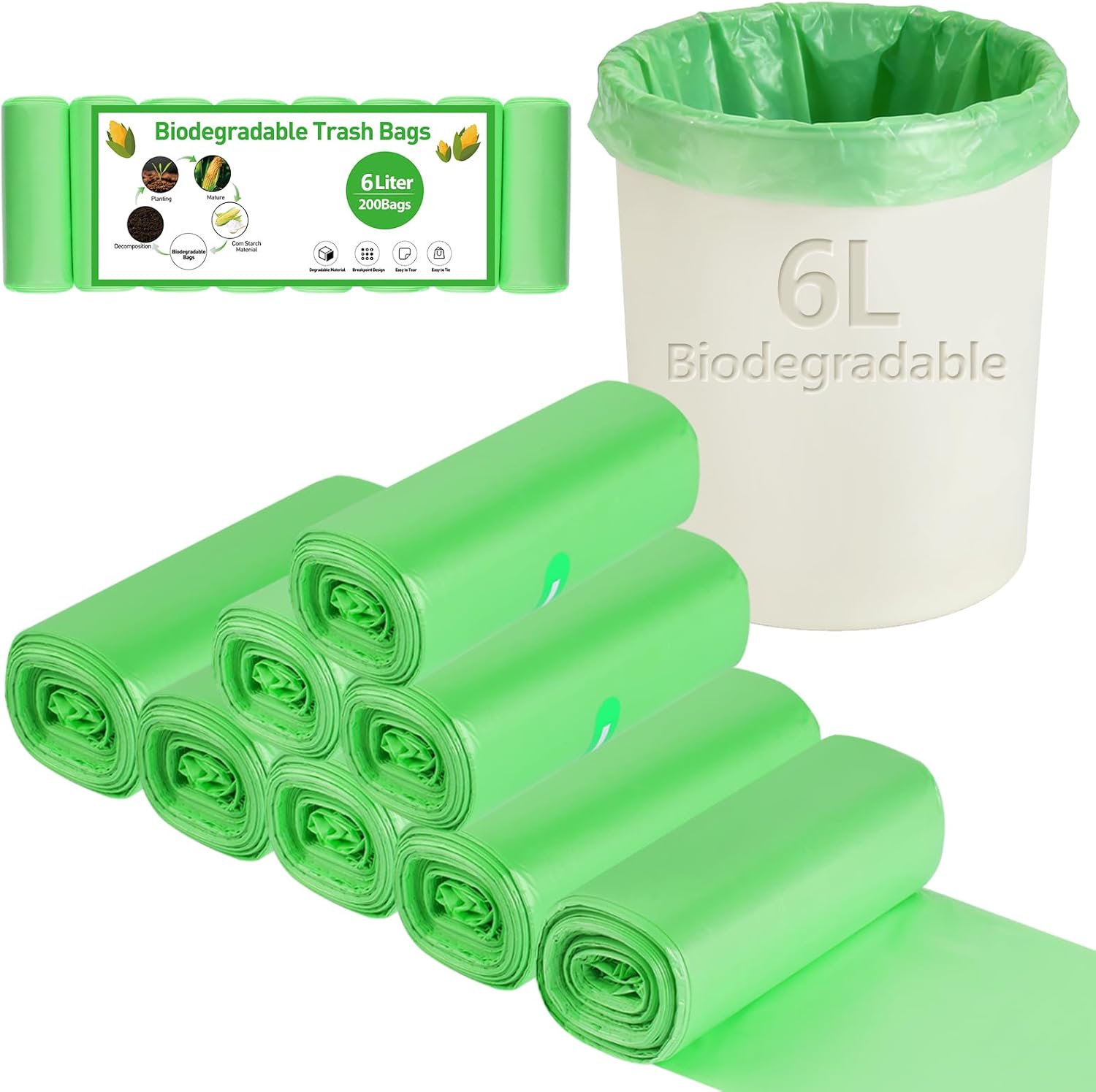
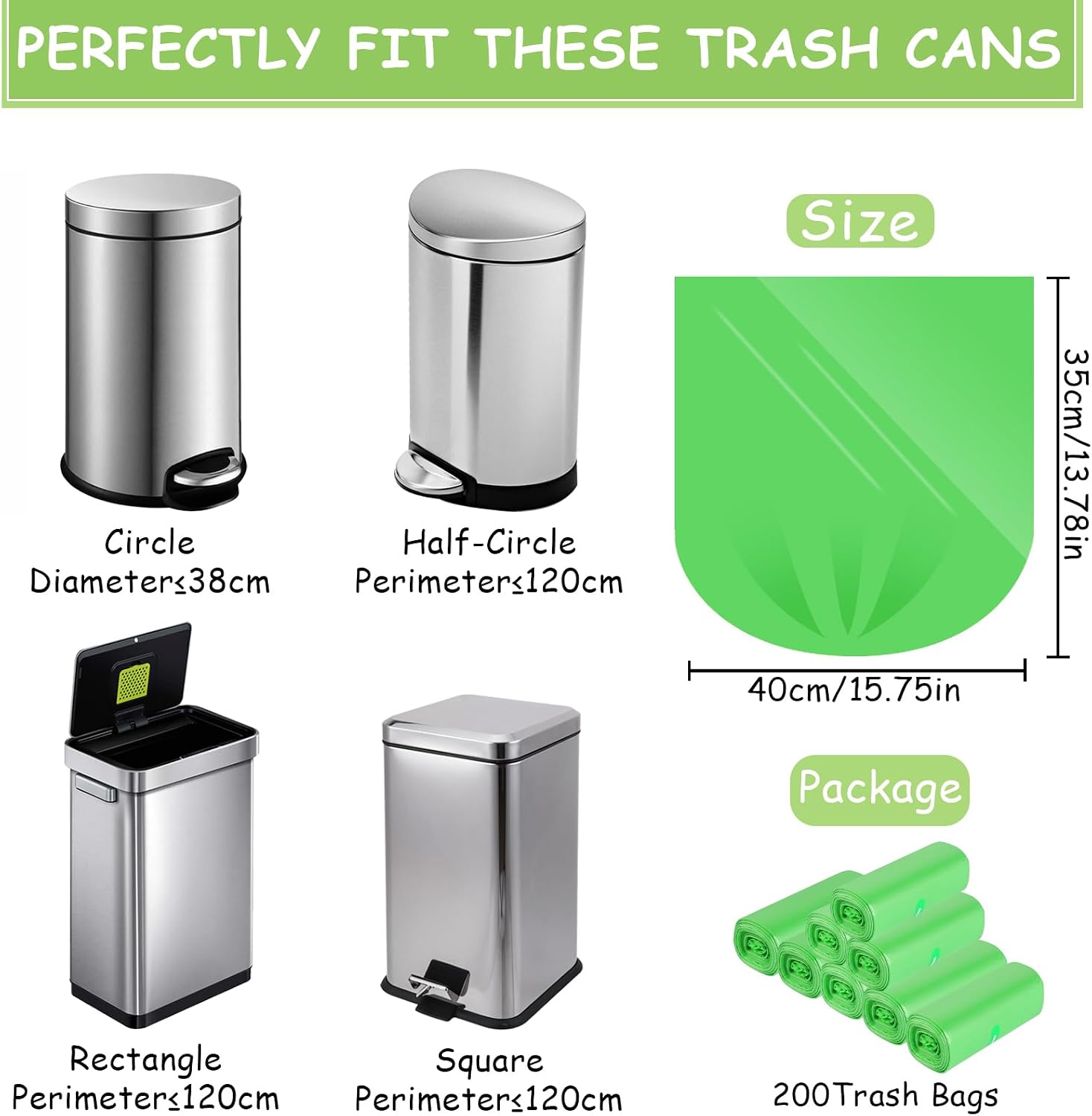
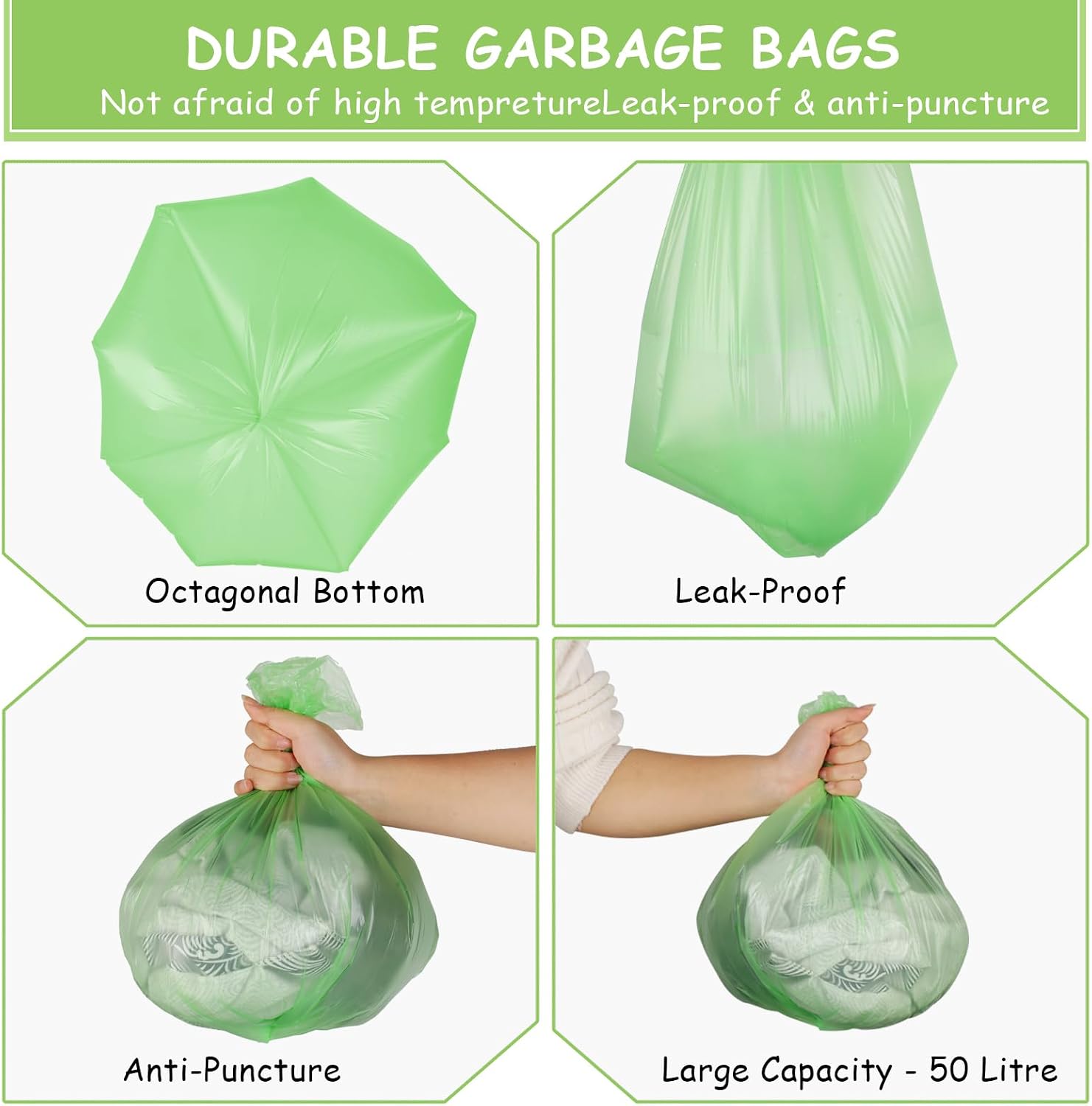
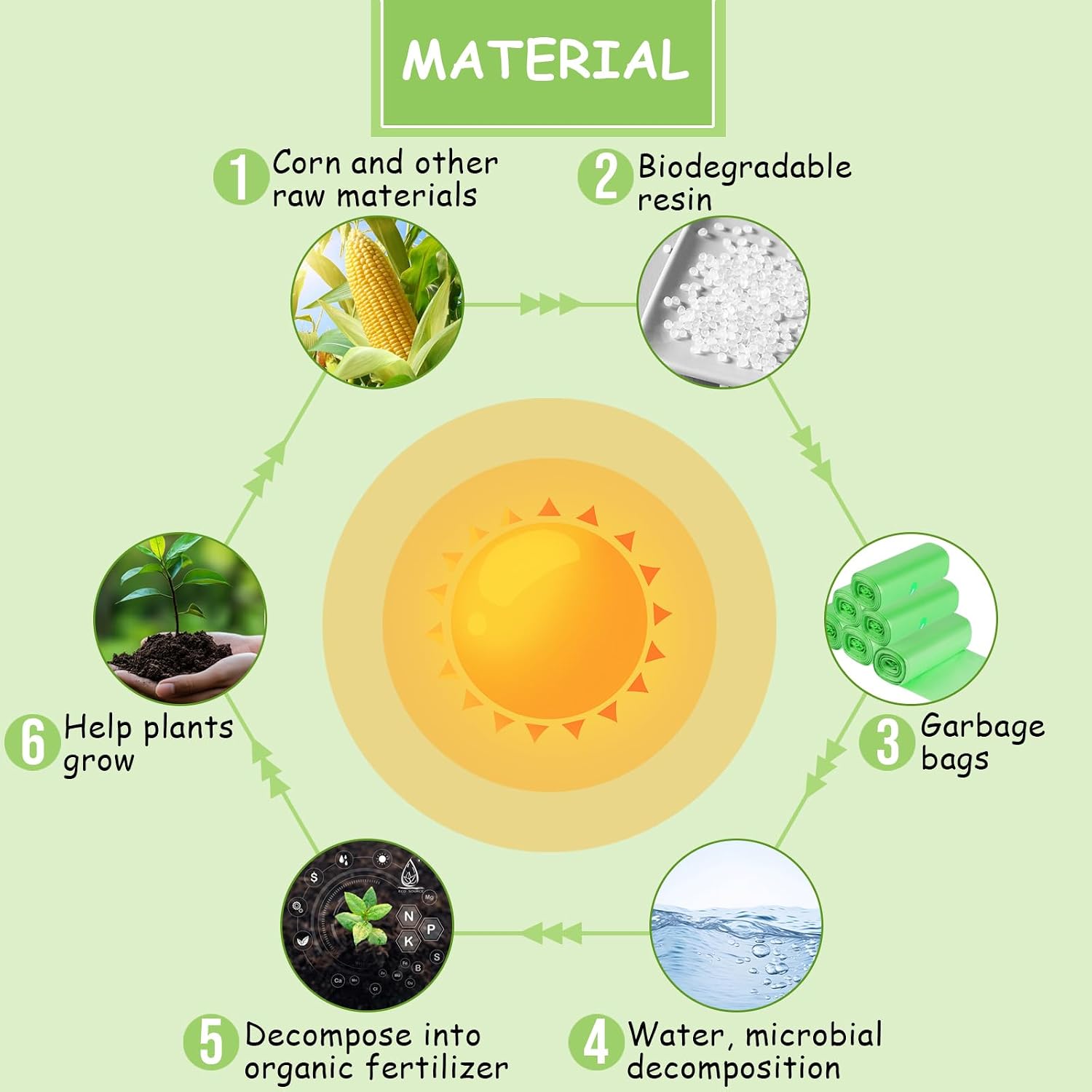
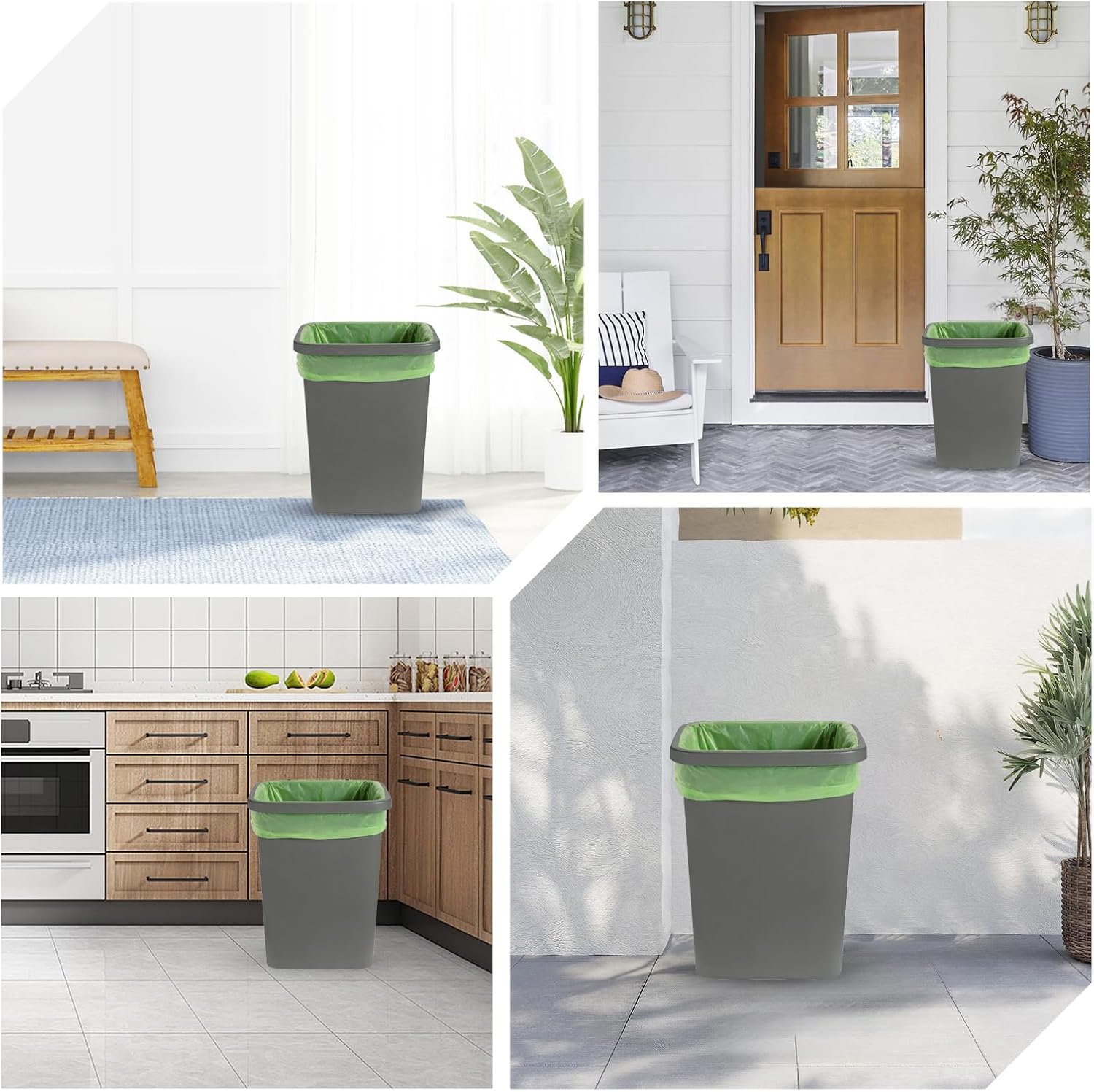
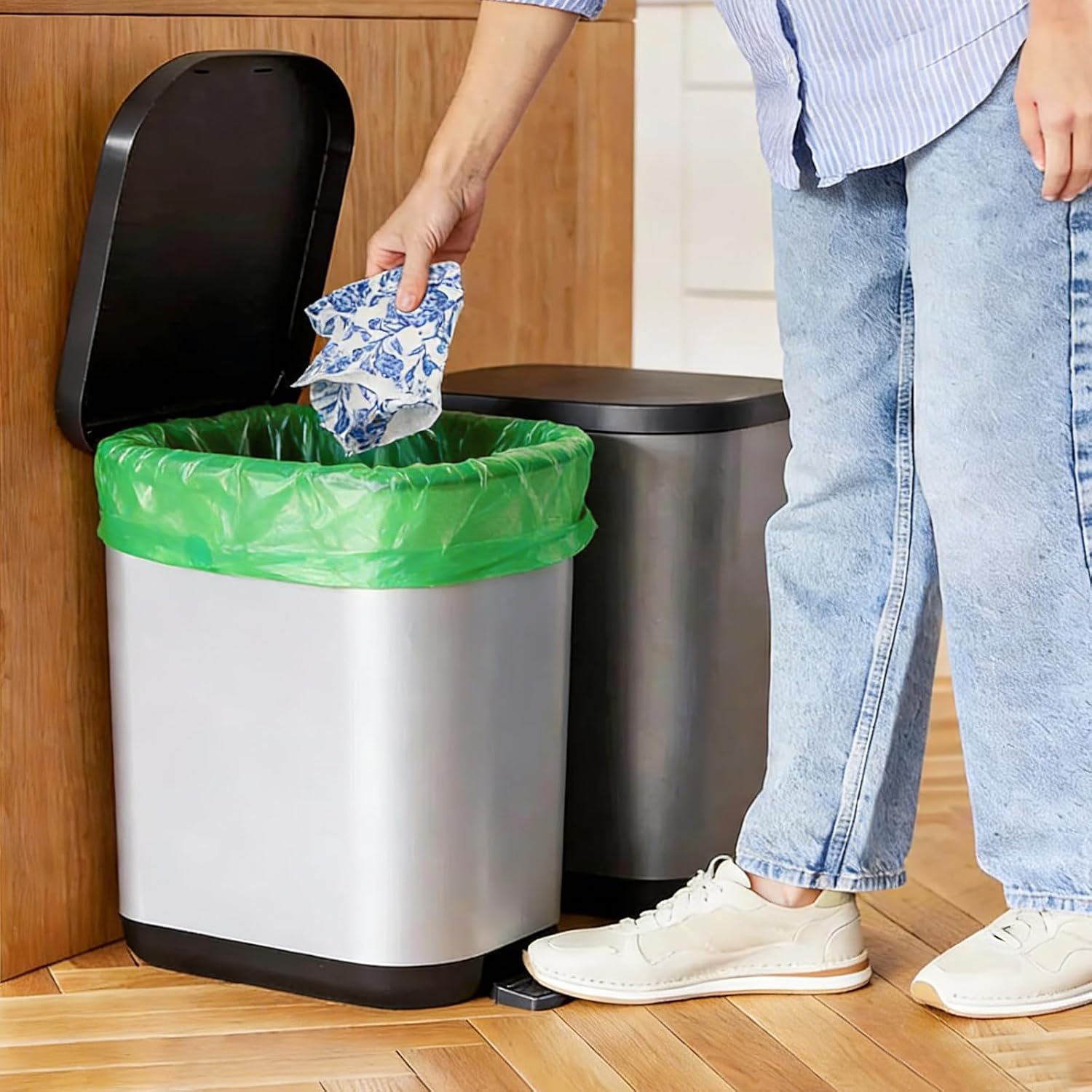
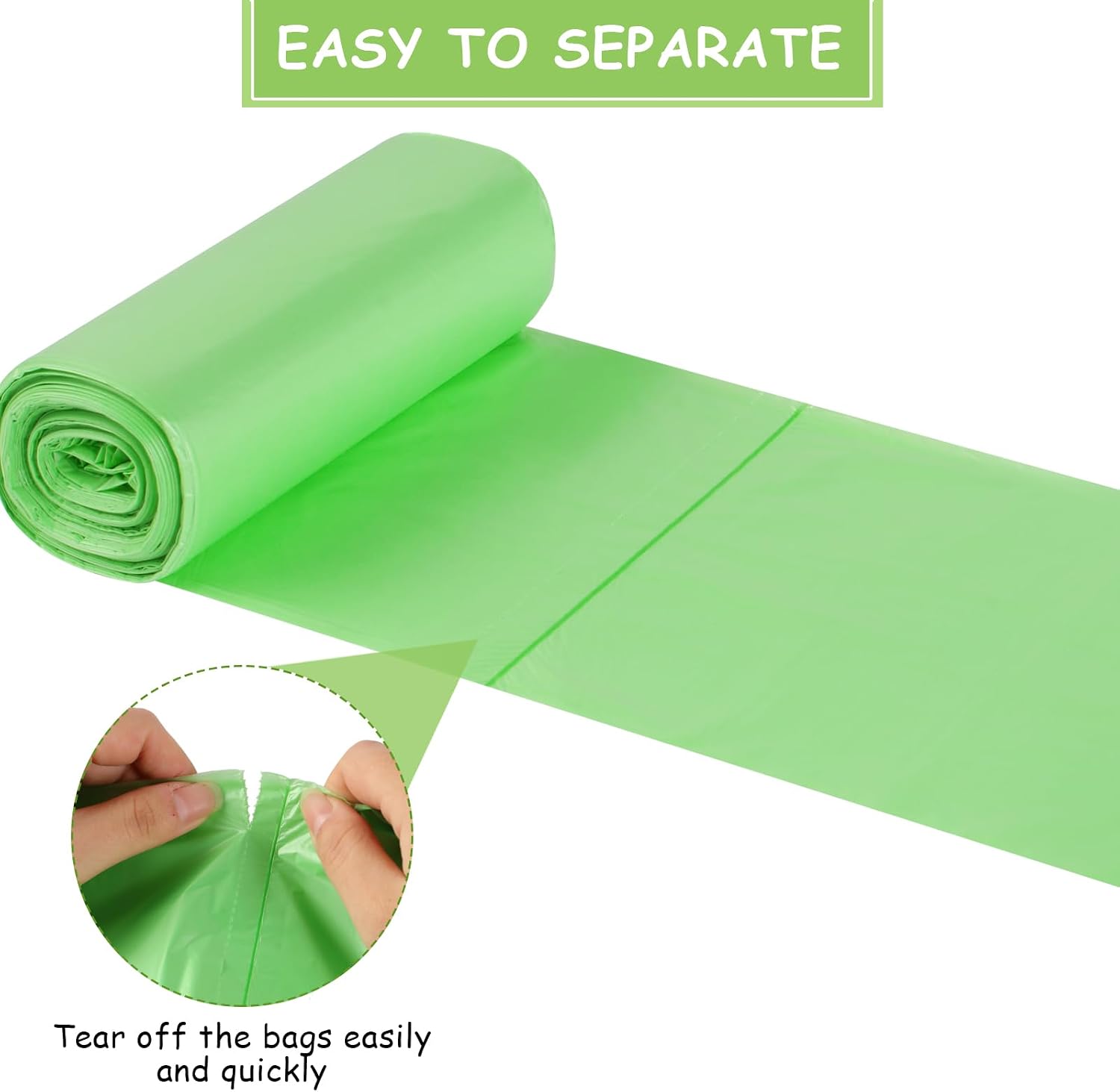
What it is and what it solves\nThis product is a bulk pack of 30 Litre bin liners designed to manage everyday waste in homes or small offices. Made from starch, these bags are described as biodegradable and compostable, offering a more environmentally friendly alternative to conventional plastics. The pack contains 120 bags, which aims to provide steady stock for daily use without frequent re-orders. The bags are sized at about 60 cm wide by 65 cm high, a practical fit for standard kitchen bins and similar containers.\n\n## How it works in practice\nOn paper they promise to be odorless and non-toxic, which helps keep spaces like the kitchen or break room feeling cleaner between bin changes. The starch-based composition is positioned as a safer option for households prioritising waste reduction and reduced plastic impact. The bulk format offers convenience for households or workplaces that prefer to restock less often.\n\n## What stands out\nThe combination of a 120-bag bulk pack and a clearly defined 30 Litre size makes it straightforward to plan waste management without guessing when you’ll run out. The claim of being odourless can be a practical benefit in busy kitchens where smells tend to accumulate.\n\n## Limitations and caveats\nThe description notes “biodegradable” and “compostable” but does not specify the certification schemes or the conditions required for compostability. Real-world performance may depend on local facilities and disposal methods. If you prioritise rapid compostability or are aiming for a closed-loop system, consider whether your waste stream supports third-party composting.\n\n## Who it’s for\nIdeal for households that generate moderate kitchen waste, small offices, or curious shoppers seeking an eco-friendly alternative to plastic liners. It may also suit those who want a bulk solution to reduce shopping trips.\n\n## What to check before buying\nLook for the bag dimensions (60 cm x 65 cm) to ensure a proper fit for your bin. Confirm that the packaging’s bulk count (120 bags) aligns with your usage rate to avoid stockouts. If odour control is a priority, test how well they minimise smells in your space and whether any liners leak during handling.\n\n## Practical use case\nImagine clearing a busy kitchen bin after dinner: you tie off a bag without wrestling with a strong plastic foul smell, then swap in a fresh liner from the 120-pack. It’s not a flawless solution for every waste stream, but it can simplify daily routines when you want less plastic residue in your home.\n\n## How it compares to alternatives\nIf you’re weighing options, the primary differentiator here is the biodegradable, starch-based composition versus standard plastic bags. For some buyers, a traditional plastic liner may deliver stronger wet-waste performance. If you favour compostability and lower environmental impact, this pack offers a practical compromise in everyday use.\n\n## The essentials\n- 30 Litre capacity\n- 60 cm x 65 cm size\n- 120 bags per pack\n- Biodegradable and odourless claims, made from starch\n- Suitable for kitchen scraps, office waste, or yard debris\n\n## Decision window\nIs it worth it? This pack makes sense if you want a bulk, eco-focussed option that reduces single-use plastics and fits standard 30 Litre bins. If you need the strongest possible bag for heavy, wet waste or require explicit compostability certifications, you may want to review further options.\n\n## FAQ\nQ: Are these bags certified compostable? A: The base description notes compostable properties but does not specify certification details. Q: Will they fit all 30 Litre bins? A: The stated size implies a generic fit for bins around 60 cm by 65 cm, but always check your bin’s exact inner dimensions. Q: Do they block odours effectively? A: They are described as odourless, but real-world performance can depend on bin use and contents. Q: How long does a bag hold up with wet waste? A: The description emphasises durability, yet heavy, wet waste can still compromise any liner, consider regular changes. Q: Can I recycle the bag after use? A: Look for local recycling or composting guidelines as these materials may require specific facilities to process.