

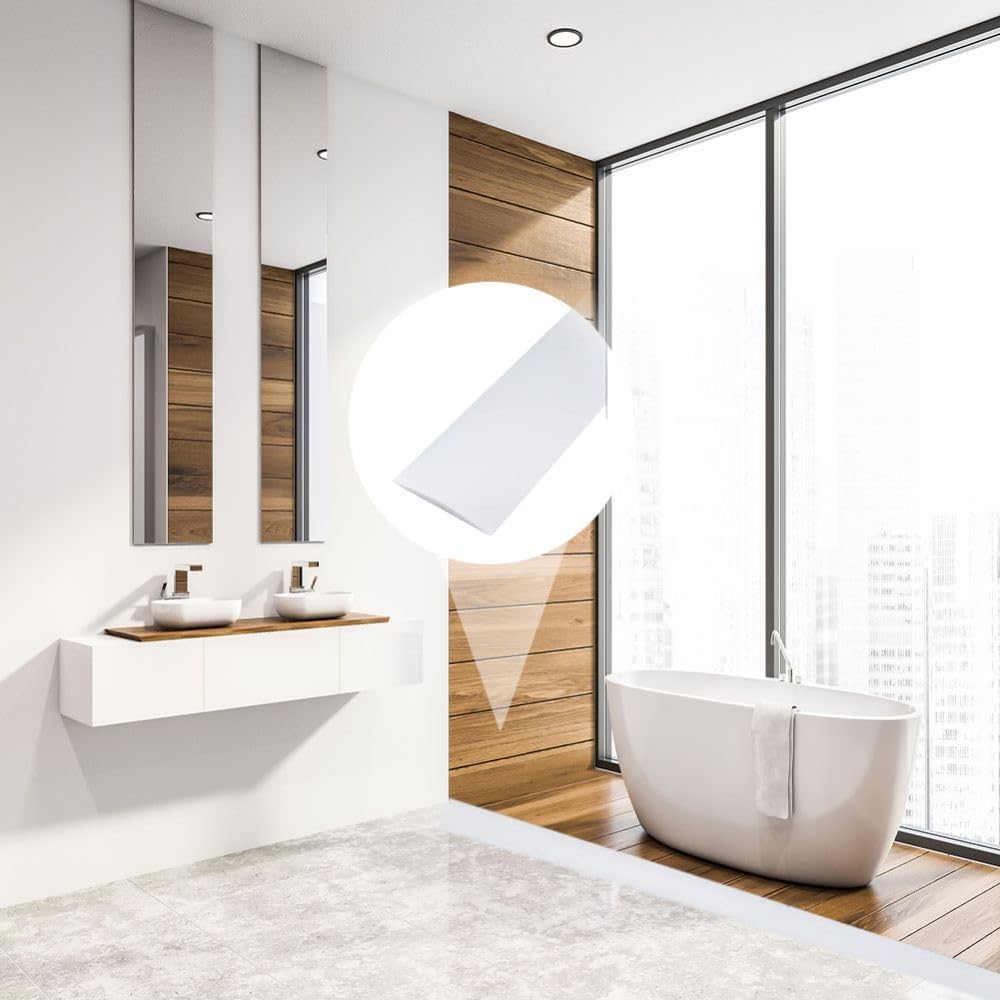
2M PVC Laminate Flooring Threshold Transition Strip, White (7.6cm) – Self-Adhesive Door Bar for Doorways
Product description
What it is and what it does
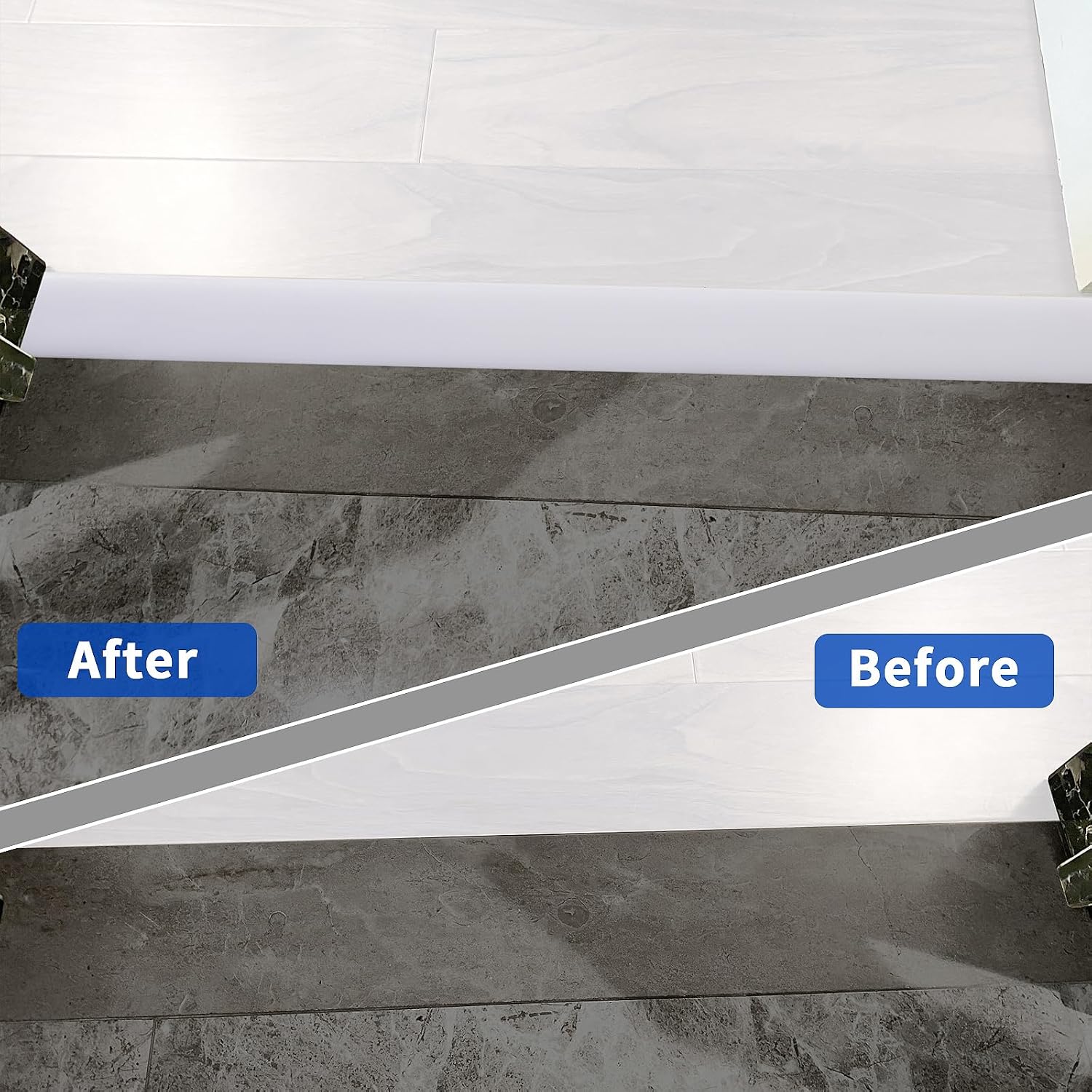
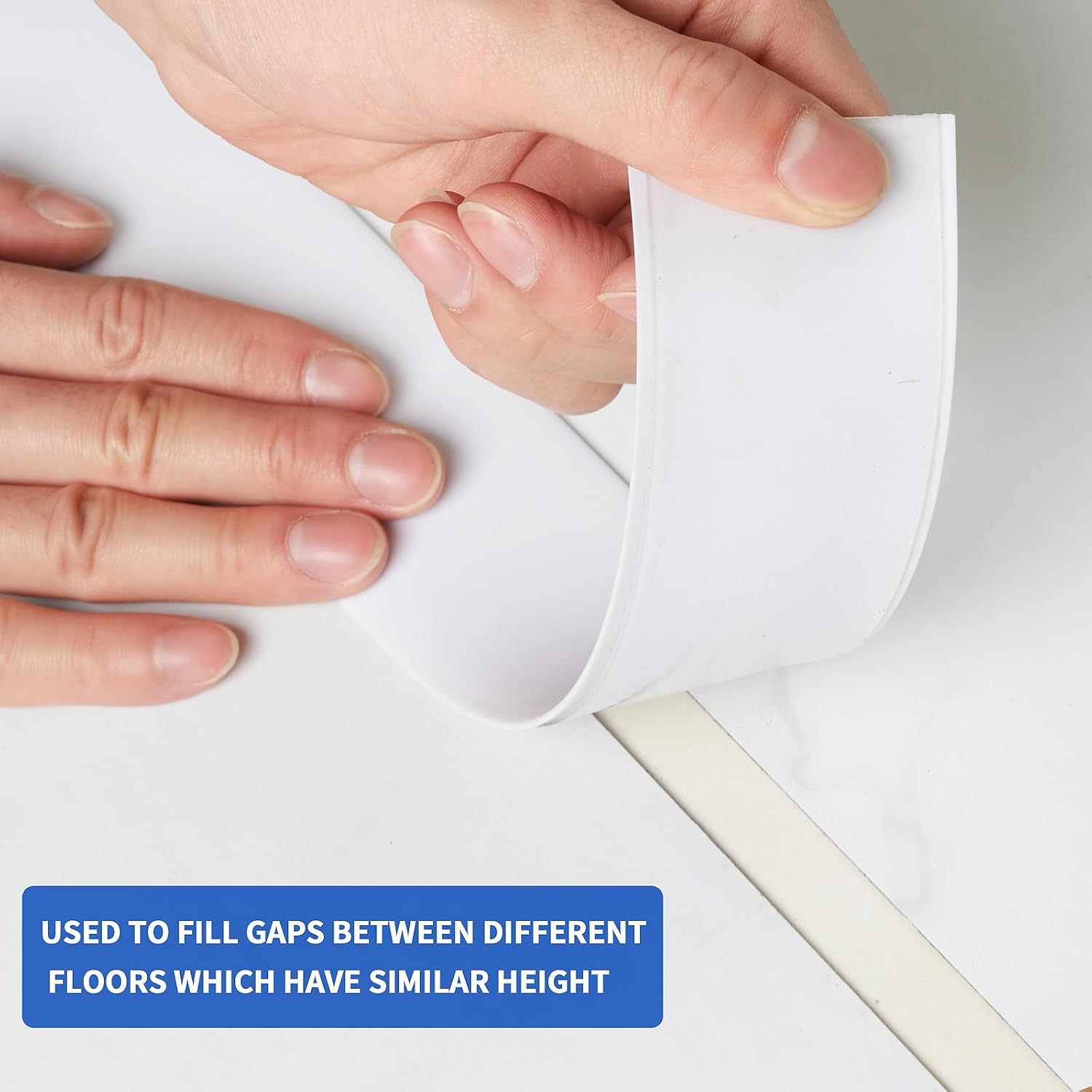
This is a 2-metre long PVC floor transition strip designed to bridge gaps between different floor surfaces, such as tile to laminate or wood to laminate. Sold in white and with a 7.6 cm width, it’s a practical solution for neat, low-profile edge finishing and foot traffic containment at doorways and thresholds. On the page it’s presented as flexible, scratch‑ and wear‑resistant, and purpose‑built to soften transitions without the rigidity of metal skirtings.
Material and fit
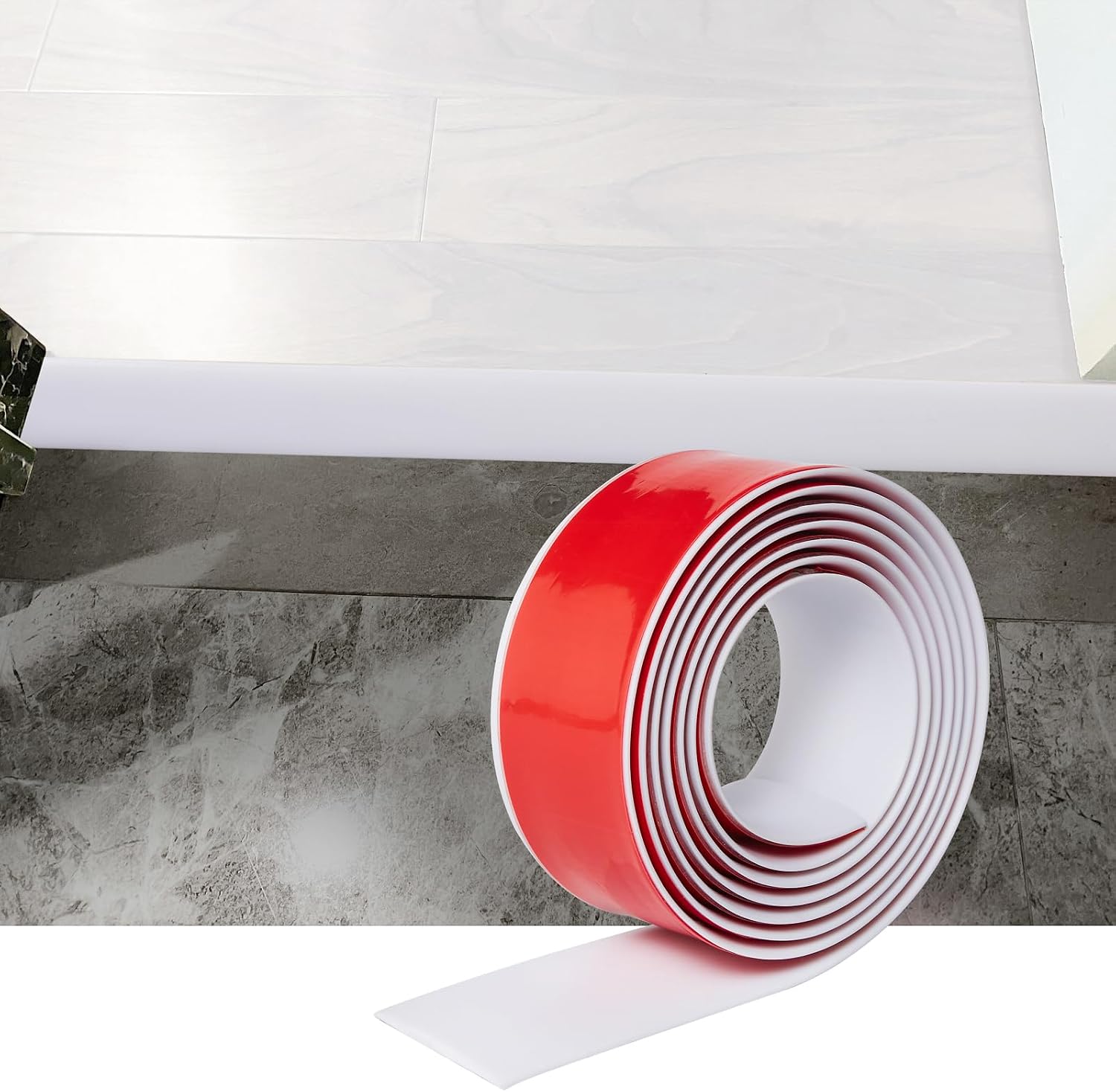
Built from PVC, the strip is described as soft and flexible enough to fit common floor contours while still offering durability for everyday use. The material choice aims to strike a balance between being gentle to the flooring surface and resistant to everyday wear. It’s not presented as a heat- or moisture‑proof specialist, so you’ll want to consider suitability in areas with high humidity or intense impacts.
Size, cutting and installation
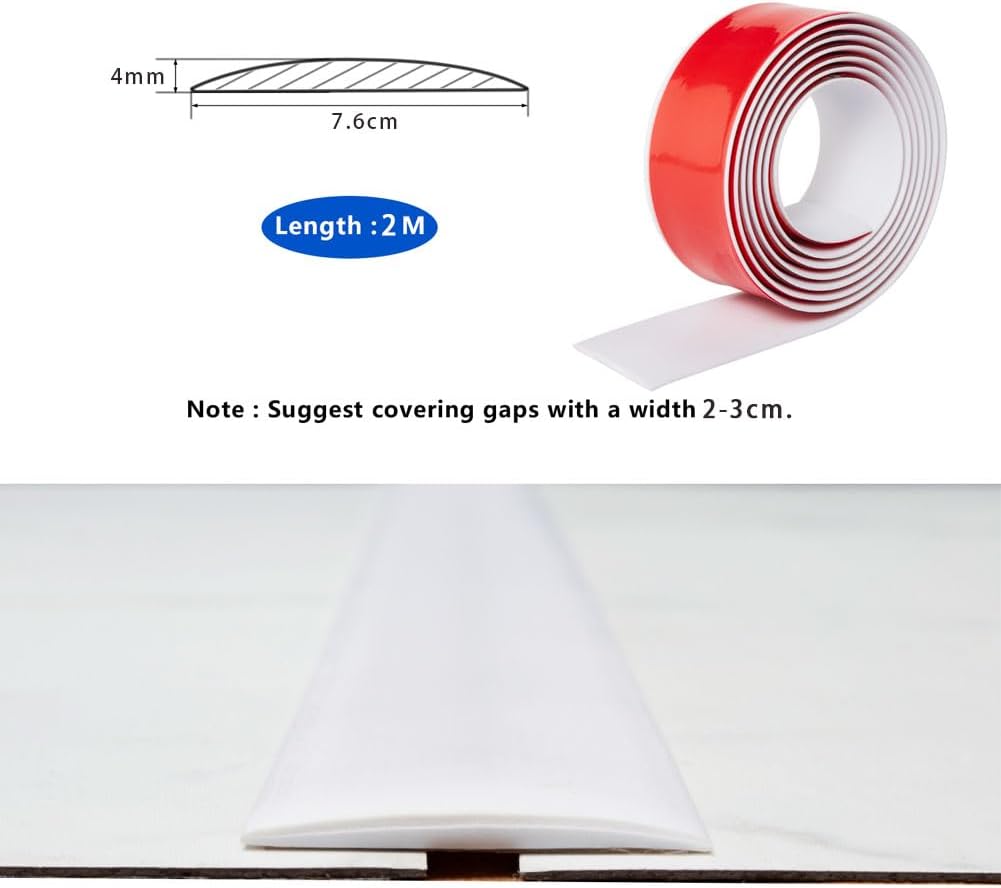
The product ships in a 2 m length, 7.6 cm wide and 3.5 mm thick, and can be cut to the size you need. Installation is straightforward: clean and dry the floor, cut to length, apply the self-adhesive backing, and press into place starting from one end. A common caveat is to avoid uneven surfaces, otherwise the adhesive and fit are designed to be simple for DIY use.
Real-world use and limitations
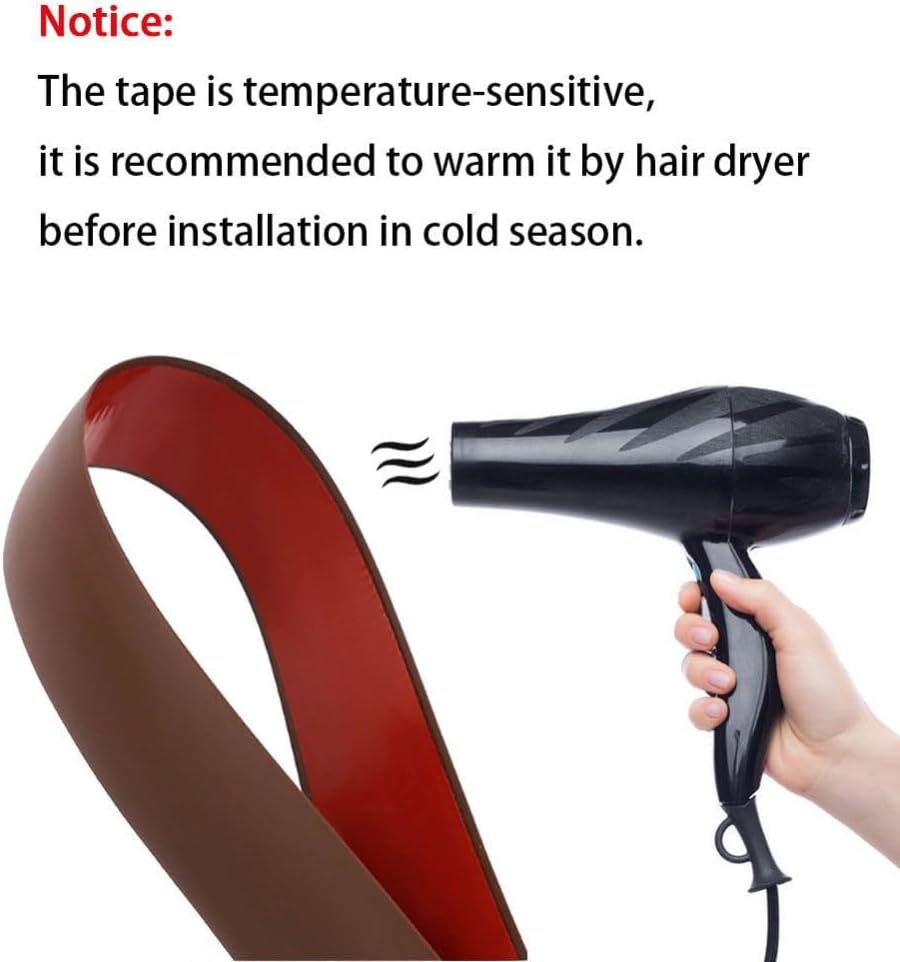
In practical terms, this kind of strip helps reduce visible gaps between floor types and can act as a visible demarcation at the threshold. It’s described as suitable for floor-to-floor, tile-to-floor, and edge joining scenarios, which covers a good majority of household doorway transitions. However, the description notes that packaging or transit can deform the strip, heating with a hairdryer may be needed to re-soften the backing adhesive when temperatures fall below 20°C, and heavy pressing can help flatten it if it arrives bent.
Pros and cons
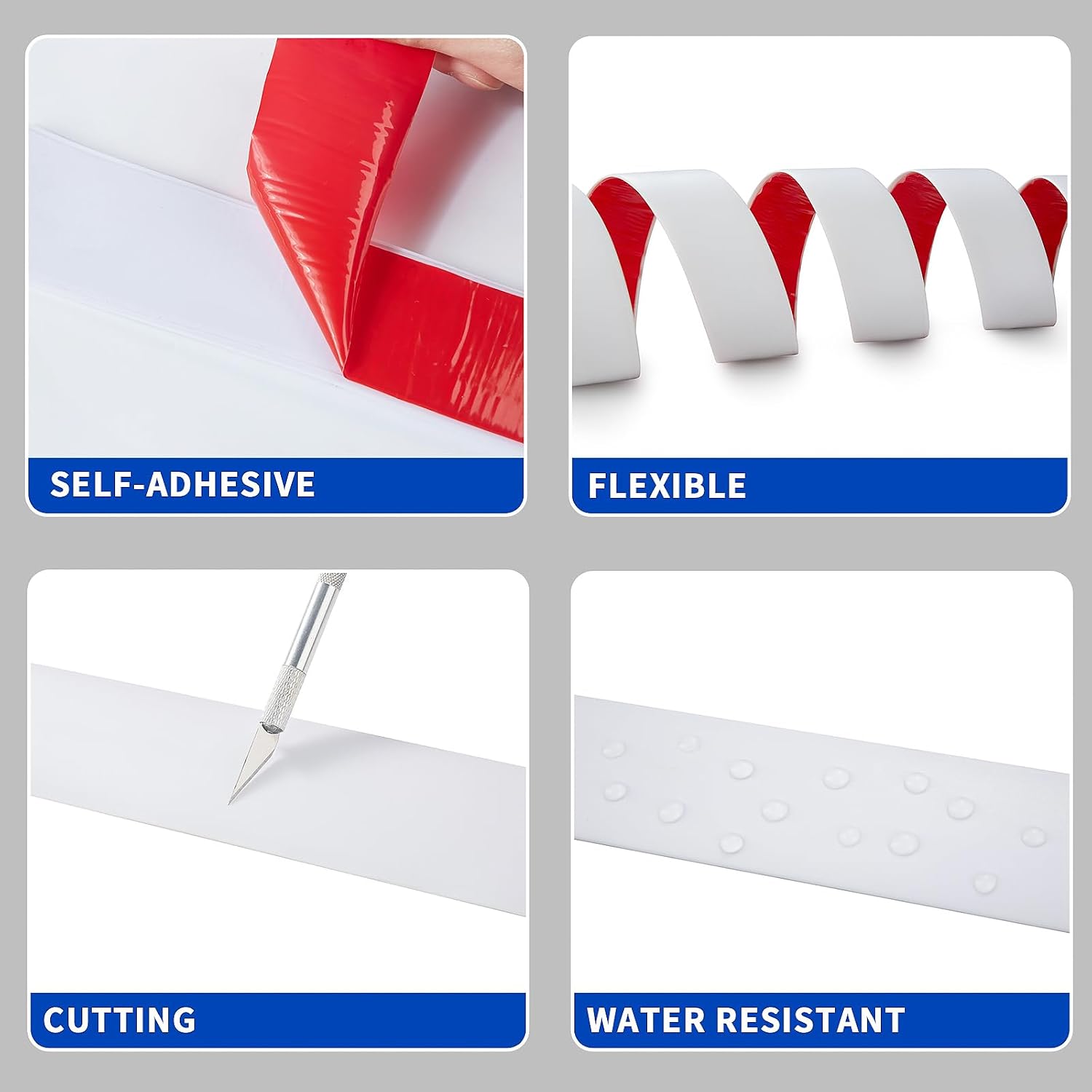
Pros include a relatively simple DIY installation, flexibility of the PVC material, and the ability to cut to required sizes. It can offer a neat, uniform finish without metal edges. Cons to bear in mind: it relies on a clean, smooth surface for best adhesion, and performance may be less predictable on very uneven floors or in areas with frequent heavy traffic or moisture exposure. If you need an ultra-tlexible or moisture-proof solution, this may feel limiting.
Who this is for
This strip is well suited for homeowners or renters looking for a pragmatic, non-metal edge finish between laminate or wood and other floor types, especially in living areas and hallways with moderate foot traffic. It suits spaces where a low profile and easy cut-to-size installation are priorities, and where a straightforward, self-adhesive approach is preferred.
Who it isn’t ideal for
If you expect a high-humidity environment (such as bathrooms) or want a product designed for heavy industrial use, this PVC strip may not be the best fit. Those who require a transition that can tolerate significant expansion, contraction, or impact may want to consider alternatives with dedicated moisture resistance or different fixing methods.
Before you buy: what to check
- Measure accurately to ensure the 7.6 cm width fits your doorway or edge profile.
- Confirm the floor surface is clean and smooth before installation for optimal adhesion.
- Plan for temperatures where you install, in cooler conditions you may need to reheat the adhesive to activate it properly.
- Be prepared for minor deformation on arrival and know that gentle flattening can restore the profile.
Practical use case: a realistic scenario
Imagine finishing a laminate floor that runs through a living area into a tiled entry. The strip sits flush at the edge, creating a gentle transition that prevents dirt from collecting in the seam and provides a smooth path for foot traffic and chair wheels alike. It’s a practical, no-fuss improvement you’ll notice daily, without drawing attention to itself.
Final verdict
Is it worth it? It makes sense if you prioritise a simple, budget-friendly way to tidy up a doorway transition and you’re prepared to ensure a clean fit and proper adhesion. It’s a pragmatic option for standard domestic use, especially where the surface is even and the floor plan allows for straightforward cutting. If your needs include heavy moisture exposure, extreme flexibility, or very rough subfloors, you may want to explore alternatives.
FAQ
- Can I cut this strip to any length? Yes, it can be cut to the size you need.
- What if the adhesive doesn’t stick well? Ensure the floor is clean and dry, if cold, reheat the backing adhesive and press firmly.
- Will it work on uneven surfaces? Best results are achieved on smooth, even surfaces, uneven areas may require preparation before fitting.
- How long will it take to install? A typical cut-to-length application with cleaning and pressing can be completed in a short DIY session.