

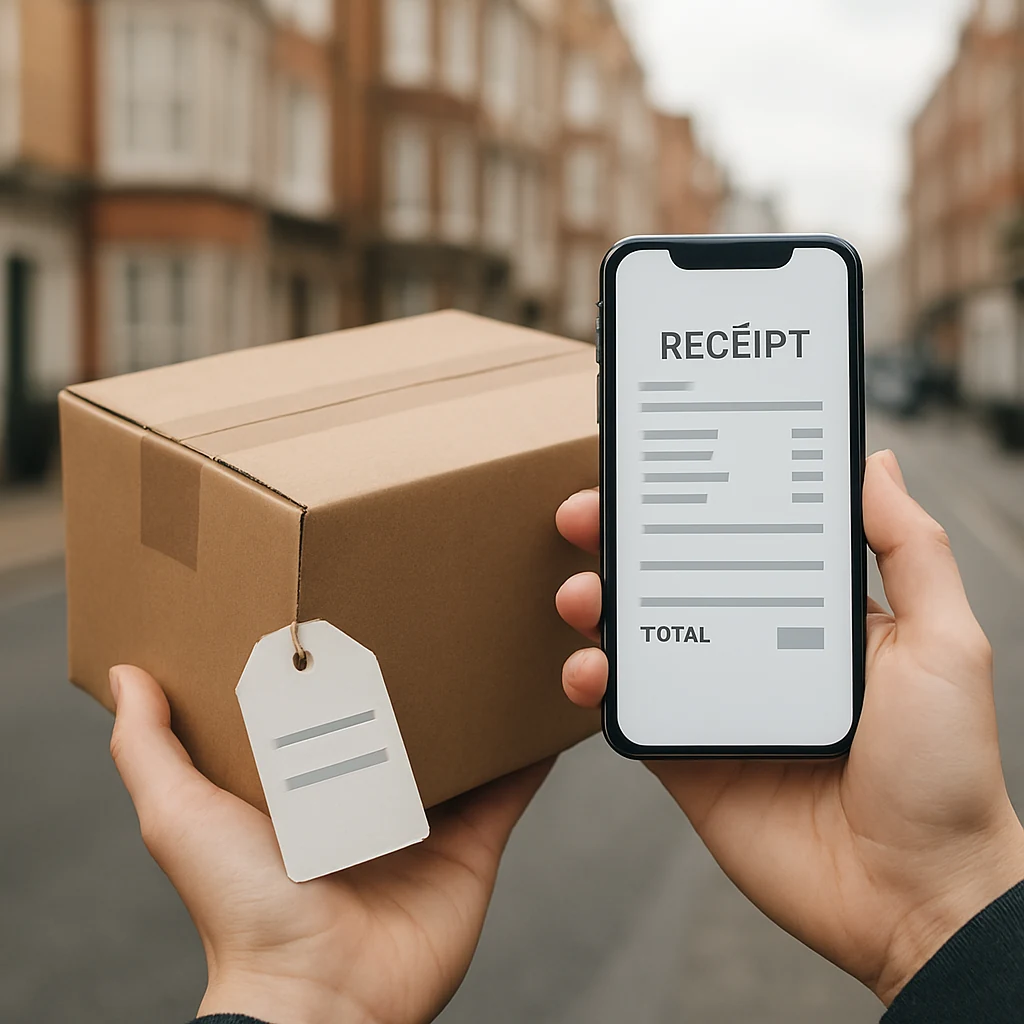
UK Online Shopping: How to Get a Refund When the Price Drops
Bought too soon? A practical UK guide to price-drop refunds, price matches and smart return tactics—without breaking store rules.
Sometimes the best deal isn’t at checkout — it’s what happens after you’ve paid. A surprising number of UK shoppers miss out on easy savings simply because they assume a price drop is “just bad luck”. In reality, you often have options: price promises, price matches, cancellation rights, or (when allowed) a repurchase-and-return approach.
This guide is about staying practical and fair: saving money without playing games, and without turning every purchase into a headache.

Q: If the price drops after I buy, can I get money back?
Sometimes, yes — but it depends on the retailer’s policy and what you bought.
In the UK, most retailers aren’t legally required to refund the difference just because the price changed. However, many do offer one of these:
- a price promise (refund the difference within a certain window)
- a price match (match a competitor, sometimes before purchase)
- a goodwill adjustment if you ask promptly
Your first step is to check the order confirmation or the product page for wording like price promise, price match, we won’t be beaten, or found it cheaper. If the terms are unclear, the quickest route is often live chat.
Q: What evidence do I need for a price-drop claim?
Think like customer service: make it easy for them to say yes.
Have these ready:
- your order number and date
- a screenshot of the current price (including any visible discount)
- the product link showing the same model/size/colour
- proof the item is sold by the same retailer (watch out for marketplace listings)
A common UK-specific snag is marketplace confusion: the product might appear on a big site, but be sold by a third-party seller. Many price promises only apply to items sold and dispatched by the retailer itself.
Q: Should I ask for a price adjustment or just return and repurchase?
Start by asking for a price adjustment. It’s faster, cleaner, and avoids return hassle.
If the retailer says no, you then decide whether a return-and-rebuy makes sense within the rules.
This is where UK online shopping is different from in-store browsing: if you bought online or over the phone, you typically have cancellation rights under the Consumer Contracts Regulations for many items (with exceptions). That can make a repurchase-and-return strategy possible — but only if:
- the item is eligible for return, and
- you can return it in the required condition, and
- the return cost doesn’t wipe out the saving.
If you’re unsure whether your item is eligible, check the retailer’s returns page carefully (and keep it bookmarked). For more general saving tactics, you can always browse the guides on our homepage: /
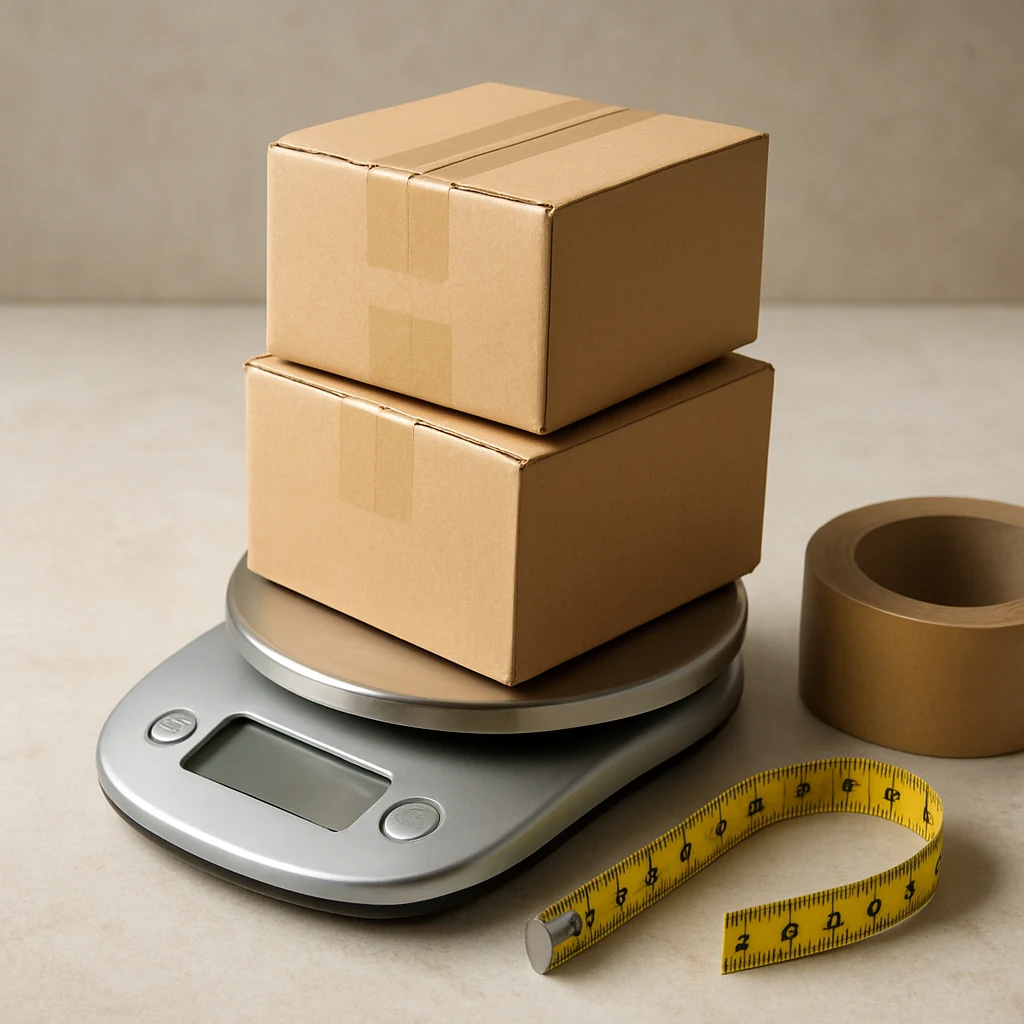
Q: When does “return and rebuy” backfire in the UK?
It backfires when the hidden costs show up.
The classic problems are:
- Return postage isn’t free (especially on bulky items)
- You used a discount code the first time that you can’t use again
- The new lower price is tied to different delivery options (e.g., slower delivery, click and collect only)
- The lower price is for a slightly different model or bundle
- You risk missing your window if the retailer has a short returns deadline
Also consider the time cost. Saving £6 looks less appealing if it takes an hour of admin and a trip to drop-off.
Q: What’s the “cleanest” way to capture a later discount?
If the retailer won’t adjust the price, the cleanest approach (when allowed) is:
- Order at the new price while it’s in stock.
- Start the return for the original order.
- Return the original item exactly as the retailer requires.
That avoids being left without the item if stock disappears, which is common around busy UK moments like Bank Holiday weekends, back-to-school, and the run-up to Black Friday/Cyber Monday.
A small but important detail: some retailers prefer you return to the original payment method; others may issue store credit depending on the payment type. Don’t assume — check the returns confirmation.
Q: How do I ask for a price drop refund without sounding awkward?
Keep it simple and polite. Something like:
“Hi, I ordered [item] on [date], order number [X]. I can see it’s now £[new price] on your site. Do you offer a price adjustment within [X] days? I’d appreciate a refund of the difference if possible.”
If you’re using live chat, paste the product link and attach the screenshot. The easier you make it, the more likely you’ll get a quick yes.
Quick tips (worth doing before you contact support)
- Check whether the lower price requires a membership, app-only offer, or bundle.
- Confirm it’s the same seller (not a marketplace seller).
- Look for exclusions like clearance lines or limited-time promo codes.
- If you paid delivery originally, check whether a partial refund includes delivery (policies vary).
Q: Do VAT and delivery affect the “real” difference?
In the UK, consumer prices are normally displayed including VAT, so the comparison is usually straightforward.
Delivery is where it gets messy. If the item price drops but delivery has gone up (or the new price only applies with a particular delivery choice), your “saving” may shrink.
When doing the maths, compare your original total paid vs the new total you’d pay today, including delivery. That’s the only number that matters.
Q: What if the new lower price is a promo code, not a visible discount?
Retailers often treat code-based discounts differently.
If the price drop comes from a code on the homepage (or in an email), some customer service teams will apply it retroactively, but many won’t. It’s still worth asking — especially if:
- the code is public and clearly advertised on-site
- the order is recent
- the item is unopened and within the returns window (which gives you a backup option)
Avoid framing it as a threat (“I’ll return it if you don’t…”). Just be transparent that you noticed the promotion.
Q: Are there categories where price-drop claims are less likely to work?
Yes, a few common ones.
- Perishables and personalised items (often excluded from standard returns)
- Hygiene-sealed products once opened (policies vary)
- Digital downloads once started/activated
- Event tickets and time-sensitive services
Even where returns are allowed, a retailer may refuse a price adjustment, so your fallback is simply whether returning is possible and worth it.
Q: Does paying with PayPal or a credit card help?
It can help in disputes, but it’s not a magic tool for price drops.
If you receive the item as described and the retailer doesn’t offer price adjustments, payment providers generally won’t treat “it got cheaper later” as an issue.
Where your payment method does matter is if something goes wrong with delivery, the item is faulty, or a return refund doesn’t arrive. In those cases, your provider may offer extra routes to challenge the transaction — but always go through the retailer first.
Q: How can I prevent future “bought too soon” regrets?
You can’t time every deal perfectly, but you can reduce the chances.
A practical UK approach is to match your buying urgency to the season:
If it’s not urgent, waiting can pay off around predictable periods like January sales, spring Bank Holidays, end-of-season clearances, and Black Friday/Cyber Monday. If it is urgent (replacement charger, essential kids’ kit, broken kettle), buy from a retailer with a straightforward returns process so you keep your options open.
One habit that helps: when you buy something over £50–£100, spend two minutes saving the product link and taking a screenshot of the price. If there’s a drop, you’ll have proof without scrambling.
Q: Is it “wrong” to return something just because it got cheaper?
It depends on the retailer’s rules and your own comfort level.
If the item is eligible for return, you keep it in the required condition, and you follow the process properly, it’s within the system the retailer has chosen to offer.
That said, if a small price drop would trigger a return that creates waste (extra delivery miles, extra packaging), it may be better to ask for a goodwill adjustment first, then decide whether the saving is genuinely worth it.
Q: What’s the simplest rule to follow?
If the price drops soon after your purchase, do this in order:
- Ask for a price adjustment (fastest win).
- If no, check the returns terms and calculate the true saving.
- If it still makes sense, repurchase then return — carefully, within policy.
If you want more UK-focused saving guides (without the fluff), head back to / and pick the strategy that fits what you’re buying right now.
You may also be interested

The UK Wishlist Method: Plan Your Next Online Deal (No Panic Buying)
A practical UK step-by-step guide to saving online by setting target prices, tracking drops, and buying at the right moment—without falling for “was/now” hype.
Marketplace vs Retailer: How UK Shoppers Pick the Real Deal
A practical UK guide to choosing between marketplaces and direct retailers—price, delivery, returns, warranty and hidden costs—so the ‘deal’ stays a deal.
After You Buy: UK Tricks to Save with Price Drops & Returns
A practical UK guide to saving after checkout: price-drop checks, delivery refunds, returns timing and safe ways to re-order for less.