

UK Online Shopping: Cut Delivery Costs Without Missing Deals
Practical UK tactics to lower delivery spend: thresholds, Click & Collect, lockers, delivery passes and smarter basket planning—without overbuying.
Delivery is where a “good deal” quietly turns average. You find a discounted price, hit checkout, and suddenly you’re paying for shipping, a delivery upgrade you didn’t need, or (worse) ordering extra items just to reach “free delivery”. This guide is about making delivery work for you in the UK—without falling into the classic traps.

The real question at checkout: pay now, or pay in hassle later?
Most delivery decisions are a trade-off between three things: cost, certainty, and convenience. Paying for next-day delivery might be worth it if it prevents you from buying a backup item locally. On the flip side, chasing free delivery can push you into buying things you wouldn’t have bought otherwise.
A good habit is to pause at checkout and ask: “If I change the delivery option, does my total spend go up or down once I factor in time, re-delivery risk, and returns?”
That’s the thread running through the scenarios below.
Scenario 1: You’re £6 short of free delivery
This is the most common money leak in UK online shopping. You’re close to the free delivery threshold, so you add “something useful” to the basket.
Here’s the trade-off: if you add an item you didn’t plan to buy, you’ve not saved on delivery—you’ve swapped a delivery fee for extra spending. Even if you choose something “practical”, it’s still money leaving your account today.
A better approach is to treat the threshold like a decision tree:
- If you already needed another item soon (e.g., toiletries, printer ink, a replacement cable), add that—fine.
- If you’re adding something just to qualify, consider paying delivery and staying disciplined.
- If you will place another order within a week or two, it can be smarter to delay and combine, as long as stock and price are unlikely to change.
UK-specific tip: when a retailer offers free delivery over X, check if Click & Collect is free at a lower spend. Sometimes the “collection” route is the easiest win.
Scenario 2: “Free delivery” is actually slow delivery (and you’ll pay for it anyway)
If you’re buying a time-sensitive item—birthday gift, school kit, a last-minute travel essential—slow delivery can create a second purchase. You end up buying locally “just in case”, or paying for a premium delivery upgrade after already spending time hunting deals.
The trade-off here is simple: a slightly higher delivery fee can prevent a second, panic purchase.
Practical decision:
- If the item is needed by a fixed date, choose a delivery option with tracking and a realistic delivery window.
- If you’ll be out during the day, prioritise options that reduce “missed delivery” risk (locker, parcel shop, nominated safe place where available).
Don’t forget to check whether weekends are included. In the UK, “next day” can sometimes mean next working day depending on the retailer and the courier.
Scenario 3: Click & Collect vs home delivery (the hidden cost is time)
Click & Collect can be brilliant: it dodges missed deliveries, can be free even on smaller baskets, and is often faster than standard shipping. But it’s not automatically cheaper.
The trade-off is your time and travel. If you need to drive, pay for parking, or make a special trip, the “free” collection can cost you more than delivery.
A sensible rule is to only use collection when it naturally fits your routine: near your commute, your weekly supermarket shop, or a place you’ll be anyway.
If you’re choosing between:
- Locker/parcel shop: usually convenient, often extended opening hours.
- In-store collection: can be quick, but queues happen and collection desks have their own hours.
Pick the one that reduces friction. A deal that takes an hour to collect isn’t much of a deal.
Scenario 4: The delivery pass trap (when memberships stop saving you money)
Delivery subscriptions (a retailer’s annual delivery pass or an all-in membership that includes delivery benefits) can be great—if your ordering behaviour stays steady. The problem is that the pass can nudge you into ordering more frequently, in smaller baskets, “because delivery is free”.
The trade-off isn’t just the membership fee. It’s the behavioural nudge: more browsing, more impulse buys, more low-value orders.
A practical way to decide is to look at your likely pattern for the next few months:
- Are you ordering from that retailer regularly for essentials?
- Will you use the benefits outside the big sales periods (like Black Friday/Cyber Monday) when you might buy anyway?
- Do you have a habit of building baskets and waiting, or do you impulse-buy?
If you’re an impulse buyer, a delivery pass can increase spend even if it reduces delivery fees.
Scenario 5: Splitting orders “to lock in” a deal (and paying twice for delivery)
During big UK sales moments—Black Friday, Cyber Monday, Boxing Day, January sales—it’s tempting to split purchases: buy the headline bargain now, then come back later for smaller items.
The trade-off is delivery duplication. Two separate orders often means two delivery charges (or two “free delivery threshold” problems). Sometimes it also increases returns complexity.
A middle ground is to secure the high-risk item (limited stock, time-sensitive price) and then wait a short window to add the rest—only if the retailer allows combining orders or if the basket can be held without losing the discount.
Not every shop supports this, so it’s worth checking the checkout flow and delivery policy first.
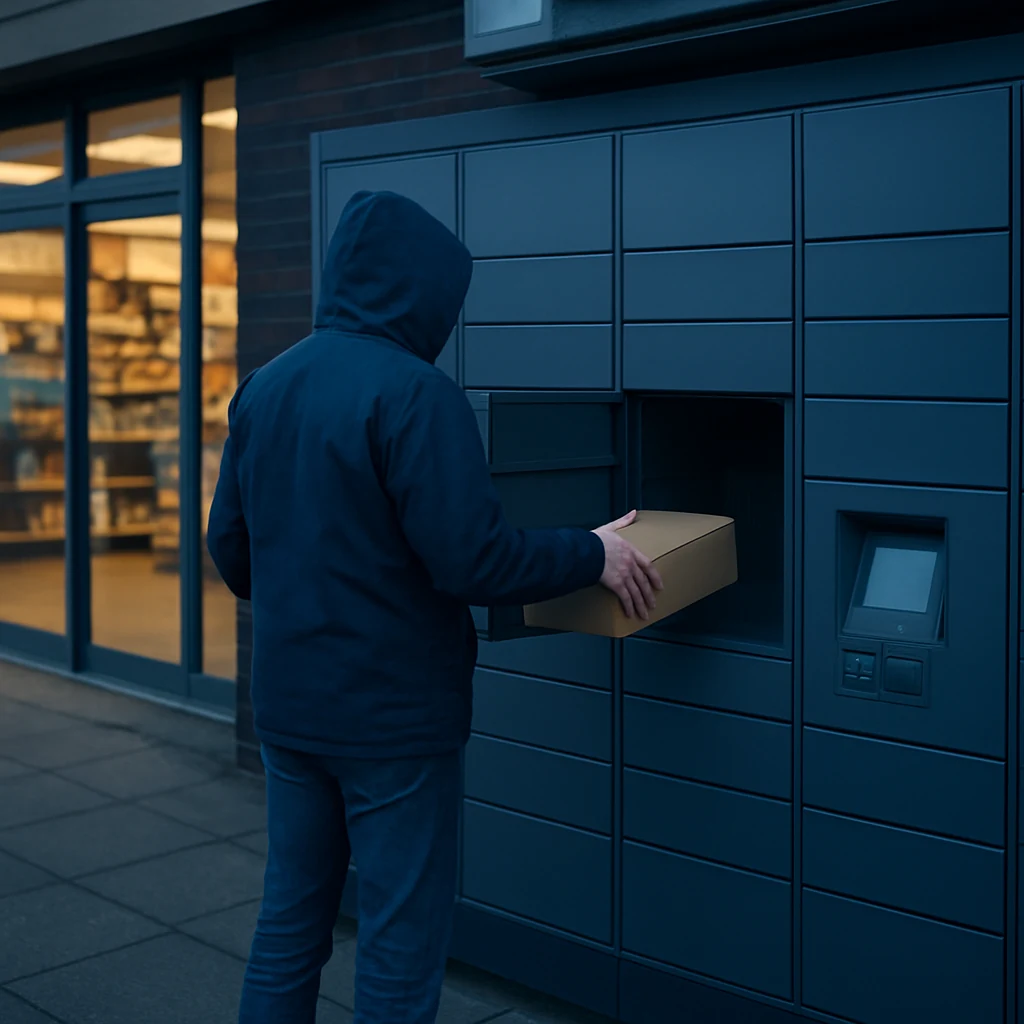
Scenario 6: You’re likely to return one item (so delivery choice matters)
Even when you’re being careful, some purchases are “return probable”: clothing sizes, shoes, anything where fit and feel matter. Delivery and returns are linked.
The trade-off: a cheaper delivery option can be a false economy if it makes returns harder or slower. In the UK, some retailers offer different return methods (in-store returns, drop-off points, parcel collection), and that can affect what delivery method you should pick.
Before buying, check:
- Does the retailer provide a prepaid returns label, or do you pay return postage?
- Can you return in-store (often easiest if you have one nearby)?
- Are refunds processed only after the return is received, and how long might that take?
Also, remember VAT is included in UK consumer pricing, so the main cost swings you’ll see at checkout are delivery, add-ons, and sometimes payment method fees.
If you want a broader “before you buy” mindset (beyond delivery), it’s worth browsing the guides on the homepage at /.
The small delivery wins that add up
You don’t need a complicated system. A few simple habits usually do more than chasing the perfect coupon stack.
- Consolidate orders: keep a running list and buy in one go when it’s not urgent.
- Use lockers/parcel shops when you’re often out: fewer missed deliveries and re-delivery headaches.
- Avoid free-delivery threshold filler: pay the delivery fee unless the add-on was genuinely planned.
- Choose delivery certainty for time-sensitive buys: it can prevent a costly backup purchase.
FAQs: UK delivery savings without the nonsense
Is it ever worth paying for next-day delivery?
Yes—when the alternative is buying the item locally at a higher price, or when missing the delivery would create knock-on costs (a second purchase, lost time, or needing a replacement urgently). For non-urgent items, standard delivery is usually fine.
How do I avoid paying delivery twice when I’m buying multiple things?
Try building a single basket and purchasing in one order where possible. If you’re shopping during big sale periods, decide which items are genuinely “buy now or miss out”, and which can wait until you’ve got a fuller basket.
Are Click & Collect and lockers always cheaper?
They’re often cheaper in pure checkout terms, but they’re not always cheaper in real life. If collection needs a special trip, costs you parking, or takes a lot of time, home delivery might be better value.
What’s the safest delivery option if I’m out during the day?
A parcel locker or parcel shop collection is usually more predictable than hoping you’re in for the doorbell. If home delivery is your only option, look for tracking and delivery preferences (like a nominated safe place) where available.
Do delivery passes actually save money?
They can, but only if they don’t change your shopping behaviour. If a pass makes you order more often, in smaller baskets, or browse more, it can wipe out the savings. Think about your habits first, not just the delivery fee.
One last mindset shift: treat delivery like a product
When you buy online in the UK, you’re not just buying the item—you’re buying the delivery experience. The cheapest option isn’t always the best value, and the “free” option is rarely free once you count the extra stuff you add to qualify.
If you start choosing delivery deliberately—based on urgency, your schedule, and your likelihood of returns—you’ll keep more of the savings you worked hard to find in the first place.
You may also be interested
The UK Wishlist Method: Plan Your Next Online Deal (No Panic Buying)
A practical UK step-by-step guide to saving online by setting target prices, tracking drops, and buying at the right moment—without falling for “was/now” hype.
Marketplace vs Retailer: How UK Shoppers Pick the Real Deal
A practical UK guide to choosing between marketplaces and direct retailers—price, delivery, returns, warranty and hidden costs—so the ‘deal’ stays a deal.
After You Buy: UK Tricks to Save with Price Drops & Returns
A practical UK guide to saving after checkout: price-drop checks, delivery refunds, returns timing and safe ways to re-order for less.