

UK Online Deals: The “Boring Settings” That Save You Real Money
Practical UK guide to unlocking better online prices using account settings, alerts, loyalty, codes and checkout habits—without dodgy tricks.
Online bargains aren’t just about catching a flash sale. In the UK, a lot of the best savings come from the unglamorous stuff: account settings, notifications, loyalty links, and a few habits that stop you paying “default price”.
This guide is a practical, UK-focused playbook of the settings worth sorting once, then using again and again—especially heading into bigger shopping moments like Back to School, Black Friday/Cyber Monday, Boxing Day and the January sales.
1) Create a “deal-ready” account (and a separate inbox)
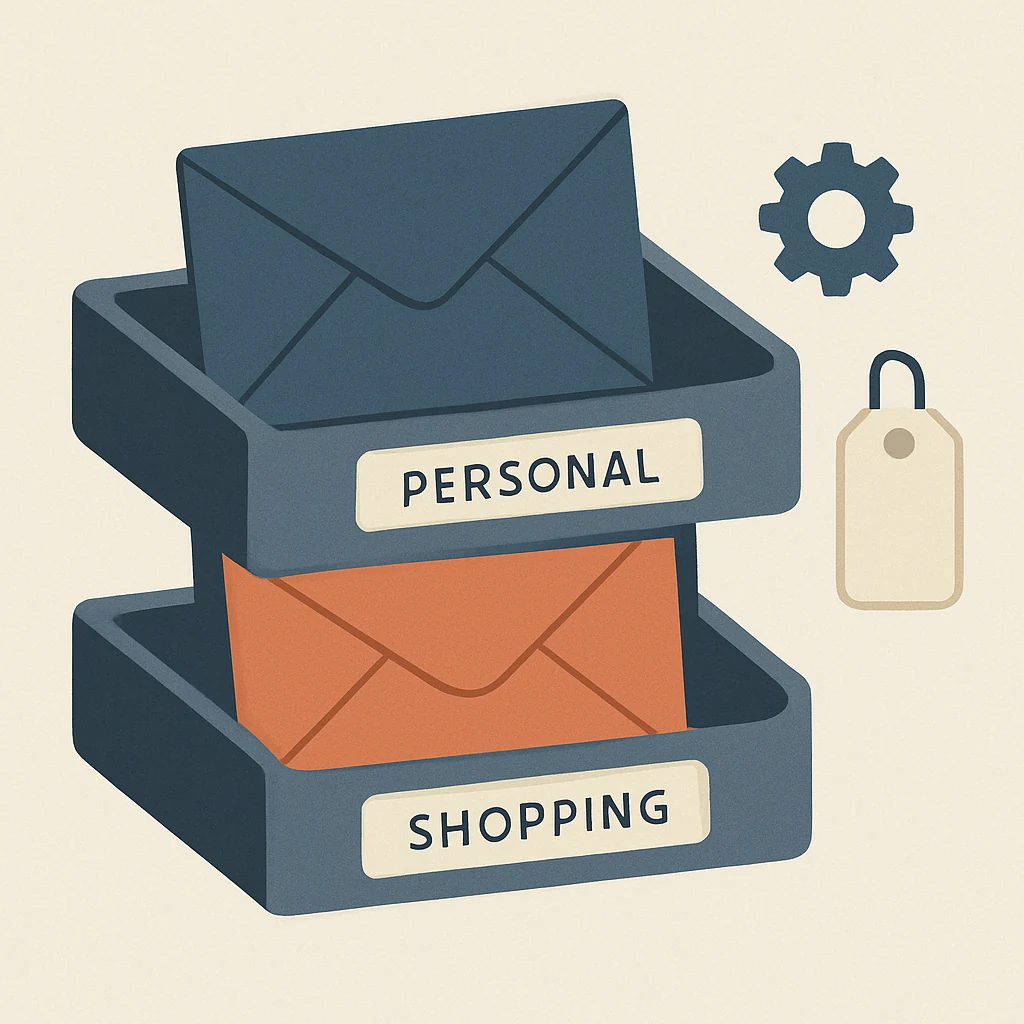
Retailers reward logged-in shoppers: personalised voucher codes, early-access events, app prompts, loyalty pricing, and “we noticed you” nudges. The downside is marketing overload.
The fix is simple: use a dedicated email address (or an email alias) for shopping accounts and newsletters. You keep the discounts, but your main inbox stays sane. It also makes it easier to search for old order confirmations if you need to check returns windows or warranty details.
Why it saves money: you actually see the voucher codes and member pricing, rather than missing them in a sea of other emails.
When to use it: whenever you’re planning a larger purchase (tech, appliances, furniture) or doing seasonal replenishment (school kit, winter coats, Christmas gifting).
2) Turn on the right notifications (not all of them)
Most retailer apps and accounts let you pick categories: back-in-stock, price alerts, and “new in” notifications. Don’t tick everything. Choose the triggers that help you buy at the right moment.
Back-in-stock alerts are underrated in the UK because popular sizes and colours often disappear first. When stock returns, you sometimes get a short window before the price is pushed up again (or before it sells out and you end up paying more elsewhere).
Why it saves money: it stops panic buys and last-minute “fine, I’ll pay it” purchases.
When to use it: clothing/shoes (sizes), beauty sets, toys in the run-up to Christmas, and seasonal essentials (school uniform pieces, garden items in spring).
3) Use wishlists and “save for later” as a price tool
Wishlists aren’t just for organising—they’re a tracking system built into the shop. Many UK retailers will surface reminders, “still thinking about it?” prompts, and sometimes targeted codes once items sit in a wishlist or basket.
You don’t need to play games or wait weeks. The practical approach is:
- Add the exact item/size/colour you want to a wishlist.
- Add one sensible alternative (a second brand or colour you’d also accept).
- Check total cost (including delivery and any paid returns) before you get emotionally attached.
Why it saves money: you compare like-for-like and avoid buying the first thing you saw because you can’t remember the product name later.
When to use it: anything where specs matter (TVs, laptops, vacuum cleaners) and anything where sizing/colour increases return risk (coats, trainers).
4) Stack loyalty before you browse (so you don’t forget)
A common UK mistake is remembering loyalty points at the end, when it’s too late. If a retailer has a loyalty scheme, sign in first and check whether there are member-only offers already sitting in your account.
Also look for linked schemes and workplace or student portals you already have access to (for example, student discounts, employer benefit platforms, or sector schemes). Don’t assume you’re not eligible—many households have someone who is.
Why it saves money: loyalty pricing and member offers often apply automatically only when you’re signed in.
When to use it: repeat-buy retailers (health & beauty, kids’ clothing, pet supplies), and whenever you’re building a bigger basket.
5) Make discount codes work for you (without wasting time)
Voucher codes in the UK are a minefield: expired, “new customers only”, full-price-only, or excluding brands you actually want. The trick is to reduce the effort and increase the hit rate.
A practical routine is to try codes in this order: first-party codes (from the retailer), then trusted deal sites, then any affiliate/cashback route you use—while keeping an eye on the final basket total.
If a code requires you to opt into marketing, consider using that “deal-ready” inbox. And always check the terms for exclusions (especially on big brands, consoles, Apple products, premium beauty, and sale items).
Why it saves money: you avoid the black hole of trying twenty codes that never apply.
When to use it: smaller baskets where a percentage code matters, or when you’re just under a free-delivery threshold and can combine a code with adding a low-cost essential.
6) Don’t let “default delivery” inflate your total
In the UK, the checkout is where bargains quietly disappear. Retailers may default to a faster (paid) delivery option, add delivery protection, or push a subscription-style “free delivery” trial.
Even if you’re not trying to minimise delivery costs (we’ve covered that topic elsewhere), you do want to avoid accidental upgrades.
A quick habit: pause on the delivery page and confirm three things—delivery option, delivery date, and whether the returns policy suits the item.
Why it saves money: you avoid paying for speed you don’t need, or agreeing to extras you didn’t want.
When to use it: late-night checkouts (when it’s easy to click through), and gifts (where timing pressures you into paying more).
7) Check the returns reality before you hit pay
In UK online shopping, returns can be the difference between a deal and a mistake. “Free returns” isn’t universal, and some items (or marketplace sellers) have different terms. For expensive or bulky items, returns logistics matter as much as price.
A few seconds of checking can save you paying twice:
- Is it sold by the retailer directly, or a third-party marketplace seller?
- Is returns collection offered, or do you need to drop it off?
- Are there hygiene seals or exclusions that make returns tricky?
Also remember VAT should already be included in UK consumer pricing, but marketplace listings can be messy—especially if the seller is overseas. If anything looks unclear at checkout, treat it as a risk signal.
Why it saves money: it prevents “I’ll just return it” turning into “I guess I’ll keep it”.
When to use it: furniture, mattresses, large appliances, occasionwear, and anything you’re buying in multiple sizes.
8) Build a tiny “price sanity check” habit (without obsessing)
You don’t need a complex spreadsheet or constant tracking. You do need one quick cross-check so you don’t overpay just because you’re already on a product page.
Do this: open one comparison tab and one alternative retailer tab. Compare the total cost (item price + delivery + any membership requirement + returns cost). If the “deal” only wins because it ignores an unavoidable add-on, it’s not a deal.
If you want a simple rule: compare like-for-like availability. The cheapest price is irrelevant if it’s not in stock in your size/colour, arrives after you need it, or is from a seller you wouldn’t trust with a return.
Why it saves money: it keeps you anchored to the true total, not the headline price.
When to use it: big-ticket buys and anything time-sensitive (holidays, weddings, school start dates).

A realistic way to use this in peak UK sale periods
During Black Friday/Cyber Monday and the Boxing Day/January sales, the temptation is to refresh pages and chase “ending soon” banners. Instead, treat those periods as a moment to let your setup do the work.
Log in, check loyalty/member offers, confirm notifications are on for your categories, and use wishlists to keep your shortlist tight. Then, when a genuine discount appears, you can move quickly without relying on impulse.
If you want more UK money-saving guides and deal strategies, start from the hub at / and work from there.
FAQs
Are app-only deals worth it in the UK?
Sometimes, yes—especially if the app gives you early access, member pricing, or push alerts for restocks. The practical approach is to install the app for retailers you genuinely use, then limit notifications to categories that matter. If an app demands too many permissions or nags constantly, it’s usually not worth the hassle.
Should I always join a retailer’s newsletter for a first-order discount?
Only if you’re happy with the marketing and the code actually applies to what you’re buying. Many “welcome” codes exclude sale items or certain brands. Use a dedicated shopping inbox so you can opt in without cluttering your main email.
How do I avoid dodgy marketplace listings?
Look closely at who you’re buying from (retailer vs third-party seller), and read the delivery/returns details before paying. If the listing is vague about returns, or the seller details feel unclear, treat that as a reason to buy elsewhere—even if the headline price looks tempting.
What’s the quickest way to tell if a deal is genuine?
Do a two-tab check: one price comparison source and one reputable alternative retailer. Compare the total cost and availability (delivery date, stock, returns). If the “deal” falls apart once you include those, it’s not a deal.
Is it worth creating separate accounts just for deals?
A separate deal inbox is usually enough. Multiple accounts can backfire if it confuses returns, warranties, or loyalty points. Keep it simple: one account per retailer where you shop regularly, with tidy settings and a clear email trail.
You may also be interested

The UK Wishlist Method: Plan Your Next Online Deal (No Panic Buying)
A practical UK step-by-step guide to saving online by setting target prices, tracking drops, and buying at the right moment—without falling for “was/now” hype.
Marketplace vs Retailer: How UK Shoppers Pick the Real Deal
A practical UK guide to choosing between marketplaces and direct retailers—price, delivery, returns, warranty and hidden costs—so the ‘deal’ stays a deal.
After You Buy: UK Tricks to Save with Price Drops & Returns
A practical UK guide to saving after checkout: price-drop checks, delivery refunds, returns timing and safe ways to re-order for less.