

7 UK Online Deal Mistakes That Quietly Cost You Money
Avoid the most common UK online shopping slip-ups and save more with smarter vouchers, timing, account settings and checkout habits.
Paying full price online rarely happens because you “missed a massive sale”. More often, it’s the small habits: the wrong account settings, the wrong checkout flow, or trusting a discount label that isn’t doing much. This guide is a practical run-through of the most common UK deal mistakes — and what to do instead, without turning every purchase into a research project.
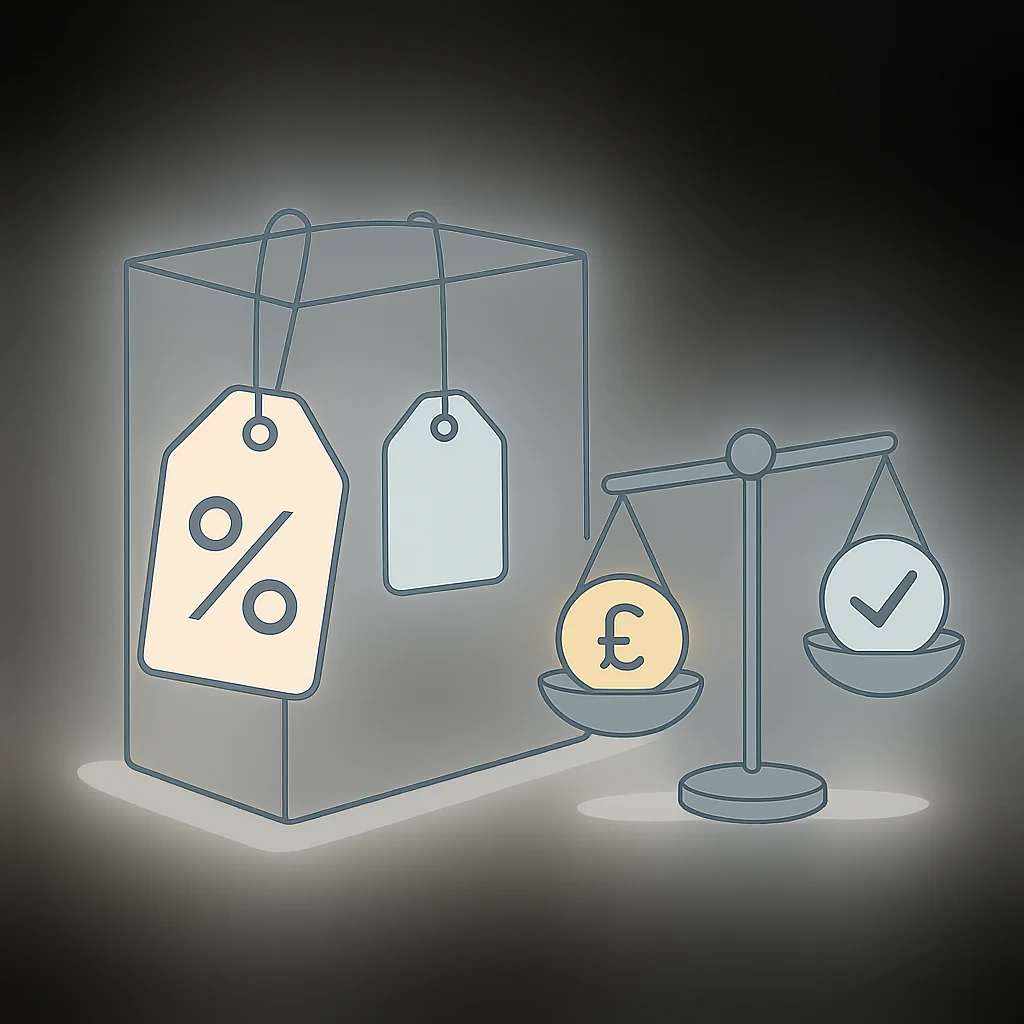
Mistake 1: Treating the first “discount” you see as the best price
A banner that says “Save 30%” is not a price comparison. UK retailers can discount against an RRP that doesn’t reflect what most people actually pay, and some “was/now” pricing moves around depending on stock and promos.
What to do instead: anchor your decision to the final delivered price and a quick sense-check.
- Check at least one other reputable UK retailer (or the brand’s own site) before you buy.
- Look for the same product code/size/finish — near-identical items are where comparisons go wrong.
- Watch for bundles where the headline saving hides the fact you didn’t want half the bundle.
If you want a simple habit: before paying, take 60 seconds to open a second tab and check another UK seller. It’s boring, but it catches a surprising number of “not actually a deal” deals.
Mistake 2: Forgetting that delivery and returns are part of the price
A £3–£6 delivery fee can wipe out a voucher win. And “free delivery” sometimes only kicks in at a threshold you reach by adding things you don’t need.
Returns matter too. In the UK, returns policies vary (especially on beauty, personalised items, or perishable goods), and some retailers are now stricter on free returns — particularly for sale items.
What to do instead: decide your true target price before you start hunting.
For example: “I’m happy if this comes in under £50 delivered, and it’s easy to return.” That one sentence stops you chasing a £45 item that becomes £54 after delivery, or a £49.99 item that’s a pain to send back.
Mistake 3: Checking out too fast and missing the easiest discounts
The easiest savings are often the ones you can set up once and reuse, rather than hunting for a miracle code every time.
People either forget the basics (newsletter sign-up offers, first-order codes) or they do the opposite: they open five voucher sites, copy random codes, and end up losing time and trust.
What to do instead: keep it tidy and repeatable.
If you’re shopping with a retailer you use more than once a year, it’s usually worth having an account so you can:
- see any member pricing (common around Black Friday, Boxing Day and end-of-season clearances)
- track returns and refunds properly
- access loyalty points or targeted vouchers without digging
But don’t auto-create accounts everywhere (we’ll come back to that). The goal is fewer logins, not more.

Mistake 4: Letting “personalised pricing” and tracking nudge you into worse deals
Online shopping is heavily personalised: your browsing history, cookie choices, and app usage can change what you see (especially in travel, ticketing, and some fast-moving retail categories). Even when the price doesn’t change, the urgency messaging can.
This doesn’t mean you need to go full spy-mode. It means you should shop in a way that keeps you calm and lets you compare properly.
What to do instead:
- Use a separate browser profile for shopping (so you’re not mixing it with endless browsing).
- If you’ve been hammering refresh on one product, sanity-check in a private window or a different device.
- Don’t let a countdown timer be the reason you stop checking delivery costs, returns, or retailer reputation.
In the UK, you’ll often do better by being consistent rather than frantic: the best deal is the one you can actually complete with confidence.
Mistake 5: Buying at the wrong moment because you only think in “Black Friday”
Black Friday and Cyber Monday matter in the UK now, but they’re not the only (or even the best) times to buy every category. A lot of UK savings happen in quieter, more predictable cycles.
Common UK deal windows worth planning around:
- January sales (especially for home, fashion, and older tech models)
- Spring bank holiday promos (often broad-site offers)
- Back-to-school season (useful beyond school items: laptops, desk kit, storage)
- Prime Day-style events (even if you don’t buy from Amazon, competitors often respond)
- Boxing Day Ofertas end-of-year clearances
What to do instead: match the season to the product.
If you’re shopping for something trend-led (trainers, seasonal clothing), end-of-season clearance is usually the calmer way to save. If you’re shopping for something model-led (headphones, TVs, smartphones), “new model announced” periods can be as useful as big sale weekends.
Mistake 6: Paying the “easy” way when a cheaper payment route is sitting there
This isn’t about doing anything risky. It’s about noticing which payment method actually supports your saving strategy.
Typical UK examples:
- Paying with a gift card you bought at a discount (useful for retailers you trust and use often)
- Using a cashback route consistently (not switching apps every time)
- Choosing a credit card that adds protection for larger purchases (then paying it off as normal)
What to do instead: decide your default checkout plan.
A simple rule works: one cashback method you trust, one dedicated email for shopping offers, and a short list of retailers you’re happy to buy from without overthinking. The more you standardise, the less you miss.
Mistake 7: Not checking the small print on VAT, marketplace sellers, and warranties
UK shoppers get caught out by three recurring details:
-
VAT included vs added later: most UK consumer sites show VAT-inclusive pricing, but marketplaces and cross-border sellers can still create confusion.
-
Marketplace vs retailer: you might think you’re buying “from” a well-known website, but the seller could be a third party with different returns and warranty handling.
-
Warranty expectations: manufacturer warranty terms can depend on where you bought it and whether the seller is authorised.
What to do instead: do a 10-second “seller check” before paying.
On marketplaces, click through and confirm who the seller is, where the item ships from, and what the returns process looks like. For pricier tech, it’s also worth checking whether you’ll deal with the retailer or the manufacturer if something goes wrong.

Quick tips you can use today (without changing your whole life)
If you only tweak a few things, make them these:
- Keep a “buy list” note with your target price in GBP and a must-have delivery date.
- Use one clean browser profile for shopping so comparisons stay clear.
- Before checkout, check the seller (especially on marketplaces) and the returns window.
- Don’t chase codes endlessly — use one or two trusted voucher/cashback routes consistently.
- When a deal looks too urgent, pause and sanity-check the delivered total.
A simple UK deal routine that doesn’t feel like a second job
Here’s a low-effort flow that works for everyday purchases and bigger buys alike:
Start with the outcome: what you need, what you’ll pay delivered, and when you need it by. Then shortlist one or two reputable UK retailers, do a quick comparison, and only then look for a voucher or cashback option you already use.
If you’re building better habits across the board, it can help to keep all your deal guides in one place — you can always jump back to the latest posts from the homepage at Ofertas.

FAQs
Is it worth waiting for Black Friday in the UK?
Sometimes, but it depends on what you’re buying. For model-based tech, you may see strong pricing around Black Friday, but also around new releases and end-of-line clearances. For seasonal items, you’ll often do better at end-of-season or during January sales.
Are voucher code sites reliable?
Some are, many are messy. The main risk isn’t fraud — it’s wasted time and checkout confusion. Stick to a small number of sources you trust, and don’t let codes distract you from checking delivery, returns, and seller details.
Do apps give better deals than websites?
Occasionally, yes (app-only promos exist), but apps also push urgency and make comparisons harder. If you’re price-checking, start on desktop or a browser where it’s easier to verify the delivered total and the seller.
What’s the safest way to shop marketplaces?
Always check who the actual seller is, where it ships from, and the returns process. If it’s a higher-value item, consider whether you’d rather buy directly from the retailer or an authorised seller for clearer warranty support.
How do I avoid paying extra without noticing?
Train yourself to look at the final line: total including delivery (and any fees) in GBP, plus the returns terms. If that total isn’t comfortably within your target, it’s not a deal — it’s just a lower sticker price.
You may also be interested

The UK Wishlist Method: Plan Your Next Online Deal (No Panic Buying)
A practical UK step-by-step guide to saving online by setting target prices, tracking drops, and buying at the right moment—without falling for “was/now” hype.
Marketplace vs Retailer: How UK Shoppers Pick the Real Deal
A practical UK guide to choosing between marketplaces and direct retailers—price, delivery, returns, warranty and hidden costs—so the ‘deal’ stays a deal.
After You Buy: UK Tricks to Save with Price Drops & Returns
A practical UK guide to saving after checkout: price-drop checks, delivery refunds, returns timing and safe ways to re-order for less.