


The UK Wishlist Method: Plan Your Next Online Deal (No Panic Buying)
A practical UK step-by-step guide to saving online by setting target prices, tracking drops, and buying at the right moment—without falling for “was/now” hype.
You don’t need to “shop harder” to save online in the UK. You need a better system. The simplest one that works year-round is a wishlist method: pick what you actually want, decide what you’re willing to pay in GBP, then let the internet do the waiting.
This approach is especially useful around the noisy periods—Black Friday/Cyber Monday, Boxing Day, January sales, bank holiday promos, back-to-school, and those sudden “flash” events retailers like to throw in.

Step 1: Start with a shortlist (not a browse)
Scrolling is where budgets go to die. Instead, start with a shortlist of 3–5 items you’re genuinely likely to buy in the next month or two.
Give each item a one-line purpose. It sounds basic, but it stops you upgrading specs just because a banner says “mega deal”. For example:
- “Noise-cancelling headphones for commuting.”
- “Dehumidifier for a damp bedroom.”
- “Printer ink for the home office.”
Once you’ve written that, you’ll find it easier to say no to tempting alternatives.
Step 2: Decide your ‘buy price’ (your number, not theirs)
A deal only counts if it beats your target.
For each item, set two numbers:
- Buy price: the GBP amount you’ll happily pay today.
- Walk-away price: the point where you stop trying to justify it.
How do you pick a realistic buy price without guessing? Use a quick sense-check:
- Look at the same item across a few UK retailers (not just one marketplace listing).
- Check whether you’re comparing like-for-like (model numbers, storage size, generation, colour, bundle add-ons).
- Factor in delivery fees if they’re not clearly included.
If the lowest “normal” price you keep seeing is about £X, your buy price could be a bit under that—enough to feel like a win, not so low that you’ll never purchase.
Step 3: Build a clean wishlist you can actually action
A wishlist is only useful if it’s tidy. Create one place where every item has:
- The exact model or product link
- Your buy price in GBP
- Your preferred retailer(s)
- Notes on delivery/returns you care about (for example: “need it before next weekend”, or “only if returns are easy”)
You can do this in a notes app, a spreadsheet, or the retailer’s own wish list feature. The trick is consistency: one list you’ll check, not five scattered tabs.
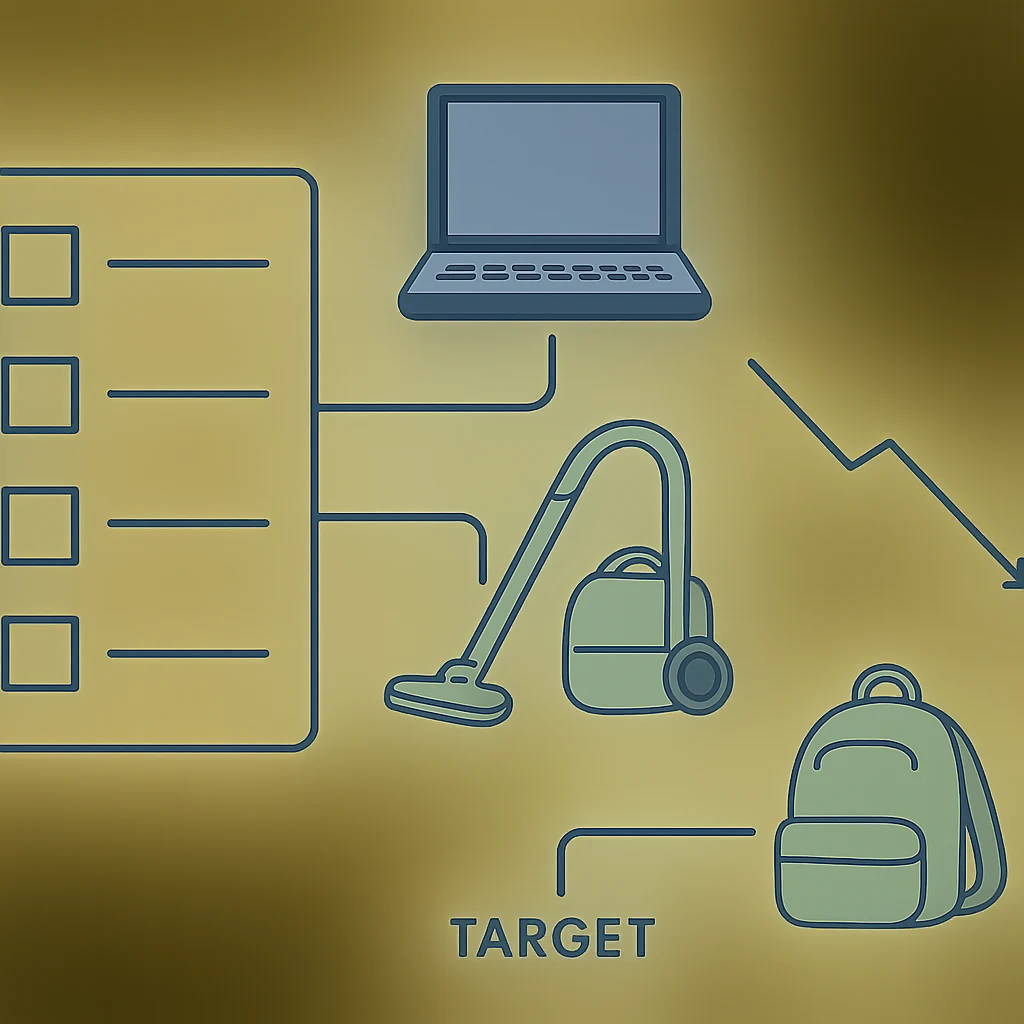
Step 4: Track price changes the right way (and avoid the fake ‘was’)
A lot of “discounts” are really just noisy labelling. You’ll see:
- “Was £Y, now £X” where £Y was rarely the going price
- Bundles that look cheaper but include low-value extras
- Marketplace listings that change seller or delivery terms, making comparisons messy
Instead of trusting a banner, use price tracking or at least repeatable checks:
- Re-check the price at a few points across a week or two.
- Compare the same product code across multiple UK retailers.
- Watch for sudden jumps right before a sale window.
If you want to go a step further, set alerts using tools you already rely on (shopping apps, browser extensions, or even a calendar reminder). The goal isn’t to chase pennies—it’s to avoid paying the “high” week.
Step 5: Pre-flight the boring bits: delivery, returns, VAT, warranty
This is where many online “bargains” quietly get expensive.
Before you buy, confirm:
- Delivery cost and speed: next-day can be brilliant, but only if it’s actually available to your postcode.
- Returns process: check the return window and whether you’ll need to pay return postage.
- VAT clarity: UK shoppers usually see VAT included, but it’s still worth checking the checkout total matches what you expected.
- Warranty/support: especially for electronics, appliances and refurbs—make sure you’re comfortable with who handles issues (manufacturer vs seller).
This step is also how you avoid “deal regret”. If returning is a faff, you’ll keep something you didn’t really want, and that’s never a saving.

Step 6: Pick your “buy windows” (without obsessing over the calendar)
You don’t need a full deal calendar to use this method. You just need buy windows—moments when you’re more likely to see genuine price movement.
Common UK patterns:
- Seasonal clear-outs: Boxing Day into January is often about shifting stock.
- Event-led promos: Black Friday/Cyber Monday can be strong on specific categories, but not everything.
- Bank holiday weekends: you’ll often see retailer-led promos on home, garden, DIY, mattresses, and appliances.
- Back-to-school: useful for laptops, stationery, lunch gear, and basics.
The wishlist method keeps you calm: when your item hits your buy price during any of these windows, you buy. If it doesn’t, you wait.
If you want more general seasonal timing, you can cross-check the broader guidance on our homepage: /
Step 7: Run a 60-second “deal quality” check before paying
This is the quick sanity scan that stops most mistakes.
Ask:
- Is it the exact model I shortlisted? (Not “similar”, not “newer for a bit more”.)
- Does the final basket total beat my buy price? (Including delivery.)
- Are the seller and delivery terms acceptable? (Especially on marketplaces.)
- Will I still want it if the price drops again next week? (If not, you’re buying the dopamine, not the item.)
If you can say yes to the first three, you’re usually fine. The fourth is just emotional insurance.
Quick tips (the ones that actually save money)
- Take screenshots of the product page and checkout total before you pay—handy if anything changes.
- Don’t compare bundle prices unless you’d buy every included item anyway.
- If a retailer keeps pushing “limited stock”, check if the same item is widely available elsewhere.
- For repeat purchases (toiletries, cleaning, pet supplies), set a reminder to buy when you’re not desperate—last-minute buying is rarely cheapest.
Step 8: After purchase, keep the wishlist alive (so next time is easier)
Even though this guide is about buying before the hype, you’ll get better results each cycle if you update your list.
After you buy, note:
- What you paid in GBP and where
- Whether delivery and returns were smooth
- Whether you’d buy the same way again
This turns your wishlist into your personal “deal database”. Over time, you’ll spot patterns like “this item regularly dips” or “that retailer’s delivery is great but returns are annoying”.

Common questions (UK shoppers)
Is a “was/now” price always genuine in the UK?
Not always. “Was” pricing can be confusing, especially when prices move often online. Your safest approach is to compare across retailers and track the item over time, rather than trusting a single crossed-out price.
Should I wait for Black Friday for everything?
No. Some categories can be good, but plenty of items are better bought when they hit your buy price—whenever that happens. A calm target price often beats a loud sales event.
Are marketplace listings harder to compare?
They can be, because the seller, delivery speed, and returns setup may change even when the product looks identical. Treat the seller and fulfilment details as part of the “price”, not an afterthought.
What if I see a deal but I’m not 100% sure?
Pause and run the 60-second deal quality check. If it doesn’t clearly beat your buy price and meet your delivery/returns comfort level, it’s usually better to wait. The whole point of the wishlist method is to reduce rushed decisions.
How many items should I track at once?
Keep it small enough that you’ll actually maintain it. For most people, 10–20 items total (across a few categories) is plenty. If it feels like homework, it’s too big.
The takeaway
A good online deal in the UK isn’t about being the fastest clicker on a flash sale. It’s about being prepared: shortlist, target price, tracking, and a quick delivery/returns check. Once you’ve done that, the sales noise becomes background—and the savings become repeatable.
You may also be interested
Marketplace vs Retailer: How UK Shoppers Pick the Real Deal
A practical UK guide to choosing between marketplaces and direct retailers—price, delivery, returns, warranty and hidden costs—so the ‘deal’ stays a deal.
After You Buy: UK Tricks to Save with Price Drops & Returns
A practical UK guide to saving after checkout: price-drop checks, delivery refunds, returns timing and safe ways to re-order for less.

The UK Savings Stack: How to Combine Online Discounts Properly
A practical UK guide to stacking vouchers, cashback, gift cards and delivery perks—without invalidating your discount or risking returns.