

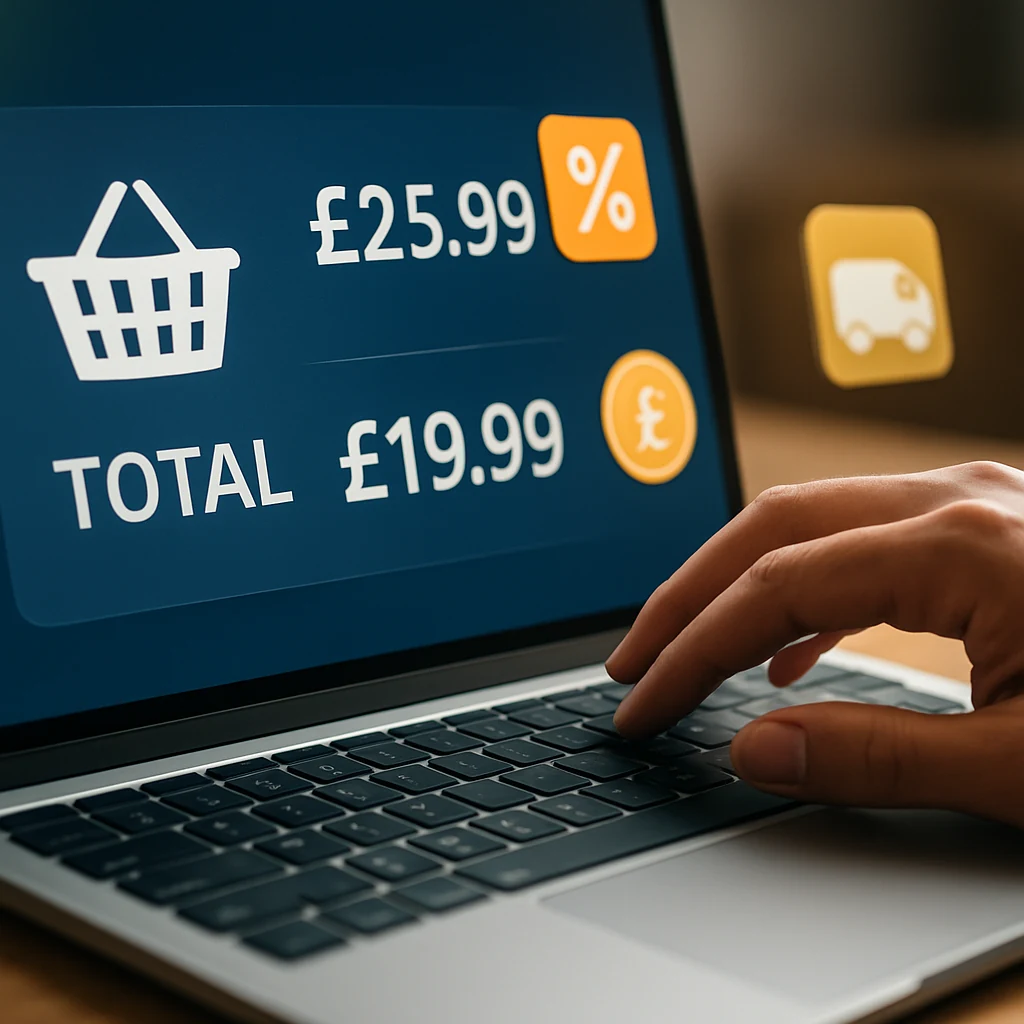
The UK Checkout Playbook: Stop Losing Discounts at the Last Click
Practical UK tips to keep vouchers, cashback and delivery savings from disappearing at checkout — and avoid common traps.
The easiest money to lose online isn’t on the product page — it’s in the final 90 seconds at checkout. One wrong click (or one well-meaning browser extension) and your voucher vanishes, cashback fails to track, or you accidentally pay more for delivery than you needed to.
This guide is a UK-focused “checkout playbook”: common errors people make right at the point of paying, and what to do instead. It’s practical, quick to apply, and works whether you’re buying trainers, tech, beauty, groceries or gifts.
Mistake 1: Trying codes in the wrong order (and wiping out the best one)
A lot of retailers let you apply only one promotion at a time. The catch is that not all “discounts” behave the same way. Some codes reduce the basket value, some unlock free delivery, some apply only to full-price items, and some silently remove sale pricing.
What to do instead: treat voucher testing like a mini experiment.
Before you press “Apply”, check whether the items are already in a promotion (multi-buy, outlet pricing, seasonal markdown). After applying a code, look at the line-by-line breakdown — not just the headline total — to make sure you haven’t swapped a better sale price for a weaker voucher.
If you’re buying multiple categories (say, school uniform and shoes), try splitting the order. One code might work on clothing but not on footwear; splitting can also protect you if one item goes out of stock during payment.
Mistake 2: Letting “auto-coupon” extensions sabotage cashback tracking
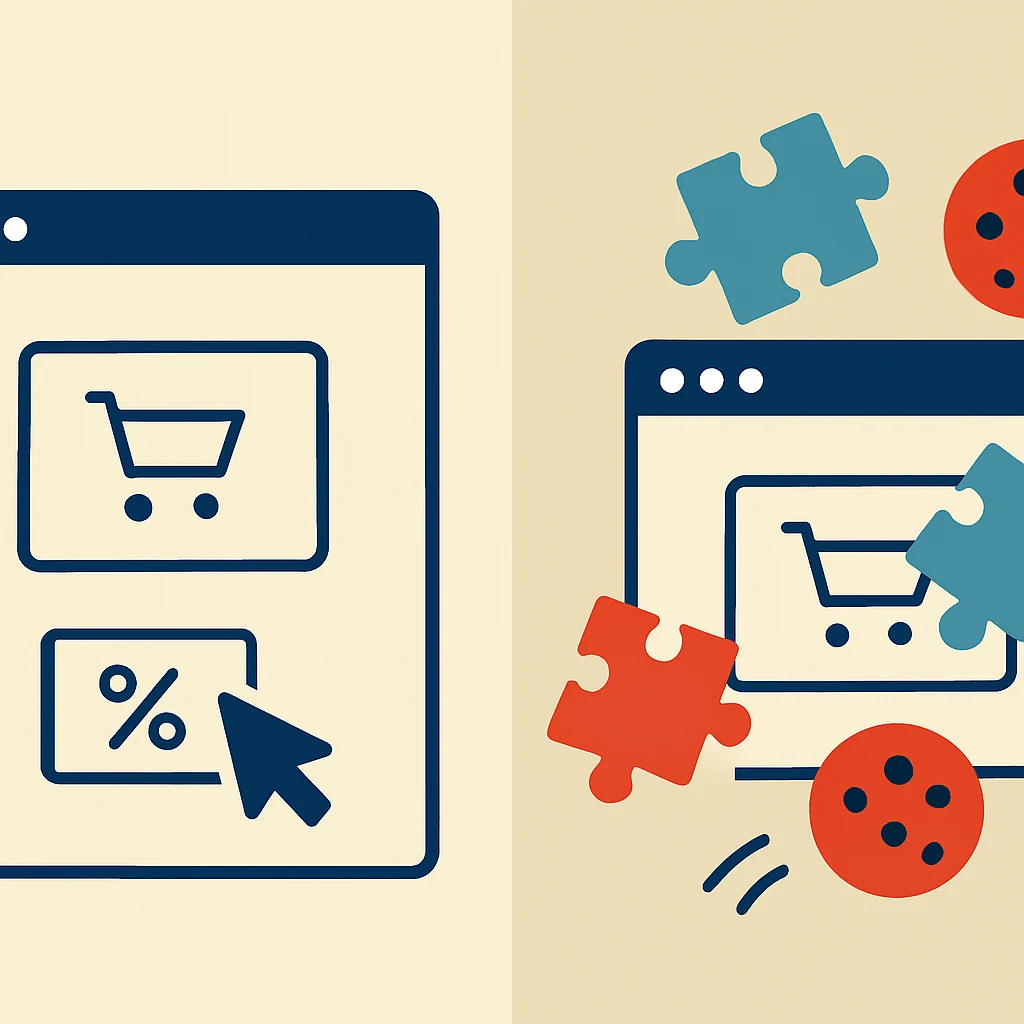
Coupon-finding extensions feel like free money. But many of them operate by dropping affiliate cookies in the background. That can clash with cashback sites, and in some cases it can mean your cashback never tracks — even though you did everything “right”.
What to do instead: decide your priority before you reach checkout.
If cashback is likely to be meaningful, keep the journey clean: start from your chosen cashback site or rewards programme, and avoid clicking around other voucher pages afterwards. If you do want to test codes, do it in a controlled way (more on that below) rather than letting multiple tools poke the checkout behind the scenes.
Practical tip: use a dedicated browser profile for “cashback purchases” where extensions are disabled. It takes minutes to set up and saves a lot of hassle.
Mistake 3: Forgetting that delivery options can cancel the deal
You’ve found a decent price. You’ve applied a code. Then you pick a delivery option without thinking and the total jumps.
Common UK checkout gotchas include:
- standard delivery being free over a threshold, but your basket sits just under it
- “express” being preselected (especially close to Christmas)
- delivery being free to a collection point but not to home
What to do instead: treat delivery like a separate line-item you can optimise.
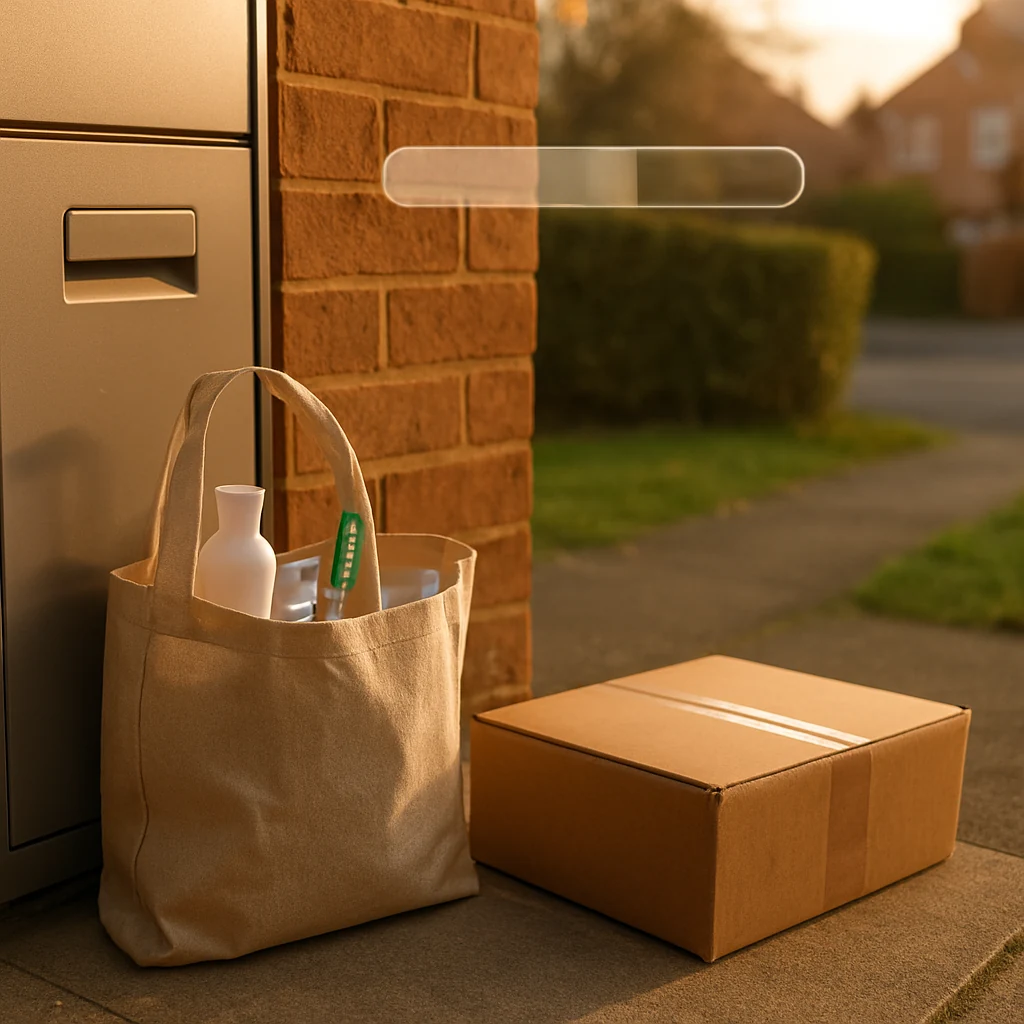
If you’re just under a free-delivery threshold, compare it to adding a low-cost “filler” item you’ll actually use (toiletries, stationery, a spare charging cable) — but only if you’d buy it anyway. Alternatively, check whether click & collect is available via a local option (locker, convenience store, or the retailer’s own network).
Also, don’t assume “signed for” is automatically better. If you know you won’t be in, a locker or collection point can be more reliable and avoid failed delivery attempts.
Mistake 4: Paying in the wrong currency (or accepting a bad conversion)
If you shop with UK retailers you’ll usually see GBP by default. But when you buy from an overseas marketplace or a brand’s EU site, you might be offered a currency conversion at checkout.
What to do instead: slow down when you see a conversion choice.
If a payment page offers you the option to pay in GBP or in another currency, read it carefully. The “pay in GBP” option can include a conversion rate set by the merchant or payment processor. Your card provider may offer a better rate (or it might not — it depends on your card and the retailer).
The key is not to click through on autopilot. Pick one option intentionally, and keep a screenshot of the total shown at checkout for your records.
Mistake 5: Assuming “VAT included” is always clear (especially on marketplace listings)
In the UK, most consumer-facing prices are shown including VAT. But marketplaces can be messy: third-party sellers, imported stock, and business listings can make the pricing and invoicing less straightforward than you’d expect.
What to do instead: look for clarity before you pay.
On the checkout page, check whether the total is described as VAT-inclusive and whether you’ll receive a VAT invoice (useful for self-employed buyers). If anything looks unclear — especially on big-ticket items — click into the seller details and the returns information before final payment.
If you’re buying from a non-UK seller, double-check what the retailer says about import charges. Even when an item looks like a bargain, unexpected fees can turn it into a false economy.

Mistake 6: Saving your card “for convenience” on sites you’ll never use again
Checkout pages are designed to reduce friction. Saving your payment details makes reordering quick, but it also increases your exposure if you don’t trust the site long-term or you’re using a shared device.
What to do instead: be selective about what you save.
For retailers you use often (supermarkets, a favourite beauty shop, a major marketplace), saving details may be a fair trade-off. For one-off purchases — especially seasonal ones like Halloween costumes, Christmas jumpers, or wedding bits and pieces — consider using a payment method that keeps your details more contained.
And if you do save details, set a calendar reminder to review saved payment methods every so often. It’s boring, but it’s one of those small habits that reduces risk without costing you anything.
Mistake 7: Not understanding how returns affect discounts and freebies
This one catches people all the time: you return part of an order and the refund is smaller than expected because your basket no longer qualifies for a promotion.
Examples you’ll recognise:
- “Spend over £X for free delivery” stops applying after a return
- “Buy two, get one free” recalculates when one item goes back
- “Free gift with purchase” may need to be returned too
What to do instead: plan returns around the promotion rules.
Before you place the order, check the retailer’s returns wording for promotions. If you’re buying in multiples (sizes, colours, “try before you keep”), consider ordering in separate transactions so a return doesn’t unravel the savings across the whole basket.
Also, keep packaging and the dispatch note until you’re sure you’re keeping everything. It makes the process smoother and can avoid delays.
Mistake 8: Building a “stack” that the retailer later rejects
Stacking savings can work in the UK — but there’s a line between smart and messy. Combining student/NHS discounts, newsletter sign-up codes, introductory offers, gift cards, and cashback can trigger checks, fail mid-payment, or lead to order cancellations.
What to do instead: keep the stack simple and legitimate.
A sensible order to test (when the retailer allows it) is:
- start with the best guaranteed saving (sale price Ofertas clearance)
- add a voucher code or a targeted discount (student/NHS) if allowed
- pay with a gift card if you already have one (or if it was bought as part of a genuine promotion)
- only then factor in cashback as a “bonus”, not as money already saved
If the checkout starts throwing errors, don’t brute-force it by refreshing, switching codes repeatedly, and opening new tabs. That’s how you end up with tracking issues and duplicate authorisations.
A simple “clean checkout” routine (that doesn’t take ages)
If you want a repeatable approach that works year-round — from January sales to Black Friday to last-minute gifting — build a small routine.
Open one tab with the product page and one with your basket. Decide whether your priority is voucher savings or cashback tracking. Then commit to one path and minimise distractions.
If you want more UK deal tactics that go beyond the last-click checkout, start at the homepage and browse what fits your shopping style: visit the blog.
FAQs
Should I always choose cashback over a voucher code?
Not always. Cashback is great when it tracks properly and pays out, but it’s not the same as an instant discount. If a voucher gives you a guaranteed reduction there and then, that certainty can be worth more than a cashback promise.
Is click & collect usually cheaper in the UK?
Often it can be, but it varies by retailer and season. Around busy periods (like late December), collection slots can be limited. Always compare the total cost and the convenience — a “free” collection that costs you an extra trip isn’t always a win.
Why did my refund change after I returned something?
Because promotions are usually recalculated based on what you kept. If the offer relied on hitting a threshold or buying multiples, the retailer may remove the discount on the remaining items. Checking the promotion’s terms before buying helps avoid surprises.
Do I need to worry about VAT when buying online in the UK?
For most everyday consumer purchases from UK retailers, prices are shown including VAT. It’s worth paying attention on marketplaces and international sites, where the seller type and shipping route can affect how charges are handled.
What’s the safest way to test multiple voucher codes?
Do it without extra tools interfering. Try one code, note the total, remove it, try the next. Avoid having several coupon extensions running at once, and if you’re aiming for cashback, keep your checkout journey as clean as possible.
You may also be interested

The UK Wishlist Method: Plan Your Next Online Deal (No Panic Buying)
A practical UK step-by-step guide to saving online by setting target prices, tracking drops, and buying at the right moment—without falling for “was/now” hype.
Marketplace vs Retailer: How UK Shoppers Pick the Real Deal
A practical UK guide to choosing between marketplaces and direct retailers—price, delivery, returns, warranty and hidden costs—so the ‘deal’ stays a deal.
After You Buy: UK Tricks to Save with Price Drops & Returns
A practical UK guide to saving after checkout: price-drop checks, delivery refunds, returns timing and safe ways to re-order for less.