

Returns-Smart Shopping UK: Save Money Before You Hit “Buy”
A practical UK guide to saving money by avoiding costly returns: delivery choices, sizing, refunds, and how to keep the best price without the hassle.
Buying online in the UK is meant to be convenient. But the money leaks often happen after you’ve found a “deal”: return postage, missed refund windows, paying again when the price drops, or being stuck with store credit you didn’t want.
This guide is about saving money by shopping returns-smart—so you keep the bargain you thought you were getting, with fewer admin headaches.
Why do returns matter for saving money?
Because returns can quietly turn a good price into a bad one.
If you’ve ever ordered two sizes “just in case”, paid £3.99 to send one back, then waited three weeks for the refund, you’ve felt it. The same goes for “free returns” that are only free via a specific drop-off point, or refund methods that default to gift cards.
FAQ: “Isn’t it worth ordering multiple items and returning what I don’t want?” Sometimes, yes—especially for fit-sensitive categories like shoes. But it’s only genuinely cost-effective if you’ve checked the return method, the refund type, and the time it will take to get your money back.
What should I check before buying so I don’t pay to return?
Not the flashy bits on the product page—the boring lines at checkout and in the returns section.
Here’s the short version I actually use when I’m buying something I might send back:
- Is returns postage free, and how (home collection, drop-off, label included)?
- Will the refund go back to the original payment method or store credit?
- What’s the return window, and does it start from order date or delivery date?
- Are there exclusions (e.g., hygiene-sealed items, made-to-order, personalised)?
That’s enough to avoid most return-cost surprises without turning shopping into a full-time job.
FAQ: “What UK wording should I look for?” Look for plain phrases like “free returns”, “returns are at your cost”, “refund to original payment method”, “exchange only”, and “final sale Ofertas outlet items excluded”. If you see something vague, assume it may be restrictive until you read the detail.
Are “free returns” always free in the UK?
Not always.
Some retailers mean “free if you use this method”. For example, they may provide a pre-paid label but only for drop-off at a particular network. Or returns are free, but only if you keep the original packaging in sellable condition (common for electronics and premium items).
Also watch for this quiet switch: free returns on full-price items, paid returns on discounted items. This can catch people during big UK sale moments like Boxing Day, January sales, or the heavy promo weeks around Black Friday and Cyber Monday.
FAQ: “Should I avoid buying sale items because returns can be worse?” Not necessarily. Just treat sale pages as “special conditions likely apply”. If you’re buying something you’re unsure about (size/colour), the lowest price isn’t always the best value if you’ll pay to return.
How do I avoid the “double-spend” while waiting for refunds?
This is a very UK-online-shopping problem: money leaves your account fast, but refunds can take a while to show.
If you’re tight on budget (or just don’t want cashflow stress), your best move is to reduce the chance of returning in the first place:
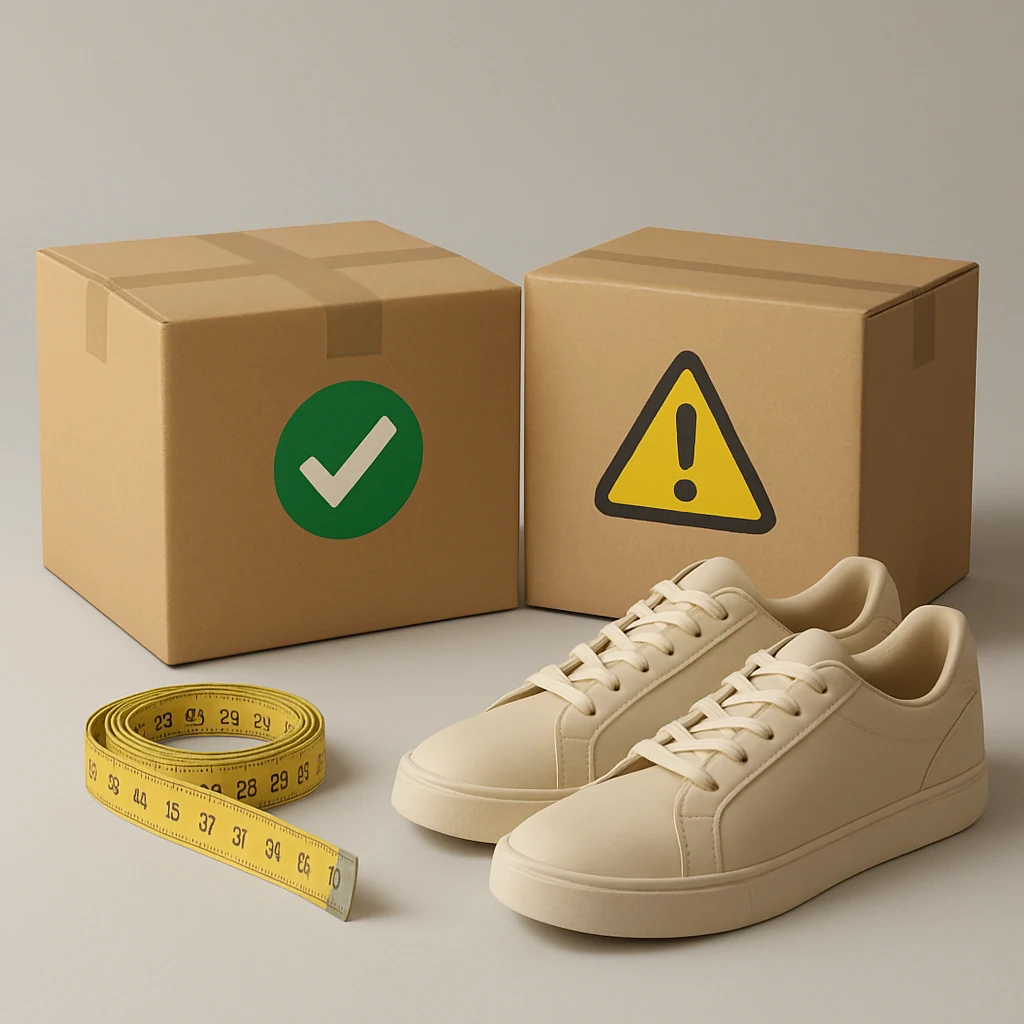
- Use retailer size guides properly (don’t just guess your usual size if reviews say “comes up small”).
- Read photo reviews for fit and colour accuracy.
- If you’re between sizes, check whether the brand uses UK sizing consistently (some ranges vary even within the same retailer).
And when you do need to return, choose the route that tends to process faster: drop-off with tracking beats untracked returns, and “refund on receipt” beats “refund when inspected” (when you have the option).
FAQ: “Is tracking worth it?” If the return isn’t prepaid, paying a little extra for a tracked service can be worth it for higher-value orders—mainly for proof. It can also reduce back-and-forth if something goes missing.
Can I keep my discount if I need an exchange?
Sometimes. Often, it depends on the retailer’s policy and how you do the exchange.
The common money-losing pattern is:
- You buy with a voucher or promo code.
- The item doesn’t fit.
- You return and reorder.
- The code has expired, so the replacement costs more.
The returns-smart workaround is to look for an official exchange flow first (if it exists) rather than returning and placing a brand-new order. If the retailer offers “exchange for size/colour”, that route is more likely to preserve the original price.
FAQ: “Should I contact customer services before returning?” If it’s a sizing exchange and the discount was meaningful, yes. A quick message can save you paying the new price. Keep it simple: order number, item, and what you want to exchange for.
What about Click & Collect—does it help with returns savings?
It can, especially when you’re buying from a retailer with stores or collection points.
Click & Collect can reduce two costs:
- You may avoid paying for delivery if there’s a threshold you wouldn’t naturally hit.
- Returning to a store can be cheaper and simpler than posting back (and can speed up refunds with some retailers).
It’s also useful for “maybe buys” like coats, occasion outfits, or trainers, because you can inspect the item quickly and decide without juggling packaging and labels.
FAQ: “If I collect from a shop, do I lose online return rights?” Policies vary. Some retailers treat Click & Collect as online shopping; others may process it more like an in-store purchase. Before you buy, check how they classify it and what return method they accept.
How do I protect myself from ‘final sale’ and outlet traps?
Outlet and clearance sections are great for bargains, but they’re also where terms can tighten.
Watch for:
- “Final sale” banners
- “No refunds” Ofertas “exchange only” wording
- Shorter return windows
- Missing original packaging conditions
That doesn’t mean “avoid”. It means be more certain before buying. For example, if you’re buying a discounted electrical item, check whether returns are allowed if it’s simply “not suitable” versus “faulty”.
FAQ: “What if an item arrives damaged or faulty?” UK shoppers generally have stronger protection when something is faulty compared with simply changing your mind. Still, the practical move is always the same: report it promptly, take clear photos, and keep packaging until the issue is resolved. If you need independent guidance, Citizens Advice is the usual starting point.
Can I save money by timing returns around sales?
Yes, but not in the way people expect.
Instead of trying to “game” return windows, focus on price protection behaviours:
- If a retailer offers price adjustment or price match, check the rules before you buy (many exclude promo codes or marketplace sellers).
- If they don’t, consider whether it’s worth waiting if a major UK promo period is close (Black Friday/Cyber Monday, Boxing Day, January sales, back-to-school).
The key is to avoid buying early and then needing to rebuy cheaper, because that can mean return costs, refund delays, and the risk the item sells out.
FAQ: “Should I reorder at the lower price and return the first one?” Only if the numbers genuinely work and you’re confident returns are straightforward. Otherwise, asking customer services for a price adjustment can be less hassle—when the retailer allows it.
What’s the easiest way to avoid return costs on everyday buys?
Make “returns friction” part of your decision, not an afterthought.
For everyday purchases—skincare, small home bits, phone accessories, basics—the cheapest item is rarely the one that saves you the most. A slightly higher price from a retailer with clear returns, reliable delivery, and straightforward refunds can be better value than a rock-bottom marketplace listing with messy policies.
If you want a simple baseline before you spend, use a trusted starting point (and build from there). Our latest guides live at /.
FAQ: “Do I need to worry about VAT when comparing prices?” In the UK, consumer prices are typically shown inclusive of VAT. Still, be cautious when buying from unfamiliar sellers or marketplaces—check what’s included, and keep your order confirmation in case anything is unclear.
The 2-minute returns-smart routine (do this today)
Pick one retailer you buy from often. Open their returns page and answer just three questions: Is it free? How do I send it back? Do I get a refund to my card?
Once you know that, you’ll stop “saving” £5 on a deal that costs you £4 in returns—and you’ll buy with a lot more confidence.
You may also be interested

The UK Wishlist Method: Plan Your Next Online Deal (No Panic Buying)
A practical UK step-by-step guide to saving online by setting target prices, tracking drops, and buying at the right moment—without falling for “was/now” hype.
Marketplace vs Retailer: How UK Shoppers Pick the Real Deal
A practical UK guide to choosing between marketplaces and direct retailers—price, delivery, returns, warranty and hidden costs—so the ‘deal’ stays a deal.
After You Buy: UK Tricks to Save with Price Drops & Returns
A practical UK guide to saving after checkout: price-drop checks, delivery refunds, returns timing and safe ways to re-order for less.