

Real UK Online Savings: When “Cheaper” Costs More to Return
Learn to price in returns, warranties and payment protection so your UK online bargains stay genuine—especially around sales and gifting.
A bargain isn’t a bargain if it’s a pain (or a cost) to send back. In the UK, the real price of an online deal is often “item + delivery + returns risk”. If you’ve ever kept something you didn’t want because returning it felt like hassle, you’ve paid the “returns tax”.
This guide is about making trade-offs on purpose: when to pay a touch more for an easy return, when a cheaper marketplace listing is still fine, and when it’s smarter to walk away.

Case 1: The £8 “cheaper” trainers that end up costing more
You’re buying trainers online and you find two options:
Seller A is a few quid cheaper, but it’s a third-party marketplace seller with vague returns wording. Seller B (the brand or a well-known UK retailer) costs slightly more, yet offers straightforward returns.
Here’s the decision that actually matters: are you certain on size and fit?
If you’re even slightly unsure (new model, new brand, between sizes), the cheaper option is often the expensive one because the return friction pushes you to keep them. In practice, shoppers end up:
- wearing them once “to test”, then feeling they can’t return
- missing the returns window because the label-printing process is awkward
- paying return postage (or being told to arrange your own courier)
A simple way to compare: treat each option as a “total cost if it doesn’t work out”. If Seller A expects you to pay return postage, that difference can wipe out the initial saving quickly.
Trade-off to choose deliberately: If it’s a high-likelihood return (clothes, shoes, anything size-sensitive), prioritise clear UK returns processes over the lowest headline price.
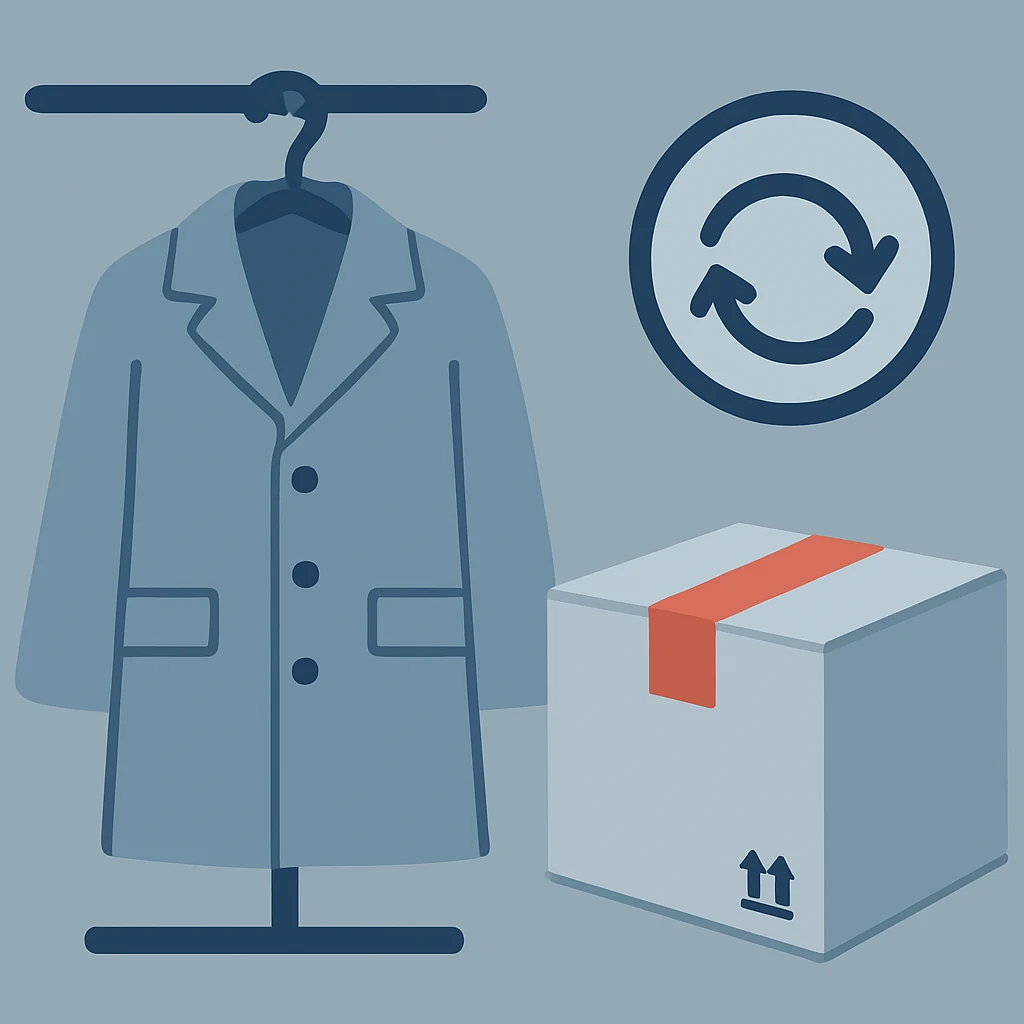
Case 2: The “free delivery” coat with a paid return
This one catches people around autumn/winter and again in the run-up to Christmas.
A retailer offers free delivery, but returns must be posted back at your cost. Another retailer charges for delivery, but returns are free and easy.
Both can be good value, depending on your confidence. If you’re buying a coat in an unfamiliar cut, the returns policy becomes part of the price. You don’t need to guess: just assume there’s a reasonable chance you’ll send it back if sizing is unpredictable.
Also watch the timing. During busy periods (Black Friday, Cyber Monday, Boxing Day, January sales), warehouses and couriers get stretched. A return that’s “simple” in March can be far more annoying in late November, and any delay can bump you right up against the retailer’s return window.
Practical UK tip: if click & collect is available, it can reduce the risk. You’re not always “trying on in store”, but collecting locally can make returns easier if the retailer accepts in-store drop-offs.
Case 3: The discounted gadget: cheaper seller vs better protection
Electronics deals look straightforward because sizing isn’t the issue — but returns and faults can be.
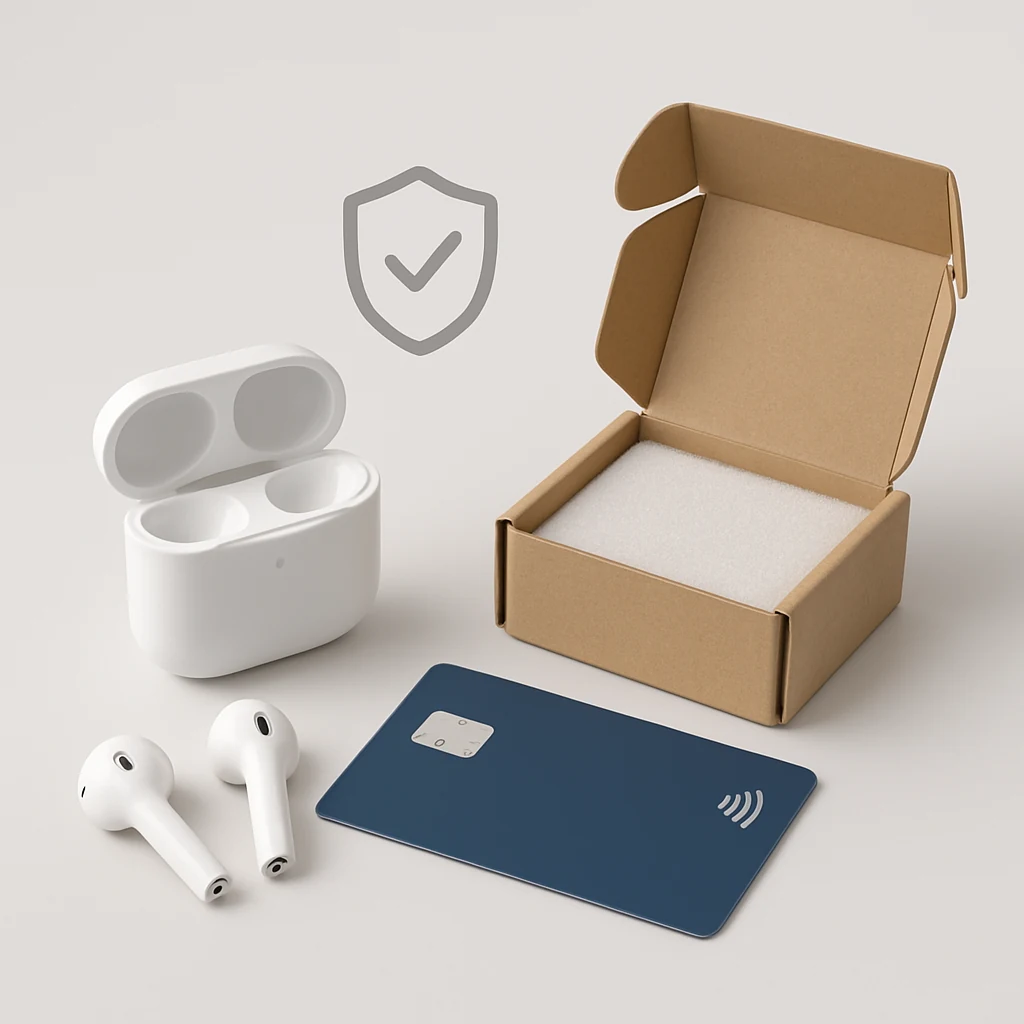
Imagine a discounted pair of earbuds or a small kitchen appliance. You spot a lower price from a marketplace seller, versus a slightly higher price from a retailer with a clear UK returns route.
The key trade-off here isn’t “will I like it?” but “what happens if it’s faulty or missing parts?”
A few things to consider in the UK context:
- Who are you actually buying from? On marketplaces, the platform and the seller aren’t always the same entity. Returns, replacement and fault handling can vary.
- Warranty handling can be different. Some sellers will ask you to deal directly with the manufacturer. That’s not automatically bad — it’s just slower and more work.
- Payment method matters. Paying by credit card can give you extra protection on eligible purchases; debit cards may still offer chargeback routes, but the process differs by bank.
None of this means “never buy from a marketplace seller”. It means: if the saving is tiny, you’re taking on a lot of hassle risk for very little benefit.
Rule of thumb (without pretending it’s a hard rule): the smaller the saving, the more you should value the smoother returns and fault process.
Case 4: Furniture and “large item” returns — where deals go to die
Big-ticket, bulky items (flatpack furniture, mattresses, desks) are where online savings can evaporate.
You’ll often see a great price, then the reality shows up in the small print: the return involves collection fees, strict packaging requirements, or long lead times.
Here, the trade-off is between price and flexibility. If you’re 100% sure on measurements, access, and colour, a cheaper option can be fine. If you’re not, paying more for a retailer with simple collection returns can be the real saving.
Before buying, take 60 seconds to check three things:
- whether returns are collected or you must arrange shipping
- whether the item must be re-packed exactly (and what happens if you’ve binned the packaging)
- whether delivery is room-of-choice or doorstep only (because “cheap” can become “pay someone to help me move it”)
You’re not hunting for loopholes — you’re pricing in the realistic cost of changing your mind.
The “returns window” trap (and why sale seasons make it worse)
UK shoppers often assume they’ll have plenty of time to return. But windows vary, and sale periods can change how strict retailers are about timelines and item condition.
This matters most around:
- Black Friday/Cyber Monday: lots of impulse buying, lots of deliveries arriving at different times
- Christmas gifting: items bought early but opened late
- January sales: people return gifts and buy replacements fast
If you’re buying gifts early, look for retailers that explicitly extend returns for Christmas purchases (many do, but policies vary). If you can’t confirm it, don’t base your plan on it.
And remember the difference between “I posted it” and “they received it”. Retailers often use one or the other as the cutoff.
A simple way to compare two deals: the “keep vs send back” cost
When two prices are close, don’t overthink it. Use this quick mental model:
-
What will it cost if I keep it? (item + delivery)
-
What will it cost if I send it back? (return postage/collection + time/hassle + risk of missing the window)
The second number is the one most people ignore — and it’s where the saving usually lives.
If the “send back” cost is high, you’re more likely to keep an item you don’t want. That’s not just annoying; it’s real money lost.
VAT, overseas sellers and surprise costs
Most UK shoppers are used to seeing VAT included in the price on UK sites. Where people get stung is cross-border buying, grey imports, or sellers shipping from abroad.
If the listing isn’t clear about what’s included, you can end up with extra charges, longer delivery times, and complicated returns logistics.
This doesn’t mean “never buy from overseas”. It means: if you’re choosing between a UK-based retailer and a cheaper international option, factor in the admin and delay if anything goes wrong.
Where to build this into your routine (without slowing your shopping down)
You don’t need a spreadsheet. You just need a habit at the point where it matters: before you click “buy”.
If you’re already using deal guides and comparisons (and if not, start from the basics on our homepage at Ofertas), add one extra step: scan the returns section the same way you scan delivery costs.
You’ll get faster with practice. After a few purchases, you’ll know which retailers make returns painless and which ones quietly make it hard.

FAQs
Do UK online orders always have a right to return?
Often you have cancellation rights when buying at a distance, but there are exceptions and conditions (for example, certain personalised or hygiene-sealed items). Retailer policies and the type of product matter, so check the seller’s returns page before ordering.
Is “free returns” always free?
Not necessarily. Sometimes it’s free only via specific methods (label printed at home, specific drop-off points, or only for certain items). Also, “free returns” doesn’t always mean “free collection” for bulky goods.
Should I avoid marketplace sellers altogether?
No. Marketplace sellers can be good value, especially for items you’re confident you’ll keep. Just treat the saving as compensation for extra risk and potentially slower resolution if something is wrong.
What’s the safest way to pay for better protection?
Payment protection depends on the method, the purchase, and your card provider. As a general approach, paying by credit card can offer stronger routes on eligible purchases, but always check your provider’s terms.
What if I need an item for a specific date (a wedding, holiday, school start)?
That’s exactly when returns risk is highest. In those situations, prioritise reliable delivery and straightforward returns over the cheapest price, because time is part of the cost.
One actionable move for your next order
Before you place your next “great deal” order, open the returns page in a new tab and look for just one sentence: who pays for the return, and how do you do it? If it’s unclear, consider that a cost — and only buy if the saving is worth the hassle.
You may also be interested

Christmas Deals: Check the Returns Before You Buy Early
Buying Christmas gifts in the sales? Check returns deadlines, fees and refund terms before an early deal becomes an expensive mistake.

Set Your Buy Price: A Smarter Way to Shop Black Friday
Use price history and targeted alerts to set a sensible buy price before Black Friday, spot genuine UK deals and avoid chasing misleading discounts.

Black Friday Lookalike Deals: Check the Model Before You Buy
Similar name, different product? Learn how to compare model numbers, specifications and bundles before buying a Black Friday deal in the UK.