

Marketplace vs Retailer: How UK Shoppers Pick the Real Deal
A practical UK guide to choosing between marketplaces and direct retailers—price, delivery, returns, warranty and hidden costs—so the ‘deal’ stays a deal.
A lower price isn’t always a better deal. In the UK, the smartest online savings often come from choosing where to buy just as much as hunting for vouchers. Marketplaces can be brilliant for convenience and quick delivery, but direct retailers (or the brand’s own site) can win on returns, warranty clarity, and fewer nasty surprises.
Below are a few real-world buying situations with the trade-offs spelled out, so you can pick the option that stays cheapest after delivery, returns, and customer service are factored in.
The core question: “Who is actually selling this to me?”
On a marketplace listing, the headline price can hide a crucial detail: are you buying from the platform itself, from a third-party seller, or from an overseas business using the marketplace as a shopfront?
Why it matters in the UK:
- Returns and refunds can be straightforward or a faff depending on who you’re dealing with.
- Delivery times can look quick until you notice it’s dispatched from abroad.
- Warranty and support can be crystal clear with a UK retailer, and murkier with an unknown seller.
- VAT and duties should be clear at checkout for UK purchases, but it’s worth checking what’s included if the seller is overseas.
This isn’t about avoiding marketplaces altogether. It’s about knowing when the marketplace is the best deal and when the retailer is the safer, cheaper choice in practice.
Case 1: The “same product, different seller” trap
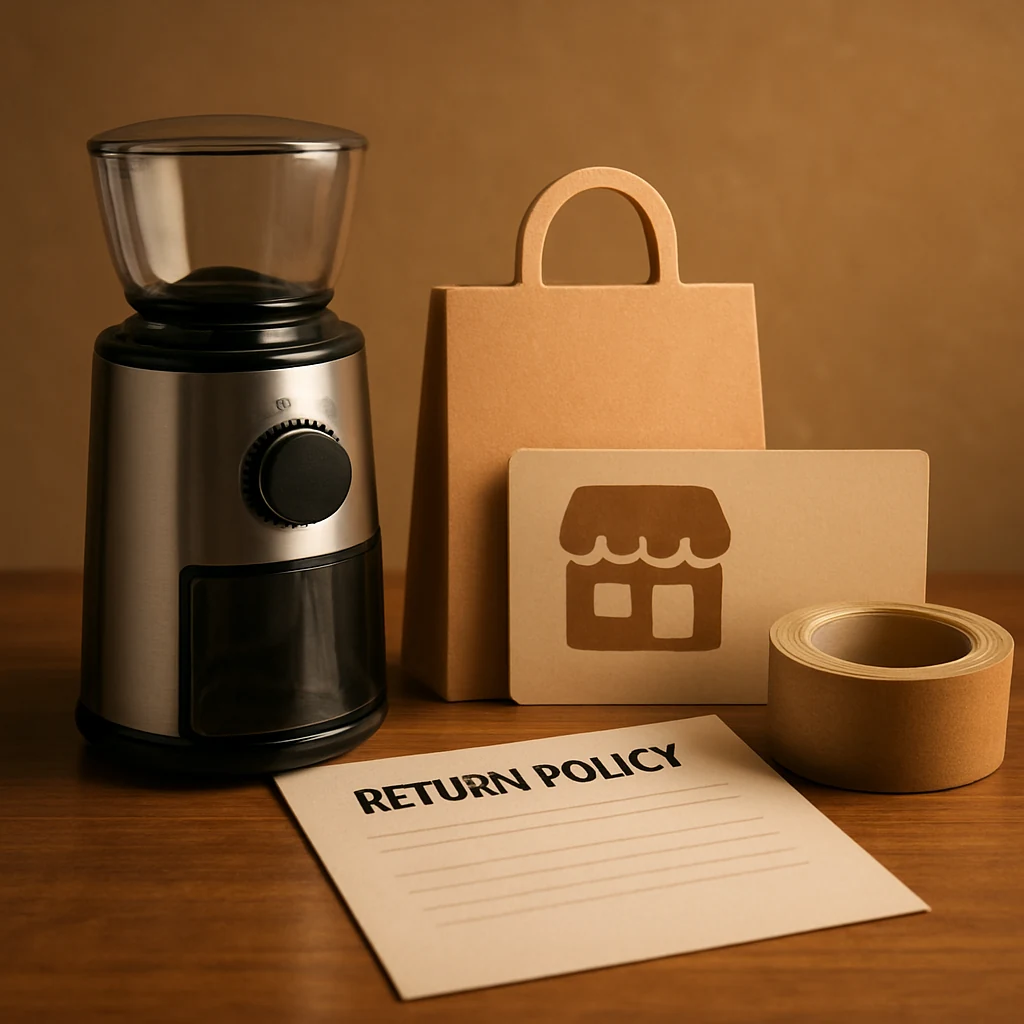
You’re buying a small appliance (say, a coffee grinder) and you see three options:
- A marketplace listing that’s a few quid cheaper
- A well-known UK retailer that’s slightly more
- The brand’s own website, priced in the middle but with a “welcome” code
Here’s how the decision usually plays out.
Marketplace option: Often the best for speed. If it’s sold by the platform (not just listed there), you tend to get smoother refunds and predictable delivery. If it’s a third-party seller, read the small print: return windows, whether you pay return postage, and whether the seller wants you to contact them first (which can slow things down).
UK retailer option: This is where you often buy peace of mind. Returns are typically easier to understand, and if something arrives damaged you’re not stuck in a back-and-forth between seller and platform. You might also get clearer warranty support and better aftercare.
Brand website option: Sometimes the sneaky best value. You might get perks that don’t show in the ticket price: spare parts availability, direct support, and occasionally longer warranty registration. The catch is delivery can be slower, and returns may be more formal (original packaging, stricter conditions).
The key trade-off: if there’s any chance you’ll return it (wrong size, not as expected, noisy, flimsy), the slightly higher UK retailer price can work out cheaper than paying return postage or arguing over “unused condition”.
Case 2: Clothing online — when “free returns” beats a cheaper price
Clothing is where UK shoppers quietly lose money, especially around seasonal peaks (back-to-school, party season, and the run-up to Christmas) when you’re buying quickly and returning more.
Imagine you’re choosing between:
- A fashion retailer with free returns via a labelled drop-off (often with options like Royal Mail, Evri or in-store)
- A marketplace seller who’s cheaper, but returns require you to pay postage and sort your own label
If you’re confident on sizing and you know the exact item (you’ve tried it before), the cheaper option might be fine. But for anything you’re “trying out” at home, free returns are worth real money.
In the UK, the friction is what costs you:
- Paying return postage
- Losing time queuing or hunting for a drop-off point
- Missing the return window because you need to contact the seller first
A practical way to decide is to be honest about your likelihood of sending it back. If there’s even a moderate chance, a retailer with predictable returns usually wins.
Case 3: Tech and small gadgets — avoiding the “grey import” headache
Around big sale moments (Black Friday, Cyber Monday, Boxing Day and January sales), marketplaces fill up with tempting tech prices. Some of those deals are genuine. Others are where you’ll see issues like:
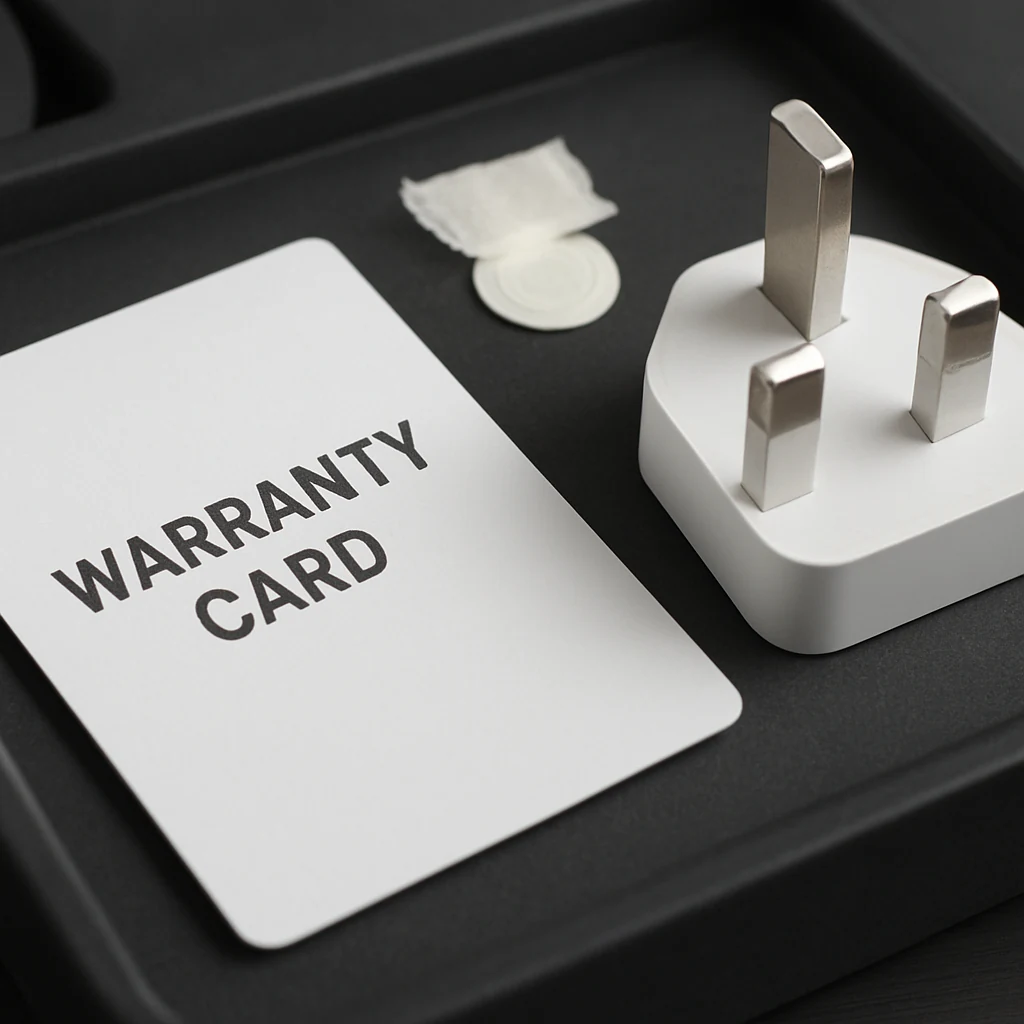
- Different regional models (chargers, plugs, or documentation)
- Warranty support that’s awkward in the UK
- Missing accessories
For tech, the seller identity matters more than almost anything else. If it’s a high-value item, buying from a reputable UK retailer can make problems far easier to fix.
Also remember payment protection. In the UK, purchases on a credit card may be covered under Section 75 when the cash price is between £100 and £30,000, as long as you’re buying directly from the supplier (it can get complicated with intermediaries). That’s another reason the “who is the merchant?” question isn’t just admin—it’s risk.
If you do choose a marketplace deal, look for listings where the platform handles fulfilment and the returns process is clearly UK-based. That tends to reduce the “runaround” factor if something goes wrong.
The real total cost: what to check before you click “Pay”
Most “not actually a deal” purchases fail on one of these points. This is the only mini-checklist you need; it’s quick, but it catches the expensive stuff:
- Delivery cost and speed: Is it truly next-day/standard UK delivery, or “estimated” from overseas?
- Returns friction: Free returns label, or do you pay postage and print your own?
- Who handles the refund: Platform-managed, or you must negotiate with the seller?
- Warranty route: UK retailer/brand support, or unclear coverage?
- VAT clarity: Is VAT included in the price shown at checkout?
If two options are close in price, choose the one that makes returns and warranty simple. That’s usually the one that protects your wallet best.
A quick UK-specific move: use delivery passes and memberships selectively
Delivery subscriptions can be great, but they only save money when they match your buying pattern.
If you tend to do lots of small orders (toiletries, pet supplies, household bits), a delivery pass can remove the “I’ll add more to qualify for free delivery” trap—where you end up spending more just to save on postage.
If you mostly buy big-ticket items a few times a year, you might be better off:
- waiting until you have a full basket at one retailer
- using a standard free delivery threshold once or twice
- avoiding subscriptions that renew quietly
The trade-off is convenience versus commitment. A pass is only a deal if it stops you paying delivery fees without nudging you into buying more often.
Tips rápidos (the kind you’ll actually use)
If you’re comparing the same product across a marketplace and a retailer, take 60 seconds to open the returns page in a new tab. If the policy feels confusing, that’s your sign.
When the price difference is small, prioritise the seller with the clearest UK returns process. Saving £3 isn’t a win if you end up paying return postage and spending a Saturday chasing a refund.
For gifts near Christmas, buy from wherever you’re most confident about delivery reliability and extended returns. The cheapest listing is pointless if it arrives late or the return window is tight.
If you’re hunting deals regularly, keep an eye on the main site at / so you’re comparing like-for-like offers rather than getting pulled into one platform’s algorithm.
FAQs (UK shoppers ask these all the time)
Is “fulfilled by” the same as “sold by” on a marketplace?
Not necessarily. “Fulfilled by” usually means the platform is handling storage and delivery, which can improve delivery speed and sometimes the returns process. But “sold by” tells you who you’re contracting with. For warranty and disputes, that distinction can matter.
Can I return a marketplace purchase to a high-street store?
Usually not. Store returns tend to apply to items bought directly from that retailer (online or in-store). A marketplace third-party order is typically a separate transaction, even if the product looks identical.
What does “VAT included” mean for UK buyers?
It means the tax is already included in the price you pay. It’s still worth checking at checkout that the final total matches what you expect, especially if the seller is based outside the UK.
If a seller disappears, what happens to my refund?
This depends on the platform and payment method. Many marketplaces have buyer protection processes, but they vary. If it’s a high-value purchase, paying by credit card can add an extra layer of protection (and it’s worth reading your card issuer’s guidance on disputes and Section 75).
Should I always buy direct from the brand for the best warranty?
Not always. Some brands are excellent direct; others route you back to the retailer anyway. The best approach is to check who handles faults and returns in the first 30 days, and how warranty claims are managed after that. If it’s unclear, a reputable UK retailer can be the safer choice.
The takeaway
If you want consistent savings in UK online shopping, stop treating “cheapest” as the only metric. Compare the whole package: delivery reliability, returns effort, who you’re legally buying from, and how easy it will be to fix problems.
Do that, and you’ll find that the real “deal” is often the one that costs slightly more upfront—but costs you far less in time, hassle, and surprise fees later.
You may also be interested

The UK Wishlist Method: Plan Your Next Online Deal (No Panic Buying)
A practical UK step-by-step guide to saving online by setting target prices, tracking drops, and buying at the right moment—without falling for “was/now” hype.
After You Buy: UK Tricks to Save with Price Drops & Returns
A practical UK guide to saving after checkout: price-drop checks, delivery refunds, returns timing and safe ways to re-order for less.

The UK Savings Stack: How to Combine Online Discounts Properly
A practical UK guide to stacking vouchers, cashback, gift cards and delivery perks—without invalidating your discount or risking returns.