


Marketplace “Deals” in the UK: 9 Costly Mistakes to Avoid
Buying a “bargain” on UK marketplaces? Avoid VAT surprises, slow delivery, weak warranties and return hassles with these practical checks.
A marketplace “deal” can be brilliant — until it isn’t. The price looks spot-on, the listing is polished, and the checkout feels familiar. Then delivery drags on, returns get complicated, or you discover the seller isn’t UK-based.
This guide is about the mistakes that turn marketplace bargains into expensive headaches, and the quick checks that keep your savings real. If you want more everyday deal tactics, you can also browse our latest guides at Ofertas.
Mistake 1: Assuming the marketplace is the retailer
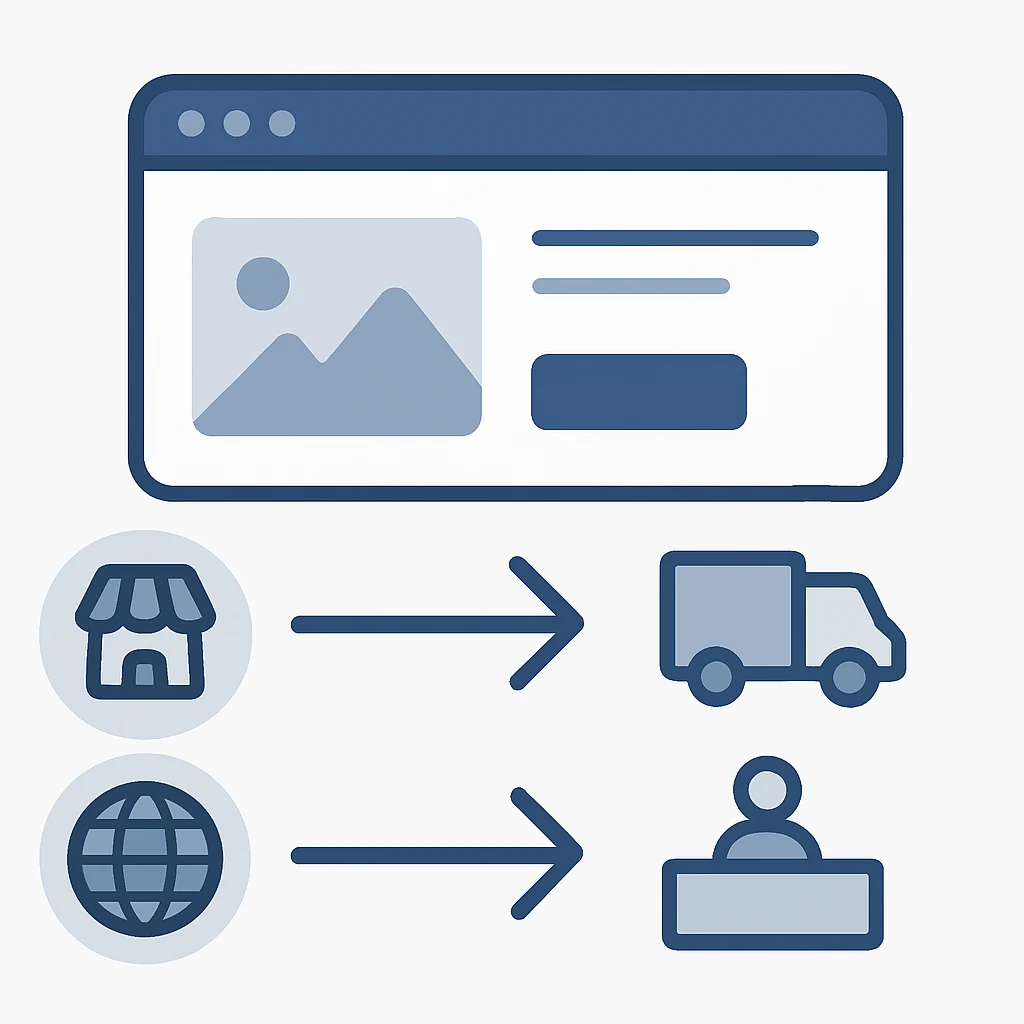
Many big shopping sites now mix two things on the same product page:
- items sold by the platform itself (or a well-known UK retailer)
- items sold by third-party sellers using the platform as a marketplace
If you treat both as identical, you risk being surprised by who you’re actually buying from — and that affects delivery times, returns, and after-sales support.
How to avoid it: slow down at the “Sold by” and “Dispatched/fulfilled by” lines. If it’s not the platform/retailer you expected, treat it like you would any independent online seller: check reviews, policies, and location.
Mistake 2: Not checking where the item ships from (and what that means)
A price in GBP and a UK-looking listing doesn’t guarantee UK dispatch. Some sellers ship from overseas (or route stock through multiple locations). That can mean longer delivery windows and a different returns process.
This matters most when you’re buying time-sensitive items — gifts in December, back-to-school bits in late summer, or anything you need before a bank holiday weekend.
How to avoid it: look for the dispatch country, estimated delivery date, and any notes about import handling. If the listing is vague, assume delays are possible and only proceed if you can wait.
Mistake 3: Comparing prices without matching the exact model and spec
Marketplace listings are famous for “near enough” products: the same-looking item with a different model number, storage size, plug type, warranty variant, or bundle contents.
That’s how a bargain happens — and also how a “bargain” happens to be cheaper because it’s not the same product.
How to avoid it: when you use a comparison site or scan multiple sellers, compare on identifiers, not photos. Model numbers, exact sizes, and included accessories are what you’re paying for.
Mistake 4: Falling for multi-buy bundles that quietly inflate the total
Bundles and “2 for…” deals can be good value, but marketplaces also encourage sellers to bundle slow-moving extras. You end up paying more overall for things you didn’t need.
This crops up a lot with:
- cables and chargers bundled with electronics
- “starter packs” for grooming and beauty
- printer ink bundles and subscriptions
How to avoid it: price-check the core item on its own, then decide whether the add-ons would be bought anyway. If not, the bundle isn’t saving you money — it’s just increasing basket value.

Mistake 5: Ignoring the real cost of delivery, not just the headline price
A marketplace bargain with £0.00 off the ticket price can still be a deal if delivery is fast and included. But you’ll also see the opposite: a low product price with a delivery fee that wipes out the saving.
How to avoid it: compare the delivered total (item + delivery) across sellers. And if you’re tempted to add unrelated items to reach a free-delivery threshold, stop and ask: would I buy these at full price on an ordinary day?
Mistake 6: Assuming VAT is always straightforward
In the UK, VAT should be clear at checkout for most consumer purchases, but marketplace setups can be messy: different sellers, different invoicing, and different documentation.
If you need a VAT invoice for records (for example, self-employed purchases) or simply want clean paperwork, a marketplace listing can be less predictable than buying direct from a UK retailer.
How to avoid it: look for the invoice details and seller information before buying. If VAT documentation matters, consider buying from a well-known UK retailer’s own site, even if the marketplace price is a little lower.
Mistake 7: Treating seller ratings as the whole story
A seller can have decent feedback and still be a poor fit for your purchase. Ratings rarely tell you the bits that cost money:
- how they handle returns
- whether they argue about “opened packaging”
- how they deal with faulty items after a few weeks
How to avoid it: scan recent reviews for patterns (delivery delays, “not as described”, warranty problems). If the platform shows return terms per seller, read them — especially for higher-value items.
Mistake 8: Not thinking about warranty and consumer rights before you need them
Buying via a marketplace can blur responsibility. Your statutory rights in the UK are important, but the practical experience depends on who you’re dealing with and where they’re based.
Also, manufacturers’ warranties can be fussier with:
- grey imports
- products intended for another region
- missing UK documentation
How to avoid it: if it’s anything you’d hate to replace out of pocket — phones, tablets, headphones, kitchen appliances, power tools — prioritise a seller/retailer with clear UK support. Paying a little more for smoother after-sales can be the cheapest option long-term.

Mistake 9: Paying the “wrong” way for the type of risk
A marketplace deal is not the moment to experiment with payment methods you don’t trust. The cheaper the seller looks, the more you should care about having straightforward dispute options.
How to avoid it: use a payment method that gives you confidence if something arrives late, damaged, or not as described. If a seller pushes you off-platform or asks for unusual payment steps, walk away.
A tiny pre-check that prevents most “deal disasters”
Before you click “Buy”, take 20 seconds and run these checks. It’s boring — and it works.
- Confirm Sold by (and whether it’s the platform, a known UK retailer, or a third-party seller).
- Check dispatch location and the delivery date range.
- Compare model/spec (not photos) with other listings.
- Read the returns summary (who pays return postage, any time limits).
That’s it. Do this consistently and you’ll dodge most of the expensive surprises.

Practical recommendation (do this today)
Pick one marketplace you use often and update your default habit: never judge a deal until you’ve checked who the seller is and where it dispatches from. If you only adopt one rule, make it that one — it’s the quickest way to keep savings real in the UK.
FAQs
Are marketplace items covered by UK returns rules?
It depends on who you’re buying from and how the sale is structured. UK consumer rules can apply, but the process (and how easy it is in practice) varies a lot between sellers. Always read the listing’s returns section before paying.
What does “fulfilled by” or “dispatched by” actually change?
It usually affects delivery speed and logistics, and sometimes the returns process. It doesn’t automatically mean you’re buying from the platform itself — you can still be buying from a third-party seller.
Why do I see the same product at wildly different prices on the same marketplace?
Common reasons include different model variants, different dispatch locations, bundle contents, or sellers pricing aggressively to win visibility. Treat big price gaps as a cue to double-check spec, warranty, and returns.
Is it safer to buy direct from a UK retailer rather than via a marketplace?
Often, yes — especially for expensive items or anything you might need to return. Marketplaces can be great for everyday low-risk buys, but for higher-stakes purchases, clearer after-sales support can beat a slightly lower price.
You may also be interested

Christmas Deals: Check the Returns Before You Buy Early
Buying Christmas gifts in the sales? Check returns deadlines, fees and refund terms before an early deal becomes an expensive mistake.

Set Your Buy Price: A Smarter Way to Shop Black Friday
Use price history and targeted alerts to set a sensible buy price before Black Friday, spot genuine UK deals and avoid chasing misleading discounts.

Black Friday Lookalike Deals: Check the Model Before You Buy
Similar name, different product? Learn how to compare model numbers, specifications and bundles before buying a Black Friday deal in the UK.