

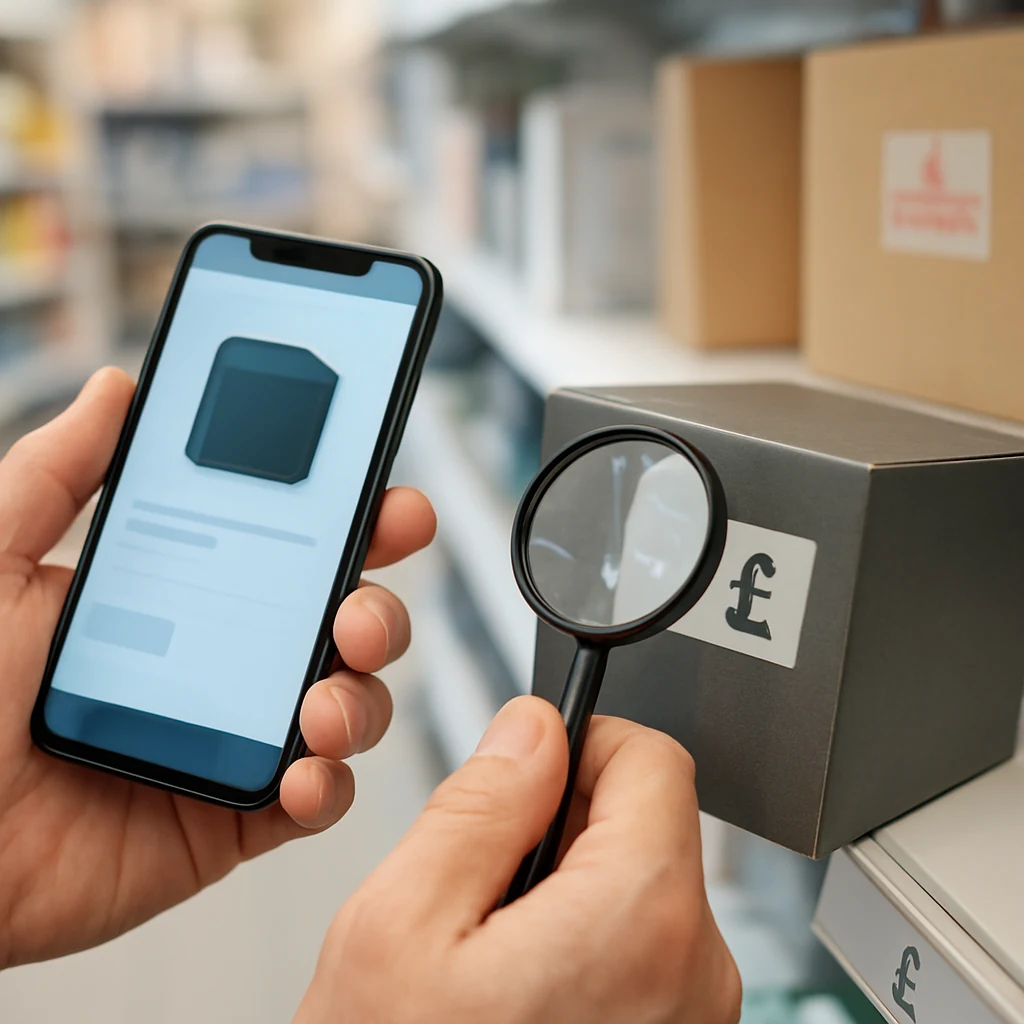
How to Spot a Real Online Deal in the UK (and Avoid Fake Discounts)
Practical UK guide to checking if a discount is genuine: price history, product versions, delivery costs, VAT, and safer ways to buy online.
“Up to 60% off” sounds brilliant until you realise the price was nudged up a week ago, the model is different, or delivery wipes out the saving. If you shop online in the UK, the biggest wins often come from not clicking the first “Deal” banner you see.
This guide is built around the most common mistakes that make a discount look better than it is — and the quick checks that help you buy with confidence (especially around Bank Holiday promos, back-to-school, Black Friday/Cyber Monday and Boxing Day sales).
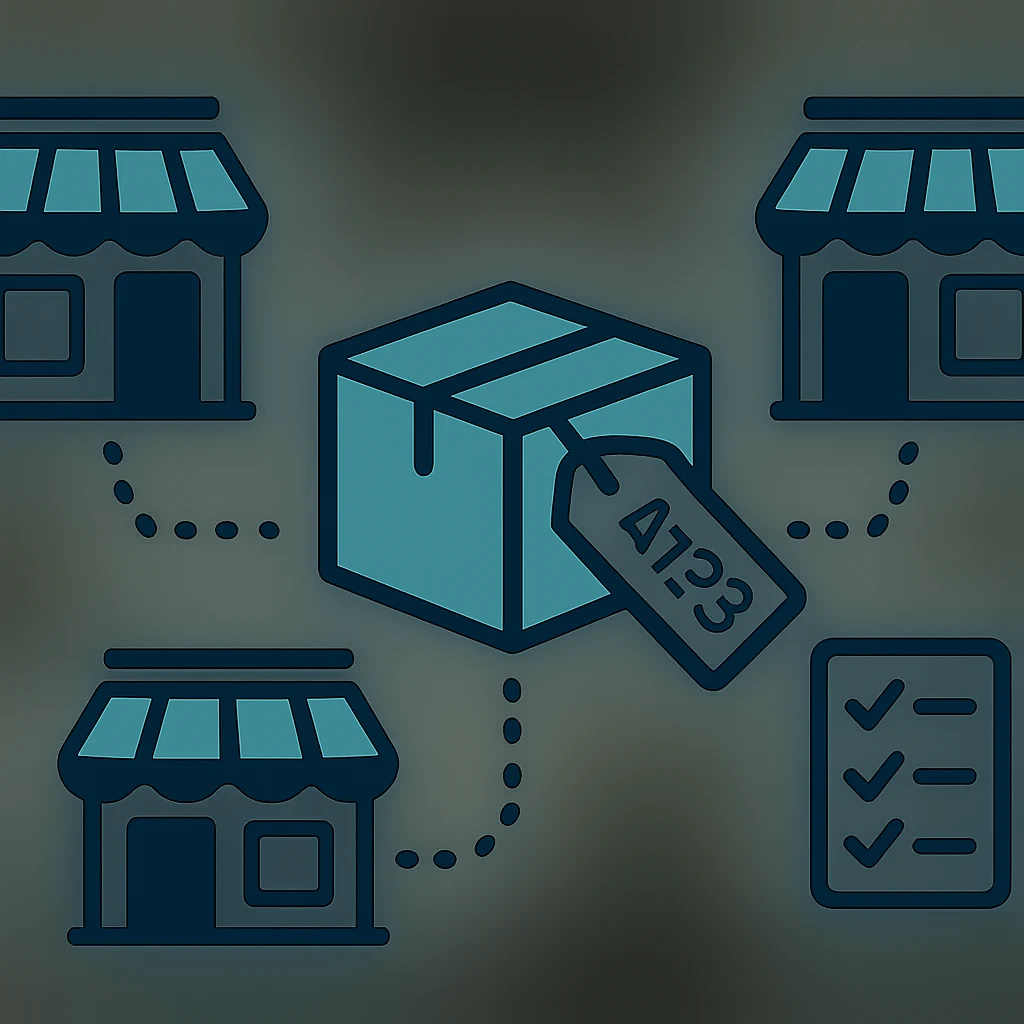
Mistake 1: Trusting the “was/now” price without context
A “was £X, now £Y” badge isn’t proof of a bargain. Retailers can reference their own previous price, not necessarily what the item normally sells for across the market. And marketplace sellers can price the same product wildly differently depending on stock and demand.
How to avoid it (in under 60 seconds): Check at least two other UK retailers for the same item before you get emotionally attached to the “saving”. You’re not trying to find the absolute cheapest every time — you’re sanity-checking whether the ‘now’ price is actually competitive.
If you’re shopping on a marketplace (Amazon, eBay, OnBuy), also look at who the seller is, not just the platform name. A low price from a third-party seller can come with slower delivery, higher return friction, or a different warranty situation.
Mistake 2: Comparing the wrong product (or the wrong version)
This is one of the easiest ways to be tricked by a “deal”. The listing looks identical… but the model number, storage size, bundle contents, or generation is slightly different.
You’ll see this a lot with:
- headphones (different year/edition)
- TVs (near-identical model codes)
- electric toothbrushes (bundles with fewer brush heads)
- laptops (same name, different RAM/storage)
How to avoid it: Open the product details and hunt for the identifiers that matter — model number, exact capacity, included accessories, and whether it’s the UK version. If you’re price-comparing, compare like for like, not “close enough”.
A small detail can be the difference between a genuine deal and a cheaper cut-down bundle that’s been dressed up as a discount.

Mistake 3: Ignoring the total cost (delivery, add-ons and “small print”)
A price that looks great on the product page can fall apart at checkout.
The classic culprits in the UK are:
- delivery fees (especially on bulky items)
- minimum spend thresholds to unlock free delivery
- paid returns or short return windows
- compulsory add-ons that appear later (warranties, extras, subscriptions)
How to avoid it: Before you decide it’s a bargain, do a quick “total cost” check: item price + delivery + any unavoidable fees. Also take 10 seconds to confirm the returns policy, particularly if you’re buying clothing, shoes, or anything you might want to send back.
Most UK consumers are used to smooth returns with big retailers, but policies vary a lot with smaller shops and marketplace sellers. A “cheap” item that costs you to return isn’t always cheap.
Mistake 4: Falling for urgency that isn’t real
Countdown timers, “Only 2 left”, “Ends tonight” — these tactics are everywhere, and they work because they push you into buying before you check.
Sometimes the urgency is legitimate (limited stock is a real thing). But often, the same type of promotion reappears next week with a new timer.
How to avoid it: Give yourself a cooling-off rule: if you haven’t checked the total cost and compared at least one alternative, you don’t buy yet. If the “deal” disappears in the meantime, you’ve probably dodged an impulse purchase rather than missed the bargain of the year.
This is especially useful in the run-up to major sale moments like Black Friday and Cyber Monday, when “early deals” can be less competitive than the main event — or bettered quickly by another retailer.
Mistake 5: Not using price alerts (then buying on a random day)
One of the most reliable ways to save online is simple: stop guessing. If you buy whenever you happen to look, you’re at the mercy of that day’s pricing.
How to avoid it: Use price alerts and price history tools for anything you don’t need immediately. Even a few days of tracking can show you whether a “discount” is normal, rare, or suspicious.
If you shop a lot across multiple retailers, it helps to keep a small wish list (even a note on your phone) with:
- the exact item name/model
- the price you’d be happy paying
- where you’ve seen it cheapest so far
That way, when a proper offer pops up, you recognise it quickly — without getting swept away by marketing.

Mistake 6: Forgetting that “cheap” can be expensive (refurbished, returns and warranties)
Sometimes the best deal isn’t the lowest price — it’s the lowest risk.
Refurbished, “open box”, and graded items can be excellent value, but only if you understand what you’re buying. In the UK, you’ll see these through manufacturer outlets, major retailers’ clearance sections, or marketplace sellers.
How to avoid it: Check three things before you click buy:
- what condition grade actually means (and whether accessories are included)
- what warranty you get (and who provides it)
- what the returns process looks like in practice
If the listing is vague, treat that as a signal. A good refurb deal will usually be clear about condition, warranty and returns.
Mistake 7: Getting distracted by the discount instead of the unit value
A big percentage off can hide a poor-value pack size.
This catches people out with everyday buys: washing pods, coffee, pet food, toiletries, vitamins. The “deal” might be a larger box with a higher overall price, even if the unit price isn’t actually better.
How to avoid it: Look for unit pricing (price per 100g/ml, per item, per wash, etc.). Many UK retailers show it, but it’s easy to overlook when the sale badge is shouting at you.
If you’re comparing multipacks, also ask yourself one honest question: Will I actually use all of this before it goes off or before I change brands? Stocking up only saves money if it prevents future spending, not if it creates clutter and waste.

Mistake 8: Missing retailer-specific perks that change the real price
Two listings can look identical, but the “real” value depends on what comes with the purchase.
Examples that often matter in the UK:
- longer returns windows (useful for gifting and seasonal buys)
- click & collect vs paid delivery
- price match policies (where offered)
- loyalty pricing or member-only offers (sometimes good, sometimes a trap)
How to avoid it: Before checkout, do a quick comparison on the bits that affect you, not just the headline price. If you’ll need flexible returns, faster delivery, or a reliable warranty route, paying a little more can still be the better deal.
If you want a simple place to start building smarter habits across your shopping routine, bookmark the homepage and dip in when you’re about to buy: /
A practical “real deal” routine (that doesn’t take ages)
You don’t need a spreadsheet. For most purchases, this is enough:
- Confirm the exact model/version and what’s included.
- Check the total cost at checkout (delivery and any unavoidable fees).
- Compare with one or two other UK retailers.
- If it’s not urgent, set an alert and walk away.
That’s it. Four steps. You’ll avoid most fake bargains without turning shopping into a second job.
FAQs
Are Black Friday deals always the cheapest in the UK?
No. Black Friday and Cyber Monday can be great for certain categories, but some “early” promos aren’t as strong as the main weekend, and some prices drop again after Christmas or around January clearance. The safest approach is price tracking and knowing what you’re willing to pay.
Should I trust “exclusive app-only” discounts?
Treat them as a normal offer and check the total cost. App-only pricing can be legitimate, but it’s also designed to lock you into notifications and impulse buys. If the deal is truly good, it should still look good after you’ve compared alternatives.
What’s the quickest way to avoid a dodgy marketplace listing?
Check who the seller is, where it ships from, and what the returns process looks like. If the seller details are unclear or the returns policy is awkward, a slightly higher price from a well-known UK retailer can be better value.
Is refurbished worth it for saving money?
It can be — especially from manufacturer outlets or reputable retailers — but only when condition, warranty and returns are clear. If those details are missing, the “saving” is often just risk being priced in.
Do I need to worry about VAT when shopping online in the UK?
For most UK shoppers buying from UK retailers, prices are shown including VAT. Where people get caught out is when buying from overseas sellers or marketplaces where the final amount (and handling/returns) can be different. Always check the checkout total and the seller location.
One small action to take today
Pick one item you’re likely to buy in the next month (trainers, a kitchen gadget, a skincare staple), set a price alert, and write down your “happy to pay” price in a note. The next time a “sale” pops up, you’ll know in seconds whether it’s a real bargain — or just loud marketing.
You may also be interested

The UK Wishlist Method: Plan Your Next Online Deal (No Panic Buying)
A practical UK step-by-step guide to saving online by setting target prices, tracking drops, and buying at the right moment—without falling for “was/now” hype.
Marketplace vs Retailer: How UK Shoppers Pick the Real Deal
A practical UK guide to choosing between marketplaces and direct retailers—price, delivery, returns, warranty and hidden costs—so the ‘deal’ stays a deal.
After You Buy: UK Tricks to Save with Price Drops & Returns
A practical UK guide to saving after checkout: price-drop checks, delivery refunds, returns timing and safe ways to re-order for less.