

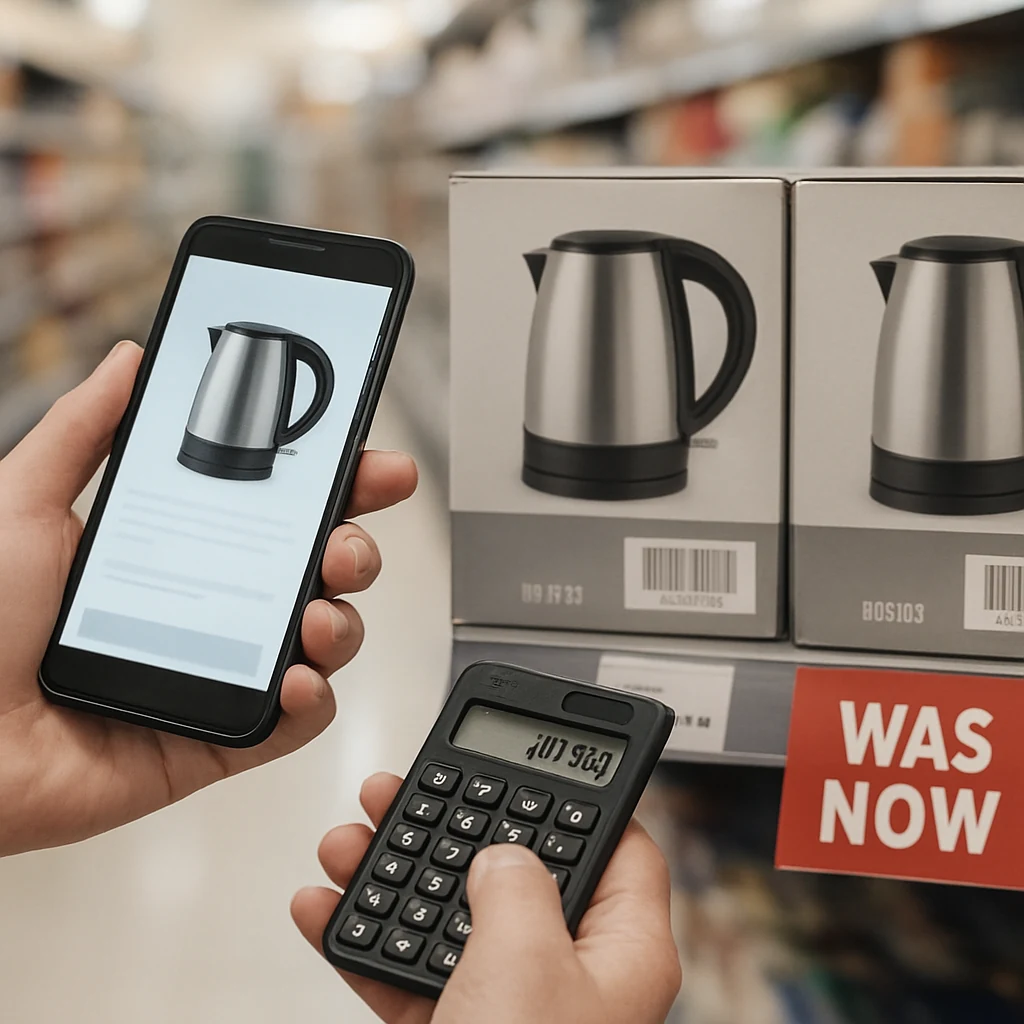
How to Compare UK Online Deals Properly (and Avoid “Fake” Discounts)
A step-by-step UK guide to comparing online prices: model numbers, VAT, delivery, bundles and returns—so you save money without nasty surprises.
Online “was/now” prices can look brilliant right up until checkout (or worse, until you realise it’s the wrong version, a marketplace seller, or the delivery costs wipe out the saving). The trick isn’t finding a deal — it’s comparing deals properly so you don’t pay more in the end.
This mini-guide is a practical way to compare UK online prices, apples-to-apples, in a few minutes. If you want more everyday saving habits, you can also browse the rest of our guides at /.
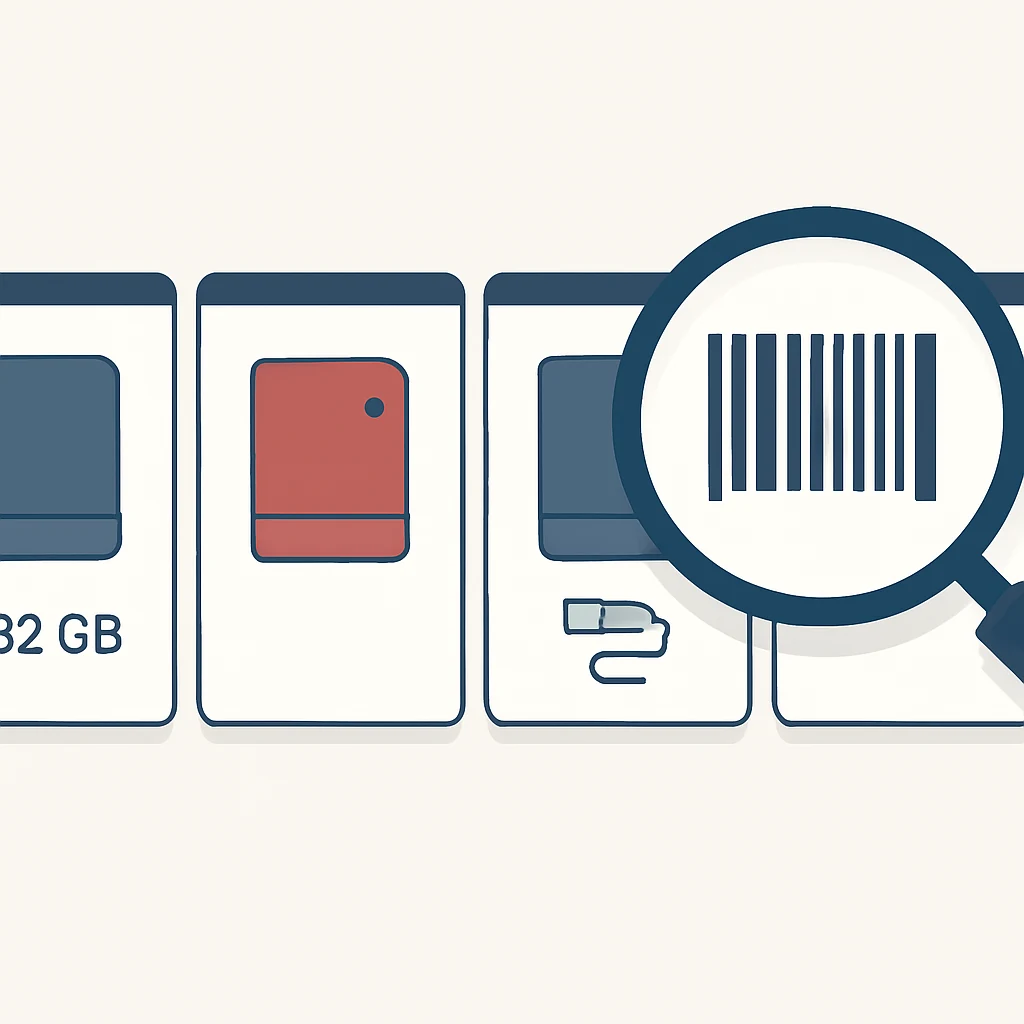
Step 1: Freeze the exact product (before you look at prices)
Most “fake discount” headaches start here: you think you’re comparing the same item, but you’re not.
Start by pinning down what exactly you’re buying:
- The full model number (not just the product name)
- Size/capacity/colour (especially for appliances, phones, memory cards, trainers)
- Included accessories (charger, case, controller, filters, cable length)
In the UK, retailers often sell near-identical variants that look the same on a listing page but differ by one character in the model code, or by what’s in the box. That’s where the “cheaper price” hides.
Quick habit that helps: copy the model number into your notes. Use it as your search term (not the marketing name), and you’ll instantly cut out a lot of misleading results.
Step 2: Decide your “real price” — not the headline price
When you compare, compare what leaves your bank account and what it costs you to return if it goes wrong.
For each retailer, build the “real price” with the same rules:
- Item price (UK pricing is typically shown VAT-inclusive, but double-check if you’re on trade/marketplace pages)
- Delivery charge (standard vs next day; remote area surcharges can exist)
- Any minimum spend requirements to qualify for free delivery
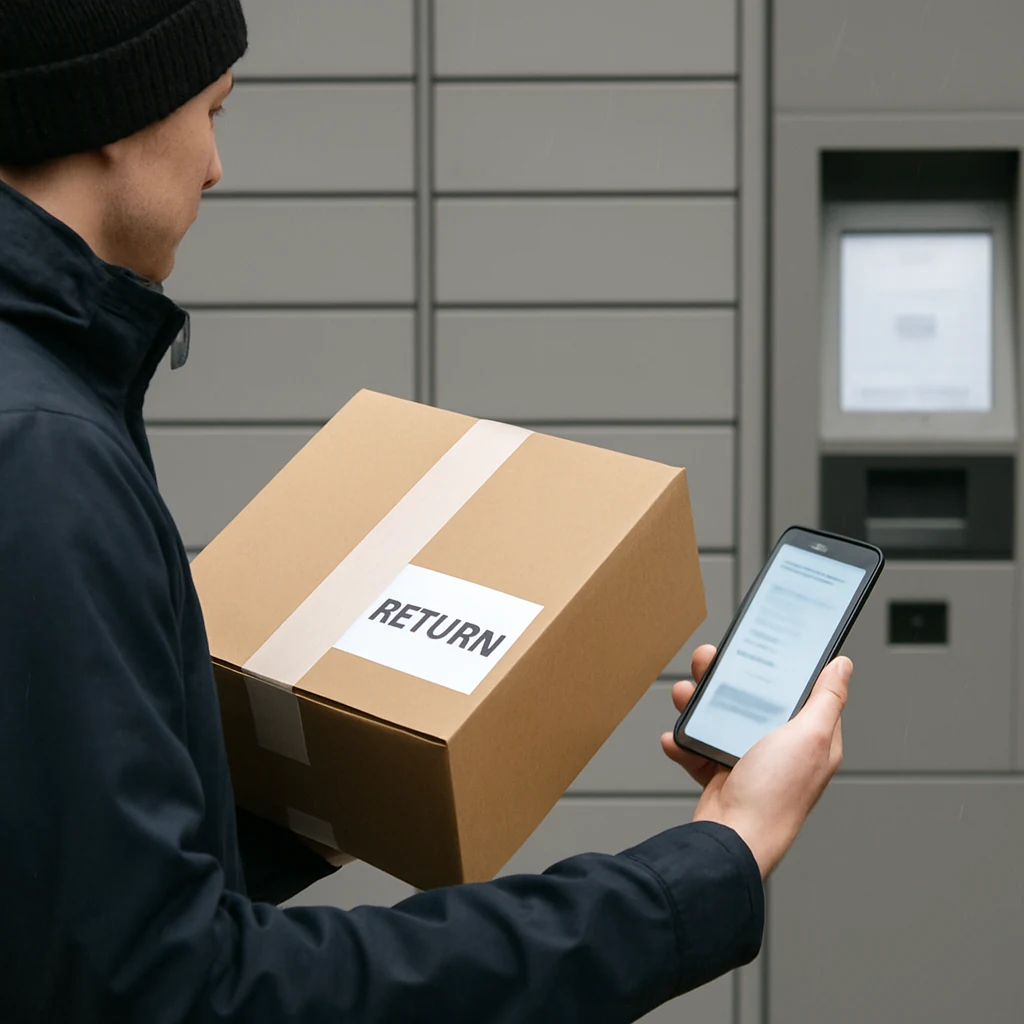
- Returns cost (free returns, label provided, or you pay postage)
That last one matters more than people think. A £5–£10 “saving” can vanish if you need to return a bulky item and you’re paying to send it back.
Try to avoid comparing one retailer’s collection price to another’s delivered price unless you genuinely plan to use Click & Collect.
Step 3: Compare like-for-like sellers (retailer vs marketplace)
Many UK shoppers get caught by this: they think they’re buying from a big-name shop, but they’re actually buying from a third-party seller using that site as a marketplace.
It doesn’t automatically mean trouble — but it can change:
- Delivery speed and tracking quality
- Returns process (who you contact, who issues the label)
- Warranty handling (who you deal with if it develops a fault)
Before you treat it as the cheapest deal, check who the seller is and where the item is dispatched from. If a listing is significantly cheaper than everyone else, that “difference” is often coming from a different seller set-up, not because you’ve discovered a hidden bargain.
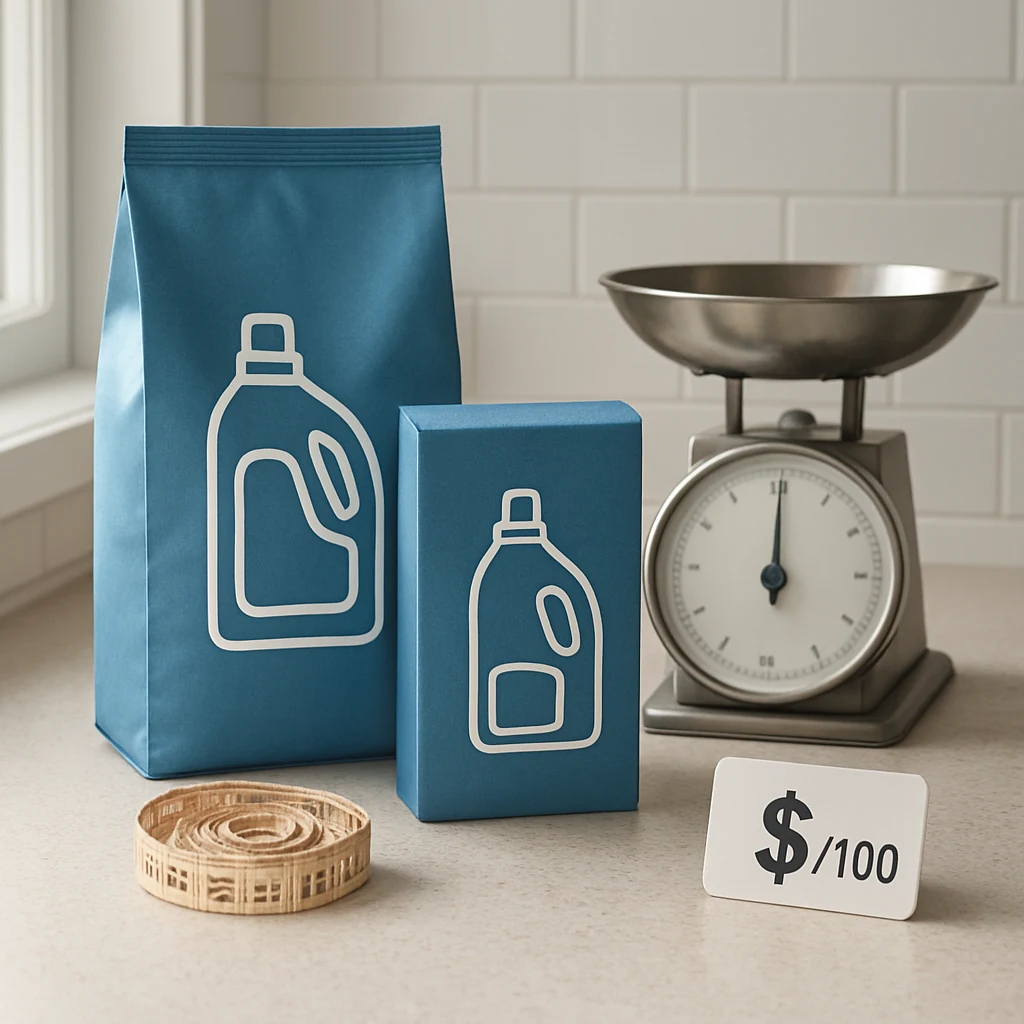
Step 4: Check the “price per unit” (especially for groceries, toiletries and pet supplies)
Multi-buys and bigger packs can be great value — but not always.
For anything consumable, you’ll save more time (and money) by comparing unit price rather than pack price. On many UK sites you’ll see it shown as £/100g, £/litre, or £/wash.
If unit pricing isn’t visible, do a fast manual check. It’s the easiest way to avoid a “deal” that’s only cheaper because the pack is smaller than you assumed.
Step 5: Treat bundles and freebies as a separate calculation
Bundles can be excellent around big shopping moments (think back-to-school tech, spring cleaning appliances, gifting season), but they’re also where comparisons get messy.
A neat way to keep it honest is to split the bundle into two questions:
- Would you buy the extras anyway (at full price)?
- If not, what’s the standalone price of the main item compared with other retailers?
If the freebies are things you’ll never use, they’re not value — they’re just clutter with a marketing halo.
Step 6: Watch for “subscribe & save” traps and auto-renew add-ons
A lot of online baskets quietly nudge you towards ongoing payments:
- “Subscribe” pricing for household essentials
- Extended warranty add-ons
- Installation/setup services
None of these are automatically bad, but they distort comparisons. When you’re checking retailers, make sure you’re comparing the same basis: one-off purchase vs subscription price.
If you do choose a subscription discount, set yourself a reminder to review it after the first delivery. The best saving is the one you still want next month.
Step 7: Use reviews for deal-checking, not just quality
Most people read reviews to see if something is good. You can also use them to confirm whether the listing matches what you think you’re buying.
Look for reviewers mentioning:
- The exact model/version they received
- What was included in the box
- Any surprises on sizing, fit, or compatibility
This is particularly useful with chargers, phone cases, printer ink, replacement filters and anything “compatible with” a brand.
Step 8: Do a 60-second returns and warranty scan
Before you hit pay, take one minute to check the basics:
- Returns window and condition rules (tags on, unopened, hygiene seals, etc.)
- Whether refunds include standard delivery (policies differ; read the wording)
- How faults are handled (repair, replacement, who pays postage)
You don’t need to turn it into a legal deep-dive — just avoid the situations where the cheapest retailer is the hardest to deal with if something goes wrong.
Step 9: Make a “comparison note” you can reuse next time
This is the part that makes you faster over time.
Create a tiny note (in your phone is fine) with:
- Your chosen model number
- The best real price you found (including delivery)
- The top two alternative retailers you’d be happy to buy from
- Any gotchas you spotted (marketplace seller, return cost, bundle contents)
Next time you need something similar — new razor blades, printer ink, a kettle filter — you’ve already got your framework. You’ll spot nonsense pricing in seconds.
Quick tips (when you’re in a hurry)
If you’re comparing on a lunch break or on the sofa and you want the fastest sanity-check, do these three things:
First, search by model number rather than product name. Second, compare delivered prices (not just the headline). Third, confirm who the seller is and what the returns look like. Those alone will eliminate most “too good to be true” deals.
Common UK comparison pitfalls (and how to avoid them)
One classic mistake is assuming “free delivery” means cheapest overall. It can be, but a slightly higher price with a smoother returns process may be better value — especially for clothing, shoes, or anything you might send back.
Another is treating all big retailers as identical on marketplaces. The platform may be familiar, but the seller and dispatch can change the whole experience.
Finally, don’t let seasonal noise do the thinking for you. Big events (Black Friday, Cyber Monday, Boxing Day, Bank Holiday promos) are great times to buy, but the best saving still comes from comparing the same item with the same rules.
FAQs
Is it worth using comparison sites for everything?
They’re useful, but don’t treat them as the final answer. Use them to build a shortlist, then verify the model number, delivery cost, and who the seller is on the retailer’s own page before you buy.
Why do I see different prices when I click through?
Often it’s because the cheapest option shown is a different variant (colour, capacity, bundle), a marketplace seller, or it assumes a subscription/club price. That’s why “real price” comparison (item + delivery + returns reality) is so important.
How do I compare clothing deals when sizing varies by brand?
Treat returns as part of the price. If you’re likely to order two sizes and return one, prioritise retailers with straightforward returns and clear drop-off options. A tiny saving isn’t worth a stressful returns process.
Are bundles usually better value in the UK?
Sometimes, especially when the extras are things you’d buy anyway (filters, spare heads, cases, memory cards). If the extras are random, compare the main item’s standalone price and ignore the marketing.
What’s the simplest way to avoid “fake” discounts?
Compare by model number, calculate delivered cost, and confirm the seller. If a deal still looks genuinely cheaper after that, it’s far more likely to be the real thing.
You may also be interested

The UK Wishlist Method: Plan Your Next Online Deal (No Panic Buying)
A practical UK step-by-step guide to saving online by setting target prices, tracking drops, and buying at the right moment—without falling for “was/now” hype.
Marketplace vs Retailer: How UK Shoppers Pick the Real Deal
A practical UK guide to choosing between marketplaces and direct retailers—price, delivery, returns, warranty and hidden costs—so the ‘deal’ stays a deal.
After You Buy: UK Tricks to Save with Price Drops & Returns
A practical UK guide to saving after checkout: price-drop checks, delivery refunds, returns timing and safe ways to re-order for less.