

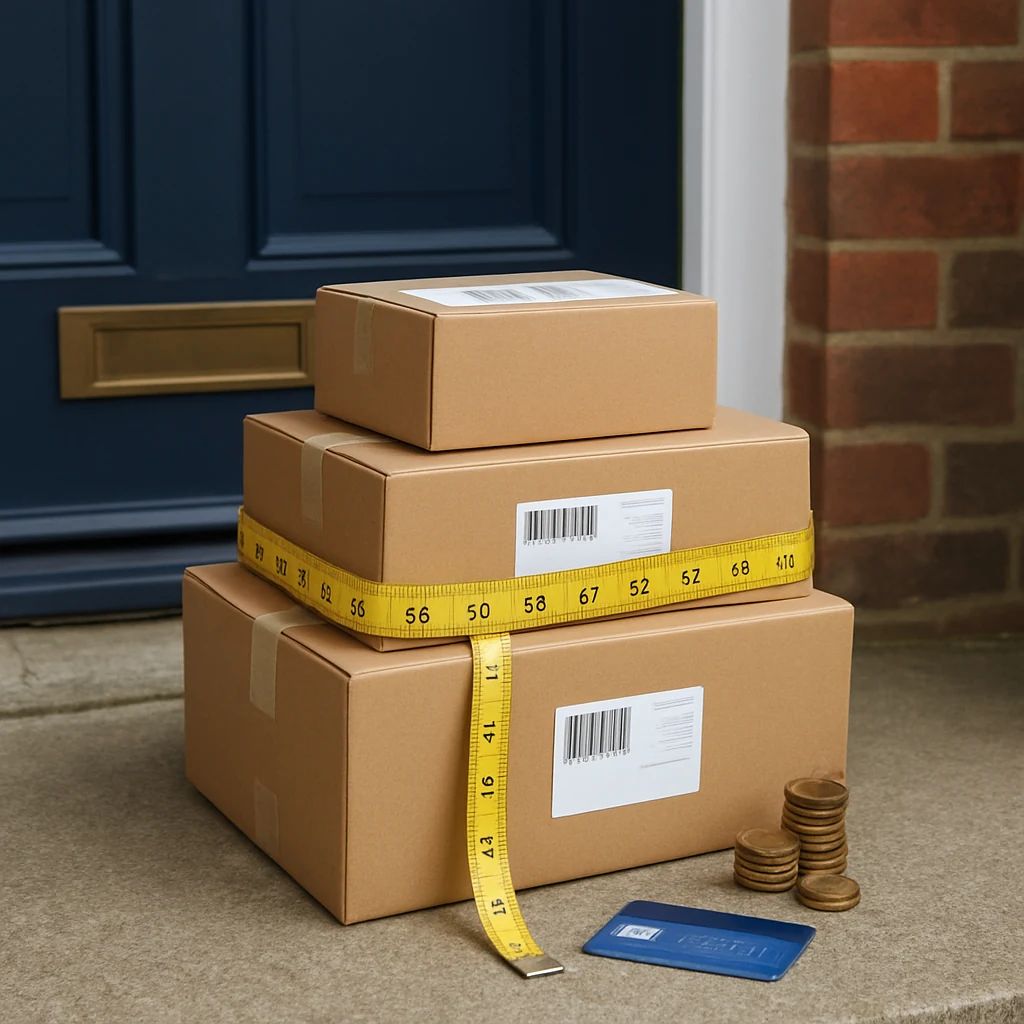
Cut the Hidden Costs: Delivery, Returns & Subscription Traps (UK)
Practical UK online shopping tactics to save on delivery fees, returns, and membership traps—without wrecking convenience or peace of mind.
Online “bargains” in the UK often live or die on the bits you only notice at checkout: delivery charges, return postage, and the little memberships you forgot you even started. If you shop online regularly, these add-ons can quietly cost more than the discount you worked to find.
This guide is about making better trade-offs: when it’s worth paying for convenience, when “free delivery” is a trap, and how to avoid return and subscription costs without turning shopping into a full-time job.
The real deal price is the landed price
A good habit: treat the price you pay as item + delivery + likely return cost + any membership cost.
That sounds fussy, but it stops you falling for the classic scenario: you find the cheapest item price, then end up paying extra for delivery, or you order two sizes and discover returns aren’t free.
A simple mental check before you hit “Place order”:
- Is delivery free, capped, or only free over a minimum spend?
- If I needed to return it, who pays the postage and how?
- Am I being nudged into a trial membership to unlock free delivery?
You don’t need to do maths every time. You just need to spot when the extras could swing the decision.
Case 1: The “cheap” item with expensive delivery
You’re buying something small—say a phone case, skincare, or a book. One shop is £2 cheaper… but then adds delivery, while another is a bit more but includes delivery (or offers free Click & Collect).
The trade-off: cheapest item price vs lowest total cost and speed.
In the UK, retailers often use delivery pricing to steer you:
- A low headline price paired with paid delivery.
- Free delivery only above a minimum basket value.
- “Economy” delivery that’s cheap but slow, pushing you toward a pricier option.
A practical approach that keeps it simple: if you’re only buying one small item, prioritise the total at checkout and the delivery promise rather than the product page price. If you’re building a basket anyway, it can be worth consolidating purchases to cross the free-delivery threshold—but only if you were genuinely going to buy the extras.
Case 2: Clothing orders and the hidden returns bill
Fashion is where UK shoppers accidentally spend a lot—because sizing is unpredictable. Many people order two sizes and plan to return one.
The trade-off: higher upfront spend and admin, but a better chance of keeping something that fits.
Before ordering, look for two things (usually in the delivery & returns page, not the product page):
-
How returns work: do you get a prepaid label, an in-store return, a QR code drop-off, or do you pay postage yourself?
-
Return window and condition rules: especially for beauty, underwear, or anything with hygiene seals.
If returns aren’t free, the “try-two-sizes” strategy becomes expensive fast. In that situation, it can be cheaper to:
- Choose a retailer with free returns to store (if you live near one).
- Use Click & Collect so you can reject at pickup more easily (some retailers make it simpler than a home collection).
- Stick to a brand you already know the sizing for, even if the item price isn’t the very lowest.
That last one sounds boring, but it’s often the most cost-effective: fewer returns means fewer fees and less time spent chasing refunds.
Case 3: “Free delivery with a free trial” (and the renewal you forget)
A very common checkout nudge: “Start a free trial to unlock free delivery.” It’s tempting, especially if delivery is pricey or you want the item quickly.
The trade-off: short-term savings vs the risk of paying for a membership you won’t use.
If you do take the trial because it genuinely improves the deal, make it an intentional decision:
- Use an email address you actually check (so you don’t miss renewal notices).
- Set a calendar reminder for a few days before renewal.
- Immediately check the account area for next billing date and cancellation steps.
Also consider whether the membership changes return terms. Some schemes include free returns, extended return windows, or faster delivery. That can be genuinely valuable—just don’t let “free delivery today” become “monthly fee forever”.
Case 4: Bulky items and the delivery/returns sting
Furniture, appliances, and anything large is where delivery fees, surcharges, and return logistics really matter.
The trade-off: a lower item price vs a retailer that handles delivery and returns cleanly.
On bulky orders, pay attention to:
- Room-of-choice vs doorstep delivery (it changes how much hassle you’re signing up for).
- Packaging and returns collection: returning a boxed lamp is one thing; arranging collection for a large item is another.
- Delivery slots: if you’ll need to take time off work, that cost is real.
Sometimes the best “deal” is the retailer with clear delivery scheduling and a straightforward returns process, even if the item price is slightly higher.
Case 5: Grocery and household repeats — when a delivery pass makes sense
If you use supermarket delivery regularly, the question isn’t “is a pass cheap?” but “does it match how you shop?”
The trade-off: paying upfront vs flexibility and not feeling forced to order.
A delivery pass (or similar scheme) tends to work best when your behaviour is already consistent: predictable weekly or fortnightly shops, similar basket sizes, and a preference for delivery slots.
If your shopping is more ad-hoc, you may be better off mixing:
- Click & Collect for big planned shops.
- Delivery only when you genuinely need it.
- In-store for top-ups.
The key is avoiding the psychological trap: paying for a pass and then ordering “to get your money’s worth”. Savings disappear the moment you buy extra items you didn’t need.

Quick tips (low effort, high impact)
If you only do a few things from this post, do these:
- Check the returns page before ordering anything you might send back.
- Don’t compare deals by item price alone—compare the checkout total.
- Treat membership trials like a purchase decision: check renewal date and cancellation path.
- Use Click & Collect when it meaningfully cuts delivery fees or reduces missed-delivery hassle.
A simple “delivery & returns” decision framework
When you’re deciding between two retailers, ask yourself what you’re optimising for: lowest cost, least hassle, or fastest delivery. You can usually pick two.
If you want a quick rule of thumb:
- If it’s high return risk (clothes, shoes): prioritise easy/free returns.
- If it’s urgent (a gift, a last-minute replacement): prioritise reliable delivery windows and tracking.
- If it’s high value (electronics): prioritise retailer support, warranty handling, and clear returns—then look for savings.
You can still hunt deals (voucher codes, cashback, loyalty points), but make sure the “deal mechanics” don’t introduce costs elsewhere. If you want more UK-focused saving strategies that don’t rely on guesswork, browse the latest guides at /.
FAQs
Is “free delivery over £X” always worth aiming for?
Only if the extra spend is on things you already needed. If you add fillers just to hit the threshold, you’re not saving—you’re shifting money into impulse buys.
Are free returns always genuinely free?
Not always. Some retailers offer free returns only via specific methods (for example, in-store returns), or they might deduct original delivery fees from the refund. Always check the returns policy wording before you rely on it.
What’s the safest way to avoid forgetting a free trial renewal?
A calendar reminder is the simplest. Also, go into your account straight after starting the trial and confirm the renewal date and how to cancel. If the cancellation path is unclear, that’s a sign to avoid using the trial as a “delivery discount”.
Is Click & Collect actually cheaper?
It can be, especially when home delivery is priced high or when you risk missing the delivery. But it’s only a saving if the pickup location is genuinely convenient—otherwise the travel cost and time cancel it out.
Does paying more for delivery speed ever make sense?
Yes: when speed reduces a bigger cost. Typical UK examples include avoiding last-minute replacement buying, getting something in time for a birthday, or ensuring you’re in for the delivery slot rather than missing it and rearranging.

You may also be interested
The UK Wishlist Method: Plan Your Next Online Deal (No Panic Buying)
A practical UK step-by-step guide to saving online by setting target prices, tracking drops, and buying at the right moment—without falling for “was/now” hype.
Marketplace vs Retailer: How UK Shoppers Pick the Real Deal
A practical UK guide to choosing between marketplaces and direct retailers—price, delivery, returns, warranty and hidden costs—so the ‘deal’ stays a deal.
After You Buy: UK Tricks to Save with Price Drops & Returns
A practical UK guide to saving after checkout: price-drop checks, delivery refunds, returns timing and safe ways to re-order for less.