

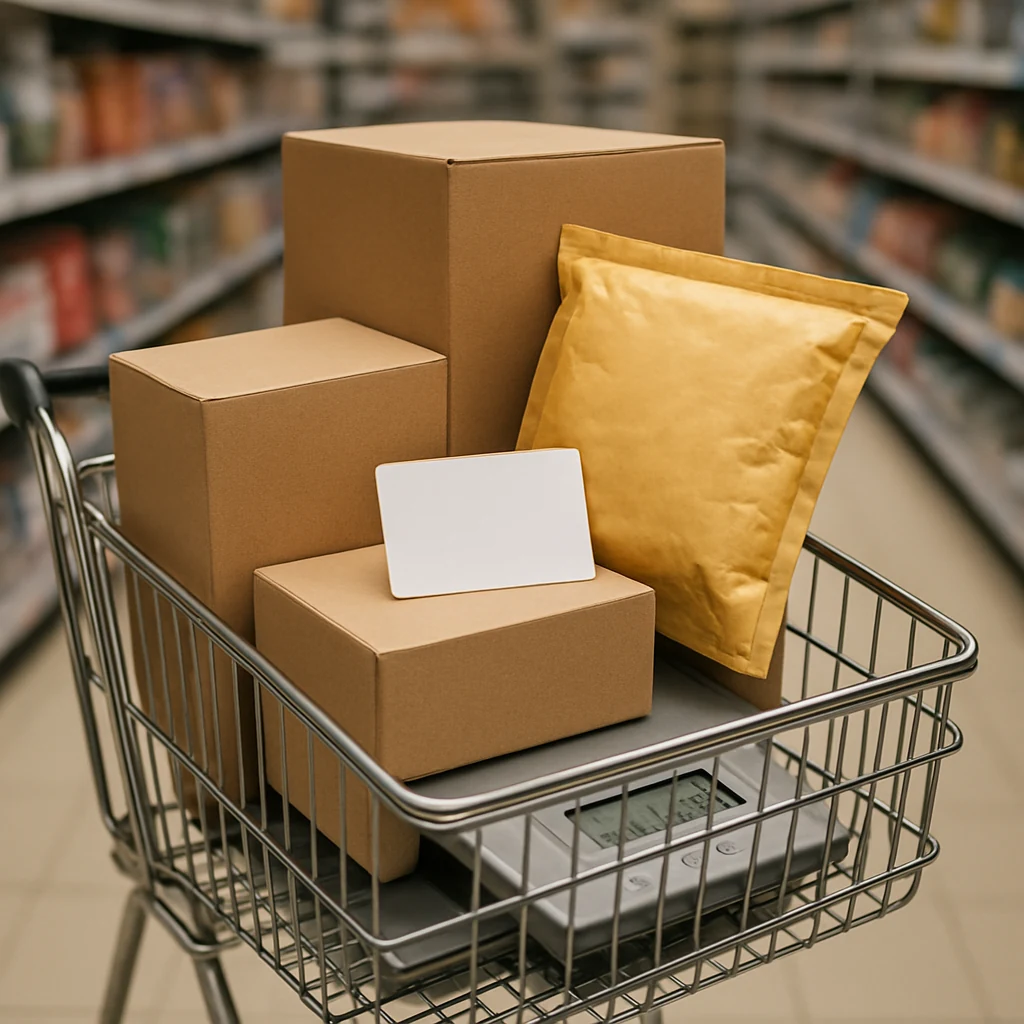
Are Delivery Passes Worth It? A UK Guide to Saving Online
Work out if delivery subscriptions, free delivery thresholds and Click & Collect really save you money when shopping online in the UK.
You don’t always save the most money by chasing the biggest sale. In the UK, a lot of your “extra” spend online quietly comes from delivery charges, minimum basket thresholds, and return costs (or the hassle that makes you keep things you don’t love). This guide is about one specific lever: delivery passes and “free delivery” tactics — when they’re genuinely worth paying for, and when they push you into spending more.

The real question: are you paying for delivery, or paying because of delivery?
A delivery subscription (or retailer membership) can be brilliant — but only if it stops you making expensive decisions.
The tricky bit is that “free delivery over £X” can change your behaviour in two ways:
- You add an extra item “to qualify”, even if you didn’t need it.
- You split purchases into multiple small orders because it feels frictionless, then end up returning more.
So the goal isn’t “never pay for delivery”. It’s: pay in the way that leads to the fewest costly compromises.
Case 1: The occasional buyer (the pass rarely pays)
Picture this: you buy online once or twice a month, often for specific items (a replacement charger, a birthday gift, a kitchen gadget). You’re not building big baskets — you’re buying with intent.
In this scenario, a delivery pass can backfire because it makes you feel like you should “use it”. You start browsing just because delivery is covered, and the savings get eaten by impulse extras.
A better decision pattern is:
- If you’re under the free delivery threshold, ask whether the add-on is something you’ll definitely use within the next few weeks (toothpaste, printer ink, bin bags). If not, paying £3–£6 delivery may be cheaper than buying a £10 “filler”.
- Check Click & Collect or locker pick-up if it’s convenient. In the UK, lots of retailers offer it at low cost or free, and it avoids the “qualify for free delivery” trap.
- If the item is time-sensitive (e.g., a gift), consider next-day delivery as a deliberate purchase. Paying for speed once is often cheaper than buying extra items to unlock “free” standard delivery that might not arrive in time anyway.
The trade-off: you’ll pay delivery sometimes, but you’ll probably buy fewer unnecessary extras.
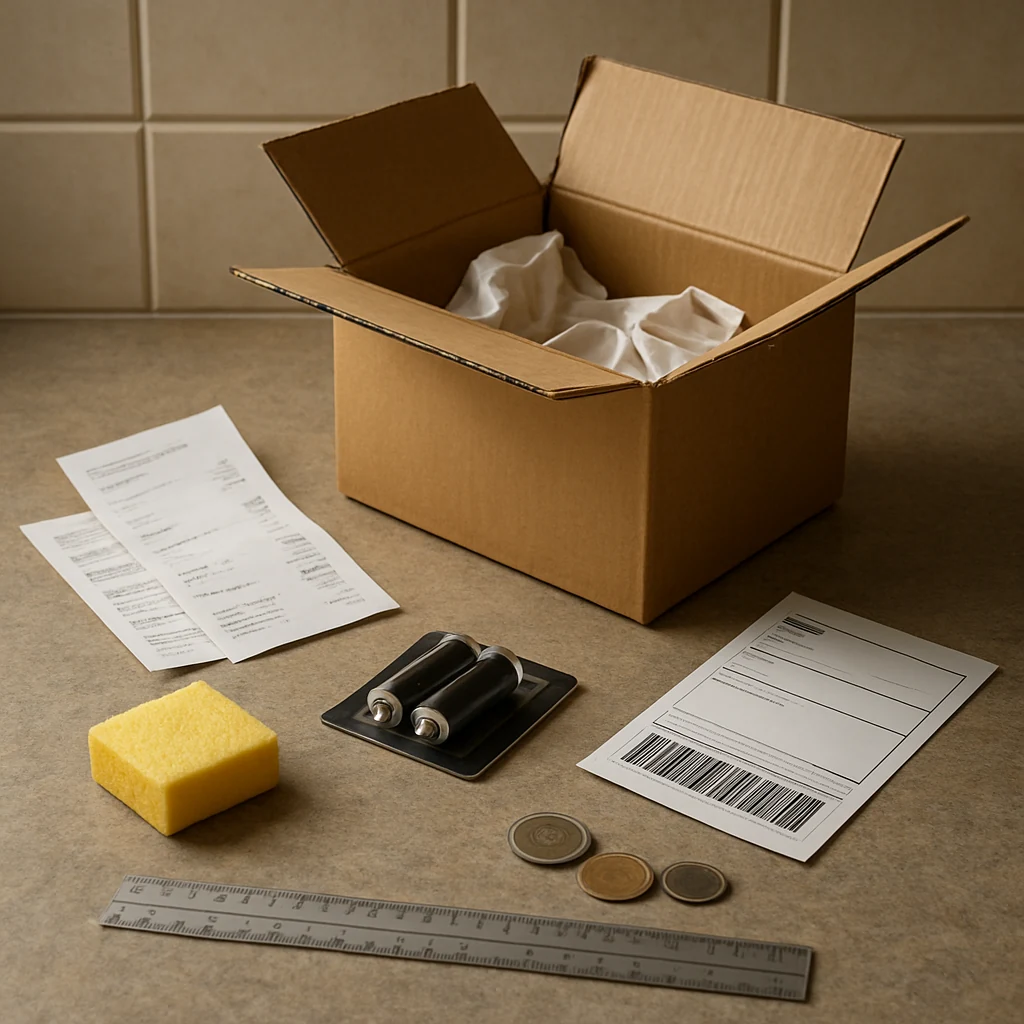
Case 2: The frequent essentials buyer (the pass can be a no-brainer)
If you buy staples regularly — skincare you always repurchase, pet food, cleaning supplies, coffee pods, nappies — a delivery pass can make sense because your demand is predictable.
Here’s how to judge it without relying on perfect maths:
- Look back at your last 6–10 orders with that retailer (or category). Were delivery charges common? Or were you usually qualifying for free delivery anyway?
- Notice your basket “stretching” behaviour. Do you keep topping up with random bits to hit the threshold? If yes, a pass can reduce that wasted spend.
- Check exclusions and minimum order rules. Some programmes still apply minimum spends, or exclude bulky items, marketplace sellers, or certain delivery slots.
The trade-off: delivery passes work best when they reduce filler spending and you’re not locked into one retailer with higher prices. If the pass nudges you to stop comparing prices, it can quietly cost more than it saves.
A practical compromise many UK shoppers use: keep the pass for convenience, but set a rule that big-ticket items get price-checked elsewhere before you hit “Buy”. Even a two-minute comparison can protect you from the “membership blind spot”.
Case 3: The fashion buyer (returns decide everything)
Fashion is where UK online shopping costs can balloon — not just because of delivery, but because of returns.
Returns in the UK are often free with bigger retailers, but not always. Even when returns are free, the hidden cost is time and “return friction” (you miss the window, you can’t get to a drop-off point, you lose the receipt, or you simply can’t be bothered).
If you’re someone who often orders multiple sizes with the intention of returning most of them, a delivery pass might seem attractive. But it’s worth weighing:
- Does the pass include free returns, or just delivery? They’re not the same thing.
- Do you have an easy local drop-off option? If your nearest parcel shop is a bus ride away, “free returns” may not be free in practice.
- Do you end up keeping items because returning is annoying? That’s the expensive part.
A better strategy than defaulting to a pass is to change the decision moment: order fewer “maybe” items by using sizing tools, checking garment measurements, and reading recent reviews (especially for notes like “comes up small”). It’s less exciting than a discount code, but it cuts the most expensive waste.
Trade-off: fewer parcels means fewer dopamine hits — but usually more money left in your account.
Case 4: Peak season shopping (when delivery perks really matter)
UK seasonal spikes — Black Friday/Cyber Monday, the run-up to Christmas, January sales, and back-to-school — change the delivery equation.
During peak periods, the risk isn’t just paying for delivery. It’s missing the window entirely, then paying twice (a last-minute replacement order plus the original order arriving late).
In those weeks, a delivery pass can be valuable for two reasons:
- Faster options (when available) can reduce the need for panic buying.
- Predictable delivery lets you consolidate purchases rather than scattering small orders across multiple sites.
But the trade-off is that peak season is also when “free delivery” thresholds and membership perks encourage over-ordering. If you know you’re prone to impulse spending in November and December, consider setting a simple rule:
Order with a pass only for items that were already on your list before the seasonal hype started. Everything else gets a 24-hour pause.
That one rule often does more than any voucher code.
A simple UK-friendly way to decide: pass, threshold, or collection?
When you’re at checkout and delivery is the sticking point, run this quick mental flow:
If you’re more than a tenner short of free delivery, it’s usually not worth adding random items just to qualify. Pay delivery, switch to Click & Collect, or shop elsewhere.
If you’re just a few pounds short, only top up with something you’d buy anyway within the month (not a novelty item). Otherwise you’re “buying the discount”.
If you’re placing multiple orders per month, a pass may be worthwhile — but only if you keep price-checking and you’re not using the pass as permission to browse.
And if you’re shopping for gifts, collection can be underrated. It reduces porch-theft risk and removes the “missed delivery” headache that leads to frantic repurchases.
Don’t let delivery perks distract you from the bigger costs
Even if delivery becomes “free”, a few UK-specific details still matter:
- VAT: UK consumer pricing is typically shown VAT-inclusive. That’s helpful, but it can also make add-ons feel smaller than they are. If you’re topping up a basket to qualify for free delivery, you’re still paying the full VAT-inclusive price.
- Returns policy vs statutory rights: a generous returns window is great, but remember your Consumer Contracts rights for online purchases and check the retailer’s process before ordering multiple variants.
- Split shipments: sometimes “free delivery” results in multiple parcels. That can increase return hassle and missed deliveries, which affects real-world costs.
None of this is about being paranoid — it’s about treating delivery as part of the price, not an afterthought.
FAQs
Is a delivery pass always cheaper than paying per order?
Not automatically. It depends on how often you order and whether the pass changes your behaviour. If it makes you stop comparing prices or encourages extra orders, it can cost more overall.
What’s the best way to avoid adding “filler” items to hit free delivery?
Keep a short list of genuine essentials you’ll use soon (the boring stuff). Only use those to top up a basket. If nothing on your essentials list fits, paying delivery can be the cheaper option.
Is Click & Collect actually cheaper in the UK?
Often it can be, especially when it’s free or low cost. The real saving is that it reduces “threshold spending” and can lower the risk of missed deliveries. The downside is convenience: it’s only worth it if the pick-up point is genuinely on your routine.
How do returns affect the value of delivery perks?
If returns are paid (or awkward), delivery perks matter less than reducing return volume. The cheapest “perk” is ordering fewer speculative items and checking sizing, measurements and recent reviews before buying.
Should I stick with one retailer if I’ve paid for their membership?
Only if their pricing stays competitive for what you buy. A membership can create a “sunk cost” feeling — you try to get your money’s worth by buying there even when it’s pricier. It’s smarter to keep the membership for convenience, but still price-check bigger purchases.
One action to take today
Pick one retailer you use regularly and review your last few orders. If you see a pattern of topping up baskets to hit free delivery, either switch to Click & Collect for those orders or trial a delivery pass — but set one boundary: no browsing purchases purely to “use” the pass.
If you want more UK saving tactics that don’t rely on one-off mega sales, start at Ofertas and build a routine that keeps working all year.
You may also be interested
The UK Wishlist Method: Plan Your Next Online Deal (No Panic Buying)
A practical UK step-by-step guide to saving online by setting target prices, tracking drops, and buying at the right moment—without falling for “was/now” hype.
Marketplace vs Retailer: How UK Shoppers Pick the Real Deal
A practical UK guide to choosing between marketplaces and direct retailers—price, delivery, returns, warranty and hidden costs—so the ‘deal’ stays a deal.
After You Buy: UK Tricks to Save with Price Drops & Returns
A practical UK guide to saving after checkout: price-drop checks, delivery refunds, returns timing and safe ways to re-order for less.