

Black Friday 2026: Get Your Checkout Ready in Ireland
Prepare for Black Friday 2026 in Ireland with a practical guide to safer accounts, smoother checkout and delivery checks.
Black Friday 2026 falls on Friday, 27 November, with Cyber Monday following on 30 November. If you plan to shop online from Ireland, there’s useful preparation you can do now, before the busiest checkout period: secure your accounts, check your delivery details and decide how you’ll pay.
This guide focuses on getting from the product page to a completed order with fewer surprises. It won’t promise a discount or assume that a particular offer will appear. Instead, it will help you make a calm, informed decision when Black Friday 2026 promotions start appearing.
Step 1: Make your shopping accounts easier to use safely
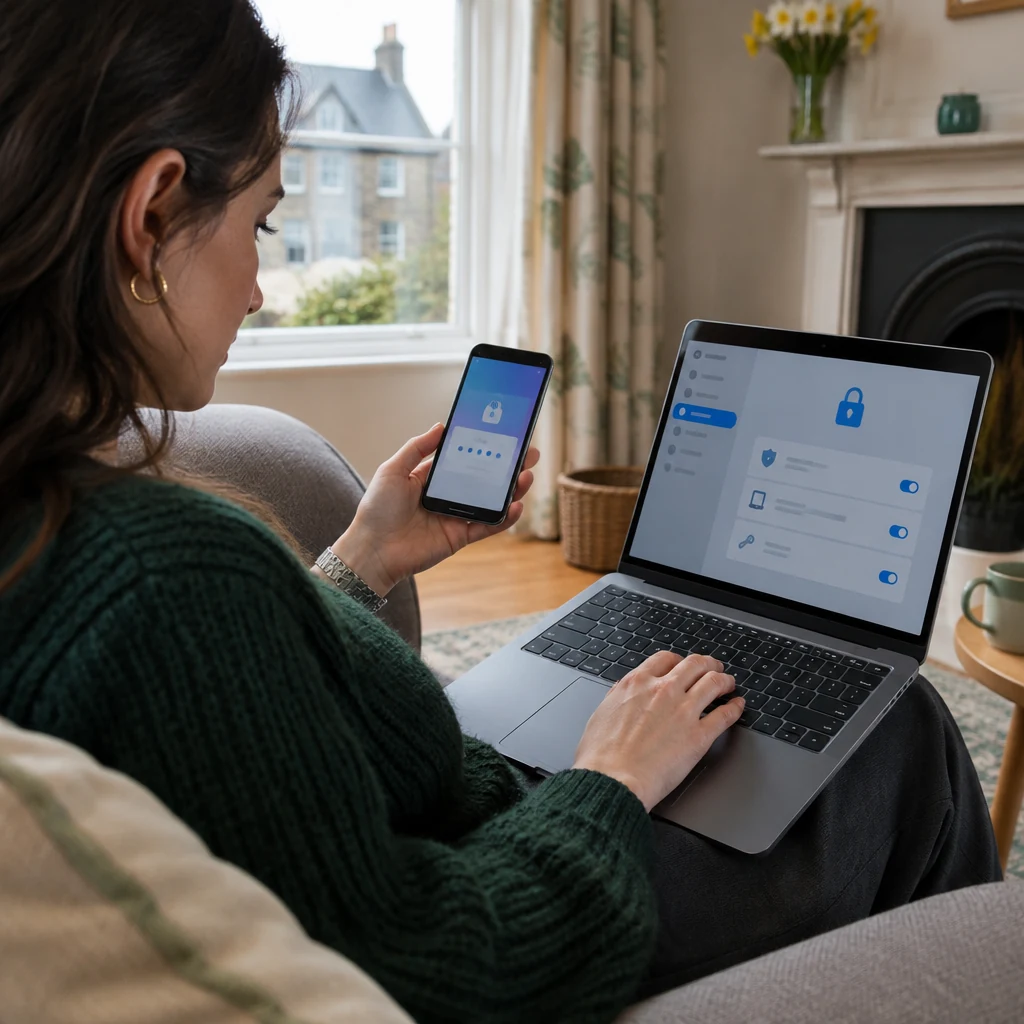
Start with the shops and marketplaces you already know you might use. Sign in directly through their websites or apps rather than following a link in an unexpected email. If you have forgotten a password, reset it now, not while you’re trying to finish an order.
Use a different, strong password for each account. A password manager can make this more manageable. Where two-factor authentication is available, consider switching it on and checking that you can still access the phone or authentication app you’ll need.
It’s also worth reviewing saved payment cards and addresses. Remove details you no longer use, especially old delivery addresses. You don’t have to save a card to shop online. If you prefer not to, keep your chosen payment method handy for checkout.
Step 2: Check who is actually selling the item
A familiar marketplace name doesn’t always mean you’re buying directly from that company. On a product page, look for the seller’s name and then check the delivery, returns and contact information attached to that specific listing.
This matters when comparing UK and EU sellers. Goods sent to Ireland from outside the EU may involve import VAT, customs charges or handling fees, depending on the circumstances. Some sellers collect applicable charges at checkout. Others may not. Check what the seller says is included before paying, and don’t assume an address ending in “.ie” means the goods will be dispatched from Ireland.
The rules can differ for goods moving from Northern Ireland, so check the stated dispatch location rather than treating every UK seller in the same way. If the shop cannot clearly explain where an item ships from or what charges are included, that’s a reason to pause.
For unfamiliar sellers, look for a usable contact address, clear terms and independent information about the business. Reviews can help, but a collection of glowing comments alone is not proof that a shop is reliable.
Step 3: Rehearse the delivery details
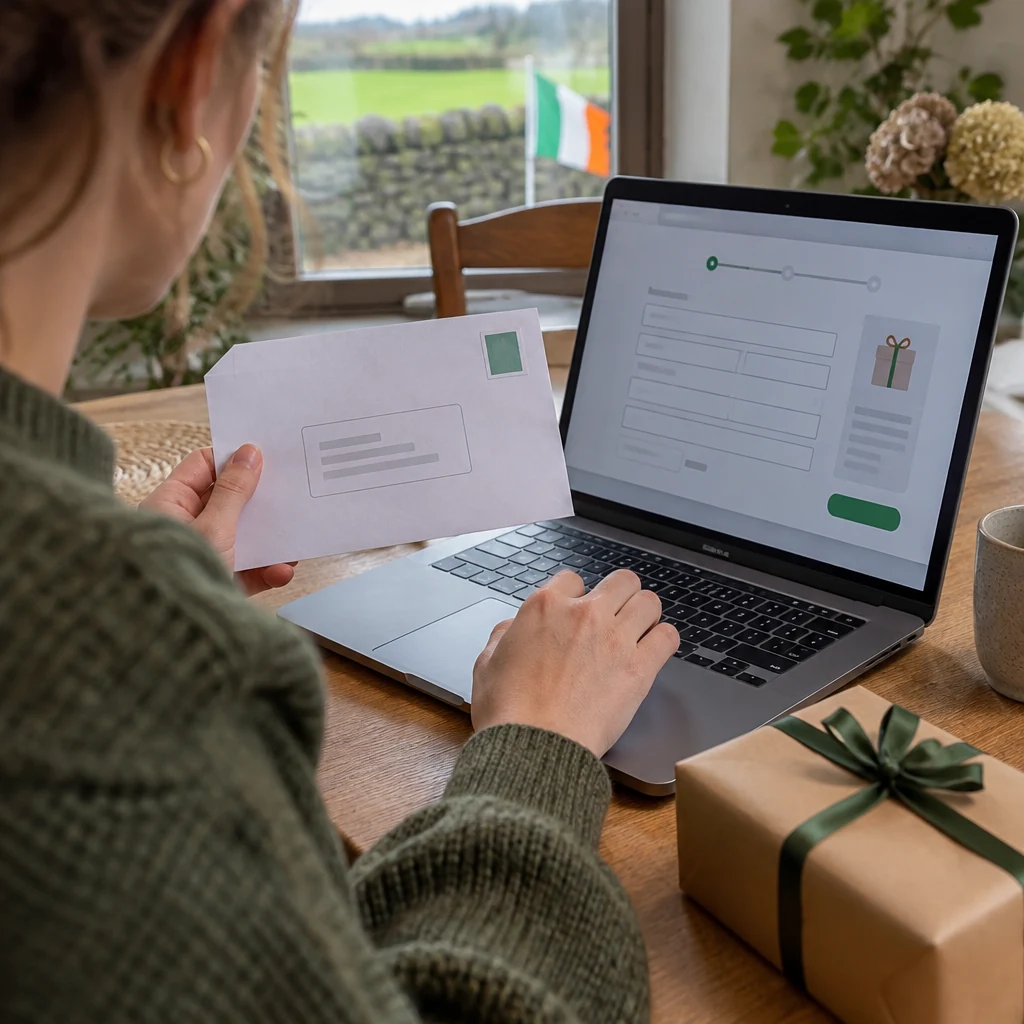
Open your account’s address book and check your Eircode, street address and mobile number. The Eircode helps identify the delivery address, but it is still sensible to enter the full address accurately. If you’re sending a gift, confirm the recipient’s details before the shopping rush.
Check whether the shop delivers to your address and what delivery choices it offers. A collection point may be convenient for one order, while home delivery suits another. Availability and fees can vary by seller and location, so read the options shown for your order rather than relying on a general banner.
For Christmas gifts, look at the estimated delivery window before ordering and keep a little room in your plans. An estimate is not the same as a guarantee, and a dispatch date is not necessarily the date the parcel will arrive.
Step 4: Decide how you’ll pay before the rush
Choose a payment method you’re comfortable using online and check that you can complete any bank verification it requires. For example, you might need access to your banking app to approve a card payment. If your card is close to expiry, confirm that your saved details are current.
Be cautious if an unfamiliar seller insists on a bank transfer or asks you to pay outside the marketplace. Paying through an established checkout gives you a clearer transaction record, though the protections available depend on the payment method and circumstances.
If a card purchase goes wrong and you cannot resolve it with the seller, you can ask your card provider whether a chargeback is available. It is not an automatic refund, and the provider may need evidence and apply time limits. Keep the confirmation email and any messages with the seller.
Quick tips for a smoother checkout
- Use your own connection and go directly to the shop’s website or app.
- Check the seller name, item specification and delivery address before paying.
- Read the final total in euro, including VAT and any stated delivery or other charges.
- Save the order confirmation and expected delivery details somewhere you can find them.
Step 5: Know what happens after you order
Before buying, read the returns instructions for the specific seller and item. If a gift needs to be returned, check whether the recipient can arrange it or whether the person who placed the order must do so. Keep the receipt or order confirmation, and avoid throwing away packaging until you know the item is right.
For many online purchases from traders in the EU, consumers have a 14-day cancellation period, generally starting when the goods are received. Exceptions apply, including certain personalised goods and some sealed items once opened. Return postage may also be your responsibility if the trader has told you so in advance. A seller’s voluntary Christmas returns policy may give you longer, but check its terms rather than assuming it applies to every item.
If goods are faulty, your rights are different from simply changing your mind. Contact the seller promptly, explain the problem and keep a record of the conversation. Rights and practical remedies can differ when buying from a seller outside the EU, so check the terms and applicable consumer information before ordering.
Step 6: Treat delivery messages with care
After you order, a genuine parcel update should be easy to match to a purchase you made. Be wary of unexpected texts or emails asking you to urgently pay a small fee, update an address or enter card details. Instead of tapping the message link, open the retailer’s app or type the courier’s website address yourself and check the tracking information there.
If you need inspiration while preparing, browse the Ireland shopping homepage and note anything worth checking closer to Black Friday. When an offer catches your eye, take a moment to verify the seller and the final checkout details. A smooth purchase is useful only if it’s one you’re happy to make.
You may also be interested
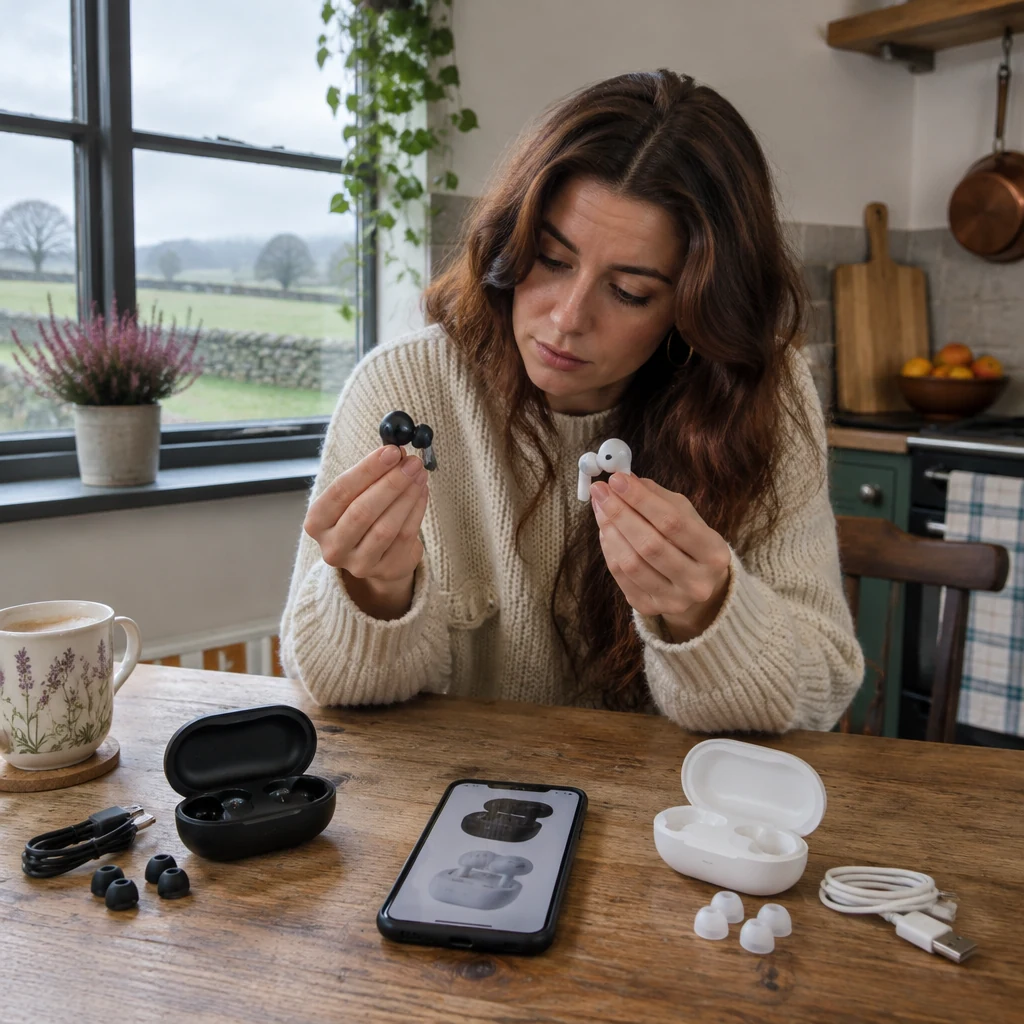
Black Friday 2026: How to Spot the Right Product in Ireland
Prepare for Black Friday 2026 in Ireland by checking model numbers, product condition and bundles before comparing online prices.

Black Friday 2026: When to Buy, Wait or Walk Away in Ireland
Prepare for Black Friday 2026 in Ireland with practical buy-or-wait decisions, price checks, gift returns and advice on UK versus EU sellers.

Black Friday 2026: Build a True-Cost Shortlist for Ireland
Prepare for Black Friday 2026 in Ireland with a delivered-price shortlist, UK versus EU checks, and a practical plan for comparing genuine value.