

VFM toddler matching puzzles
Product description
What to know
If you want a quiet activity centred on matching, this set takes a different route from open-ended toys: children work with puzzle matches rather than inventing their own play. The product is described as suitable for ages 2–4.
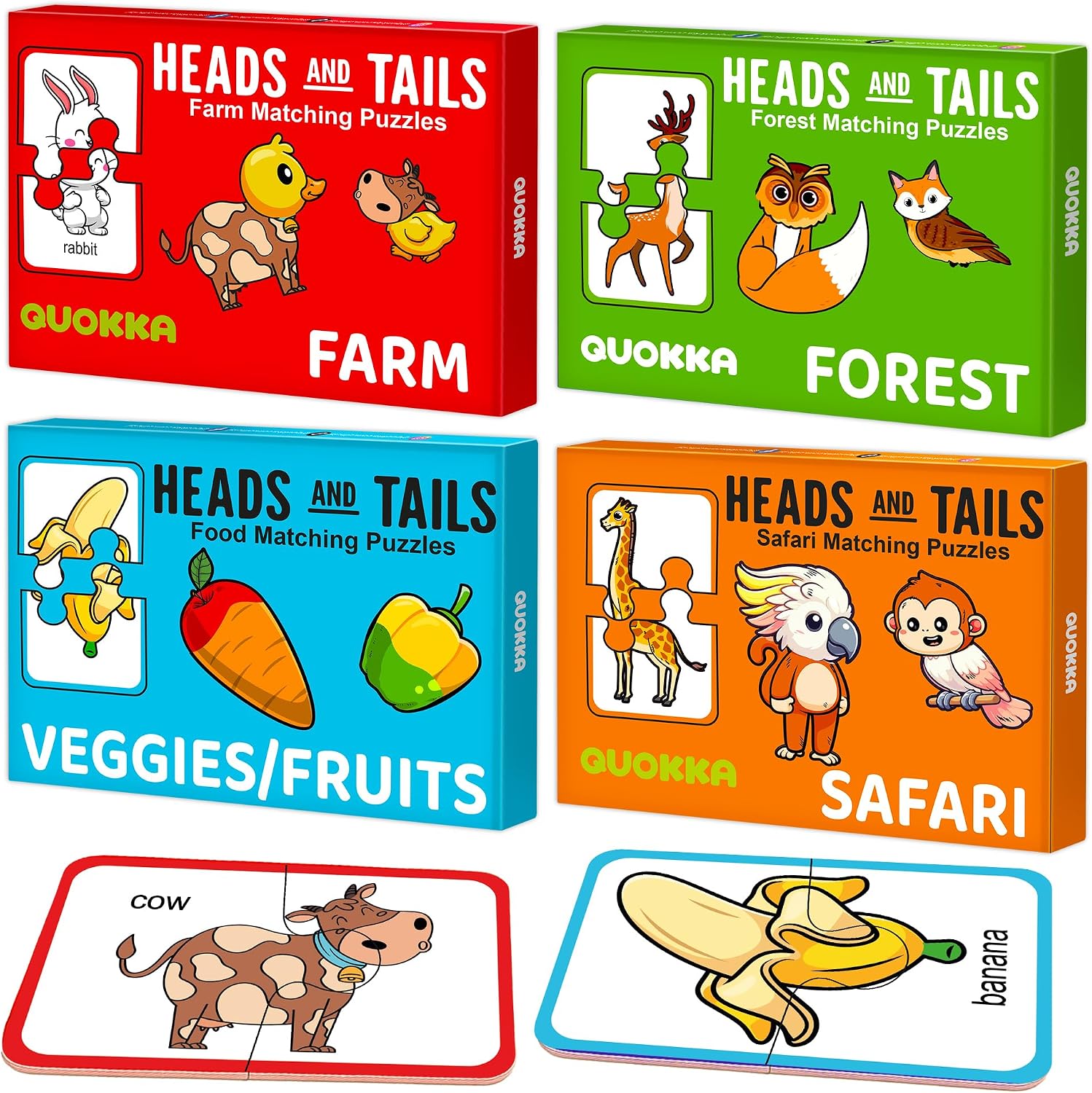
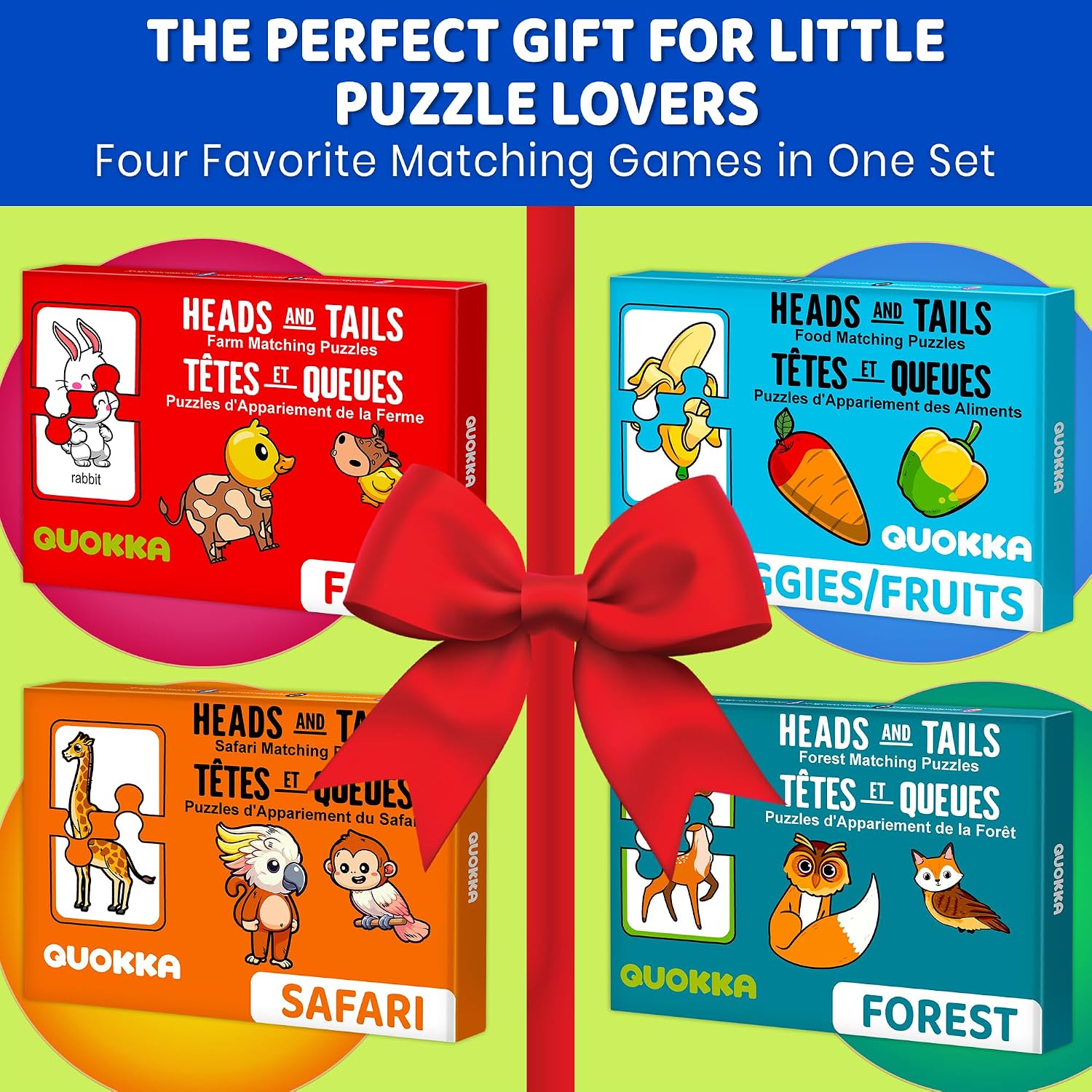
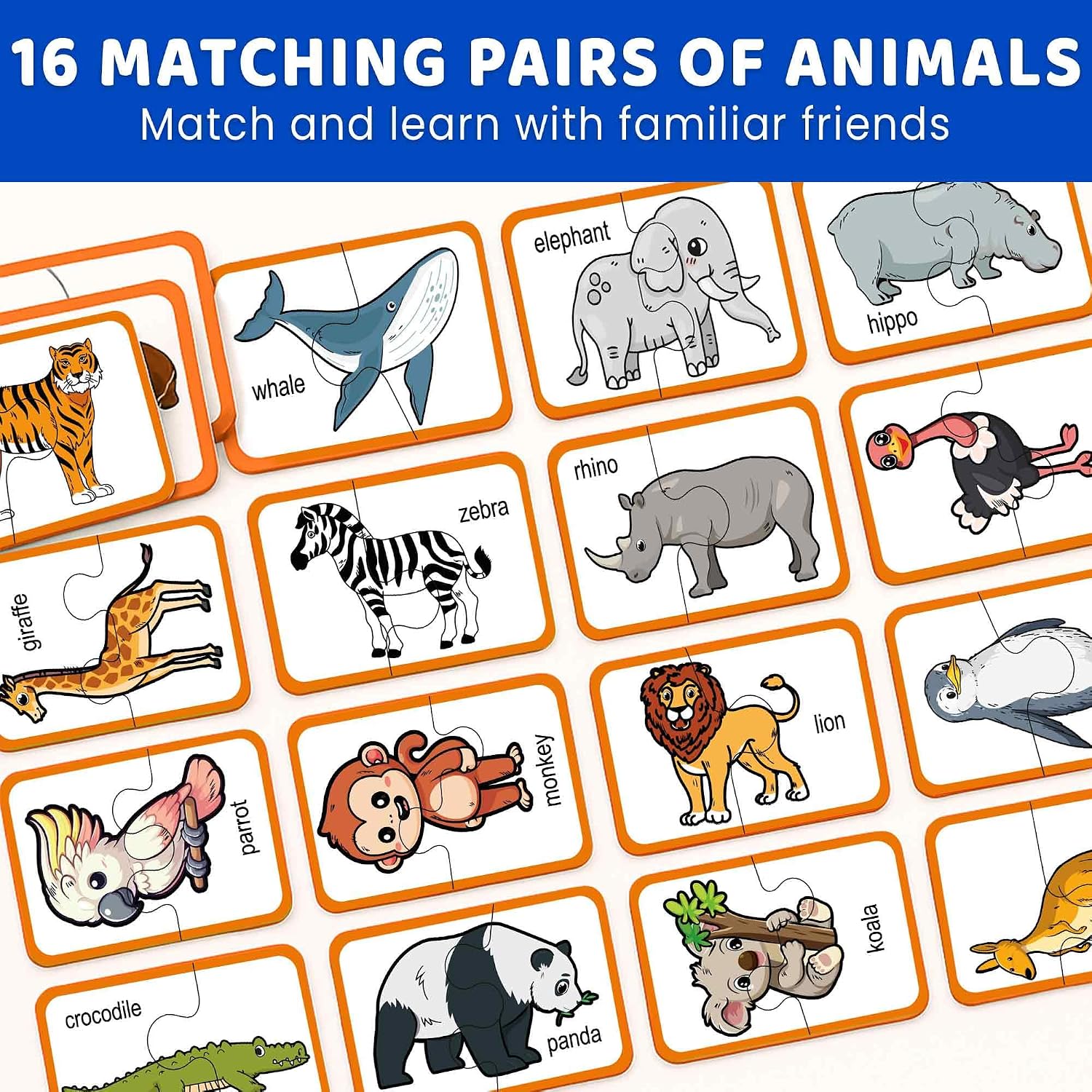
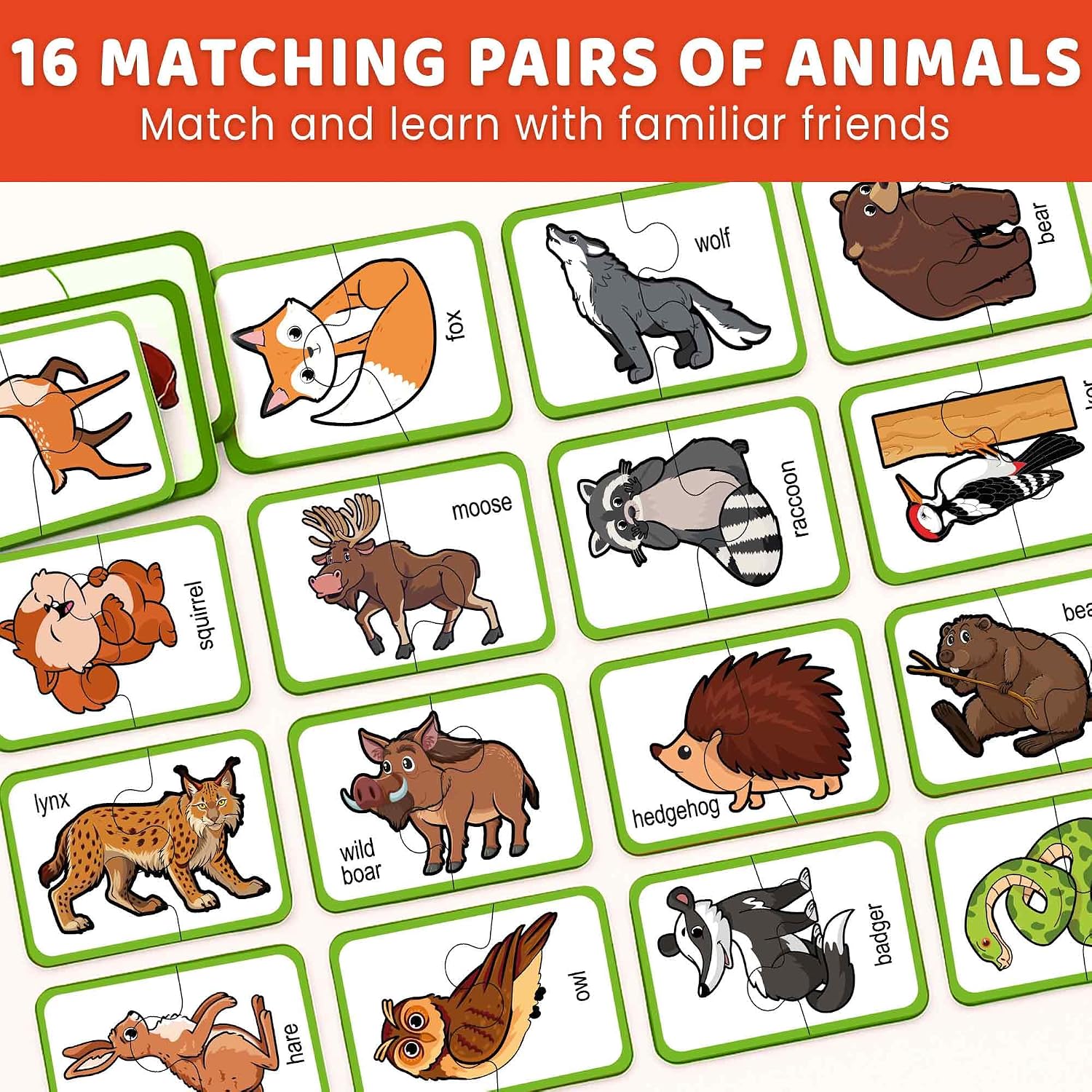
It includes four themed matching puzzles: farm, forest, safari and food. That gives the activity a familiar subject to talk about while children look for the right match.
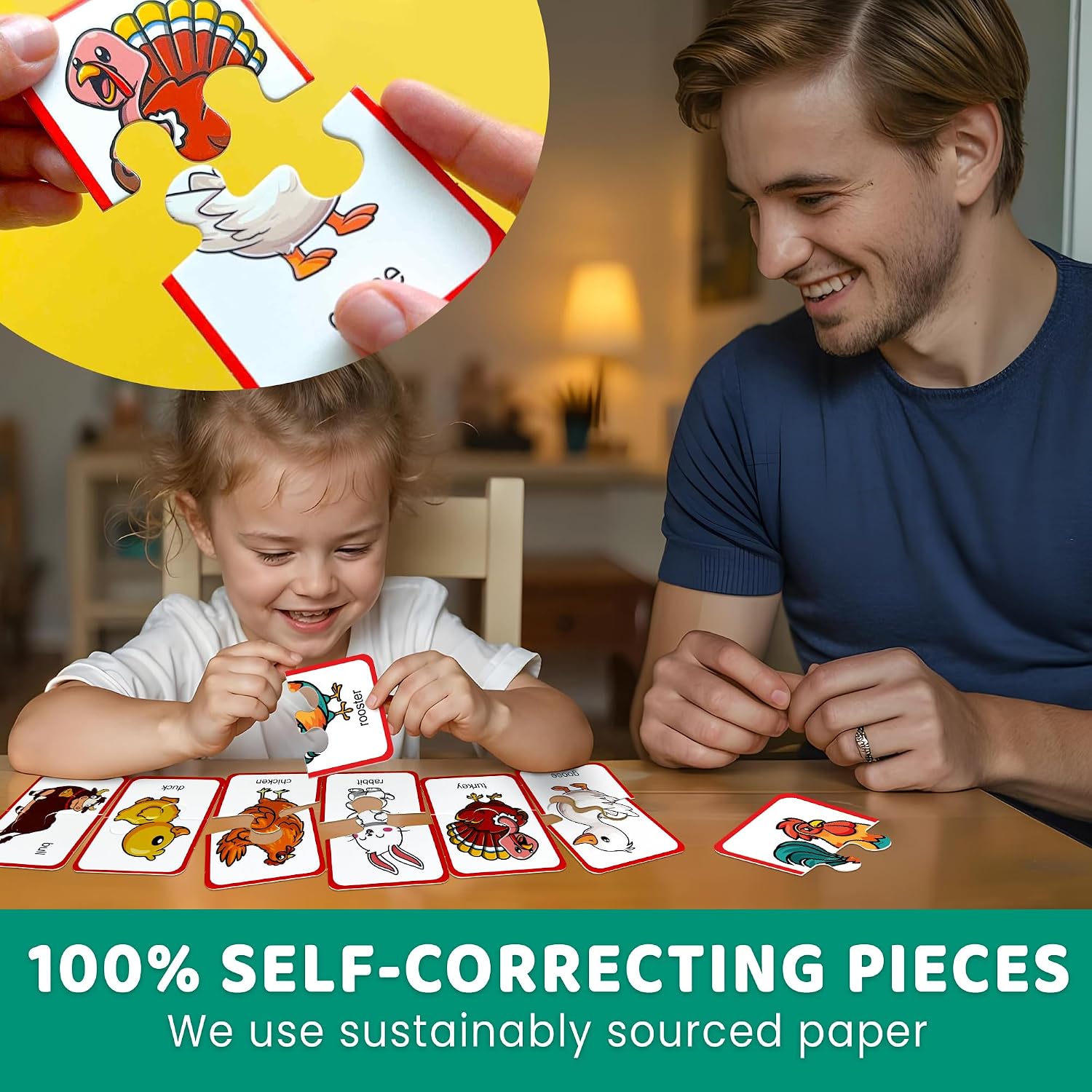
The puzzles are described as self-correcting, a feature intended to make a correct match apparent through the pieces themselves. Keep in mind that the product information does not explain what “16 Set” means, so it is hard to tell exactly how many pieces are involved or how challenging each puzzle may be.
Best use cases
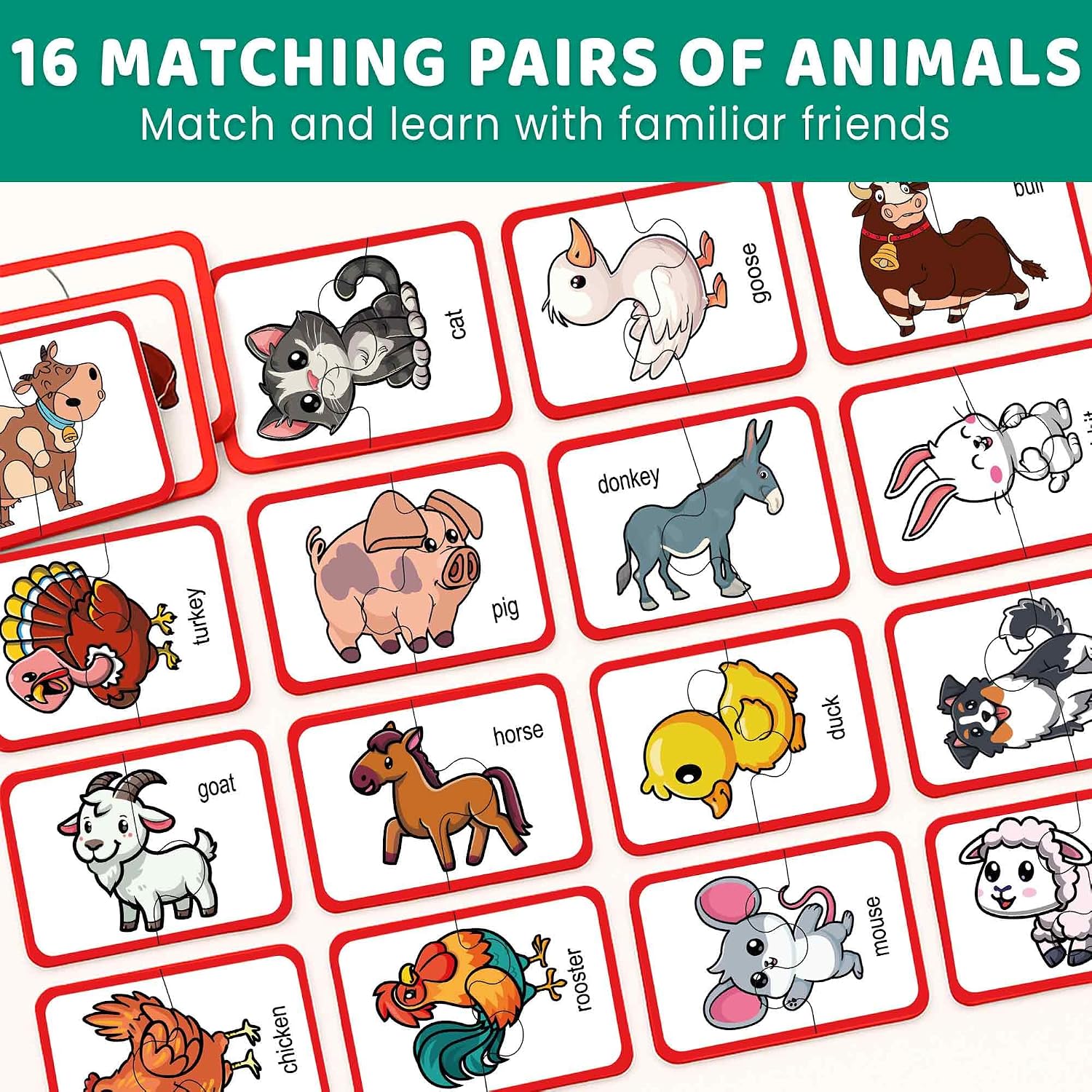
This format may suit a short, focused play session at home, such as laying out a farm puzzle and asking a toddler to find the matching piece. The different themes also offer a simple way to vary the activity without changing its basic task. An adult can join in by naming what appears in the theme, though the listing does not specify particular pictures or learning outcomes.
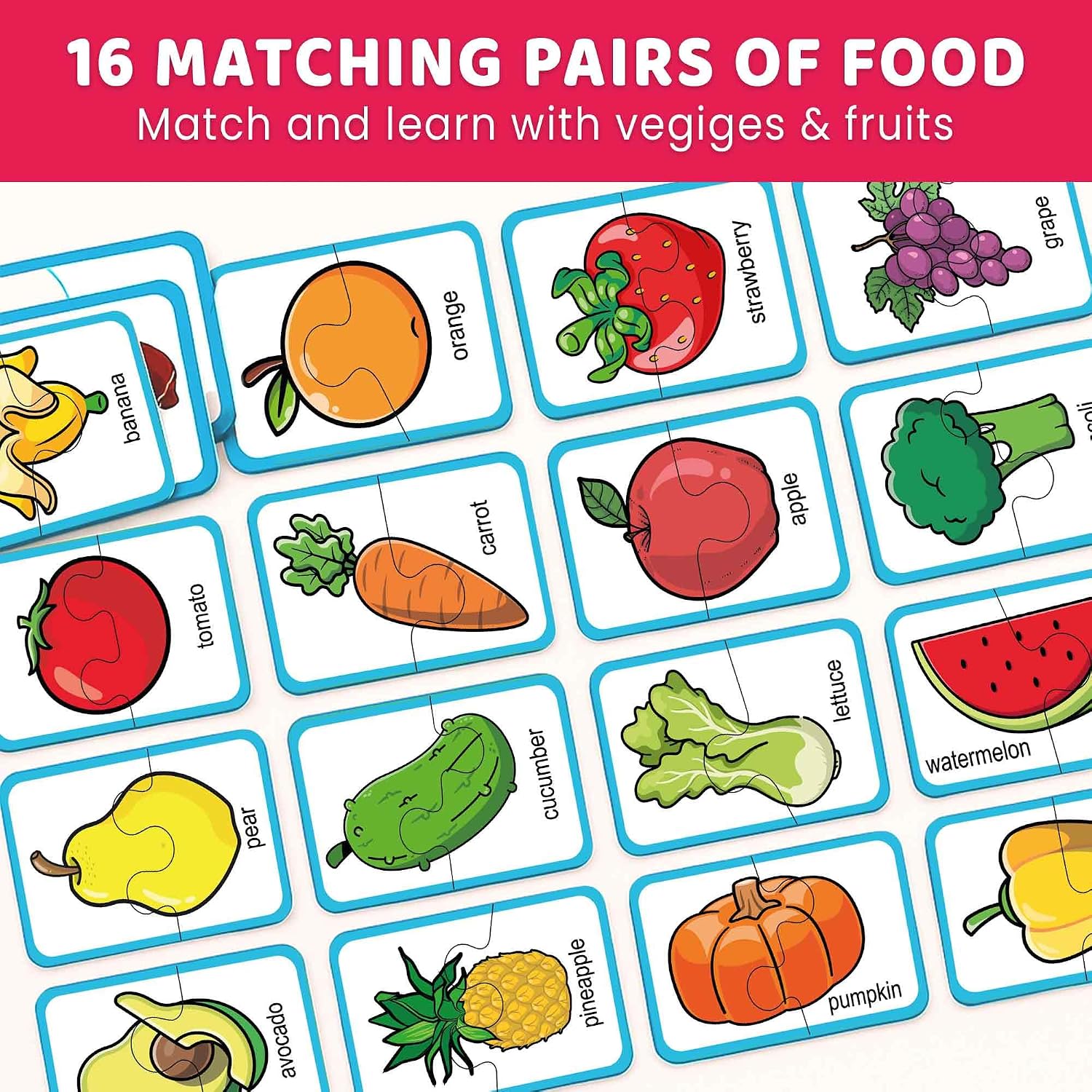
It’s a good option if you’re looking for matching play aimed at toddlers and prefer a defined puzzle activity to a toy with a more open-ended format. The stated age range gives a starting point, but children’s familiarity with puzzles and matching can differ, so the age label alone may not tell you how readily a particular child will take to it.
It may not be the best option if you need clear information about piece count, puzzle dimensions or storage. Those details are not provided, and they would help judge the level of challenge and how much space the set needs when it is in use or put away.
Tips for day-to-day use
Start with one theme at a time rather than putting all the puzzles in front of a toddler at once. For example, place the farm puzzle on a clear surface, let the child try a match, then move to another theme when interest shifts. Keeping the activity focused can make it easier to see whether the child enjoys matching or would rather have more freedom to play.
Stay nearby while a young child handles the pieces, and put them away after play. The product information does not give piece dimensions or material details, so it cannot answer questions about how large the pieces are or how they will hold up to regular handling. If those specifics matter for your household, the listing leaves them unresolved.
Before you decide
What themes are included? Farm, forest, safari and food are named in the product description.
What age is the set intended for? The product name identifies it for toddlers ages 2–4.
What does self-correcting mean here? The description calls the puzzles self-correcting but does not explain the mechanism. The wording suggests the pieces are meant to help indicate a correct match, but it does not provide further detail.
Is it worth it?
The appeal is straightforward: four familiar themes, a matching task and an intended age range, all in a puzzle-based activity. That makes it worth considering when you want a toddler to practise matching through a more structured kind of play. If you’re choosing between this and a more open-ended activity, the deciding factor is whether your child enjoys finding a specific fit. The unclear “16 Set” wording and missing dimensions are genuine drawbacks if you need to assess the amount of play or the pieces before choosing.